
An introduction to Cognitive Behavioural Therapy that will enable both experienced clinicians from other therapeutic traditions and people with a general interest in therapy to gain a foundation in key CBT theory and skills.
Filter by:
Filters
Start month
Day of the week
Time of day
An introduction to Cognitive Behavioural Therapy that will enable both experienced clinicians from other therapeutic traditions and people with a general interest in therapy to gain a foundation in key CBT theory and skills.

Economists and politicians have assumed that growth is good. In recent decades this has been challenged. Is it right that society should no longer aim for economic growth? What are the alternatives?

Join us to explore the rich and dazzling architecture of the Italian Renaissance in three key cities. We will investigate the differing ways in which the classical styles of the Renaissance found expression in Florence, Rome and Venice.

Continue developing your knowledge of Latin with this 10-week course. Besides learning some new grammar and fundamental syntax, you will read some texts adapted from Cicero, about the corruption of the governor Verres.

Linear Algebra is fundamental to Geometry, Statistics, Analysis and most topics in Mathematics. From solving linear equations to abstraction, this course develops deeper knowledge with rigorous proofs. This follows on from Linear Algebra: Introduction.

Explore the theory and practice of mindfulness/meditation effects within Eastern and Western religious traditions and in a modern therapeutic context. Try out various techniques. Learn about the art and science of meditation, including its controversies.

A sense of place, community, and urban design are core to anyone’s experience of living in a city. This course explores how community engagement can be key to building more sustainable cities.
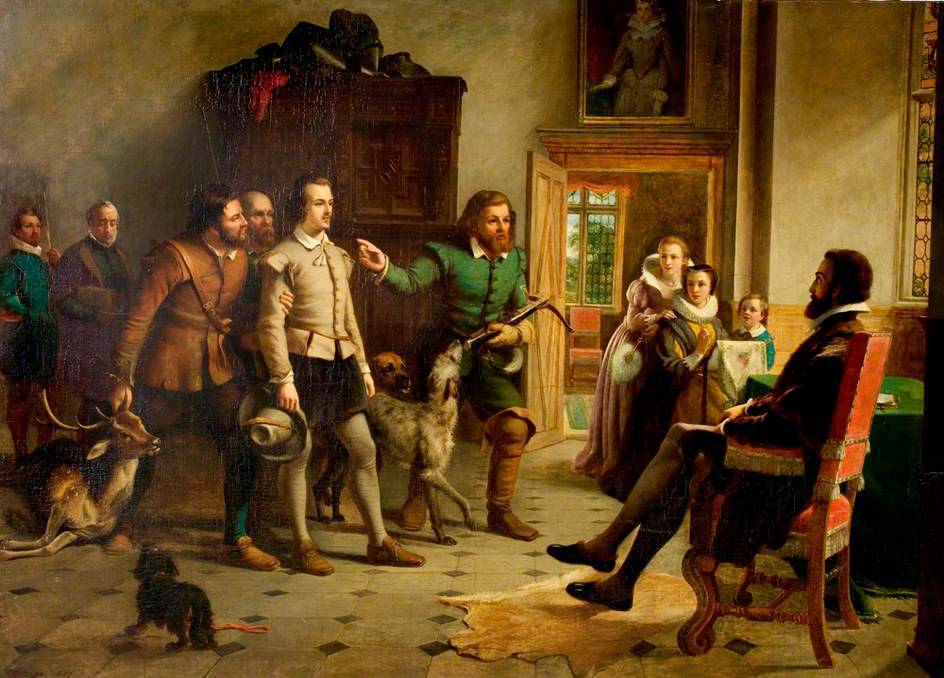
William Shakespeare's plays are world-famous. But in what kind of world did he live? Through local rivalries, feuding families, legal disputes and high politics, we investigate everyday life in Shakespeare's England.

From ancient Persia to the modern CIA, espionage has shaped history. Explore two millennia of spying, tradecraft, and covert action in this six-part lecture series taught by a former intelligence officer and bestselling author Andrew Badger.

This lecture series evaluates one of the most controversial decisions in 20th century UK politics: the applications to join the EEC.
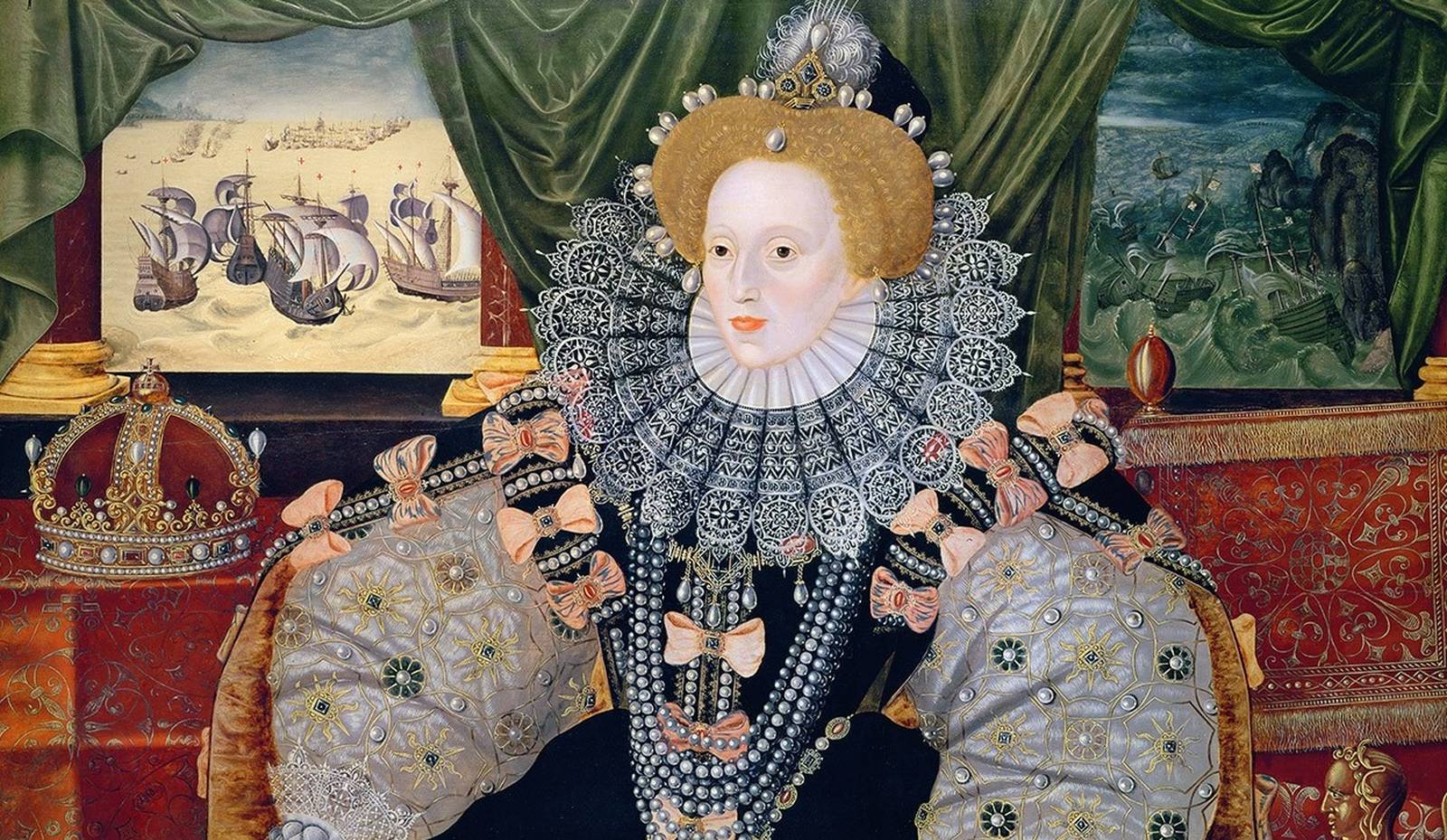
The course explores the reigns of English queens regnant and consort from 1485-1642, with a focus on gender: did Mary I and Elizabeth I perform and rule differently from kings? What kinds of influence did the wives of kings exert?
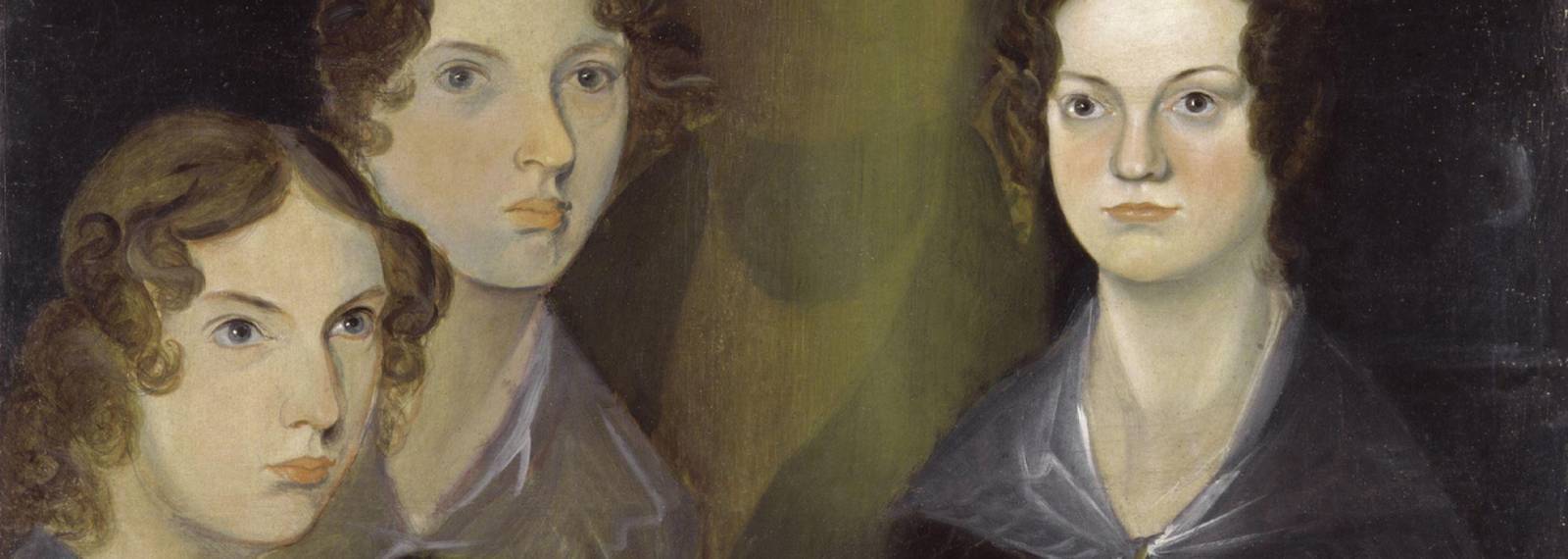
This lecture series will explore the lives and works of Anne, Charlotte, and Emily Brontë, examining how their remarkable imaginations produced six original, complex, and ground-breaking novels despite their confined lives.