
This course builds on Part 1, and allows you to extend and revise your grammatical knowledge so far while reading some engaging texts in Greek.
Filter by:
Filters
Start month
Day of the week
Time of day
This course builds on Part 1, and allows you to extend and revise your grammatical knowledge so far while reading some engaging texts in Greek.

Feminism is a political movement aiming to end the oppression of women. But what is to be a 'woman'? Do women have distinctive ways of knowing and acting? What is gender injustice? The course engages with such core issues of feminist thought.

This course will teach you the basics of quantum physics. From the quantisation of energy, we will explore the idea of a wavefunction, learn about entanglement, the uncertainty principle and how they are used for teleportation and quantum computers.

Introduction to the Energy Transition is a course that covers an increasingly important issue with respect to climate change, ecology, energy policies, supply disruption, and competition for energy.

Linear algebra and its matrices appear throughout the sciences and in the mathematical parts of the social sciences. This basic course is a prerequisite to understanding advanced mathematics and myriad closely and distantly related quantitative fields.
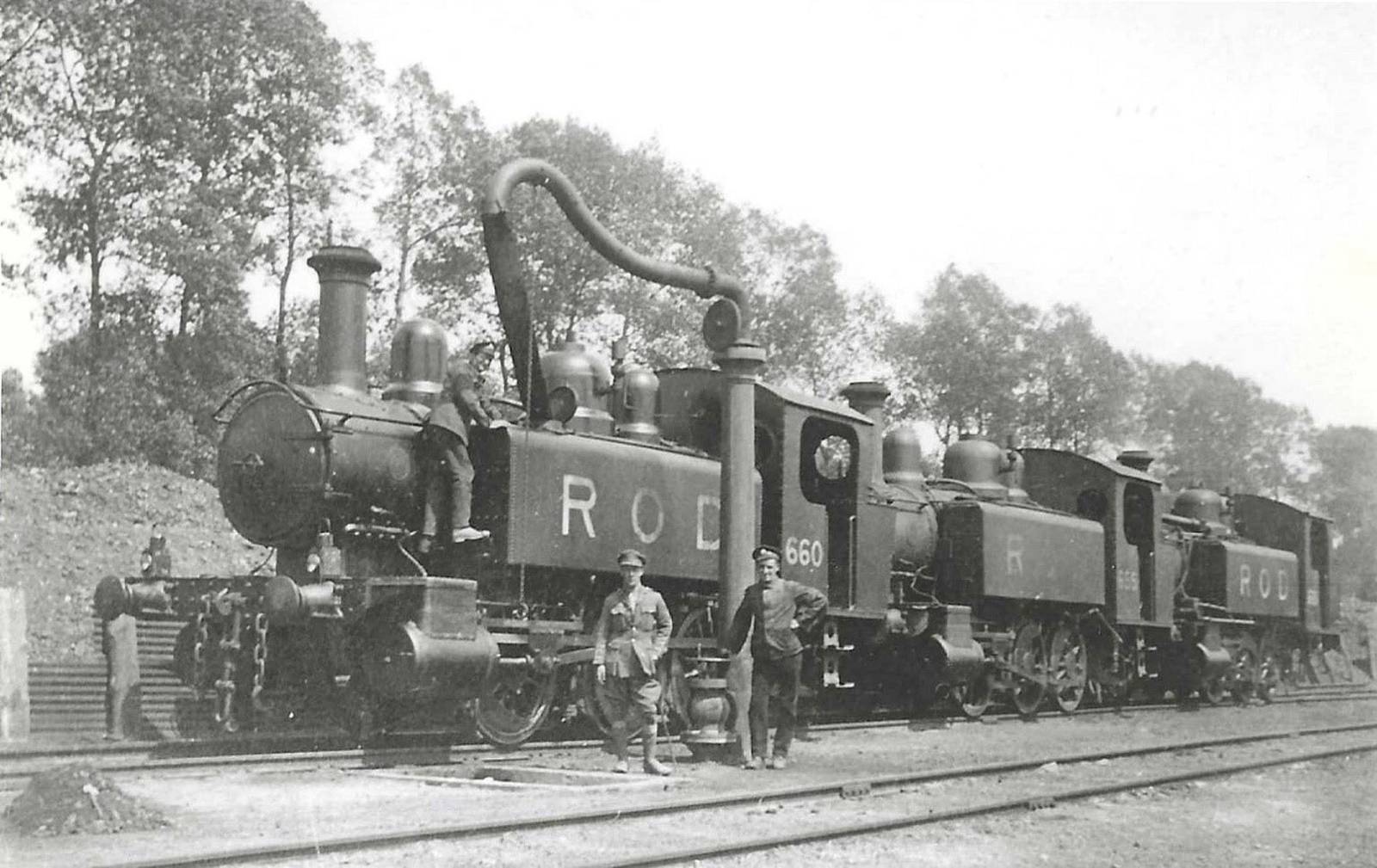
From the American Civil War to WWII, explore how railways moved armies, supplies, civilians and the wounded, shaped strategy, resisted air attack, and became essential to both battlefield success and the home front everywhere.

Explore the criminal underworld of cyberspace. Discover how the dark web facilitates illegal hacking and how ransomware is disrupting our societies, and learn how governments are fighting back.
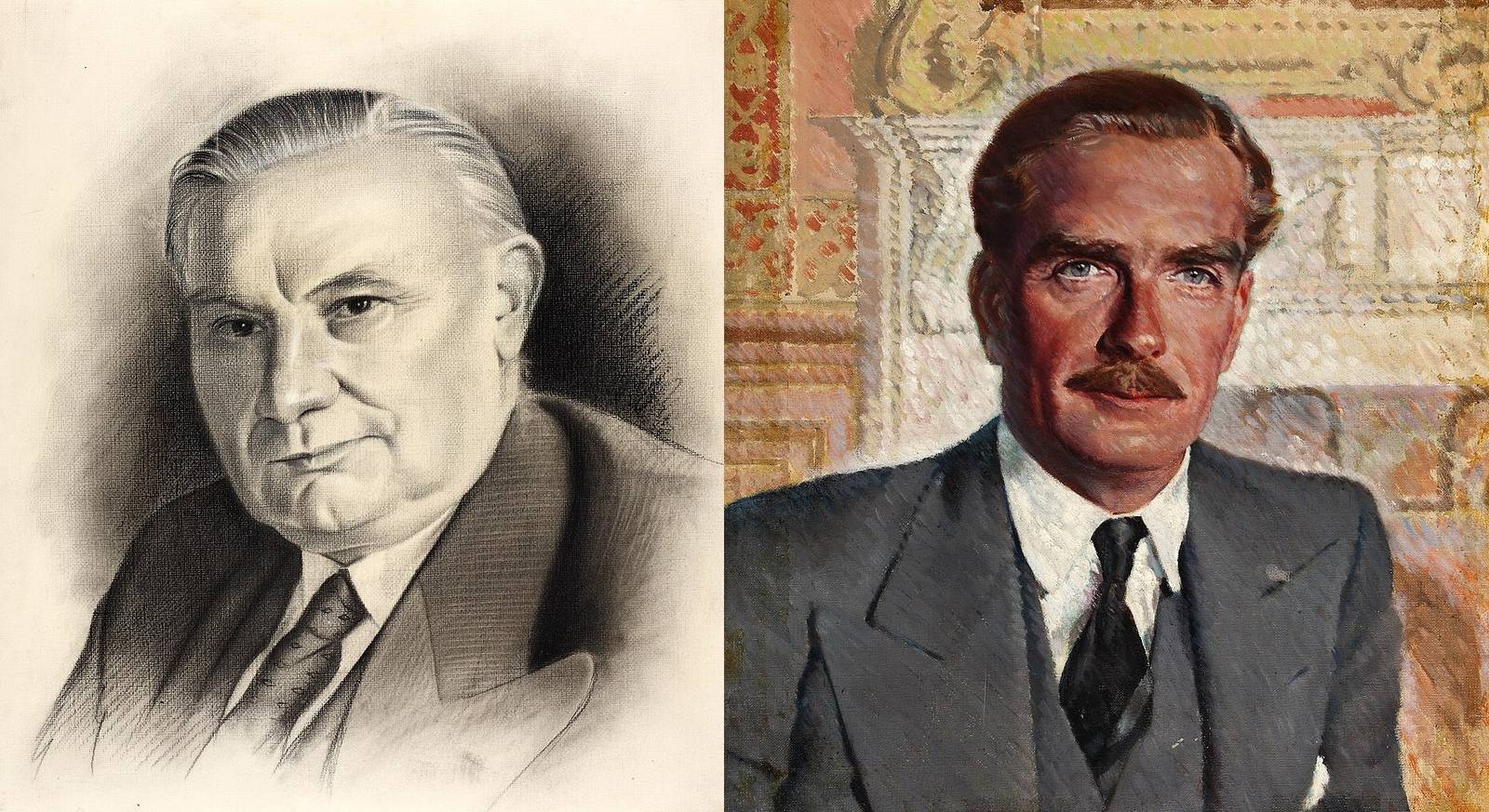
Examine Bevin and Eden's policy of staying out of the EEC in this hybrid lecture.

From ancient Persia to the modern CIA, espionage has shaped history. Explore two millennia of spying, tradecraft, and covert action in this six-part lecture series taught by a former intelligence officer and bestselling author Andrew Badger.
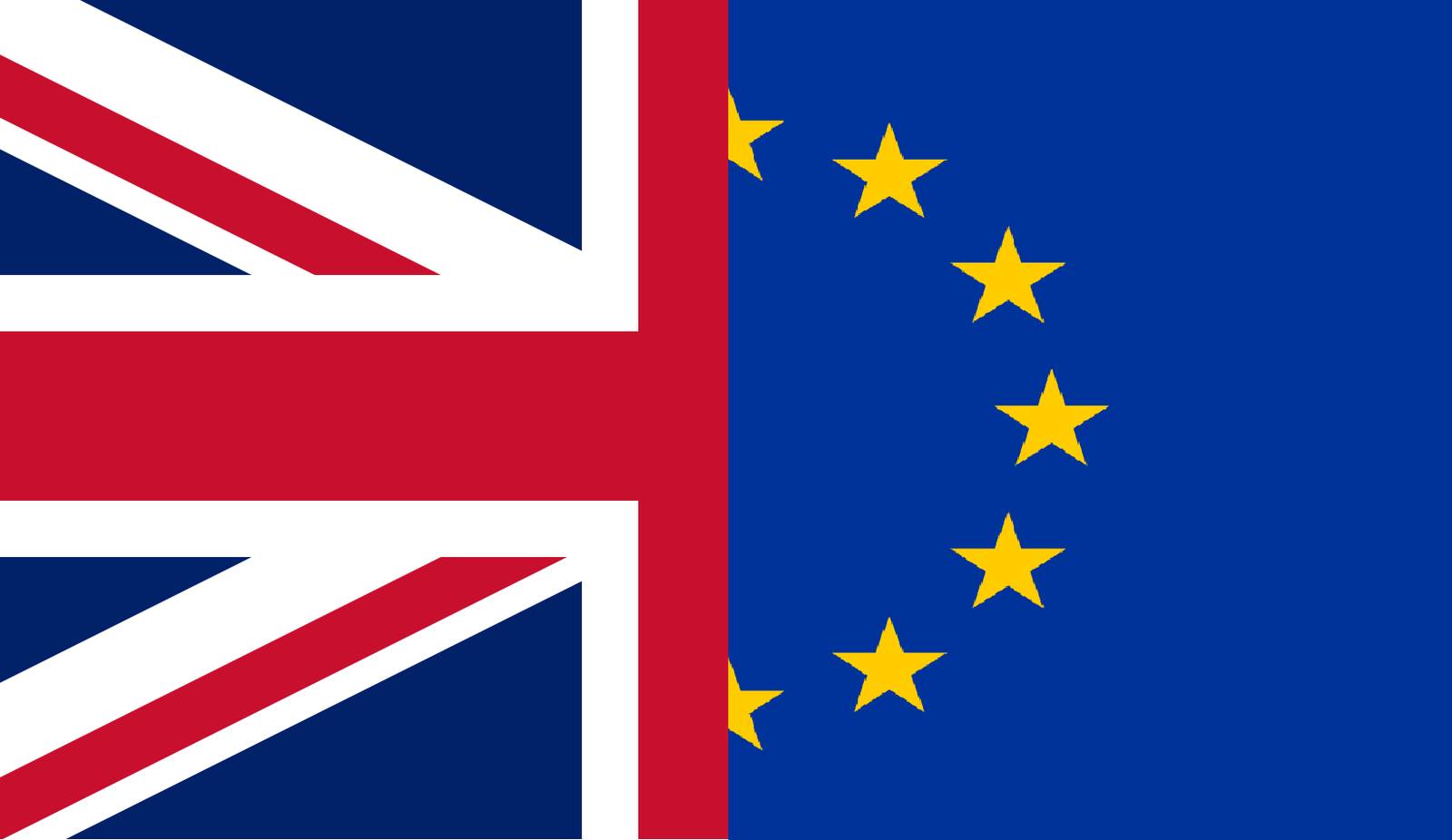
This lecture series evaluates one of the most controversial decisions in 20th century UK politics: the applications to join the EEC.
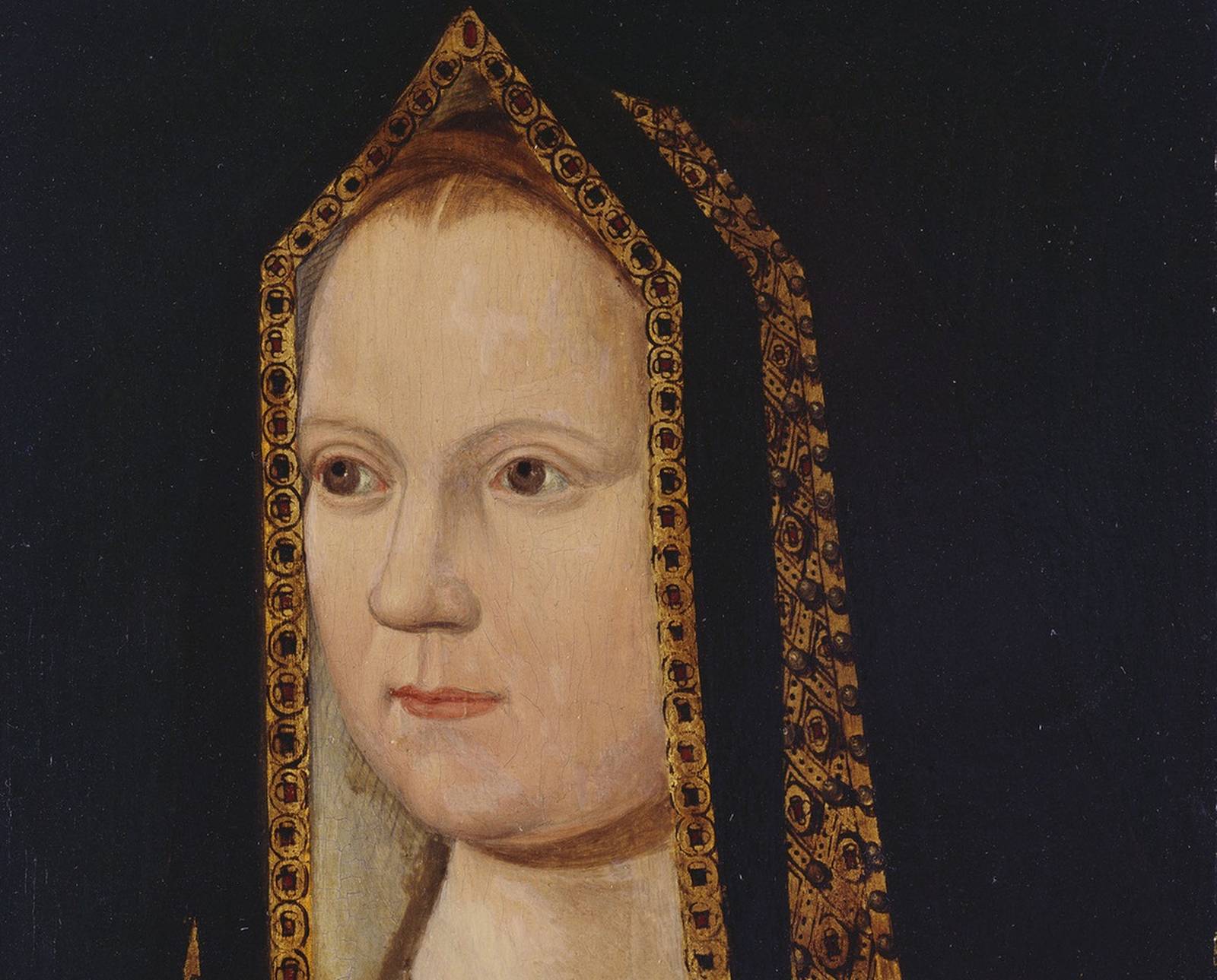
This lecture examines Elizabeth of York in her role as queen consort to Henry VII.
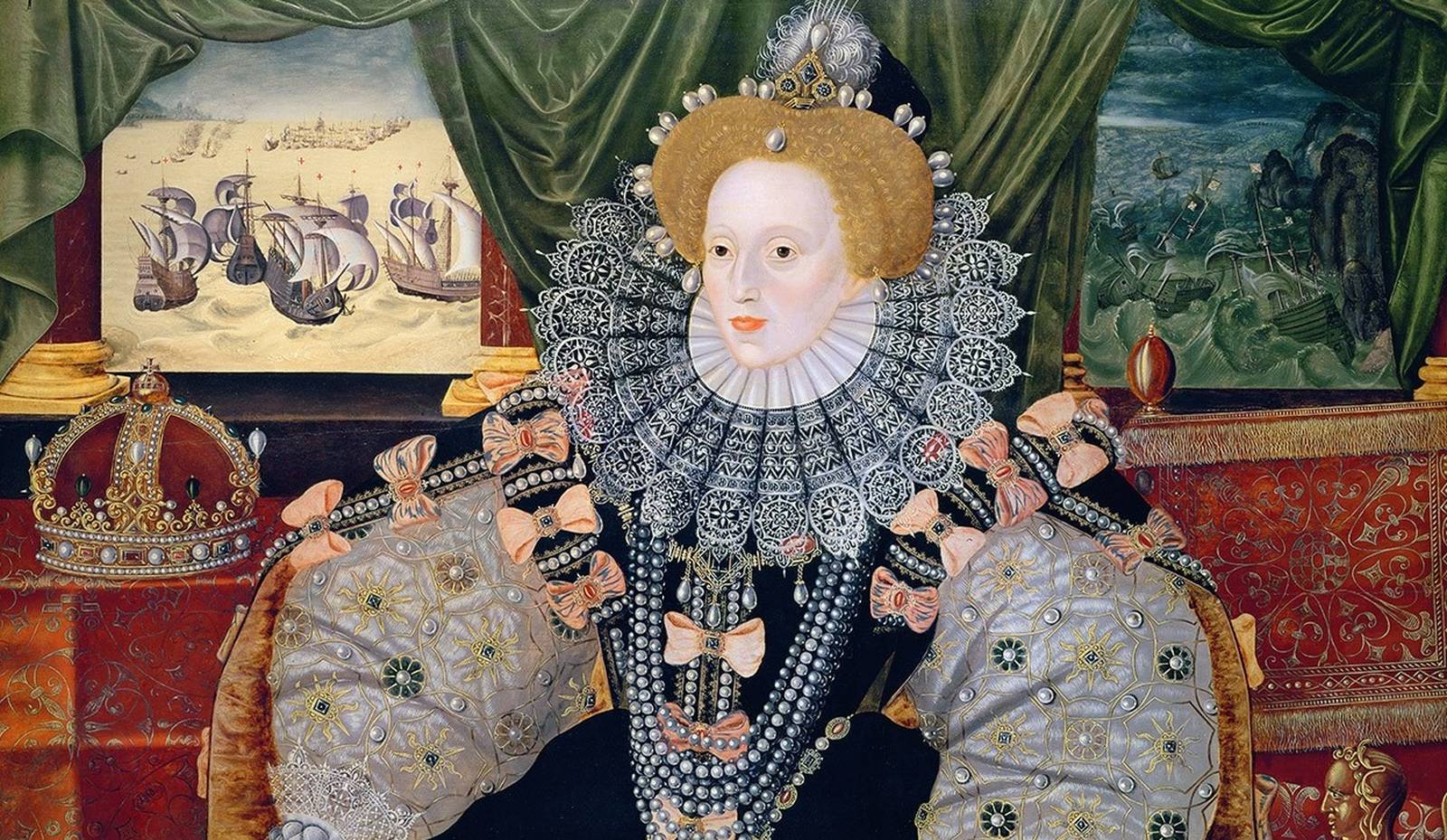
The course explores the reigns of English queens regnant and consort from 1485-1642, with a focus on gender: did Mary I and Elizabeth I perform and rule differently from kings? What kinds of influence did the wives of kings exert?