
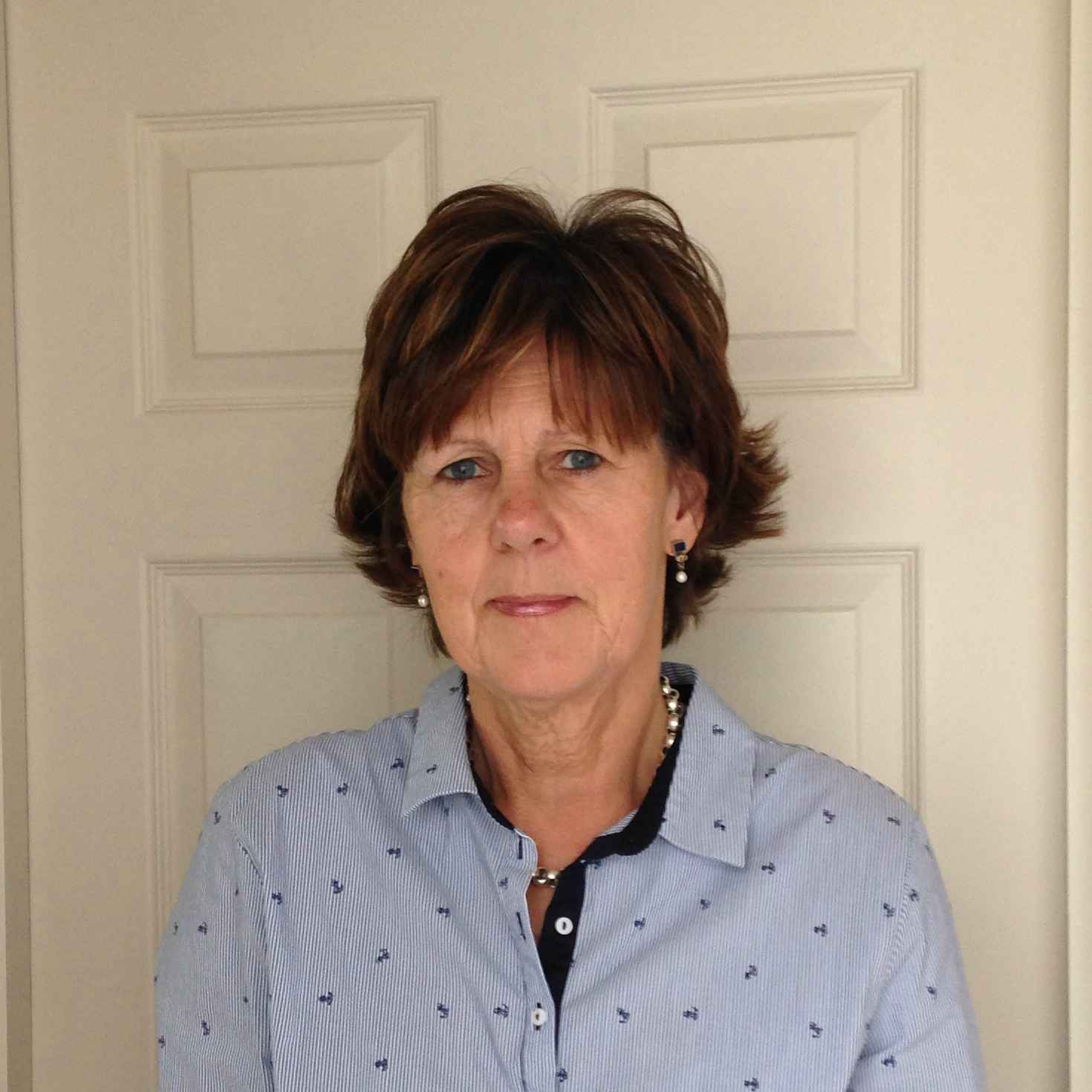
Rosemary Yallop
Rosemary had a varied career before studying for a DPhil in Architectural History, where the staff at Oxford Lifelong Learning encouraged and supported her throughout her six years of study.
'My professional life began with a Law degree and went on to span the Foreign Office, investment banking, and book and archive conservation, the latter being the subject of my Master's degree. None of these careers involved the technical or historical aspects of architecture.
'However, I had always nurtured a private passion for the history of buildings, which began when I was a teenager. As my children grew older, I had more time to devote to visits, reading and lectures on architectural history, developing a framework through which to ask questions such as, "Who built this? Why? Why here? Why in this style?"
'The real impetus to take the subject further came when my husband and I restored a listed house. Several important decisions needed to be informed by detailed historical research, and although I enjoyed that process and made some interesting discoveries, I realised that if I wanted to broaden my research, I needed academic guidance and rigour.
'I was therefore delighted to discover that it was possible to undertake a part-time DPhil at Oxford. The opportunity to study alongside leading historians and benefit from their expertise made it the ideal choice.
'Returning to study at this level was potentially daunting. I needed to learn, think and write in academic ways that were quite different from those required in my previous careers.
'Research students must be resourceful and self-reliant, but Oxford Lifelong Learning is structured to provide support throughout the journey. The network of academic staff extends well beyond your supervisor and course director, and everyone is approachable and encouraging.
'The termly reporting process between student and supervisor is an excellent way of monitoring progress. Through self-assessment and constructive discussion, it helps identify achievements while highlighting opportunities for further skills development.
'One of the most rewarding aspects of the programme was meeting fellow part-time students researching related but distinct subjects. Their varied professional backgrounds brought fresh perspectives, and for me this was one of the great advantages of being a mature student.
'I completed the DPhil in six years, which is the expected timeframe. It was certainly a long journey and there were times when maintaining focus was challenging, making my supervisor's advice invaluable.
'It was also an immensely enjoyable and fulfilling experience. During my studies I developed a substantial body of research that extended well beyond my thesis and continues to shape the independent research I pursue today.
'While studying, I was accepted onto the Oxford Lifelong Learning part-time tutor panel. I have since presented papers at two study weekends, hope to teach on future weekly courses, and became a Trustee of the Georgian Group, where I am involved in education projects.
'To anyone considering a part-time DPhil in Architectural History, my advice is to make the experience your own. Every student approaches doctoral study differently.
'Don't underestimate the commitment or the volume of work involved, and make sure your family understands that commitment too. There will be moments of doubt, but remember that support is always available from staff as well as fellow students.
'Most importantly, make the most of every opportunity Oxford offers. When you reach the end of the journey, you'll be amazed by what you've achieved.'
Learn more: