Extramural education should be ‘part of the normal and necessary work of a University.’ (1)
‘Establishment of a Centre or House’
Between 1919 and 1922 the ‘Asquith Commission’ (a Royal Commission on Oxford and Cambridge) was formed to examine, among other things, the ever-changing landscape of adult education.
Among the findings of the Commission were two pivotal recommendations:
the establishment of university ‘extramural departments’ and the inclusion of mature students within the walls of the universities. In support of these two recommendations, the Commission also advocated ‘the establishment of a Centre or House for Extra-Mural Students, in as central a position as possible… consisting of the necessary offices and of accommodation for the existing libraries, and for students wishing to read or write there.’ (2)
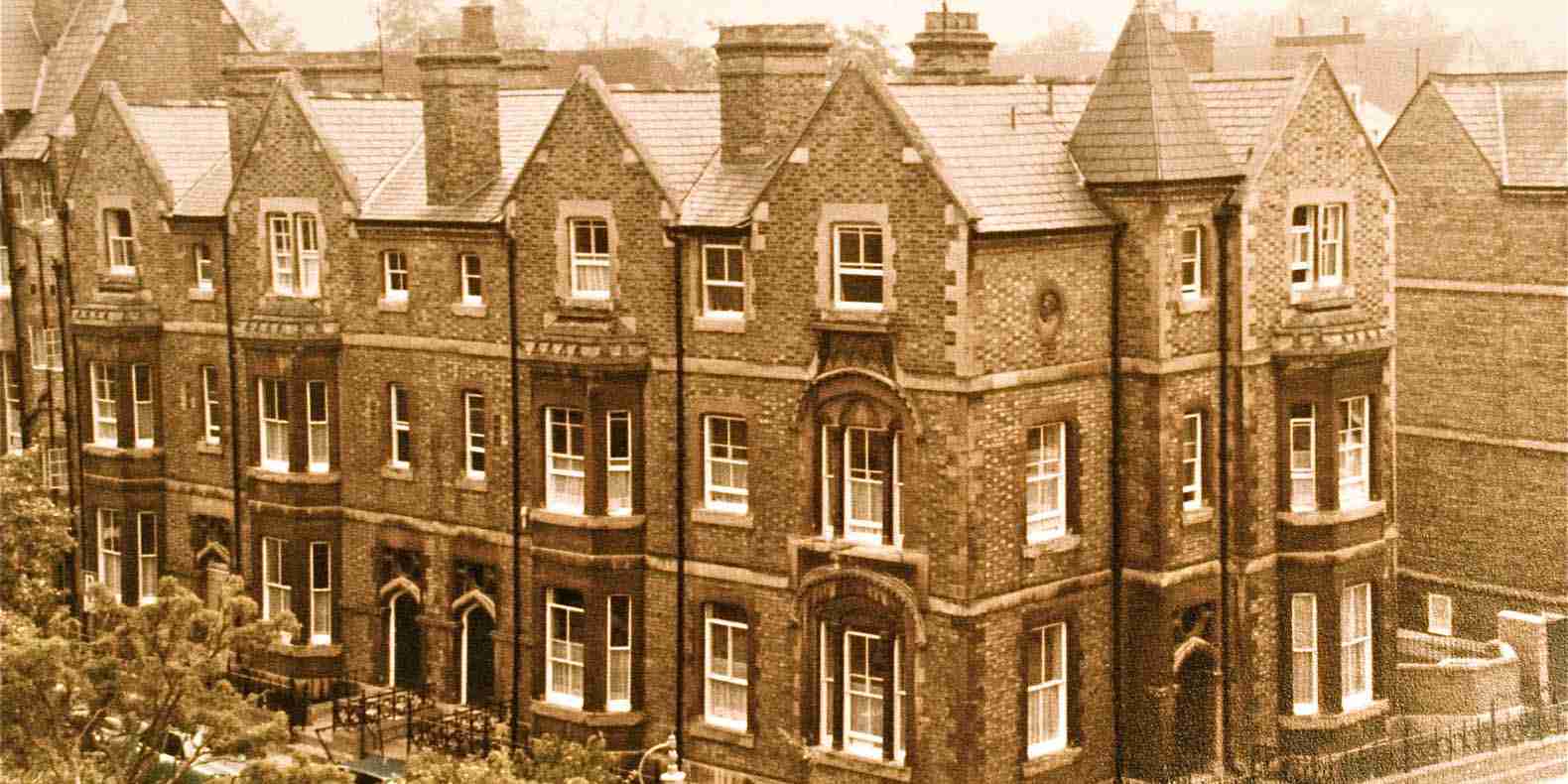
In 1924, Oxford established its extramural department – the ‘Delegacy for Extra-Mural Studies’ (signalling a shift in intent as well as title from the older ‘Delegacy for the Extension of Teaching Beyond the Limits of the University’); and in 1927 the University purchased Rewley House on Wellington Square to be the physical base for continuing education.