
This October signals the beginning of Black History Month in the UK. Throughout the month, organisations across the country will honour the contributions of Black people to Britain’s past, present and future.
The theme for 2026 is ‘Honouring our Communities’, an invitation to recognise the individuals whose everyday contributions shape, support and sustain Black life across the UK.
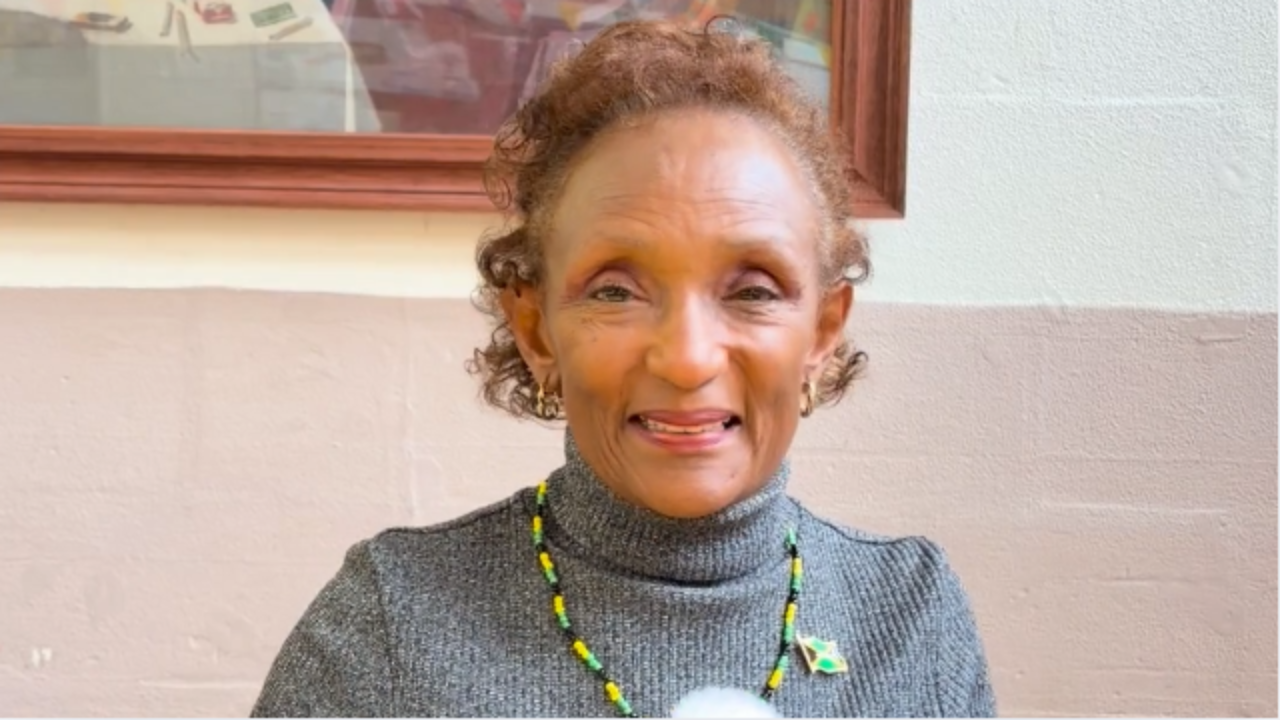
To mark the beginning of Black History Month, we spoke to Jeanie, a fourth-year DPhil candidate in English Local History. We met at The Holy Family Church in Blackbird Leys, home to the Communi-Tea Cafe and an important hub of activity for the local community.
Jeanie’s research focuses on Oxford’s Caribbean community, a historically under-represented group in scholarly work, between 1939–1986. When asked about her motivation, Jeanie said:
‘My parents are members of the Caribbean community […] I’m second-generation Caribbean, Windrush Generation.’
‘Their experience was very typical. They came to England with a five-year plan […] and that five-year plan took eighteen years.’
‘That experience was quite an intense experience, being part of the Windrush Generation and having parents who were, and it has always been a subject of immense interest to me.’
During the interview, we were also able to meet some of Jeanie’s oral history survey participants and community volunteers. All 60 of Jeanie’s participants have waived their right to anonymity, ensuring that their names and experiences are recorded as part of Oxford’s local history. Joey, chef at the Communi-Tea Cafe, said:
‘We’ve been going for nearly ten years now, but with all the free and open spaces lost now, this has become the community hub.’
Speaking on Jeanie’s oral history survey, participant and volunteer Sandra said:
‘Equally, I got a lot out of it as well. It was an opportunity to reflect […] to reflect on what our parents, or the older generation, went through. Although we kind of know a little bit, it was a good opportunity to go and ask questions, and you know, revisit.’
Jeanie’s research aims to show that Oxford’s Caribbean community made a ‘minor, though not insignificant contribution’ to the development of Black British history. Her chosen period,1939–1986, begins with the start of World War II and ends with the year of the first Oxford Caribbean Carnival, tracing the emergence of Black British identity in the UK.
Describing several of the unique aspects of her research, Jeanie said:
‘There is no record of Caribbean people in Oxford telling their own story, in their own words […] All the participants agreed to waiving their anonymity.’
‘People of minority heritage, particularly people of Black heritage, have been erased from history. Their names are often anonymised, pseudonymised, redacted or left out completely.’
Jeanie’s work also traces how, for Caribbean people, Black British identity emerged from British Caribbean identity. More broadly, Jeanie’s work asks what it meant to be British during 1939–1986.
Once her thesis and doctoral work is complete, The Oxfordshire History Centre has requested to hold the audio tapes from Jeanie’s survey as part of their permanent archive.
If you’d like to hear more about Jeanie’s research, watch our full interview here.


