Award courses
DPhil in English Local History

Course status:
Open

Duration:
4-6 years, part-time

Study format:
In person and Online

Level:
Postgraduate
Turn your advanced knowledge of English history into original research with Oxford University.
Local history is one of the largest programmes within Oxford Lifelong Learning. This fascinating discipline is an interesting, rewarding and accessible area of historical studies that has enabled many mature students to become directly involved in individual research. Topics may typically include medieval power, early modern elites, poverty, religion, and community in England, supported by seminars and supervision. Some previous topics have included:
- Power and patronage in the later medieval localities
- Kinship, culture and community: provincial elites in early modern England
- Poverty and the Poor Law in England 1660-1800
- Religion and community in England, 1830-1914.
The MSc and DPhil programmes have been a natural progression for the Department, drawing on knowledge and skills acquired in many years of providing specialist classes in local history, and profiting from close links with local, social and economic historians in the University.
KEY INFORMATION
Upcoming application deadline: Wednesday 27 January 2027, 12:00 GMT

The part-time DPhil involves a significant commitment to individual study and research, including extensive reading, data collection and analysis, and academic writing in a topic that interests you. Students may be required to undertake research training and are strongly encouraged to engage with seminars and the wider research community alongside their own work.
This course is intended for students who are motivated to undertake independent historical research over several years. It will suit those with a strong grounding in English history and a clear research focus, who are motivated to pursue in-depth study at doctoral level.
If you are seeking to develop your English local history expertise through a substantial programme of independent research, supported by supervision within the University, this course may be an excellent fit for you.
Supervision on the DPhil programme is provided by specialist tutors from Oxford Lifelong Learning, the History Faculty within the University of Oxford, and further afield.
The course regulations require a minimum period of four years’ part-time study (equivalent to two years’ full-time). Typically, students take about six years to complete the DPhil. The MSc in English Local History is recommended as preparation for the DPhil and students building on MSc work usually complete more quickly.
Research students may be required to undertake appropriate research training provided within the University. In addition, they will be strongly encouraged to participate in seminars and informal meetings with staff and other researchers. The major commitment of time will be to individual study and research, involving wide and intense reading, data collection and analysis, and writing.
Oxford College affiliation
As a matriculated postgraduate degree student, you will become a member of one of the University’s multidisciplinary colleges, enabling you to encounter new perspectives in your field or learn more about many other subjects from fellow college members.
The collegiate system makes studying at Oxford a truly special experience. Oxford colleges are friendly and diverse communities, where you could find yourself absorbed in fascinating conversations with students and academics from a variety of disciplines at college seminars, dinners, and informal occasions.
For a list of colleges that accept students on the DPhil in English Local History, please see the ‘college preference’ tab on the Graduate Admissions course page.
To find out more about Oxford University colleges, please consult the University’s Graduate Admissions website.
Supervision on the DPhil course is provided by specialist tutors from the department, elsewhere in Oxford and further afield. Contact time will vary according to the phase of the project but, a student can anticipate an average of 3-5 hours of one-to-one time over a term. This is also supplemented by other forms of contact through graduate school and faculty training and by seminar participation.
You will be admitted initially as a Probationary Research Student (PRS). During the probationary period, you will start work on the thesis topic. You will develop research skills through a range of training and skills development primarily offered by Oxford Lifelong Learning, as well as across the University.
You will also be required to apply for a Confirmation of Status as DPhil sometime between the 12th and 18th term after admission. This will also involve the submission of a piece of written work that is assessed by two assessors, neither of whom will be your supervisors. The Confirmation of Status assessment observes how the research is progressing, the quality of the draft chapters/papers, and on the plan for completion. The assessors will be looking to ensure that you are making the appropriate amount of progress in the development of your thesis, so that thesis submission will be achieved within the time limit.
You will be expected to submit a substantial thesis (of at least 100,000 words) after 18 or, at most, 24 terms from the date of admission. To be successfully awarded a DPhil in English Local History you will need to defend your thesis orally in front of two appointed examiners.
Degree-level qualifications
Applicants should hold or be predicted to achieve a first-class or strong upper second-class undergraduate degree with honours in any relevant subject. Most successful candidates will have a good master’s level qualification.
If your degree is not from the UK or another country specified above, visit our International Qualifications page for guidance on the qualifications and grades that would usually be considered to meet the University’s minimum entry requirements.
English language proficiency
This course requires proficiency in English at the University’s higher level. If your first language is not English, you may need to provide evidence that you meet this requirement. Further information on English language requirements can be found here.
Please visit the DPhil in English Local History page on the University of Oxford Graduate Admissions website for details of course fees and costs.
Please see our funding page for help and information with regard to funding postgraduate studies. We further recommend that applicants search for funding opportunities via the online Fees, Funding and Scholarship search tool.
In order to be considered for many scholarships, applicants are required to apply by the January deadline. However, applicants should note that some scholarships require additional application materials and may have different deadlines, so applicants should make sure they check the application process for each scholarship carefully..
Prior to applying, prospective applicants are encouraged to contact the Course Director for an informal discussion.
Applications for this course should be made via the University of Oxford Graduate Admissions website. This website provides information on fees and entry requirements, along with help on preparing and submitting your application.
Application deadlines
12:00 midday UK time on:
- Stage 1: Friday 14 November 2025 (Applications more likely to receive earlier decisions)
- Stage 2: Wednesday 28 January 2026 (Latest deadline for most Oxford scholarships)
- Stage 3: Tuesday 3 March 2026
When to apply
Early application for the programme is strongly advised. After the March deadline, the course will only stay open for that year’s entry if places are still available.
Remember that it can take a number of weeks to obtain all of the documents you need and to prepare a competitive application. You should also allow your referees plenty of time to submit your references. We therefore recommend you apply as soon as possible.
Interviews are normally held as part of the admissions process within six weeks of the application deadline.
Contact us
If you have any questions about this course, please email pgr@conted.ox.ac.uk.


STUDENT SPOTLIGHTS
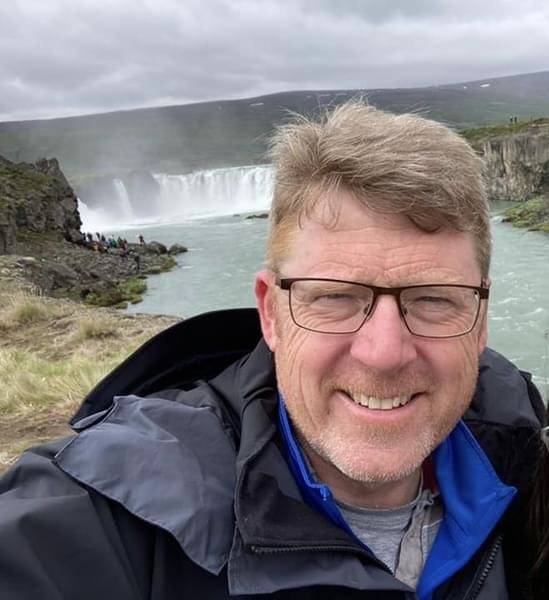
After retiring from a career in the police, Paul enrolled on the online Advanced Diploma in Local History to pursue his secret passion for the…
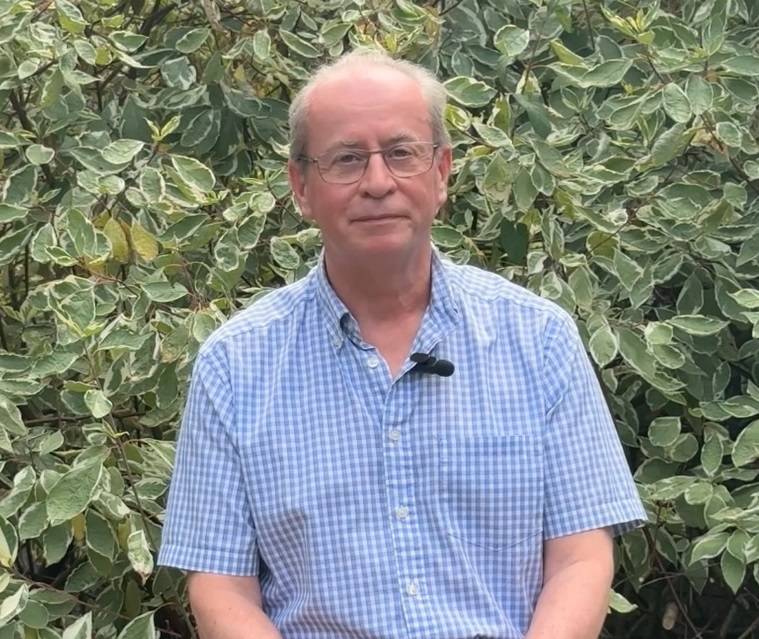
After a career in IT for more than 40 years, Peter turned a lifelong passion for history into an academic journey at Oxford Lifelong Learning.…