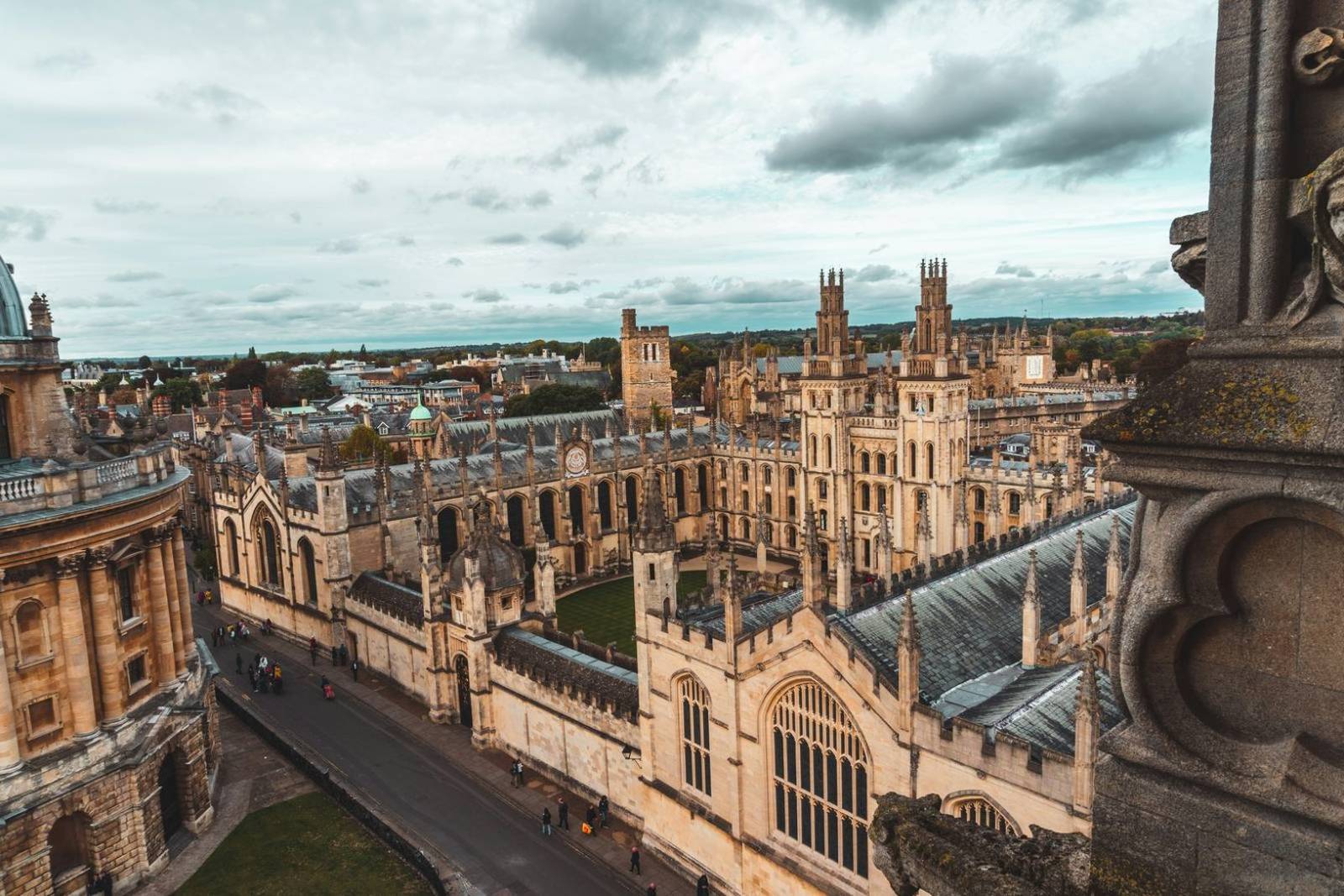
From Chaucer to the latest detective fiction, Oxford has been the setting for stories of all kinds. This walking tour, plus lunch, will examine Oxford's literary pre-eminence, discover literary connections and share some tall tales.

From Chaucer to the latest detective fiction, Oxford has been the setting for stories of all kinds. This walking tour, plus lunch, will examine Oxford's literary pre-eminence, discover literary connections and share some tall tales.
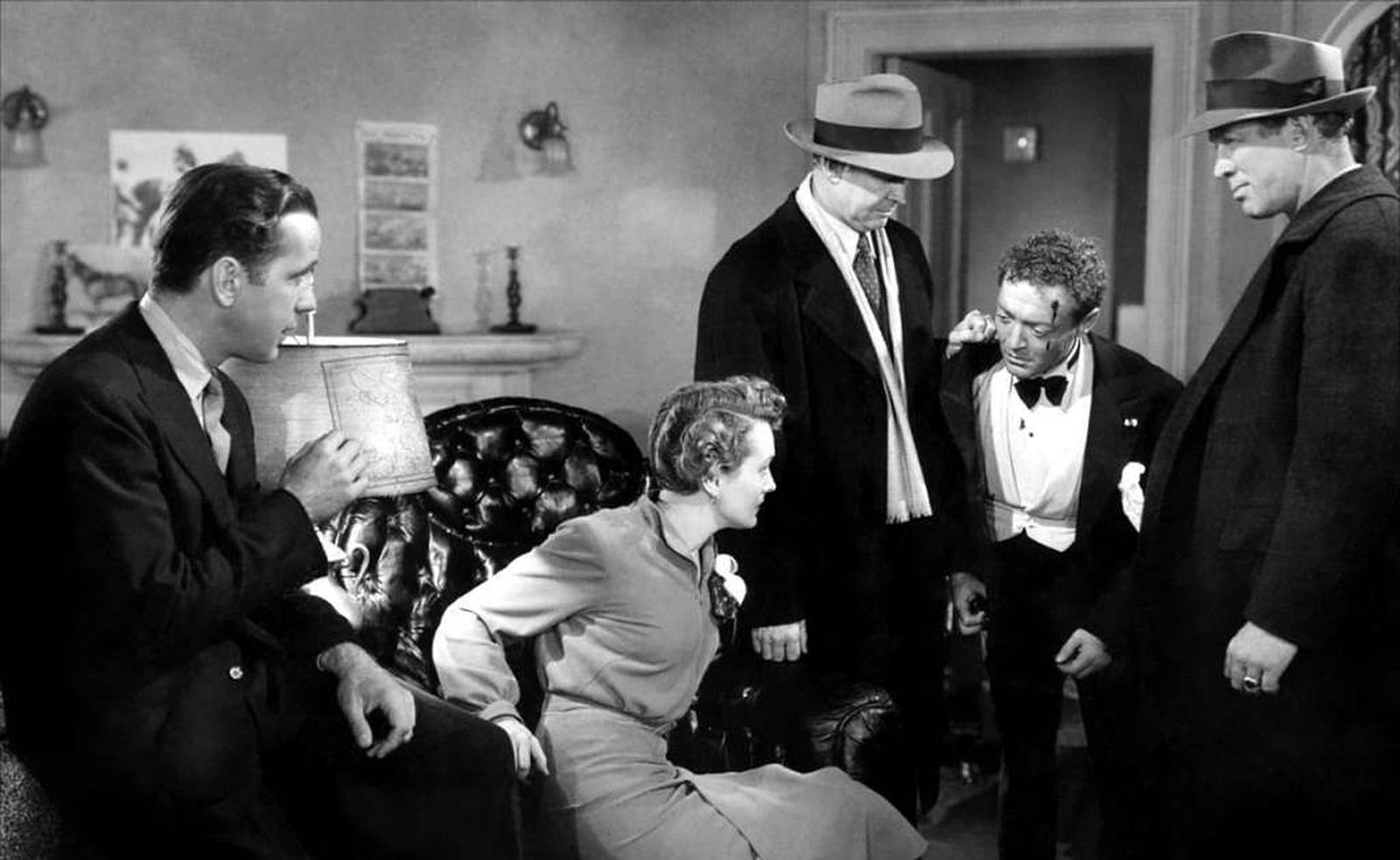
This day event explores 1940s film noir, which will be read through the contexts of the genre including their relationship to German expressionism, the legacy of fascism, and the pulp noir fiction of Raymond Chandler, Dashiell Hammett and James M. Cain.
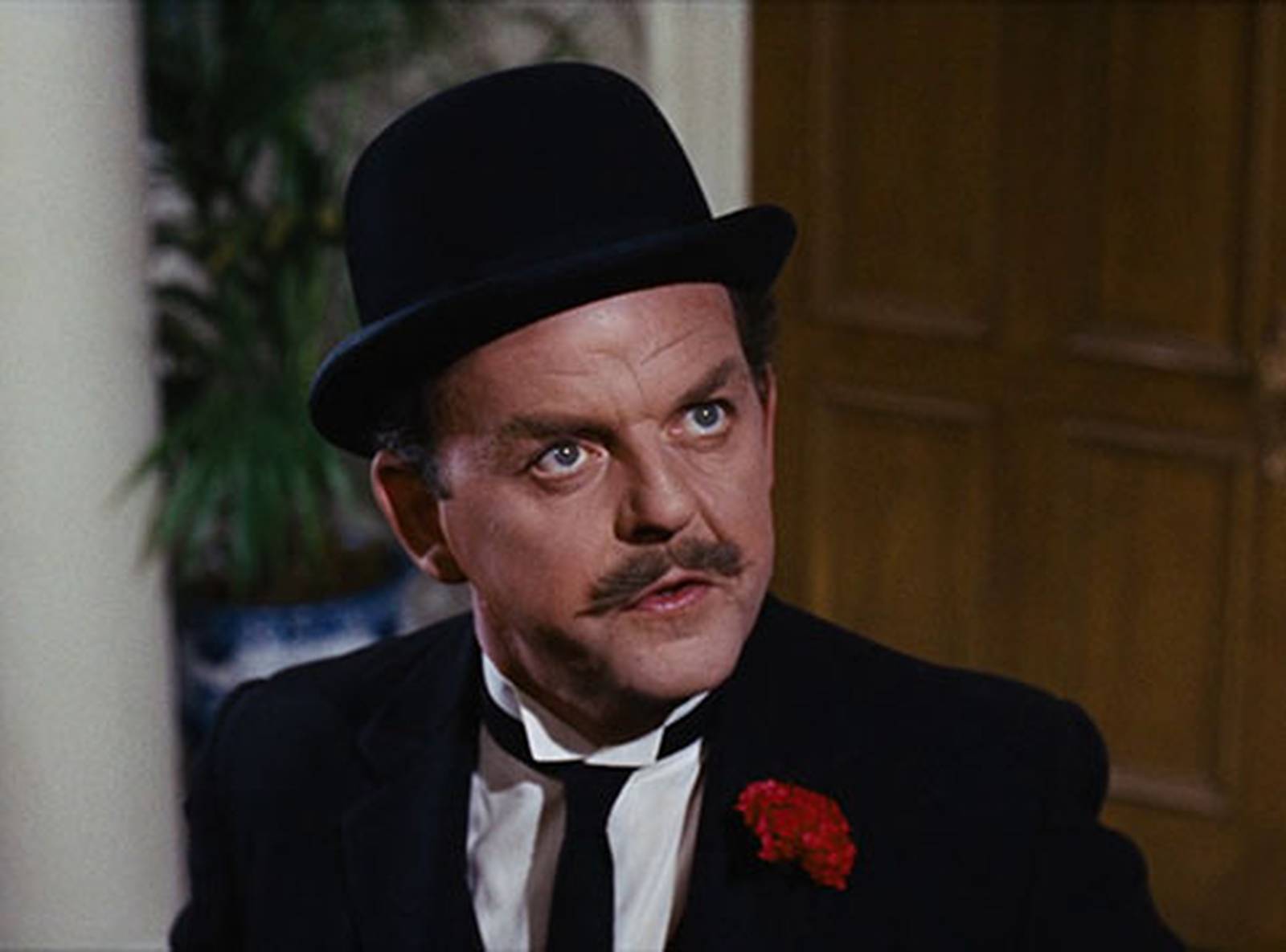
British Cinema has become famous around the world, from James Bond to Paddington. But what exactly makes a film British? This event will review a hundred years of British cinema through four themes: espionage, WWII, empire, and 'British fantasia'.

Short enough to write in a single day, flash fiction is an agile, innovative form that brings character, mood and language to the forefront. This online workshop is suitable for beginners and experienced writers.

Life writing – whether memoir, biography, literary non-fiction, eye-witness accounts, blogs (the list goes on) – can be very powerful when told with brevity. Short-form writing is an end in itself; it also helps us focus on our writerly craft.
Life writing – whether memoir, biography, literary non-fiction, eye-witness accounts, blogs (the list goes on) – can be very powerful when told with brevity. Short-form writing is an end in itself; it also helps us focus on our writerly craft.

A weekend exploring novel and short-story writing: genre, character development, research, plot development, scene-setting, metaphor, narrative voice, first-draft completion. A fun, interactive event for writers with some previous experience.
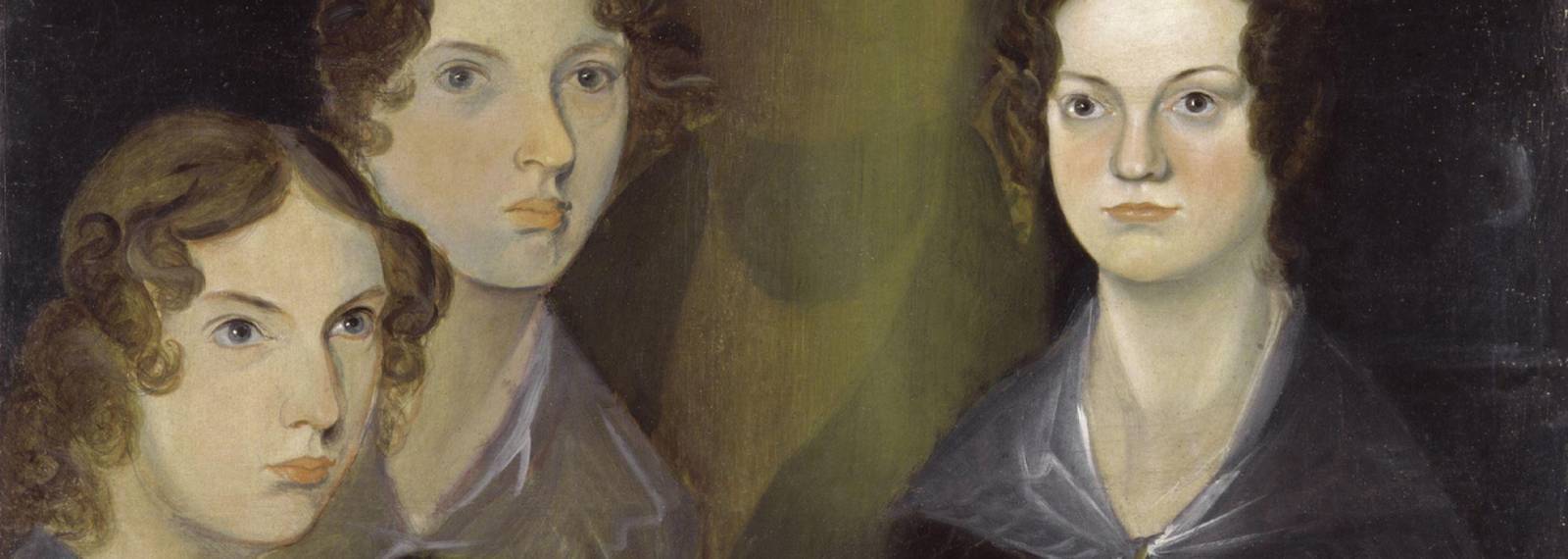
This lecture series will explore the lives and works of Anne, Charlotte, and Emily Brontë, examining how their remarkable imaginations produced six original, complex, and ground-breaking novels despite their confined lives.
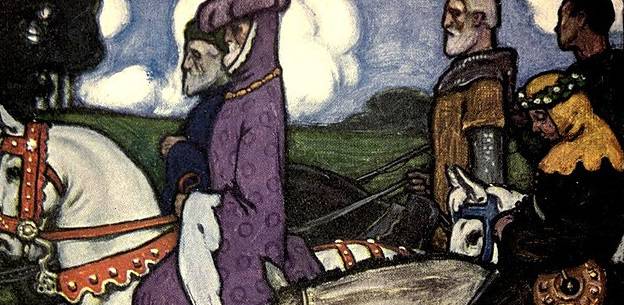
Chaucer's 'Canterbury Tales' have enjoyed a long and continuing life. Looking at the collection in its late fourteenth-century context and then at its afterlife and continuing significance, we can explore readership, reinterpretation and regeneration.

A beginners' course introducing a range of concepts for those with an interest in cinema but with little/no experience of film analysis or critical film theory. Classes will be focused around 'Memento', 'You Were Never Really Here' and 'Mulholland Drive'.
Have you ever wondered why people study poetry? Have you ever read a poem and thought, 'Is there a way I should be reading this?' Have you ever been intimidated by poetry? If the answer is 'yes' to any of these questions, then this course is for you.
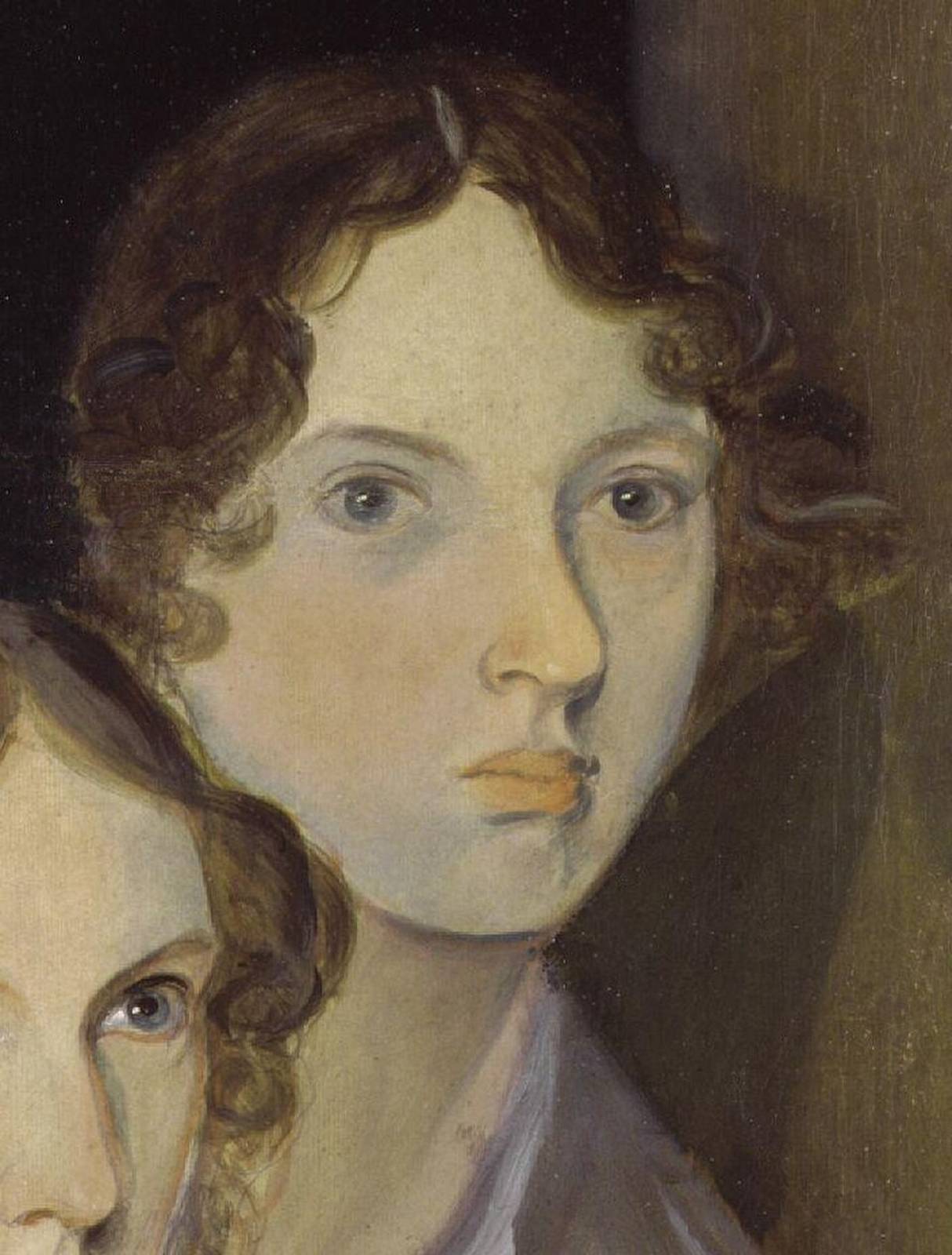
Huge changes occurred in 19th-century fiction – new subjects, new literary techniques. Here we shall explain and explore them. Authors include Jane Austen, Charles Dickens, Emily Brontë, Herman Melville, Gustave Flaubert and Charlotte Perkins Gilman.
Sign up to stay informed