
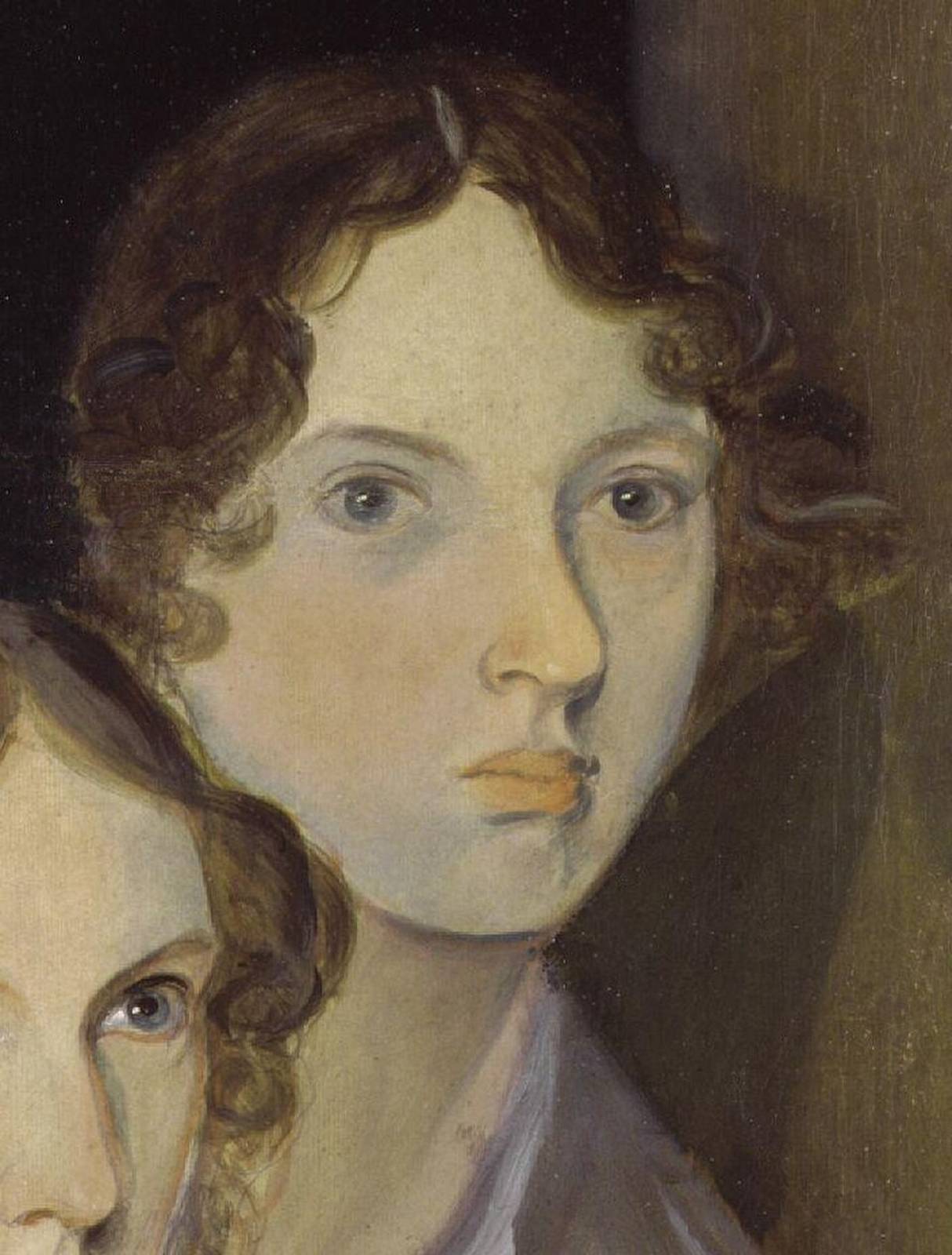
Short course
Pioneering Fiction of the Nineteenth Century

Course status:
Applications being accepted


Dates and time:
21/01/2027 - 25/03/202710:30 - 12:30

Study format:
In-person weekly

Fees:
£315.00
Huge changes took place in the nineteenth century – industrialisation, urbanisation, the extension of the franchise. Also occurring were new developments in its popular art form – fiction. This course will locate some literary landmarks – trail-blazing transformations in subject and literary method.
Starting with Jane Austen’s Emma, perhaps the subtlest exemplar of the narrative technique of free indirect discourse, we’ll move to Dickens’s Oliver Twist, the earliest novel by a major author with a child as its central character. To follow will be shorter works (by Herman Melville, Gustave Flaubert, and Charlotte Perkins Gilman) that combined radical thinking (on gender, ethnicity, human worth) with generic innovation. The same was true of Emily Brontë's Wuthering Heights. Initially seen as coarse and crude both morally and in plot construction, it’s now acknowledged as a masterpiece. Our final text, the Grossmith brothers’ highly entertaining Diary of a Nobody, pioneered a genre popular today, the comic diary, while satirising a new social phenomenon – precariously genteel suburban life. Join us to discover what was fresh and exciting in nineteenth-century fiction.
Book this course
Book your place online using the button below.
Course starts Thursday 21 January 2027
This is an in-person course which requires your attendance at the weekly meetings in Oxford on Thursdays, 10.30am-12.30pm.
Week 1: Introduction: Jane Austen, Emma (1815)
Week 2: Jane Austen, Emma (1815)
Week 3: Charles Dickens, Oliver Twist (1838)
Week 4: Charles Dickens, Oliver Twist (1838)
Week 5: Herman Melville, Benito Cerino (1855)
Week 6: Gustave Flaubert, A Simple Heart (Un Coeur Simple, 1877)
Week 7: Emily Brontë, Wuthering Heights (1847)
Week 8: Emily Brontë, Wuthering Heights (1847)
Week 9: Charlotte Perkins Gilman, ‘The Yellow Wallpaper’ (1891) / Herman Melville, ‘Bartleby, the Scrivener’ (1853)
Week 10: George and Weedon Grossmith, The Diary of a Nobody (1892)
Course aims
This course aims to enable participants to develop an understanding of pioneering nineteenth-century fiction and to explore the literary innovations that transformed the novel and short story during the period.
Course Objectives
By the end of the course, participants will have been given the opportunity to:
- explore a selection of nineteenth-century novels and short stories that introduced significant changes in subject matter and literary technique
- examine these works through a range of critical approaches, including literary, historical, ideological and biographical perspectives
- develop skills in the close analysis of literary texts, with particular attention to metaphor, characterisation and narrative strategy
Learning outcomes
By the end of the course students will be expected to:
1. give an account of the main features of the content and form of the literary works studied.
2. demonstrate awareness of the relevant contexts of the works, whether literary, historical, ideological or biographical
3. undertake literary analysis of novels and short stories by discussing features such as narrative technique, characterisation, irony and the use of figurative language.
Level and demands
The Department’s Weekly Classes are taught at FHEQ Level 4, ie first year undergraduate level, and you will be expected to engage in a significant amount of private study in preparation for the classes. This may take the form, for instance, of reading and analysing set texts, responding to questions or tasks, or preparing work to present in class.
Teaching methods
Presentation/exposition by the tutor.
Guided class discussion.
Short class presentations by individual students (approx. 10 minutes).
Whole group practical criticism in class of poems and / or prose extracts.
Feedback from smaller student groups on questions and topics set earlier by the tutor
Group discussion of scenes from film versions on DVD or YouTube of some of the set texts.
Assessment methods
Only those students who have registered for assessment and accreditation, in advance of the course start date, can submit coursework/assignments for assessment.
Assessment
You will be set two pieces of work for the course. The first of 500 words is due halfway through your course. This does not count towards your final outcome but preparing for it, and the feedback you are given, will help you prepare for your assessed piece of work of 1,500 words due at the end of the course. The assessed work is marked pass or fail.
Dr David Grylls
Dr David Grylls, Emeritus Fellow of Kellogg College, Oxford, was formerly Director of Studies in English Literature and Creative Writing at Oxford University Department for Continuing Education. His publications include books on Charles Dickens, George Gissing and Victorian parent-child relationships, as well as numerous academic articles and reviews for the Sunday Times. He has lectured widely in the USA as well as Britain, and also in France, Sweden, Italy, Greece and Gibraltar.
Academic credit
Credit Accumulation Transfer Scheme (CATS Points)
Please note, students who do not register for assessment and accreditation during the enrolment process will not be able to do so after the course has begun. If you wish to gain credit from completing this course you must register to do so before the course starts.
Only those who have registered for assessment and accreditation will be awarded CATS points for completing work to the required standard. Please note that assignments are not graded but are marked either pass or fail.
Learn more about the Credit Accumulation Transfer Scheme.
If you are enrolled on the Certificate of Higher Education at the Department you need to indicate this on the enrolment form but there is no additional registration fee for assessment and accreditation.
Digital certificate of completion
Students who are registered for assessment and accreditation and pass their final assignment will also be eligible for a digital Certificate of Completion. Information on how to access the digital certificate will be emailed to you after the end of the course. The certificate will show your name, the course title and the dates of the course attended. You will be able to download the certificate and share it on social media if you choose to do so.
Fees
| Description | Costs |
|---|---|
| Course fee (with no assessment) | £315.00 |
| Assessment and Accreditation fee | £60.00 |
Funding
If you are in receipt of a UK state benefit, or are a care-leaver in the UK, you may be eligible for a reduction of 50% of tuition fees. Please see the below link for full details:
Concessionary fees for short courses
Recommended reading
Recommended reading is optional and you are not required to purchase these books to study this course.
Library facilities
All weekly class students may become borrowing members of the Rewley House Library, part of the Bodleian Libraries, for the duration of their course. Prospective students whose courses have not yet started are also welcome to use the Library for reference.
- More information about the Library can be found on the Bodleian Libraries website.
- This guide for Weekly Class students also provides further information.
Preparatory reading
- The Cambridge Companion To The Victorian Novel / David, Deirdre (ed.)
- Jane Austen: Emma / Lodge, David (ed.)
- A Companion to Charles Dickens / Paroissien, David (ed.)
- New Casebooks: Wuthering Heights / Stoneman, Patsy (ed.)
Module code: O26P457LTW
How to enrol
Please use the ‘Book now’ button on this page.
How to register for accreditation and assessment
To be able to submit coursework and to earn credit (CATS points) for this course, if you wish to do so, you will need to register and pay an additional £60 fee. You can do this by ticking the relevant box at the bottom of the enrolment form or when enrolling online.
Students who do not register for CATS points during the enrolment process will not be able to do so after the course has begun.
If you are enrolled on the Certificate of Higher Education at the Department you need to indicate this on the enrolment form but there is no additional registration fee.