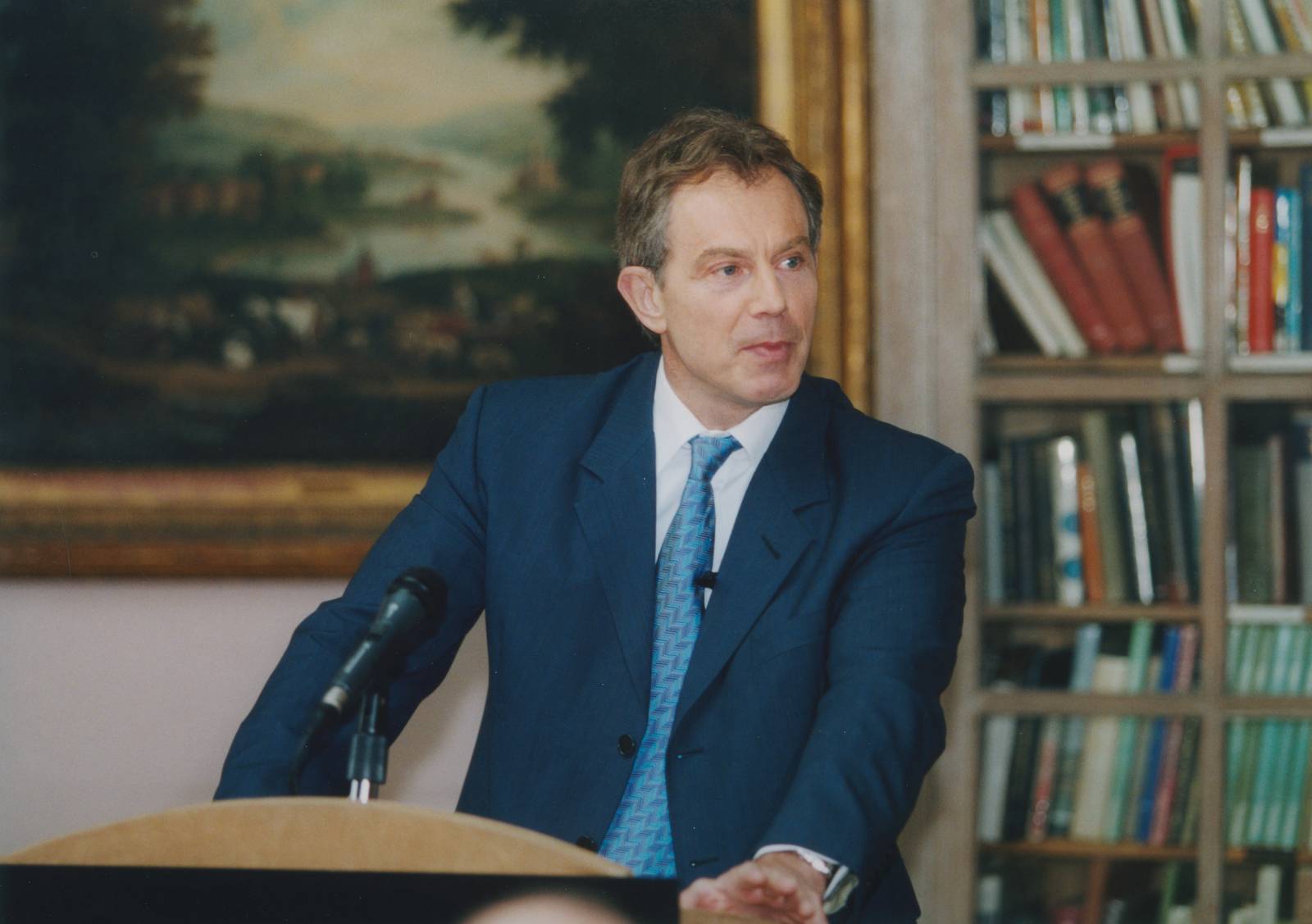
This lecture addresses Blair’s humanitarian intervention doctrine, from Kosovo to Iraq, questioning his alignment with Bush, dismissal of European opposition, and whether flawed WMD claims led Britain into a war that damaged his career.
Filter by:
Filters
Start month
Day of the week
Time of day
This lecture addresses Blair’s humanitarian intervention doctrine, from Kosovo to Iraq, questioning his alignment with Bush, dismissal of European opposition, and whether flawed WMD claims led Britain into a war that damaged his career.
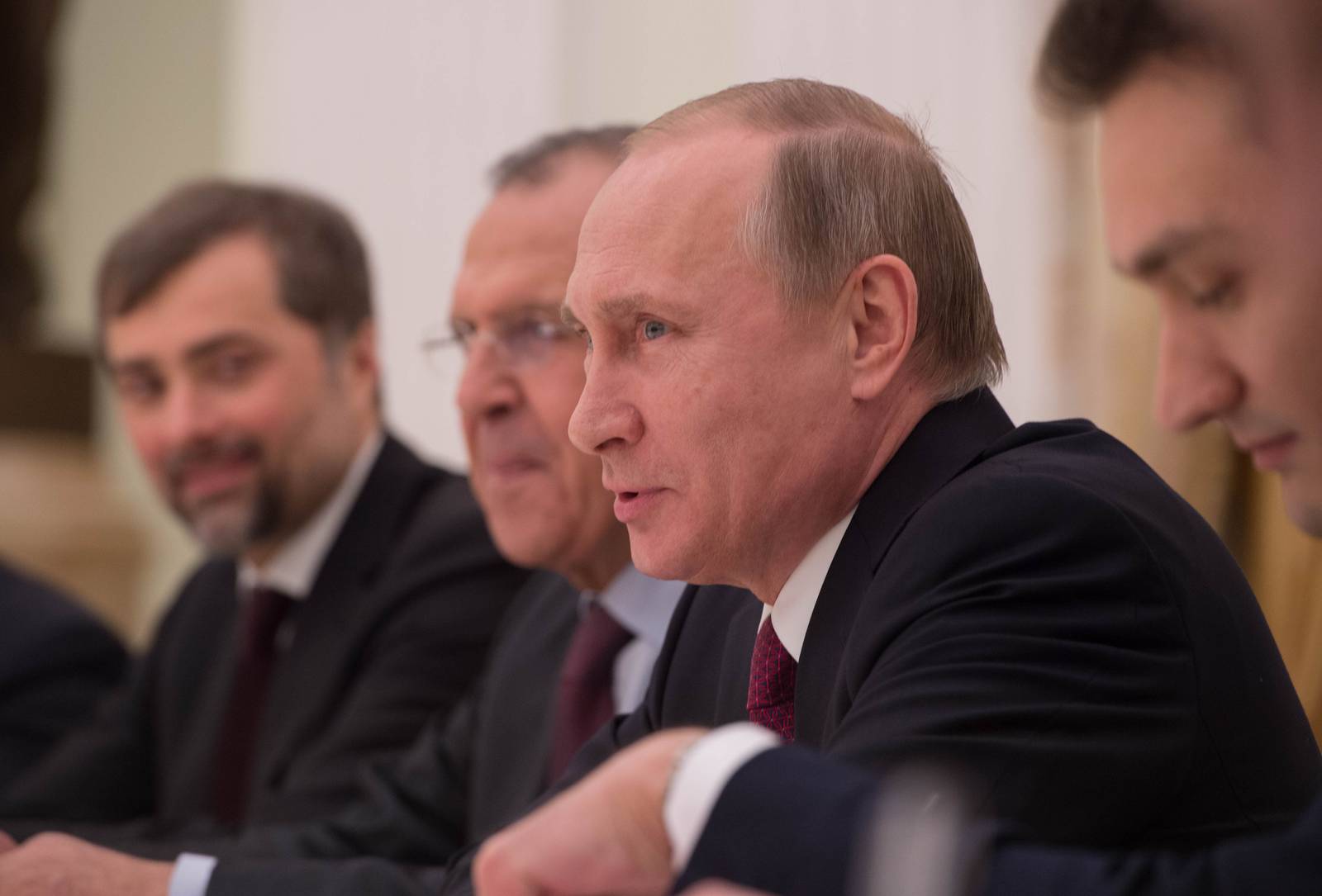
This lecture will examine the transformation of Russian power under Putin, exploring how military rebuilding, strategic alliances, and conflicts in Crimea and Ukraine reshaped Russia’s global influence after the Cold War.
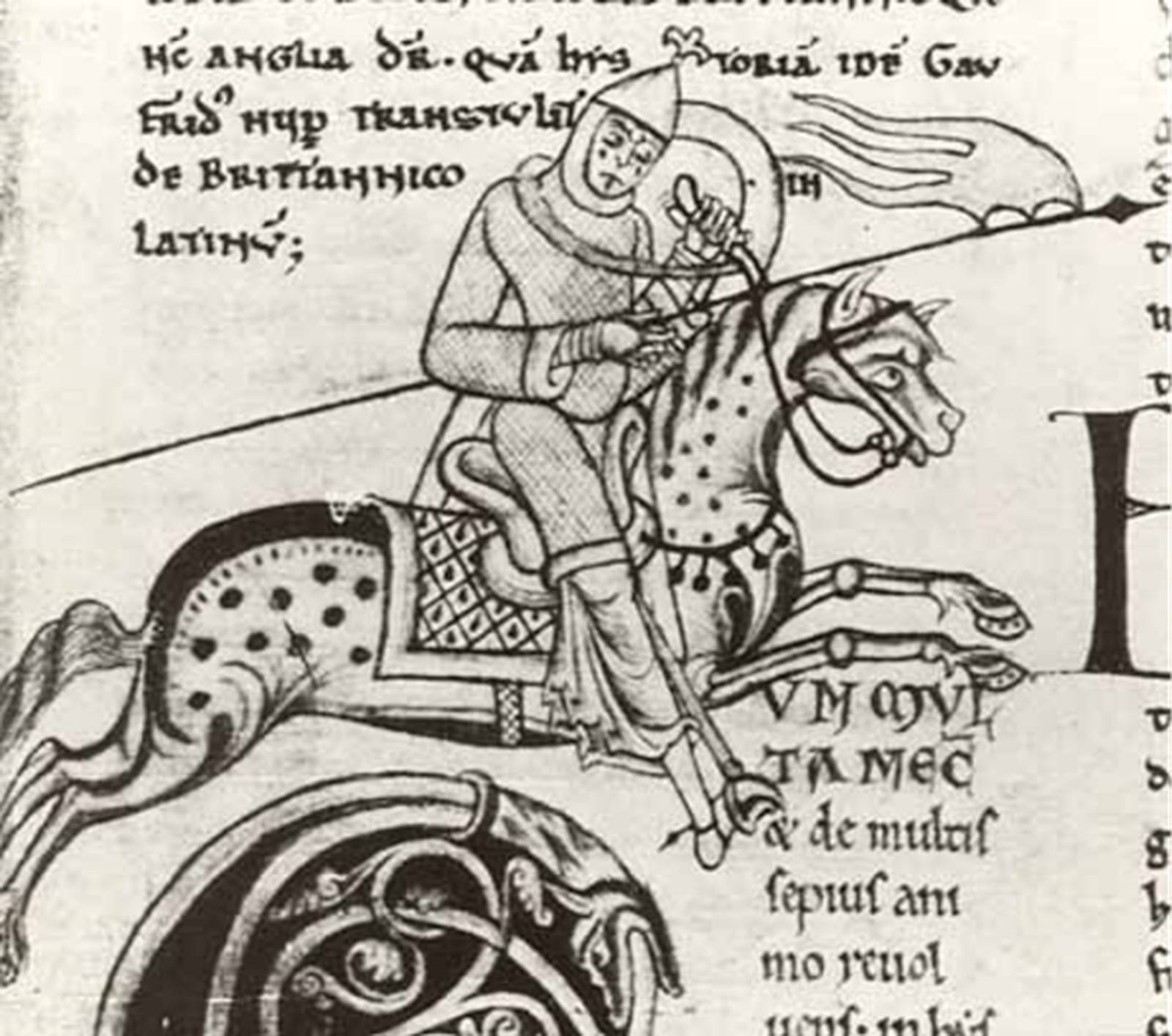
Explore the Anarchy (1139 to 1153AD), when royal power waned and barons reshaped England. Discover siege castles, ruined landscapes, and the archaeological legacy of this turbulent and often misunderstood era.

Discover Alexander the Great, unparalleled in his capacity to captivate the collective imagination, serving not only as an exemplar for world rulers, but also as a popular figure in various works of art and literature with this in-person day event.
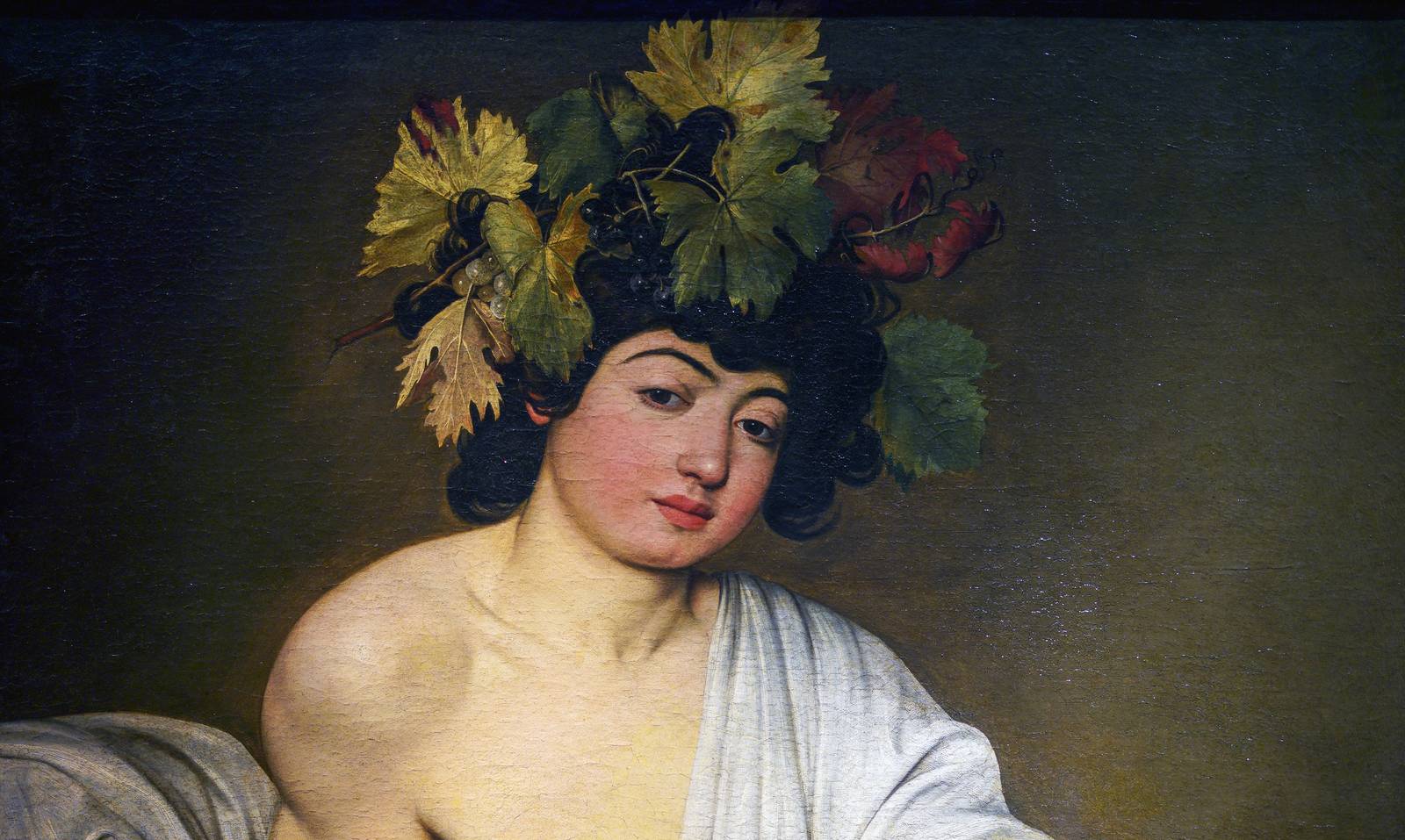
From feasting gods to sacred liturgy, discover how wine became a powerful symbol in Renaissance and Baroque art, revealing stories of celebration, excess, faith, and everyday life.

This course examines the rise and fall of the British Empire and its manifold legacies in Britain and beyond.
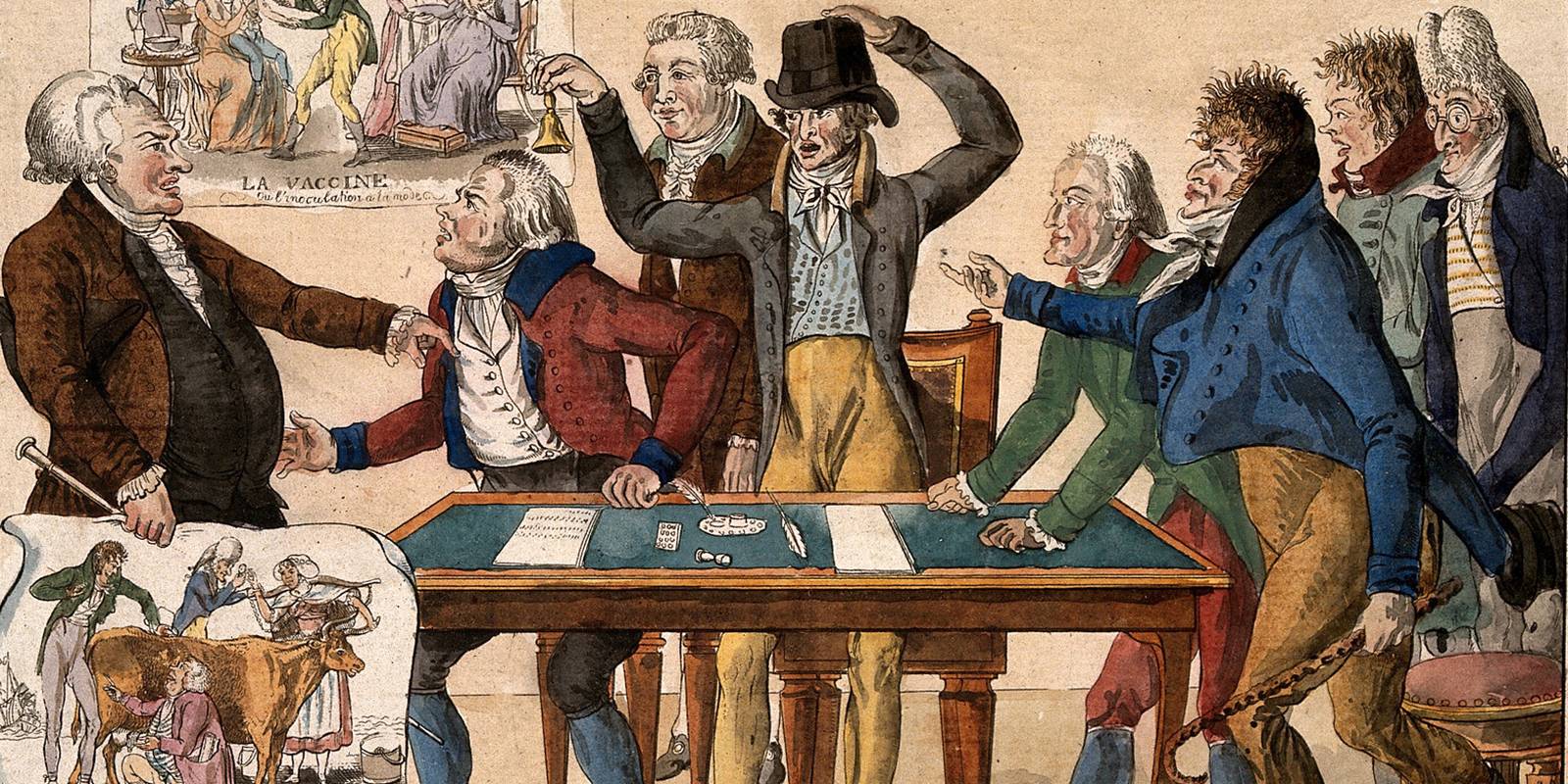
Using a variety of examples drawn from global history, this course explores controversies in the history of medicine and the way in which they have impacted on practitioners, patients and wider communities.
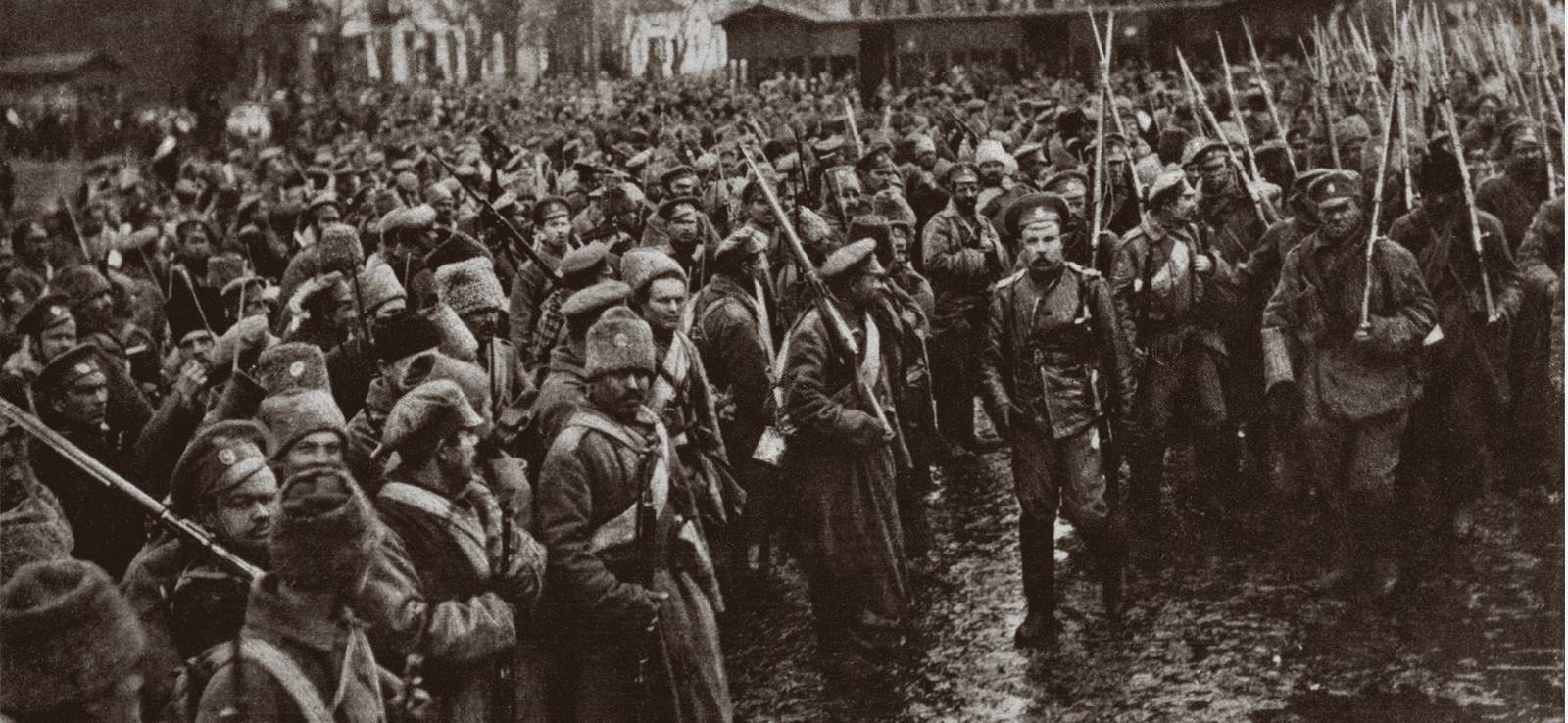
The Second World War’s origins lay in the economic and political instability which dominated the years after 1919. During this short online course, explore and analyse how such a terrible conflict could have started.
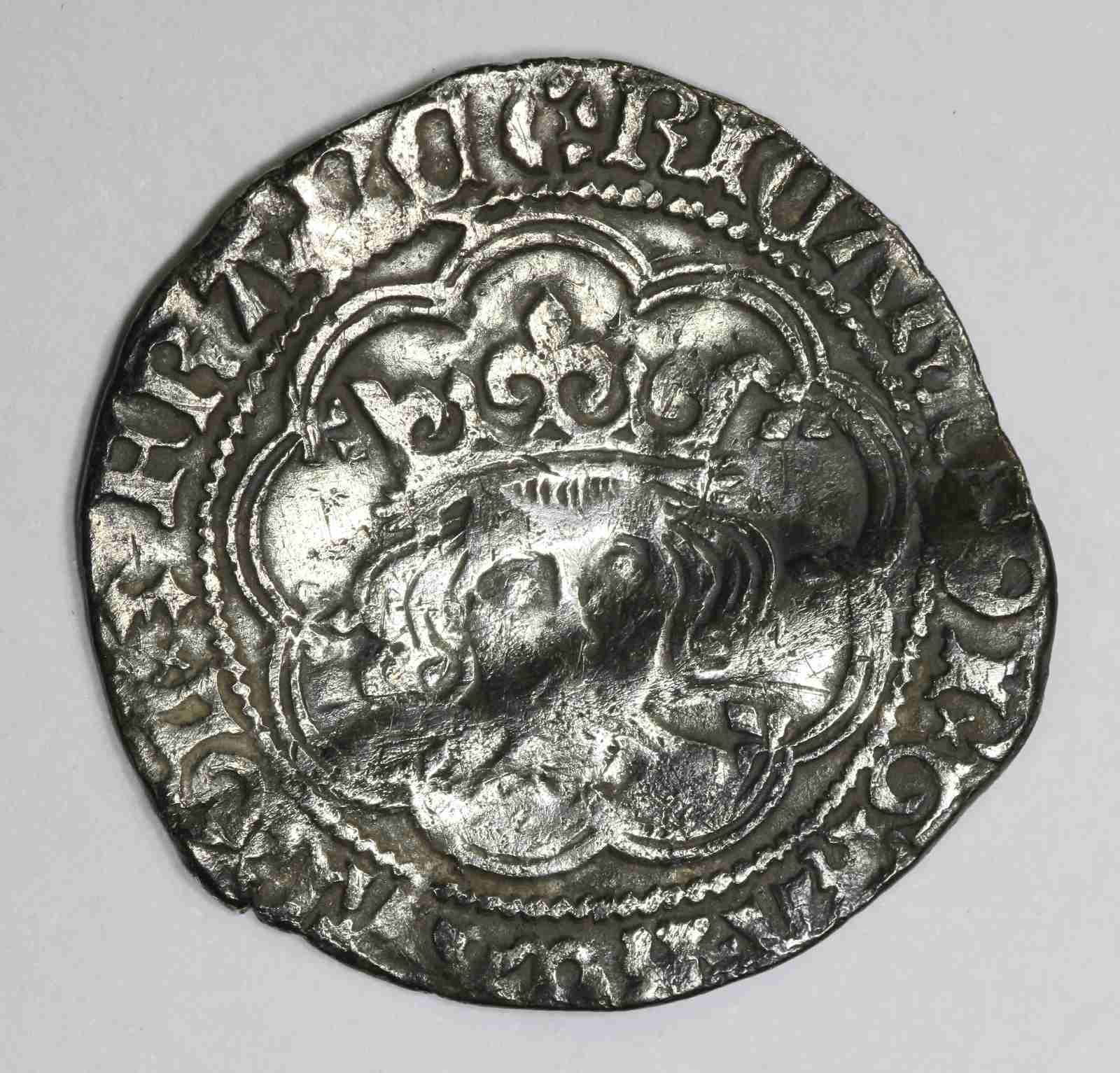
The recent discovery of Richard III's remains in Leicester highlights the dynamic new research being conducted into the period known as the Wars of the Roses. This course asks students to engage with the latest work on this exciting and tumultuous period.
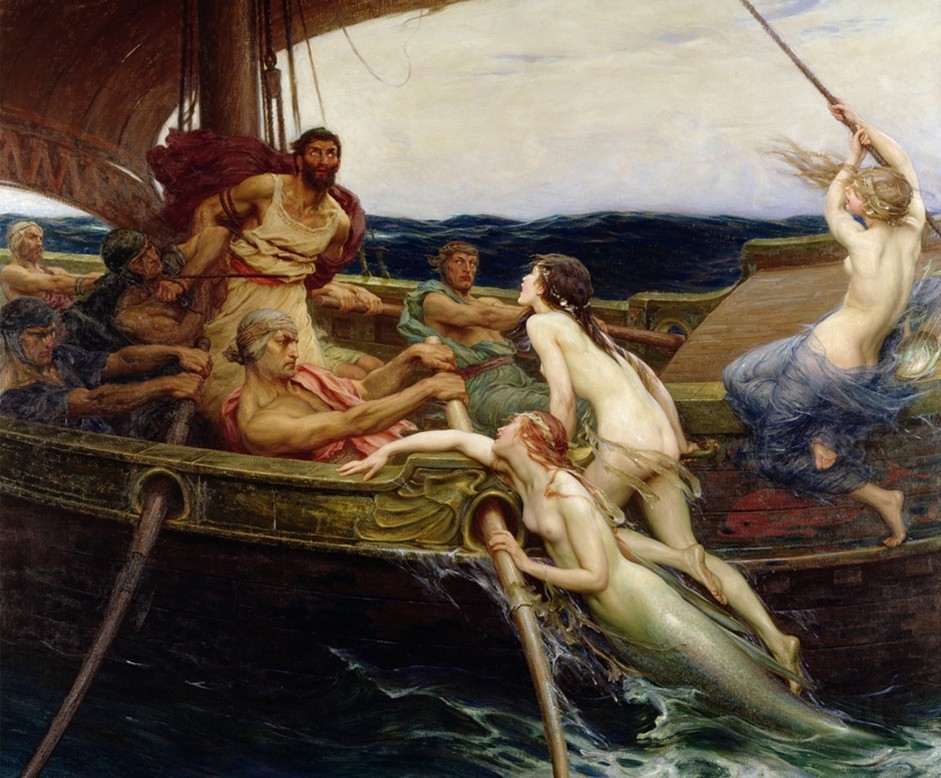
Exploring the background, themes and legacy of one of the most foundational pieces of Western literature, this course examines the Odyssey as oral poetry shaped by the Greek Bronze and Dark Ages.
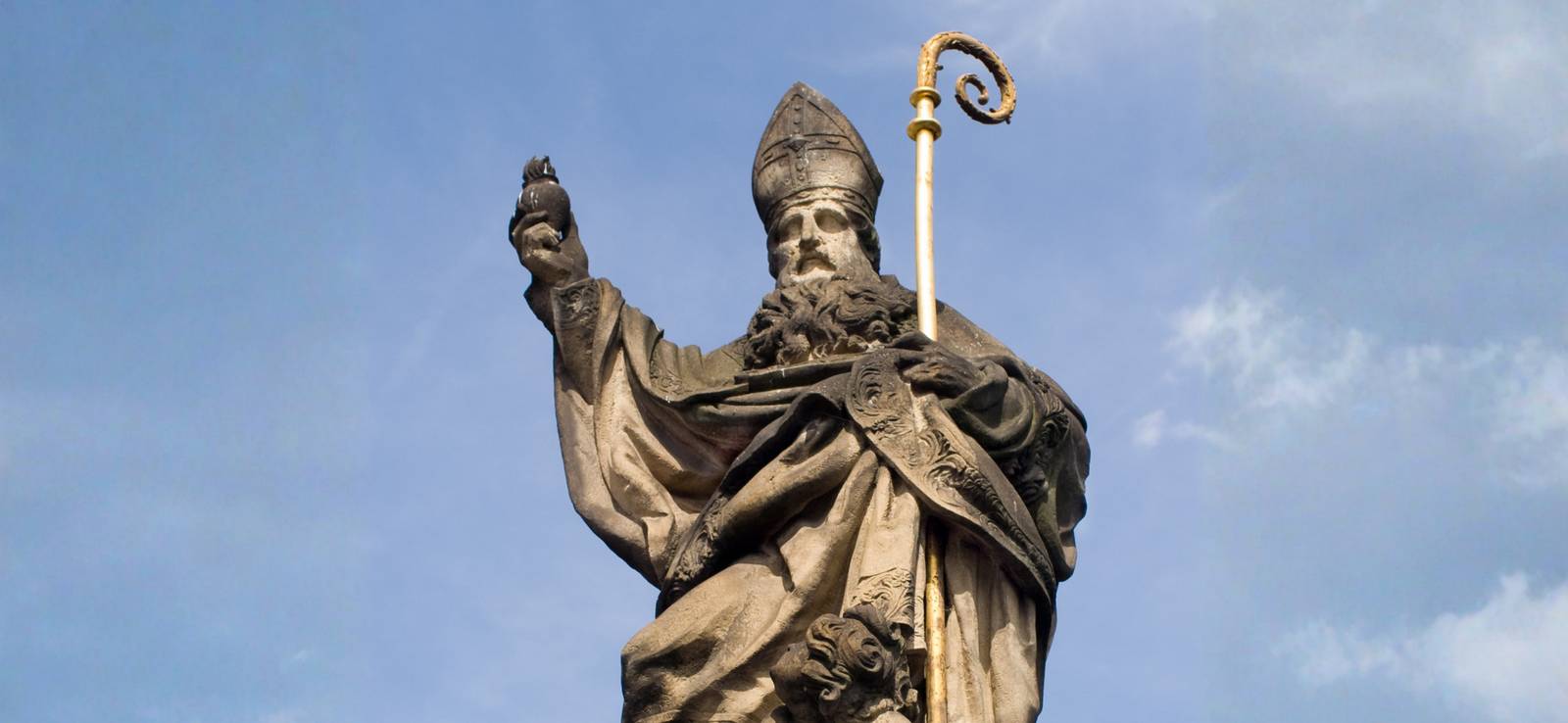
Augustine, the famous 5th-century North African bishop: profound philosopher, brilliant writer and preacher, fierce debater. Together we will read a wide selection of his works, including some transcripts of his sermons, to let him speak for himself.

What links the ground beneath our feet to our cultural heritage? How do local building variations emerge and develop? Why is traditional building practice still important? Join this course to explore the material culture of historic buildings in Britain.