
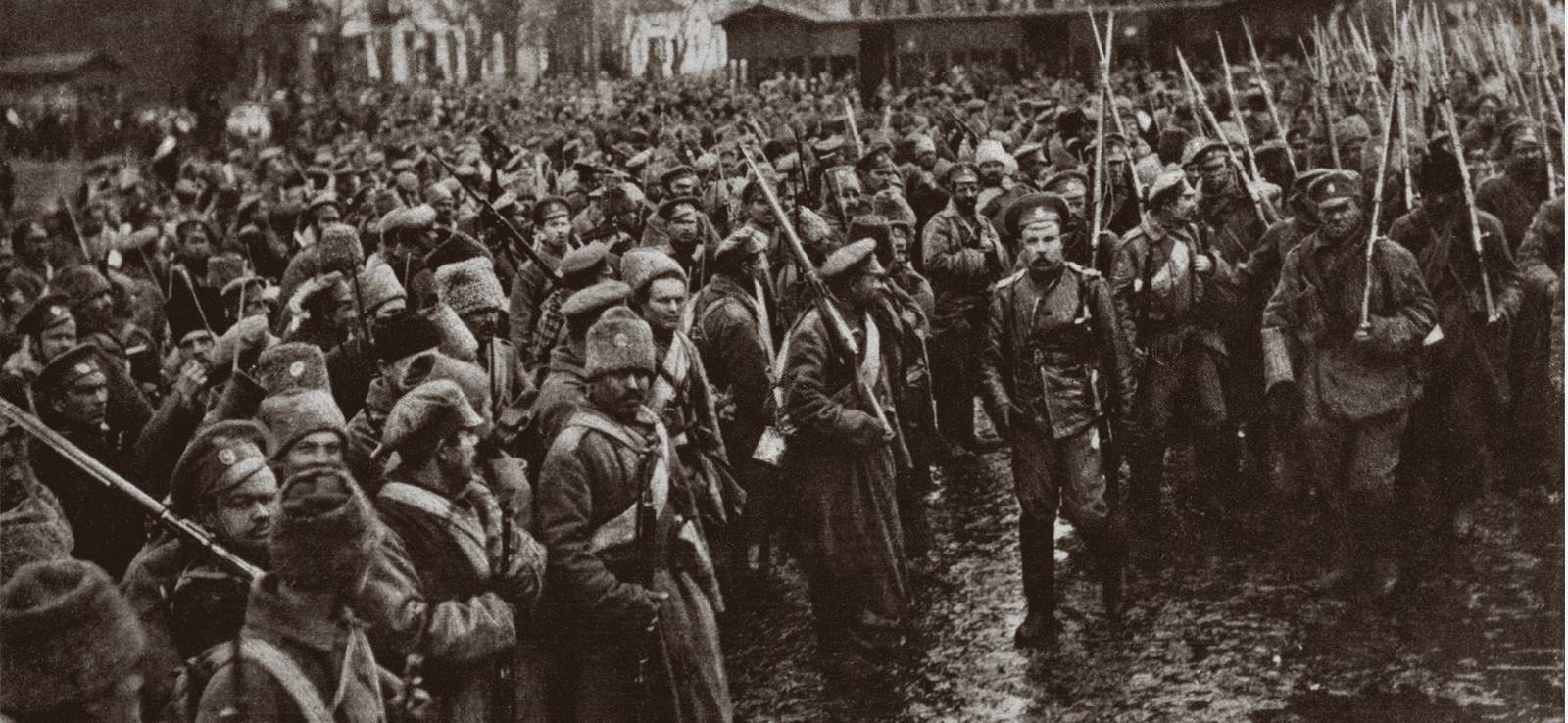
The Second World War’s origins lay in the economic and political instability which dominated the years after 1919. During this short online course, explore and analyse how such a terrible conflict could have started.
Filter by:
Filters
Start month
Day of the week
Time of day
The Second World War’s origins lay in the economic and political instability which dominated the years after 1919. During this short online course, explore and analyse how such a terrible conflict could have started.
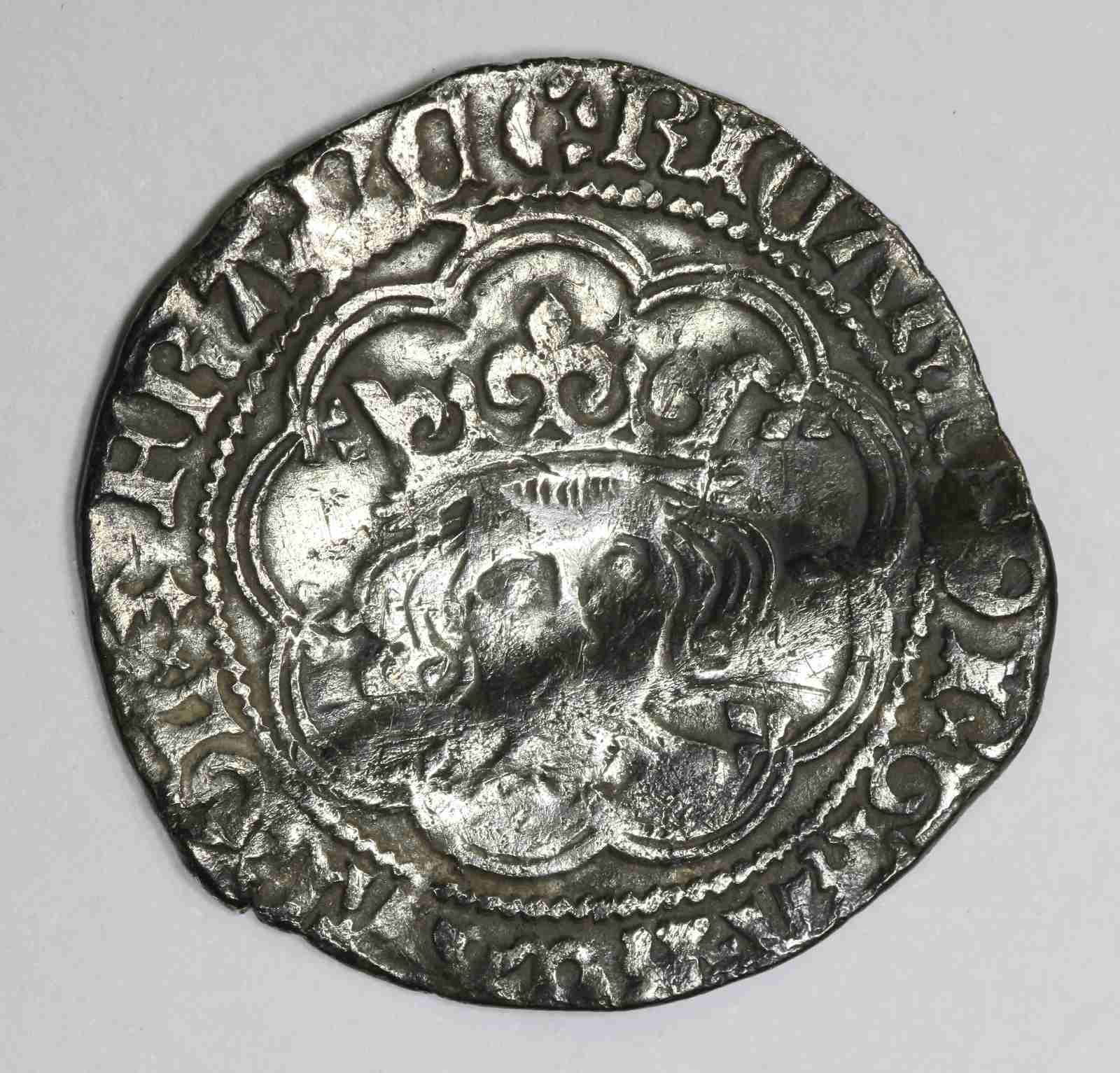
The recent discovery of Richard III's remains in Leicester highlights the dynamic new research being conducted into the period known as the Wars of the Roses. This course asks students to engage with the latest work on this exciting and tumultuous period.
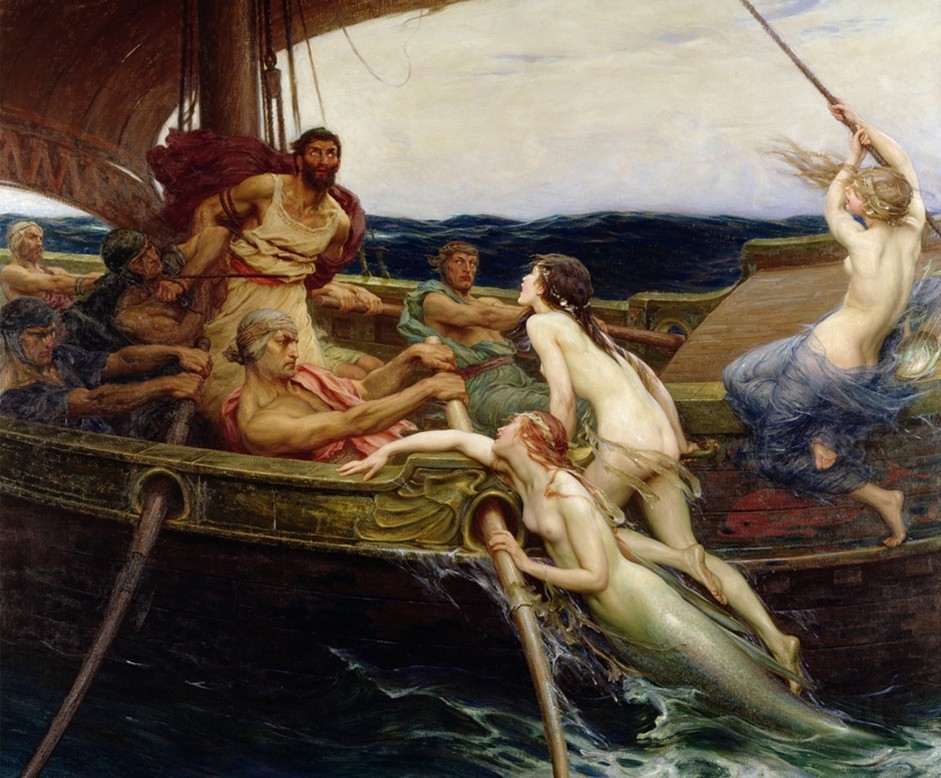
Exploring the background, themes and legacy of one of the most foundational pieces of Western literature, this course examines the Odyssey as oral poetry shaped by the Greek Bronze and Dark Ages.
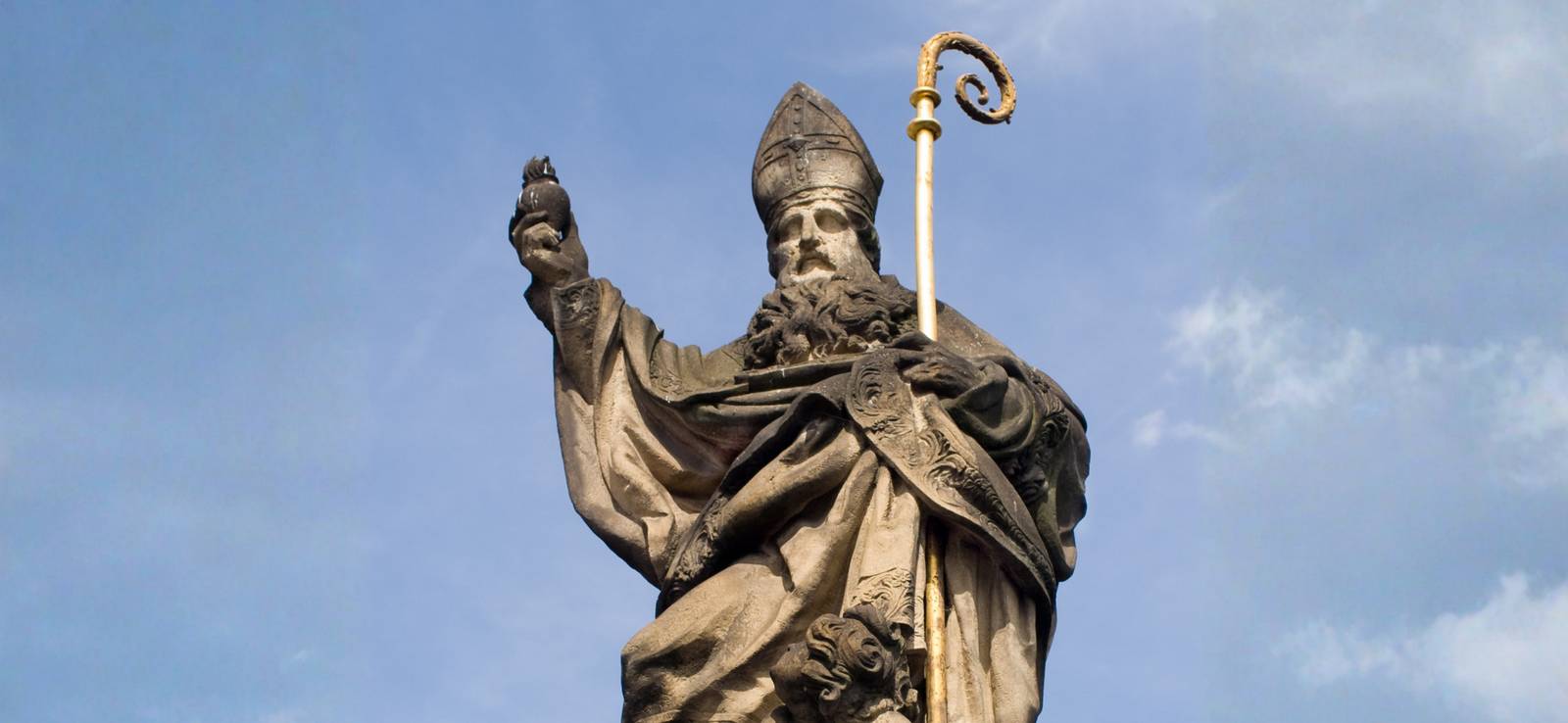
Augustine, the famous 5th-century North African bishop: profound philosopher, brilliant writer and preacher, fierce debater. Together we will read a wide selection of his works, including some transcripts of his sermons, to let him speak for himself.
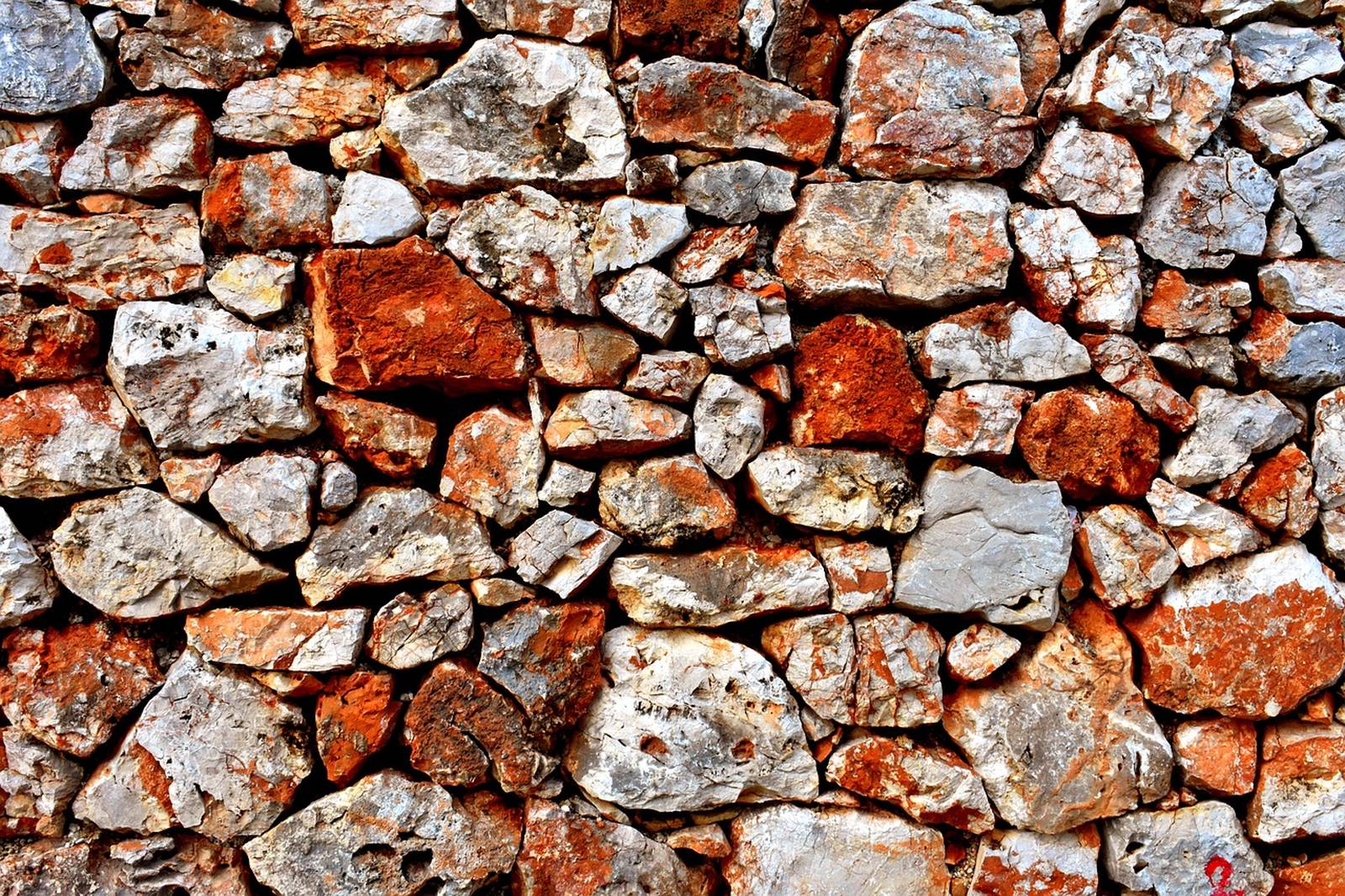
What links the ground beneath our feet to our cultural heritage? How do local building variations emerge and develop? Why is traditional building practice still important? Join this course to explore the material culture of historic buildings in Britain.

'Magic' was a wide-ranging concept that affected many aspects of medieval society. This course will consider the actual and perceived practices of magic in the medieval period and their consequences.
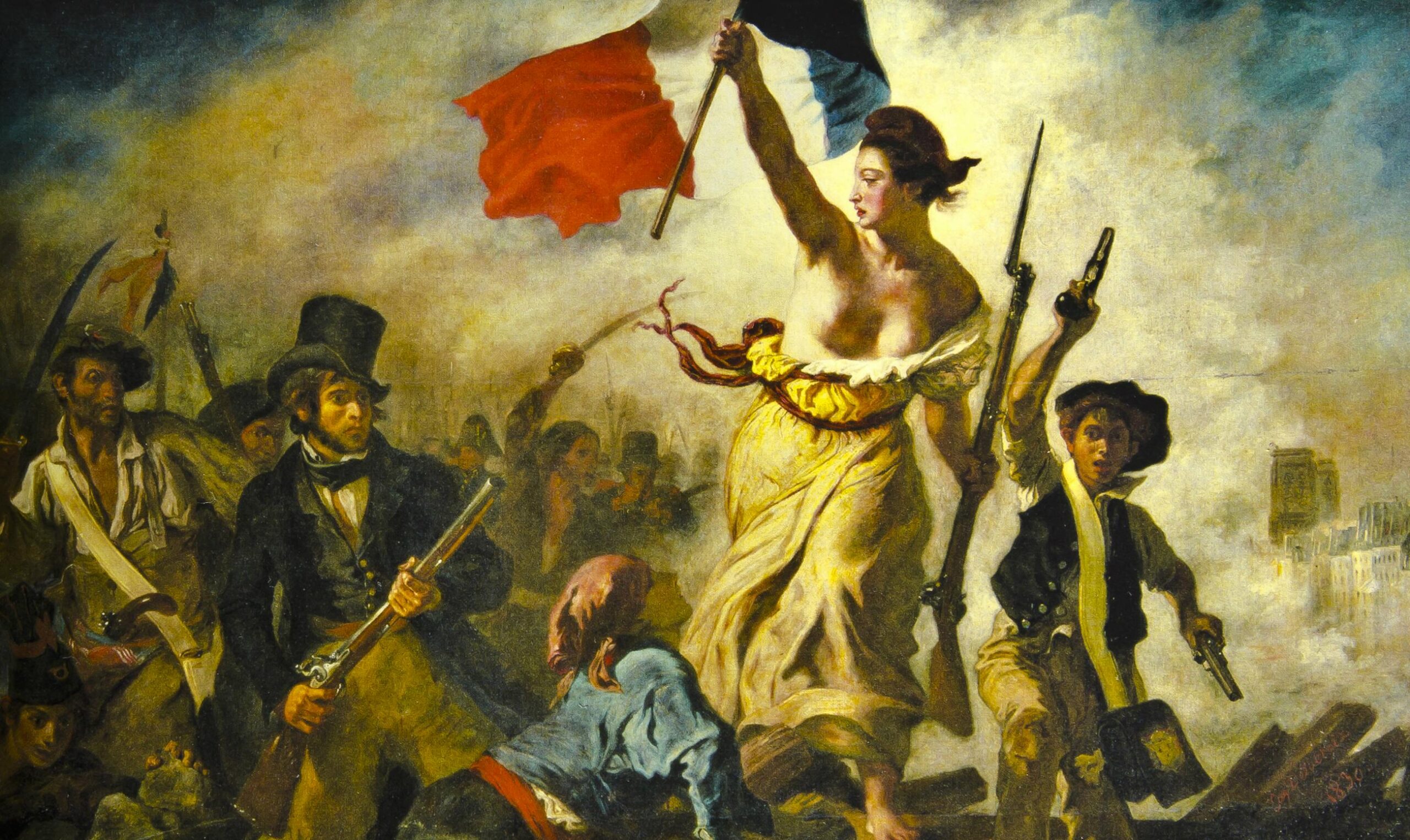
Revolution was a powerful dynamic in European politics and society from 1789 to 1848. This course will examine this tremendous era of change.
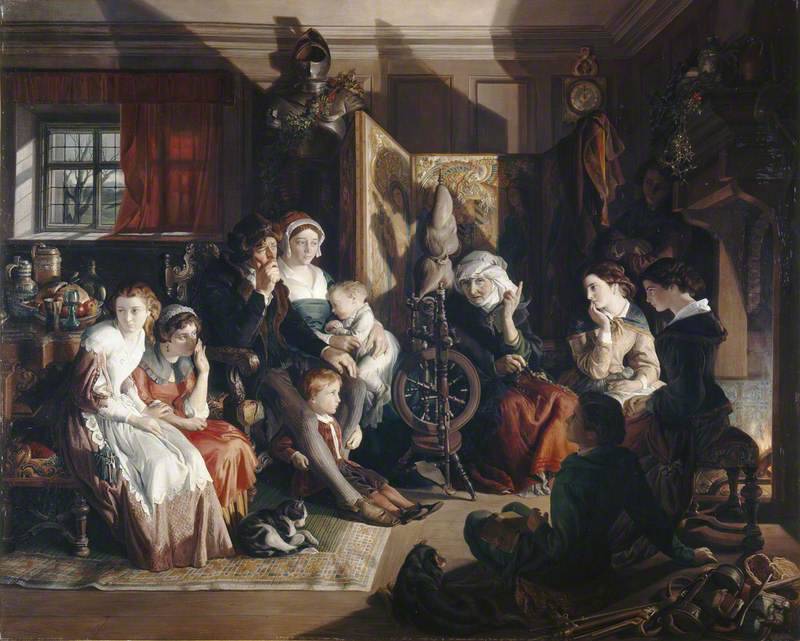
This course provides an historical introduction to the development of folklore studies in Britain. It will review historical conceptions and approaches to folklore from the seventeenth-century antiquarians to the present.
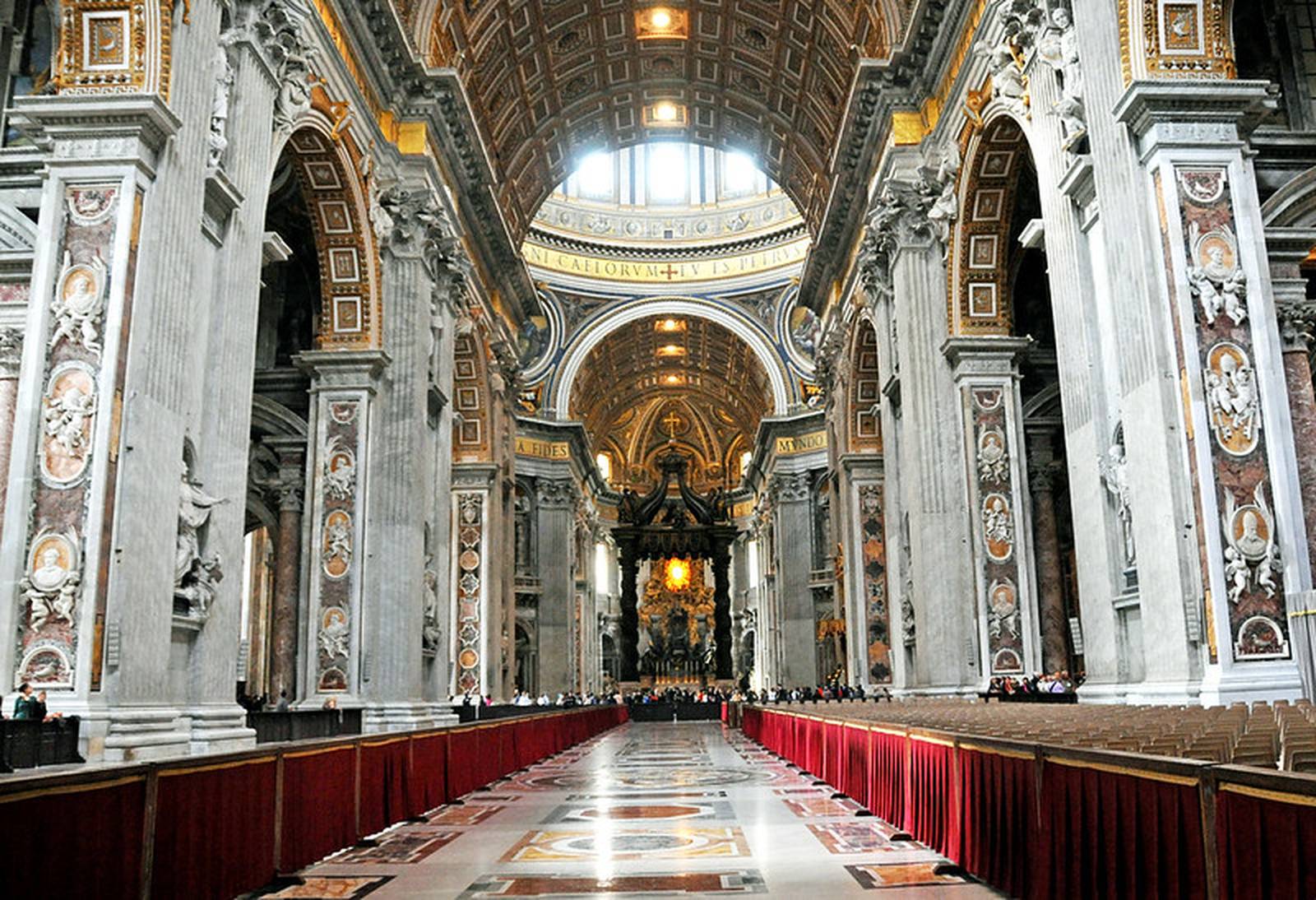
Join us to explore the rich and dazzling architecture of the Italian Renaissance in three key cities. We will investigate the differing ways in which the classical styles of the Renaissance found expression in Florence, Rome and Venice.
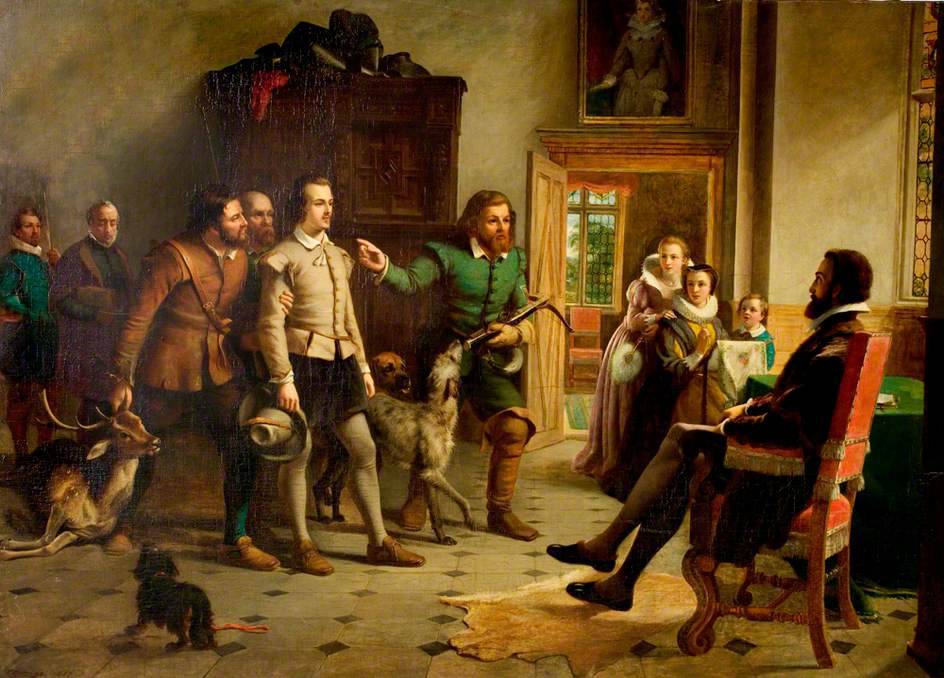
William Shakespeare's plays are world-famous. But in what kind of world did he live? Through local rivalries, feuding families, legal disputes and high politics, we investigate everyday life in Shakespeare's England.
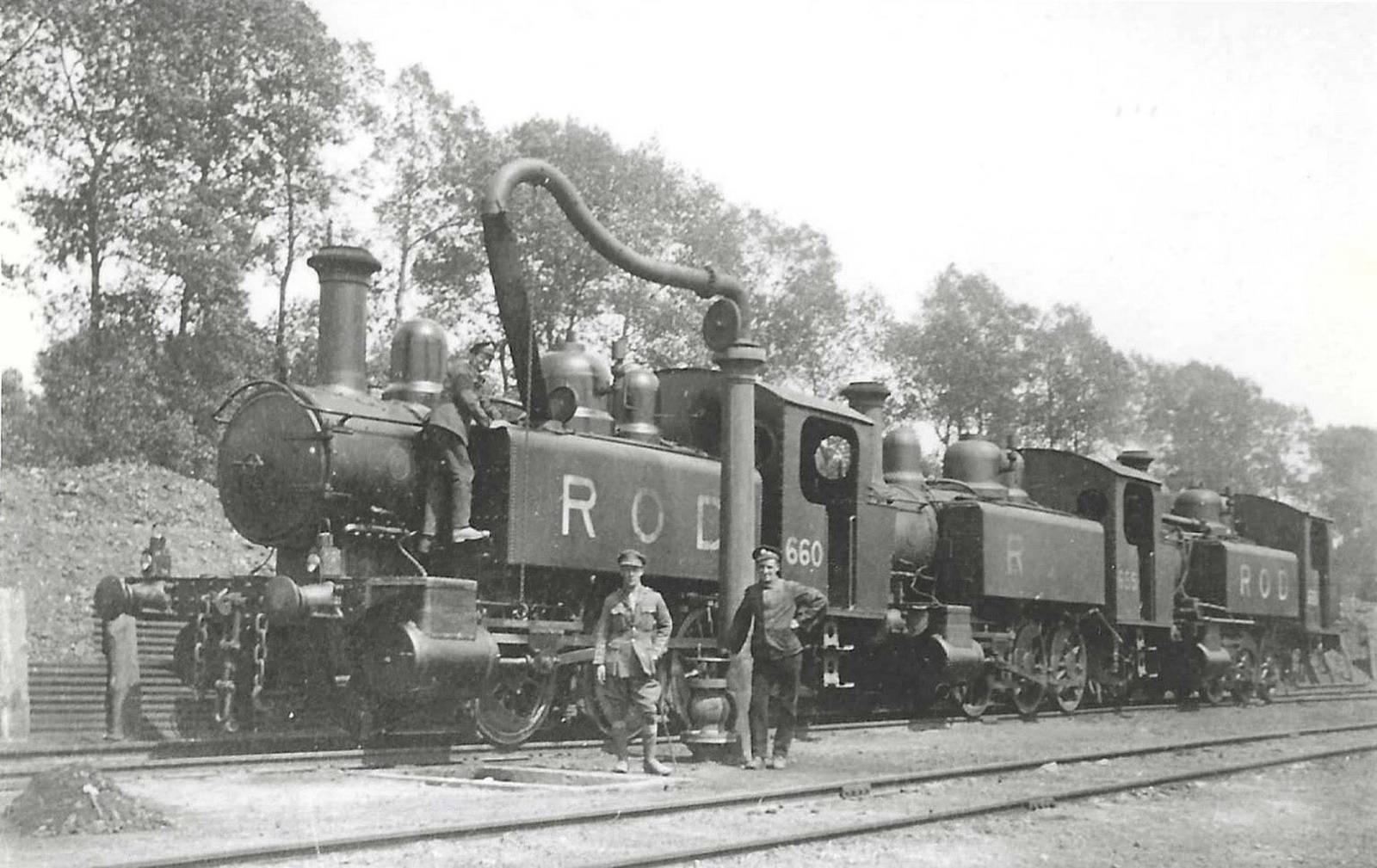
From the American Civil War to WWII, explore how railways moved armies, supplies, civilians and the wounded, shaped strategy, resisted air attack, and became essential to both battlefield success and the home front everywhere.

This course is the ideal introduction to English garden history. It provides an overview of five centuries of development, from baroque formalism through the naturalistic landscape style, right up to contemporary cutting-edge planting style.