
A seven-week online course introducing the current state of technology and addressing implications for safety, regulation and innovation. It is for professionals worldwide seeking an overview of this important subject.
Filter by:
Filters
Start month
Day of the week
Time of day
A seven-week online course introducing the current state of technology and addressing implications for safety, regulation and innovation. It is for professionals worldwide seeking an overview of this important subject.

We will start by exploring different types of volcanoes and then learn to identify igneous rocks and how magma is formed thus creating different eruption styles. The tutor will use current events with live information as well as various case studies.

An overview of pre-clinical testing and pathway from pre-clinical testing to field trials, discussions of vaccine immunogenicity, phases of vaccine testing from Phase I to IV, and the development and manufacturing of vaccines with our expert presenters.

A five-week tutor-led data analysis course taken entirely online. The course introduces you to the use of QED Statistics and R software.

Explore time travel and wormholes in this one-day course, where relativity meets imagination. Unpack paradoxes, spacetime warping, and cutting-edge theories linking quantum physics to the universe’s most mind-bending possibilities.

Explore rocks and fossils closely to gain information on past environments. Discover the ancient world with this hands-on course, suitable for all (geologists to beginners) as helpful handouts will guide you through a fascinating insight to the past.

Unravel the Black Hole Information Paradox in just one day. Explore event horizons, Hawking radiation, and the clash of quantum mechanics with relativity. Dive into cutting-edge theories and one of physics’ deepest cosmic mysteries.

Part-time over five weeks, this tutor-led training course can be taken from anywhere in the world. It will appeal to students and practitioners who want to improve their ability to conduct mammal and reptile surveys.

Why do animals behave the way they do? In this course we will look at the full range of behaviours found in the animal kingdom, from simple escape behaviours to complex tool use and their evolution.

A ten-week course taken entirely online. It explains the mathematical foundations for nanoscale phenomena, as well as their effects and applications including quantum dots, nanotubes and fullerenes.

Biodiversity loss is evident no matter where we live. To reverse the current decline, we need to understand how individual species interact with their environment, while also appreciating the practical strategies to monitor and conserve species.
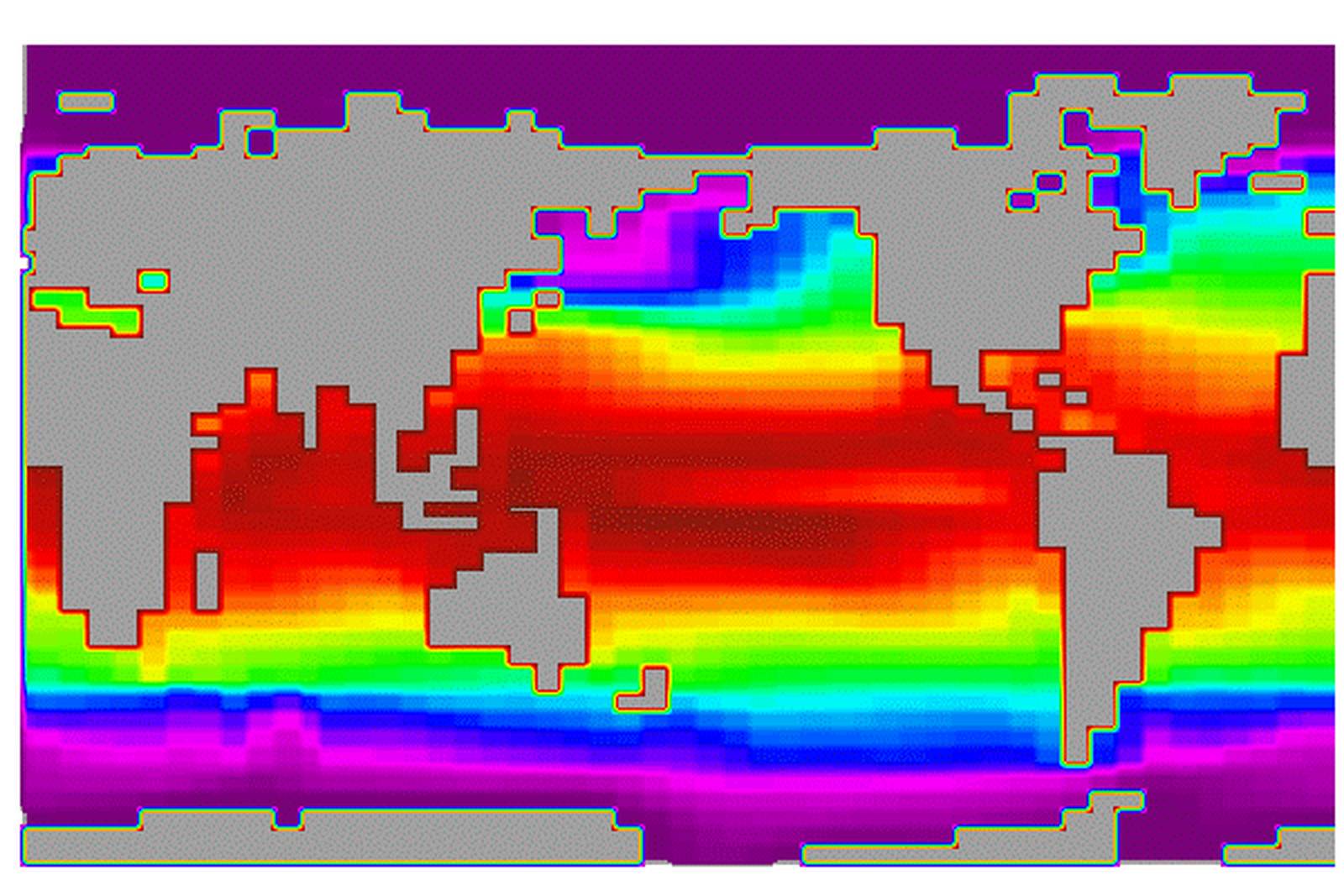
This course will take you on a journey through time, visiting climates during Earth's history. It will explain how the past can connect to the future. When we reach the dawn of humanity, we will look at the interaction between climate and us.