
Why do animals behave the way they do? In this course we will look at the full range of behaviours found in the animal kingdom, from simple escape behaviours to complex tool use and their evolution.
Filter by:
Filters
Start month
Day of the week
Time of day
Why do animals behave the way they do? In this course we will look at the full range of behaviours found in the animal kingdom, from simple escape behaviours to complex tool use and their evolution.

Investigate the power of maps and spatial data to document and illustrate local and global issues. Learn how to use Geographic Information Systems (GIS) to explore the world around you and share ideas.

How old is the universe? How unusual is the Solar System? How will it all end? Oxford astronomers Chris Lintott and Robert Simpson provide an overview of the last 13.7 billion years of cosmic evolution, answering these questions and more.

Part-time over five weeks, this tutor-led online training course can be taken from anywhere in the world. It will appeal to students and practitioners who want to improve their ability to conduct vegetation surveys.

How does the brain build, store, and lose memories? From infant learning to ageing and dementia, this course explores the neuroscience and psychology of memory through cutting-edge research and real-world cases.

Explore the development of the notion of quanta, from its origin as a solution to the ultraviolet catastrophe in the emission of radiation, to its ultimate consequence – the potential quantisation of space and time.
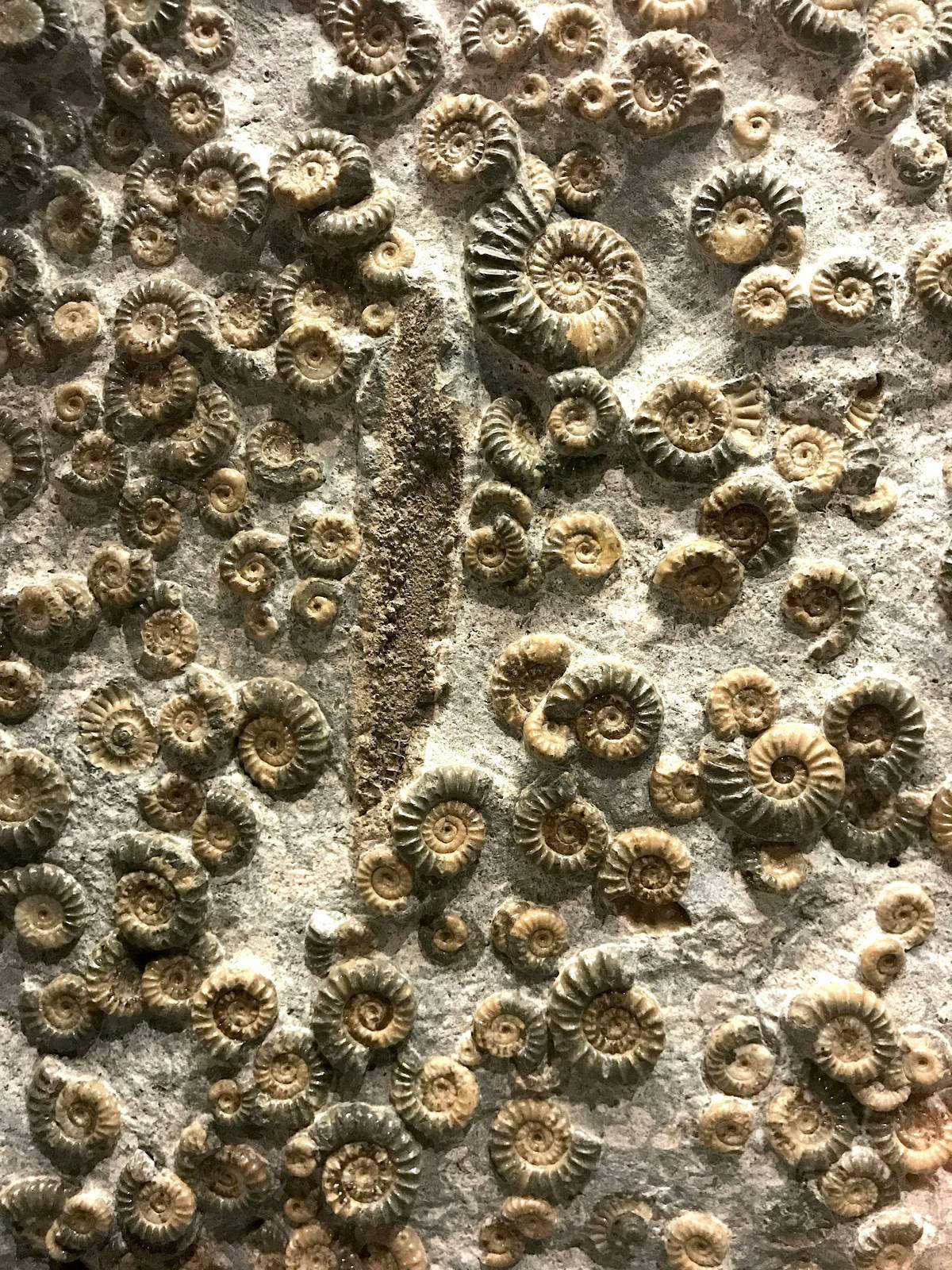
An overview of this inspiring subject, suitable for beginners. Discover how fossils become preserved and learn about key events in the evolution of life, from microbes through extinct groups such as trilobites, dinosaurs and mammoths to today’s biosphere.

Explore quantum gravity and the search for a Theory of Everything in this one-day course. From string theory to loop quantum gravity, discover cutting-edge ideas uniting physics and uncover the universe’s deepest question.

This five-day course introduces physical scientists, engineers and non-scientists to biological systems and terminology relevant to nanotechnology, and showcases current applications and new developments in bionanotechnology.

Geology is fundamental to our understanding of the planet on which we live: not only rocks, but also minerals, fossils, earthquakes, volcanoes, climate change, land, sea and ice. Discover Planet Earth's story from 4.6 billion years ago to the present day.