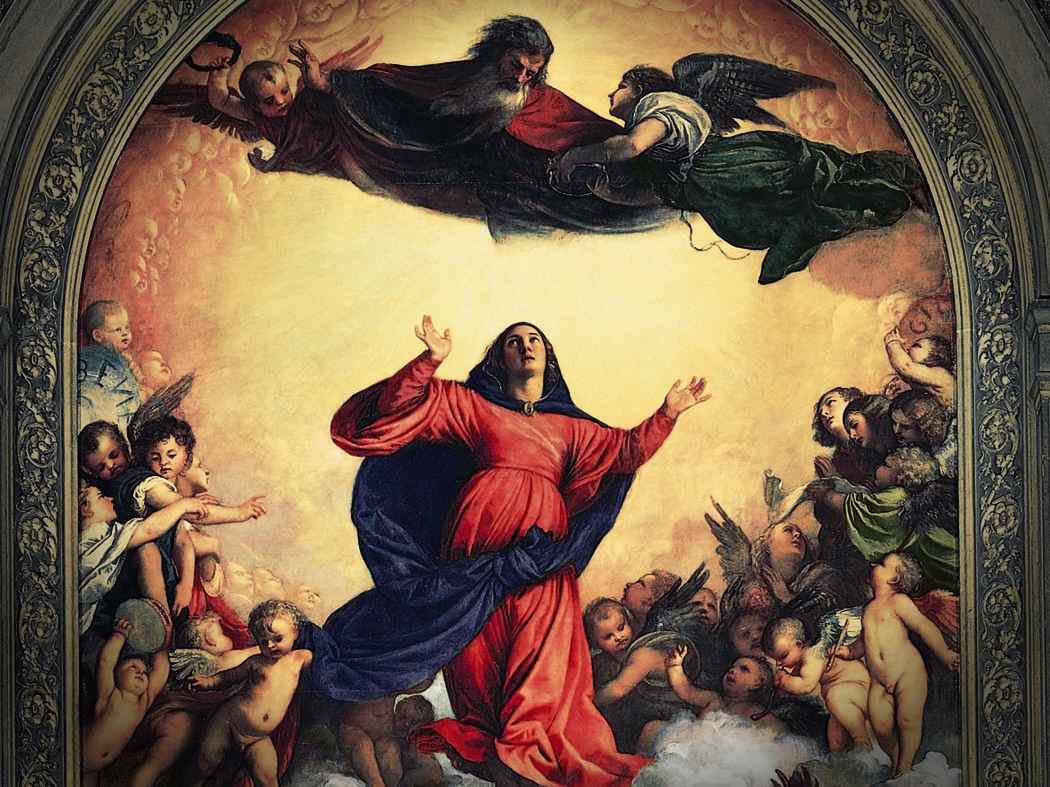
How can art give form to the invisible? This course explores the theological and philosophical idea of beauty in Renaissance art, examining how artists used various visual elements to make the divine visible.
Filter by:
Filters
Start month
Day of the week
Time of day
How can art give form to the invisible? This course explores the theological and philosophical idea of beauty in Renaissance art, examining how artists used various visual elements to make the divine visible.
The DPhil in Literature and Arts is a part-time, interdisciplinary research degree that enables students to undertake advanced doctoral study of the British past from c.1450 to c.1945. Bringing together approaches from literary studies, art history and cultural history, the course supports original research that reflects the richness and complexity of Britain’s cultural life across… Continue reading DPhil in Literature and Arts

Discover the richness and diversity of Oxford's art collections. Explore first hand the many facets of world-class museums and galleries, such as the Ashmolean, History of Science, Natural History, and Pitt Rivers museums.
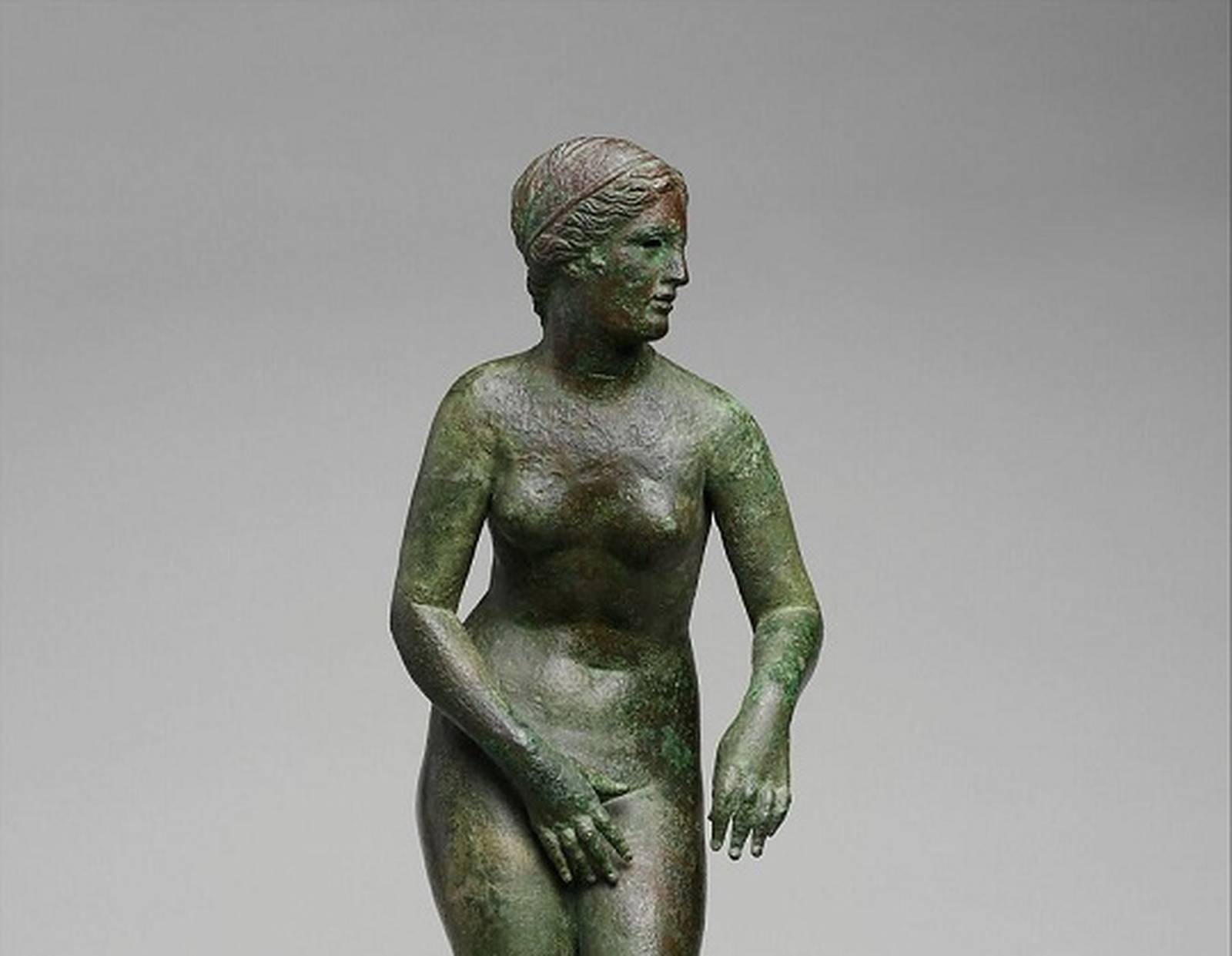
Discover Aphrodite beyond the familiar goddess of beauty: a powerful and complex deity of love, desire and persuasion, whose influence shaped Greek religion, myth and literature - and whose power could be creative, compelling and dangerous.
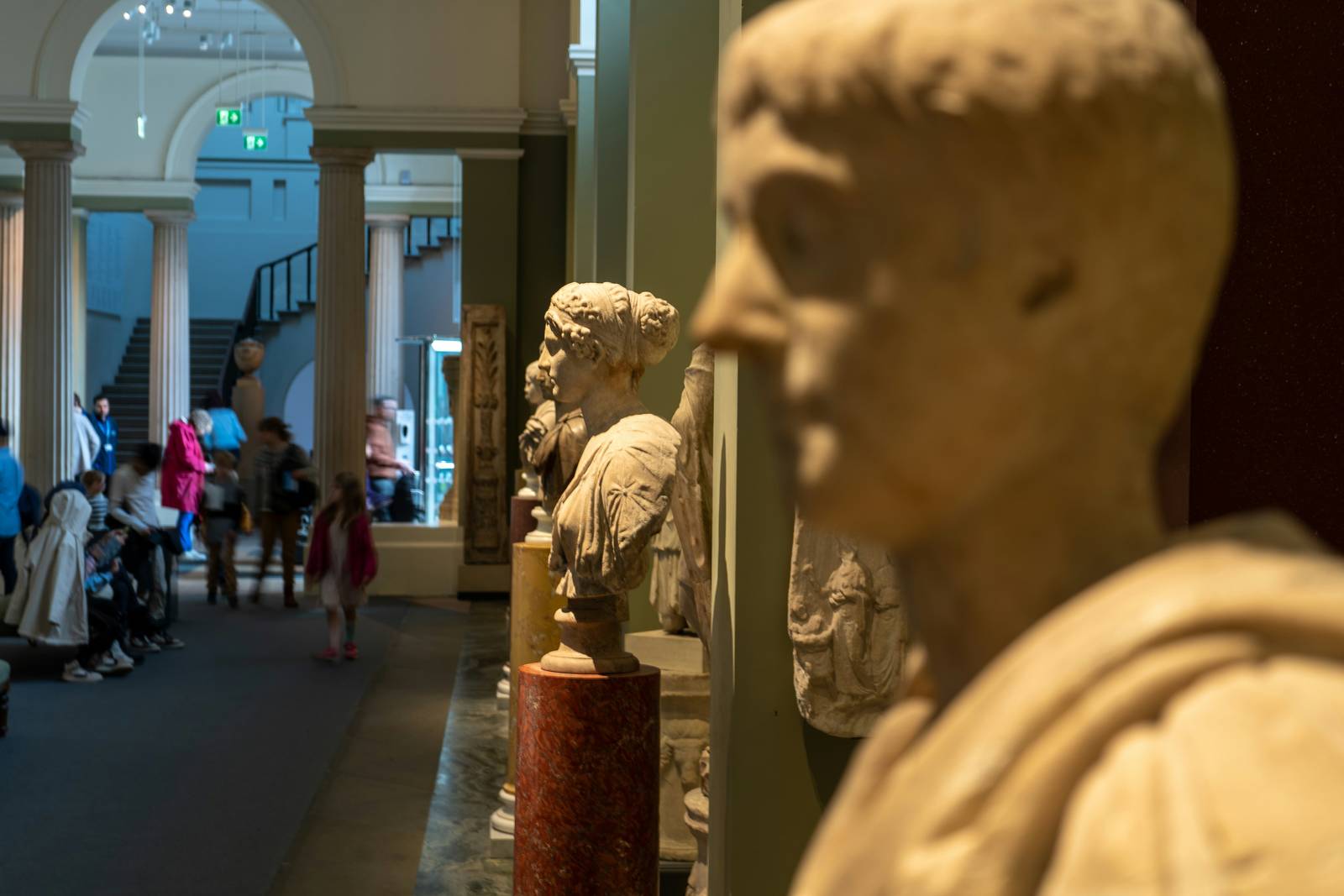
This guided viewing in the Ashmolean Museum will centre on seven of Leonardo da Vinci’s original drawings, from which we will also consider relationships with his paintings and writings, as well as to copies by contemporary and later artists.
Explore the dazzling richness and exuberance of Baroque art and architecture - from the earliest experiments of Michelangelo, to the voluptuous sensuality of Bernini, and beyond. Artists studied will include Borromini, Titian, Caravaggio, and Rubens.

This course provides an introduction to the legal and ethical issues arising in the art and cultural heritage sectors today. Aimed at all those engaged in the art world, it will outline principles and practices, exploring cases from the UK and beyond.

Discover Alexander the Great, unparalleled in his capacity to captivate the collective imagination, serving not only as an exemplar for world rulers, but also as a popular figure in various works of art and literature with this in-person day event.
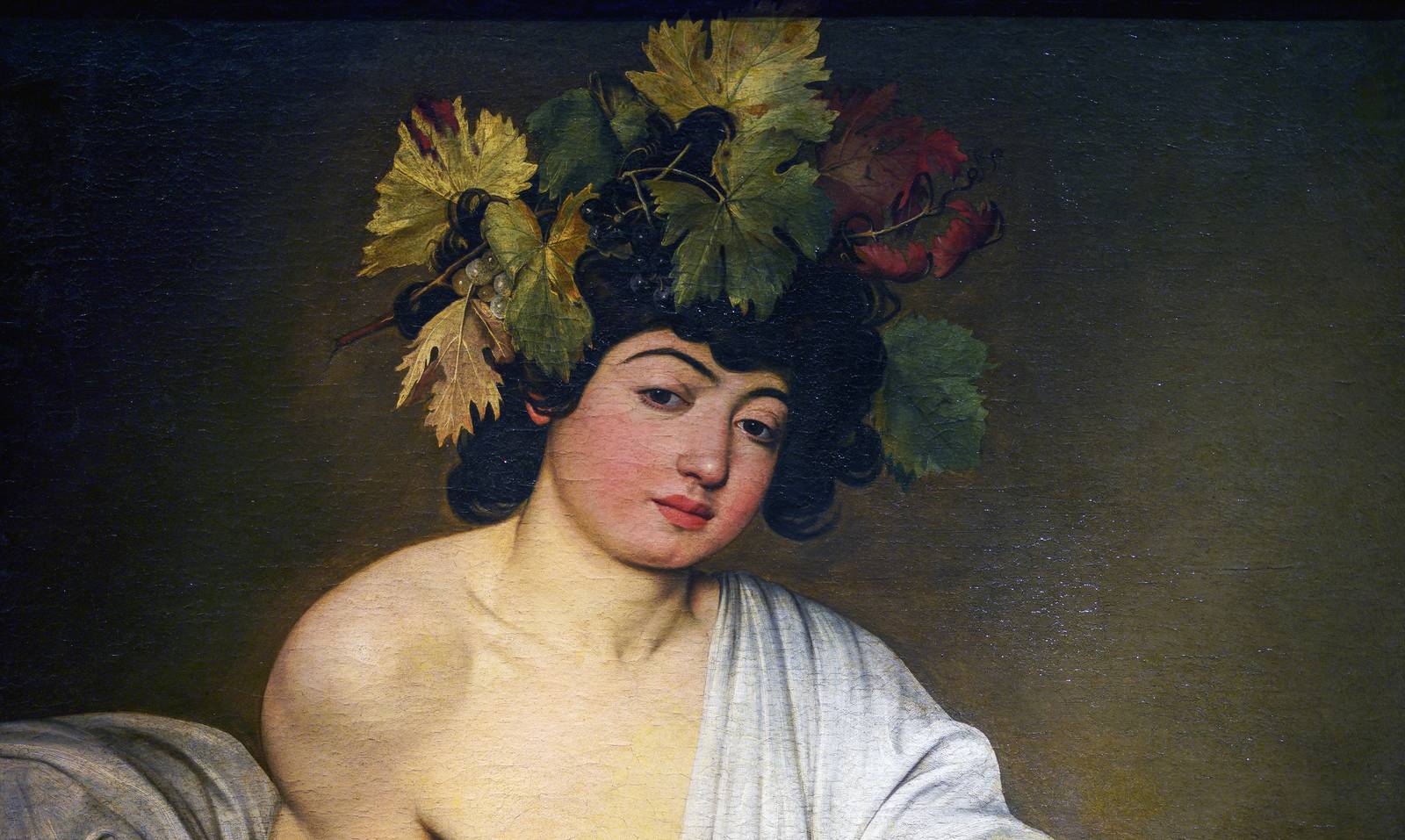
From feasting gods to sacred liturgy, discover how wine became a powerful symbol in Renaissance and Baroque art, revealing stories of celebration, excess, faith, and everyday life.
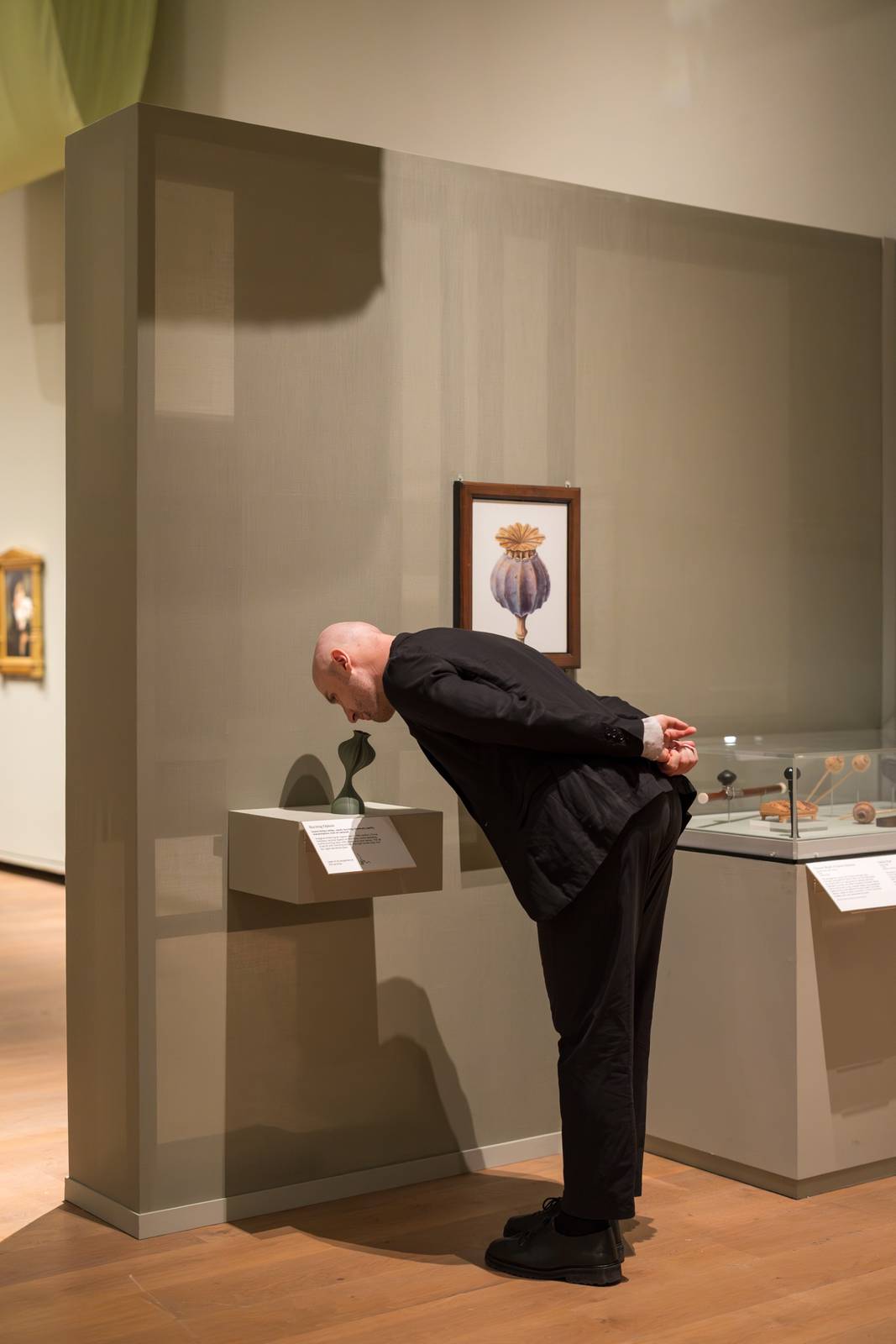
Do your exhibitions stink? Scent is becoming a popular feature in museums, but what makes olfactory visitor experiences effective? We will explore the theory, practice, benefits and pitfalls, with useful tips to help harness scent as an interpretive tool.
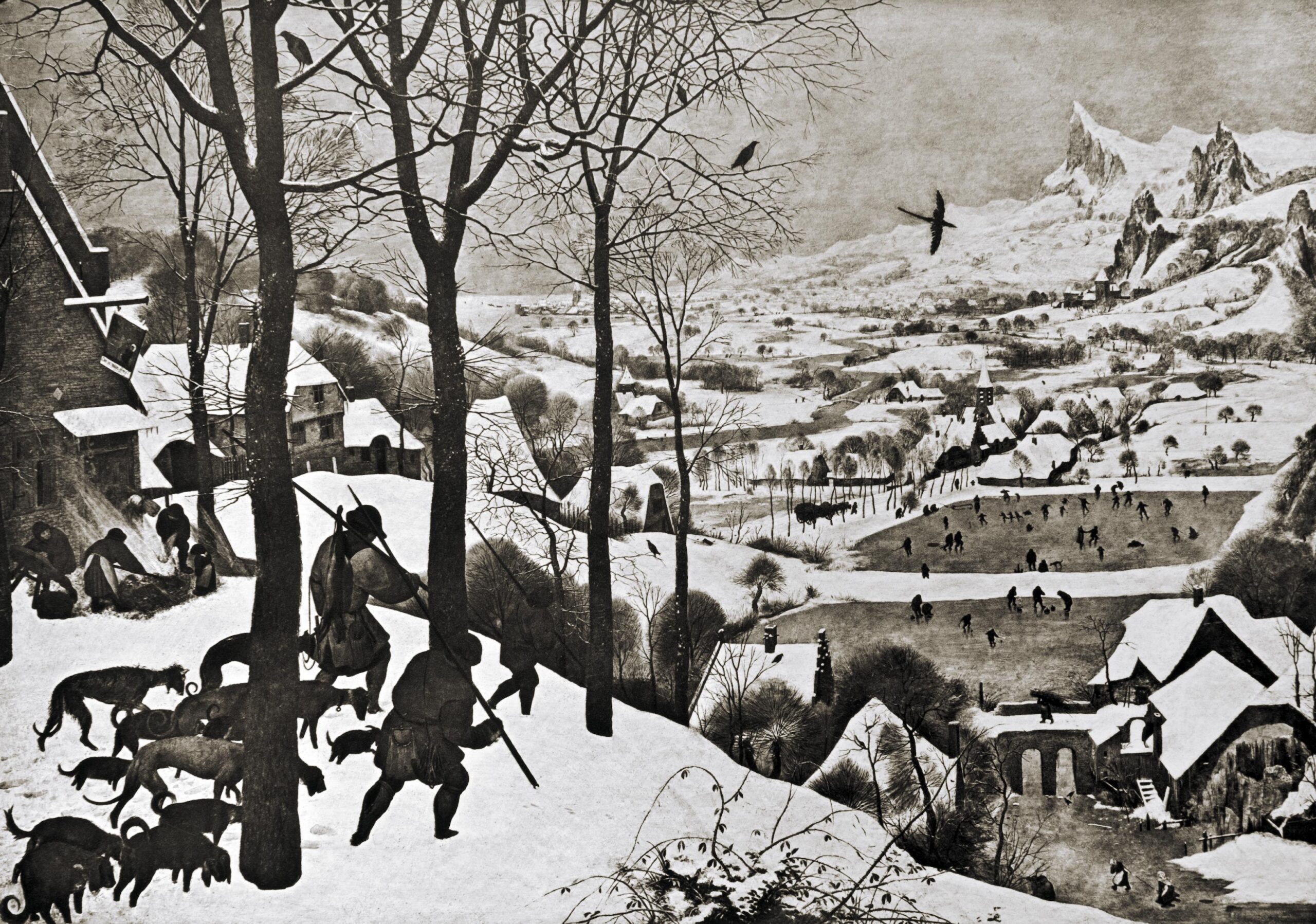
This course explores the riches of northern European art from c.1480 - 1580; artists including Dürer, Bosch, Holbein and Bruegel will be studied.
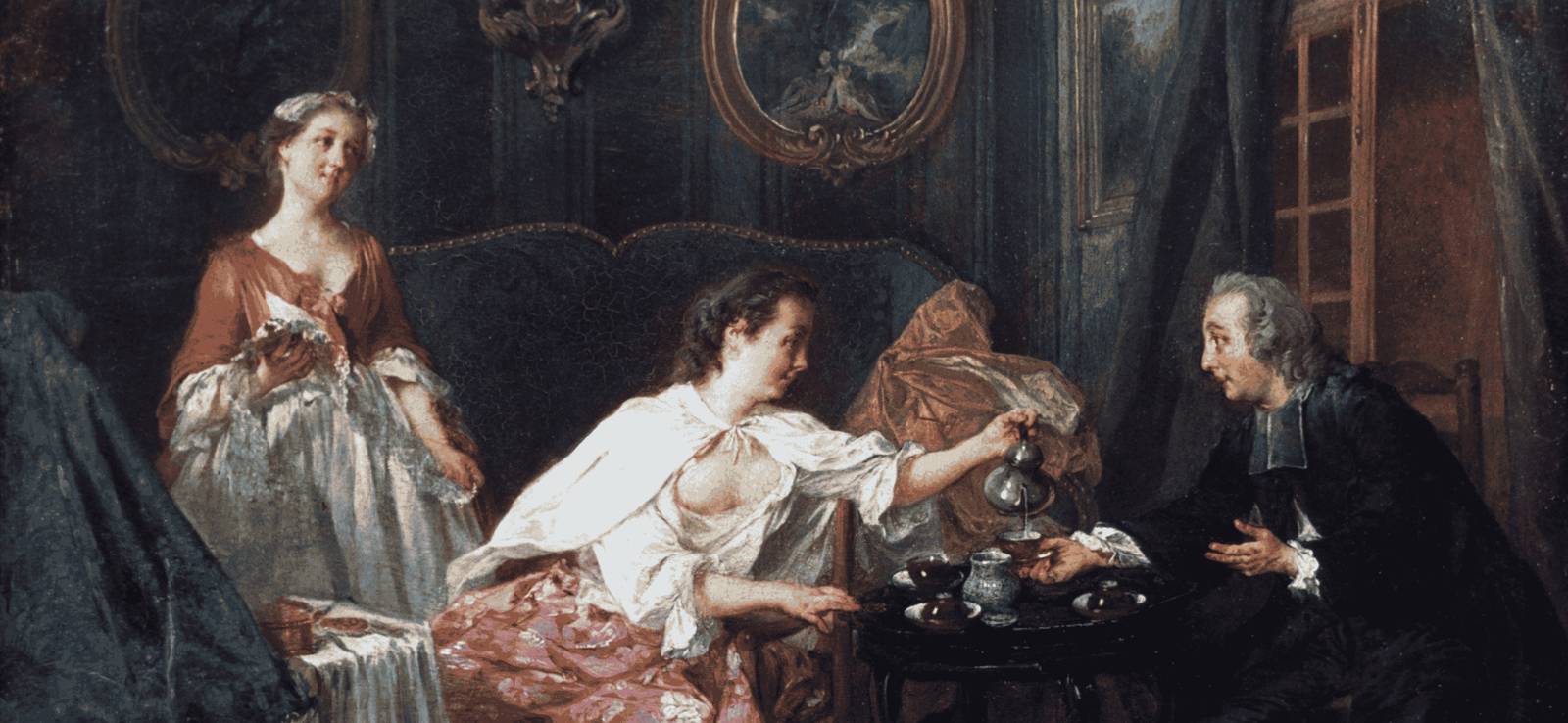
This course examines the social, economic, religious, and political contexts under which women have always made art, but have largely been marginalised in its formal histories and markets.