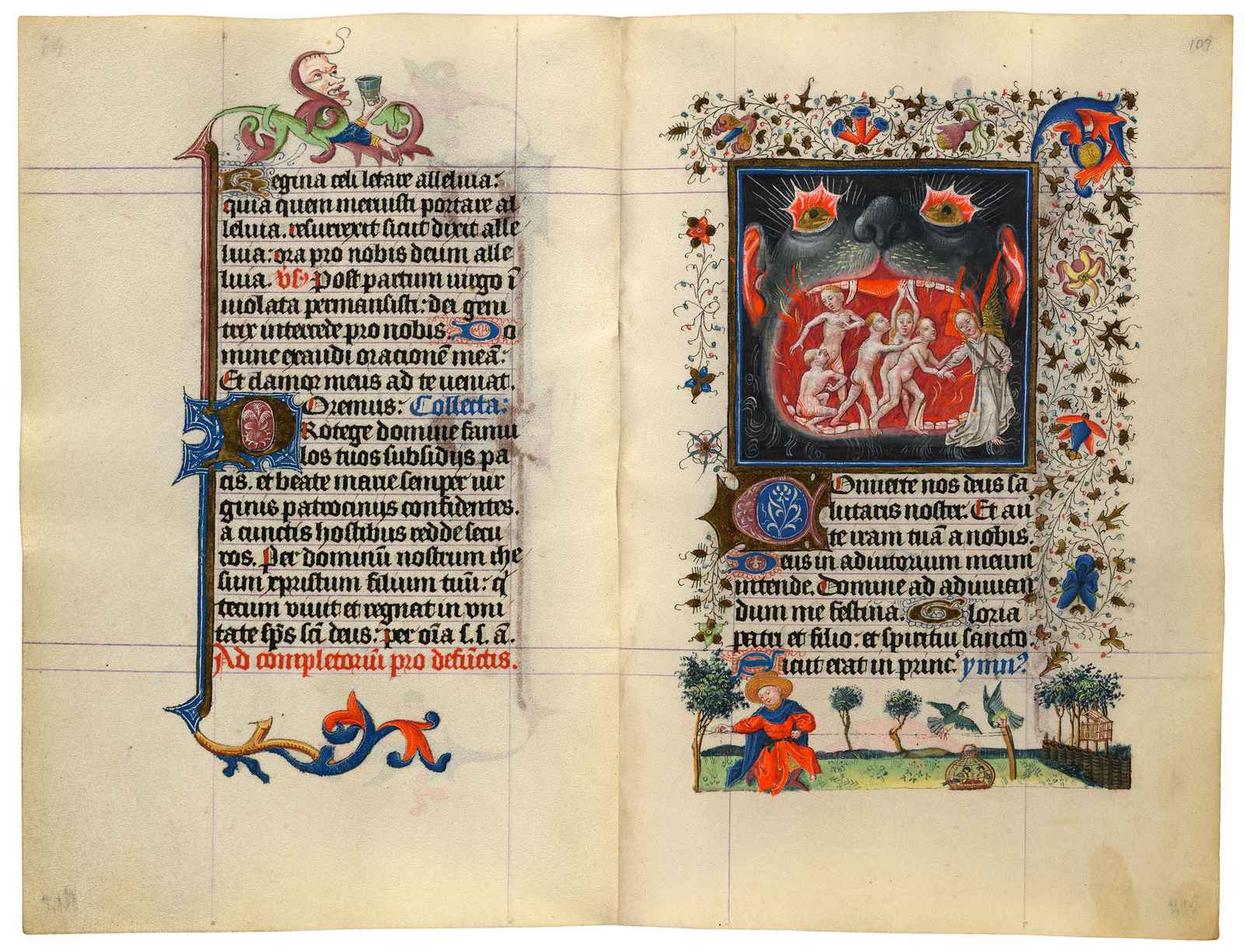
Uncover the mysteries of the medieval afterlife through its art and architecture. Examine a range of objects from across Western Europe and the Mediterranean.
Filter by:
Filters
Start month
Day of the week
Time of day
Uncover the mysteries of the medieval afterlife through its art and architecture. Examine a range of objects from across Western Europe and the Mediterranean.

The art of prehistoric Europe is rich with imagery such as cave paintings, carvings, body ornamentation and frescoes. This course considers a range of sites and artefacts in our exploration of the unique and creative ways people visualised their world.
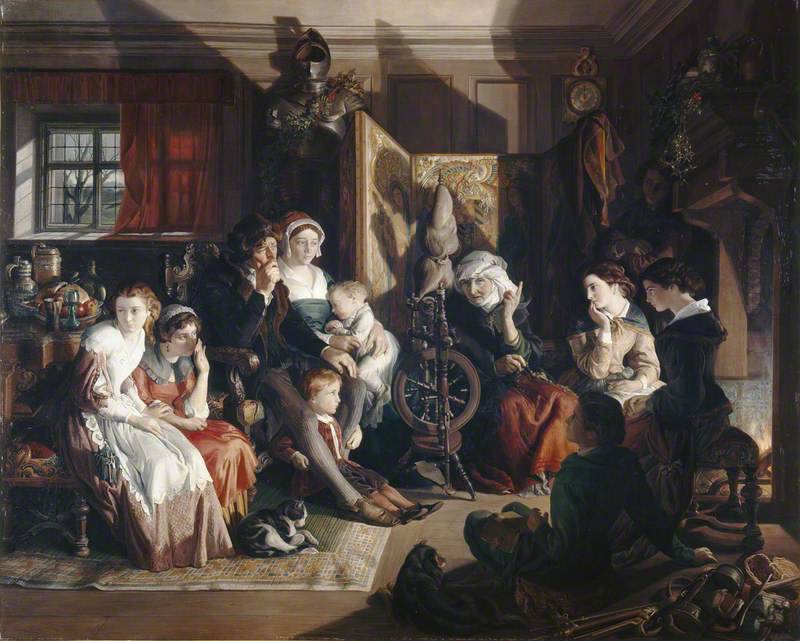
This course provides an historical introduction to the development of folklore studies in Britain. It will review historical conceptions and approaches to folklore from the seventeenth-century antiquarians to the present.
Join us to explore the rich and dazzling architecture of the Italian Renaissance in three key cities. We will investigate the differing ways in which the classical styles of the Renaissance found expression in Florence, Rome and Venice.

From Paris to Moscow, Glasgow to Barcelona, this short online course examines the richness and variety of European art nouveau.
A comprehensive introduction and historical framework to the rich, diverse, artistic, architectural, and cultural legacy of Andalucía, Spain's most southerly region, produced between about 750 and 1550 CE, but with reference to its more ancient history.
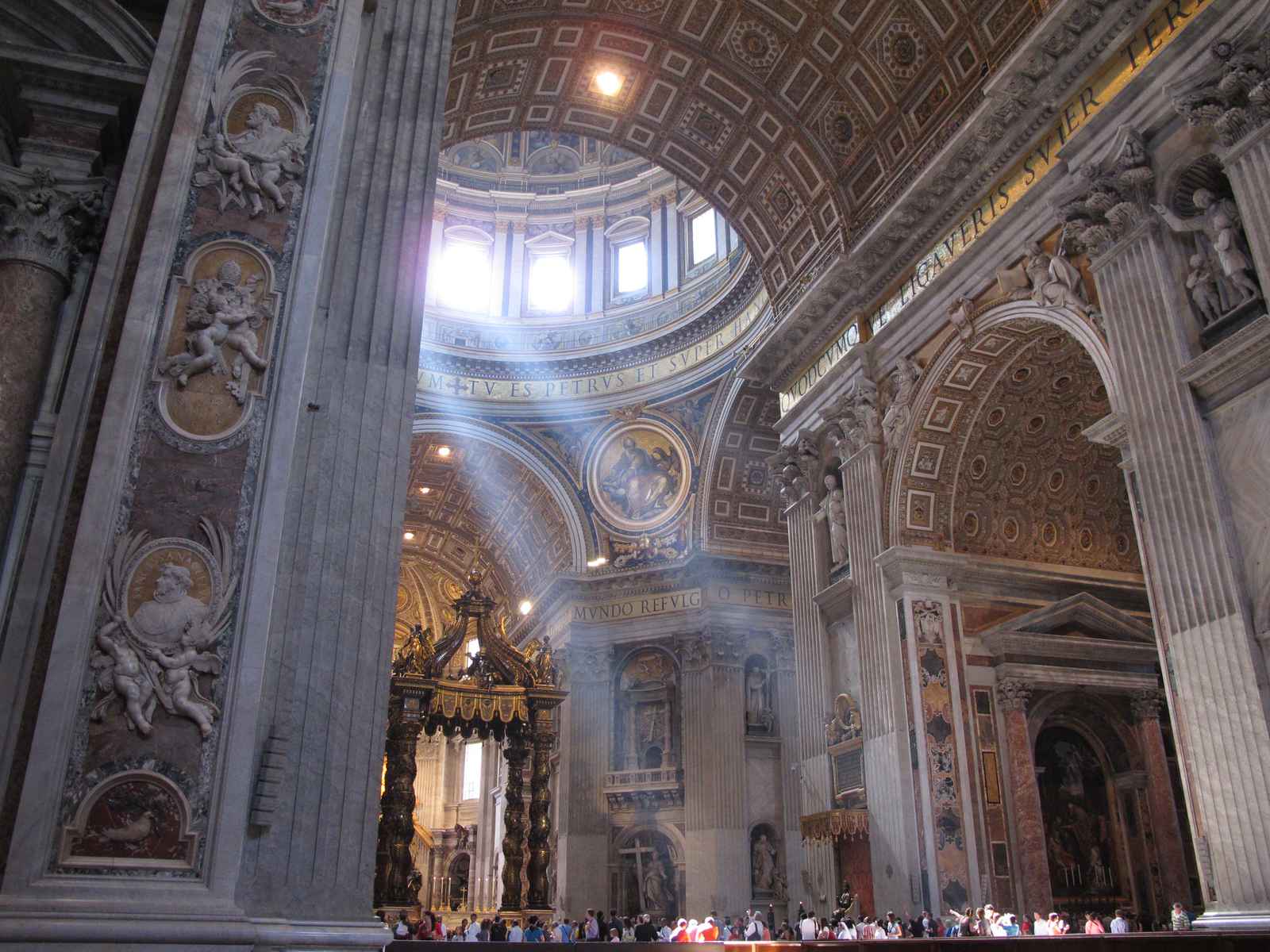
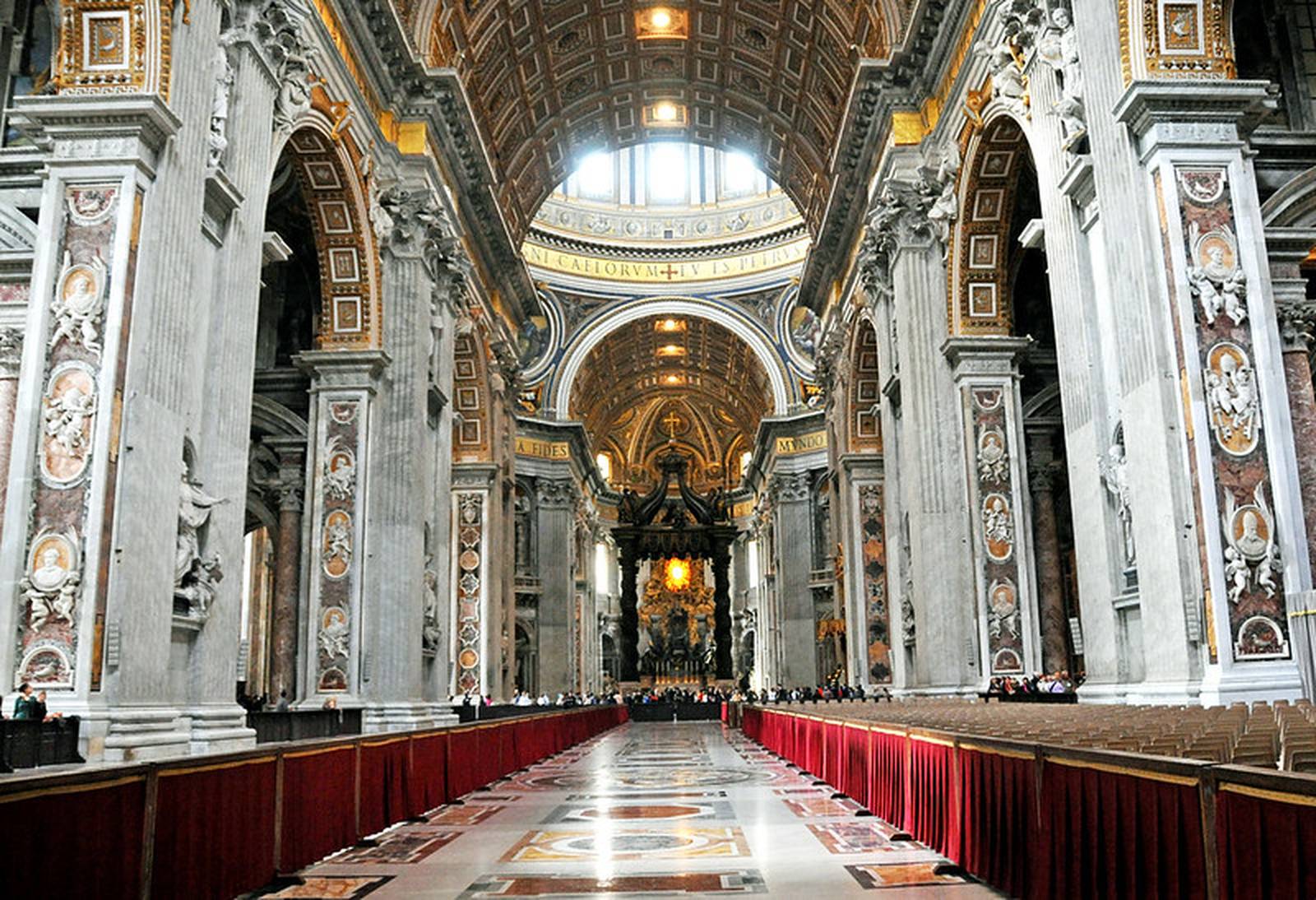
Robert Harris's Conclave and the election of Pope Leo XIV drew attention to the Sistine Chapel and architecture in the traditions of the Vatican. We will trace this from Early Christian building to the fabulous works of Michelangelo, Raphael and Bernini.

This introductory course will explore the main stylistic and iconographic themes in Islamic art and highlight the diversity of its expressions.
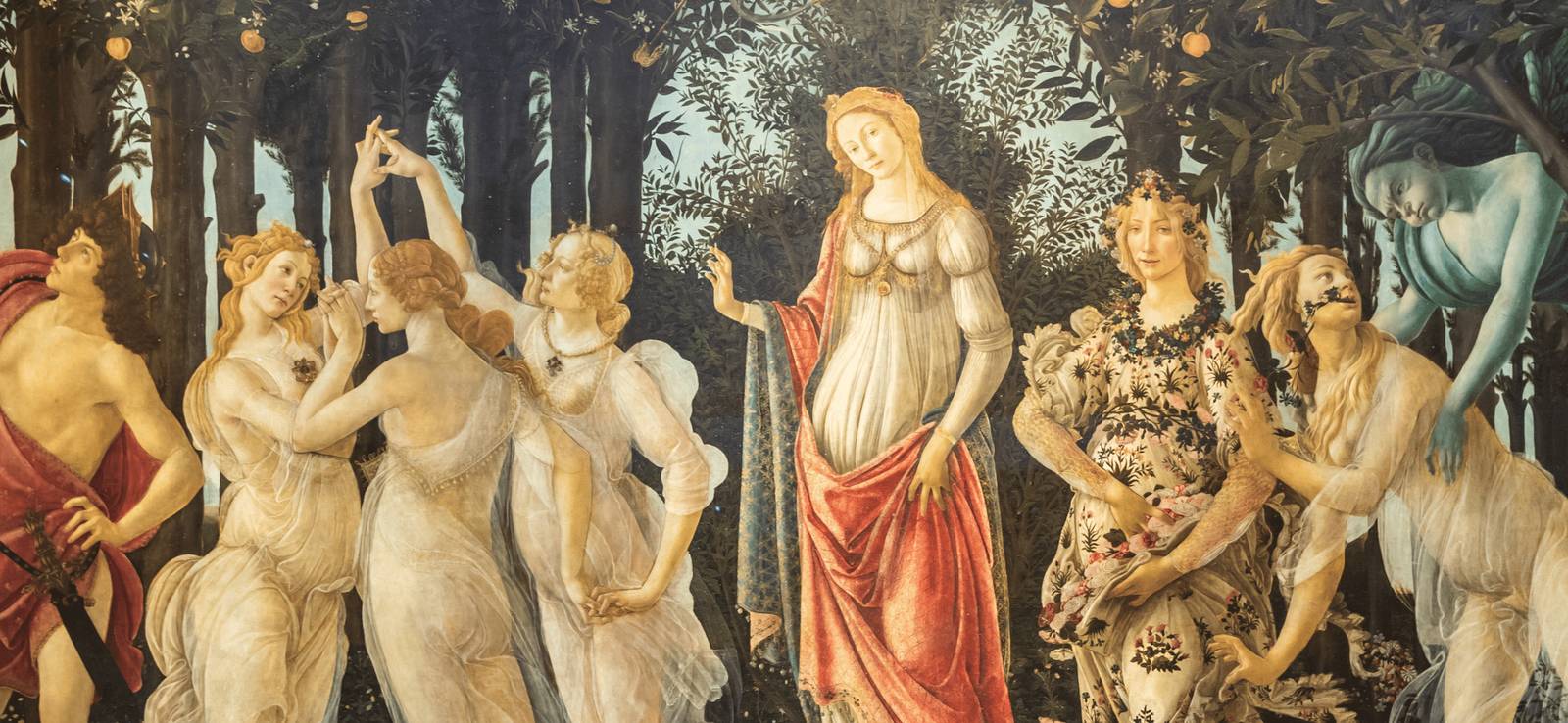
Deepen your understanding of Early Renaissance to High Renaissance art, the role of patronage, and how the Renaissance continues to influence modern creativity.

This course aims to give students an introduction and overview of that architectural tradition enabling students to 'read' the architecture of the contemporary built environment in a critically informed way.
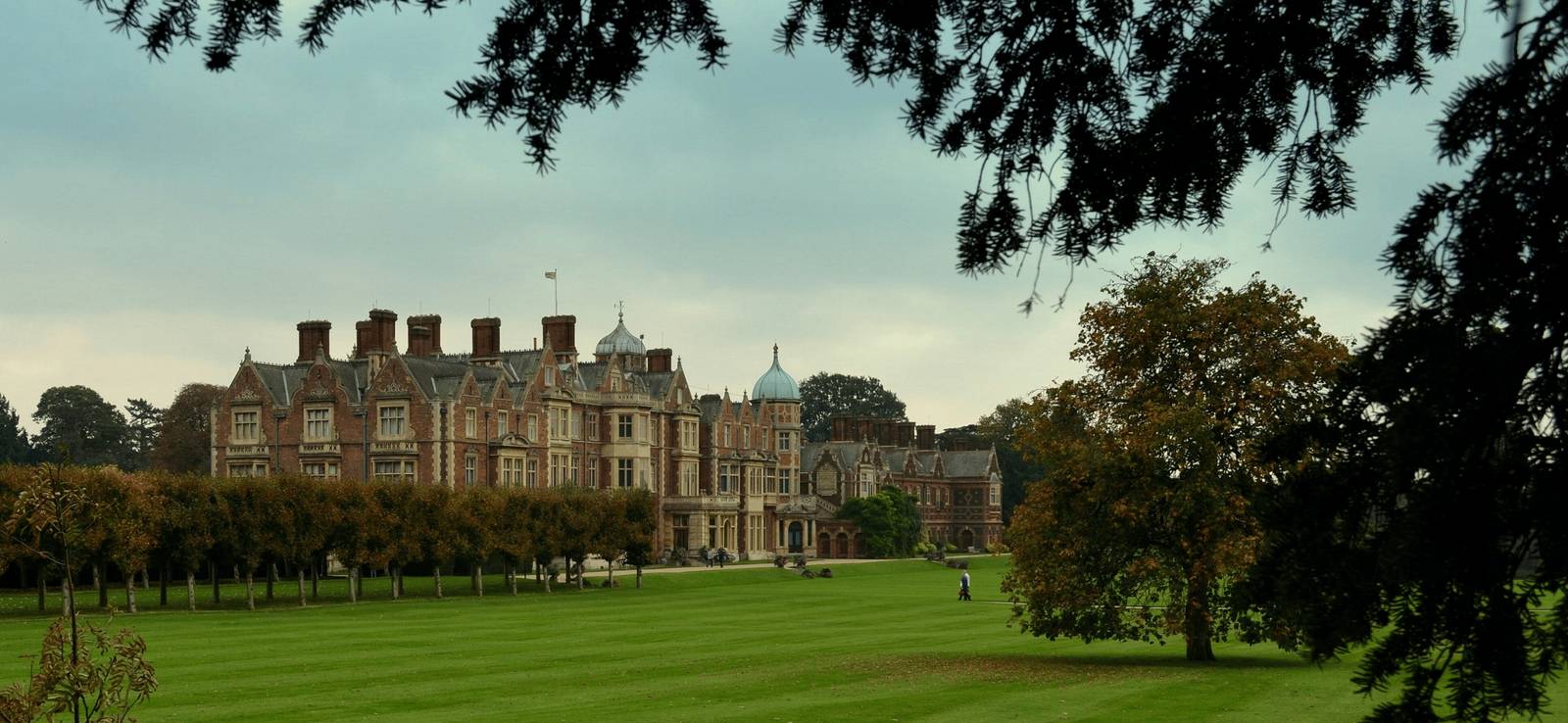
Explore the culture of the English country house from its architectural form, social manners and distinctions to the furnishings and artistic manifestations of taste, as an expression of power and influence in a changing society.
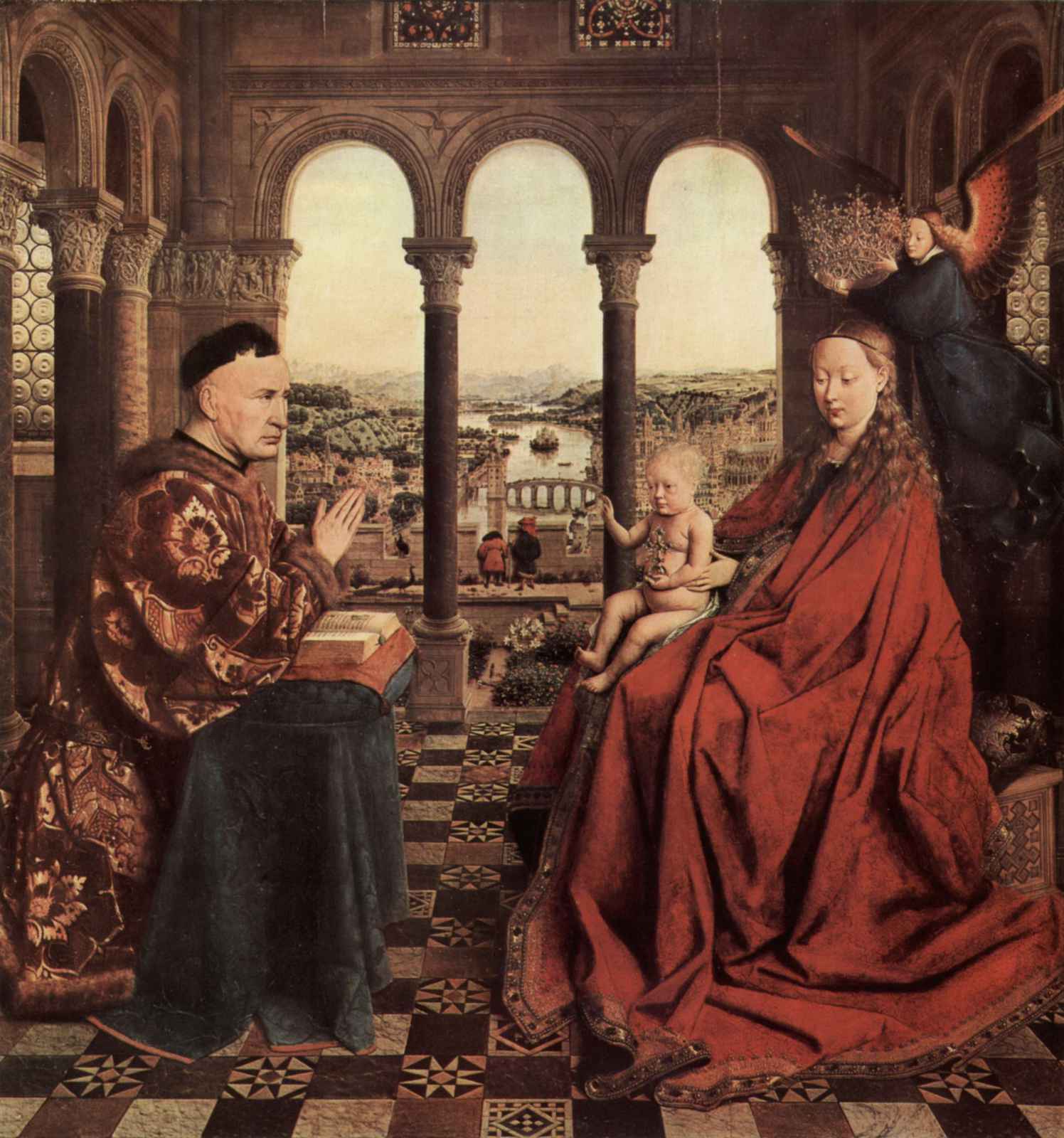
Discover the rich symbolism, striking realism and artistic innovation of Northern Renaissance painters like Jan van Eyck and Rogier van der Weyden, and explore how their work shaped the course of European art.