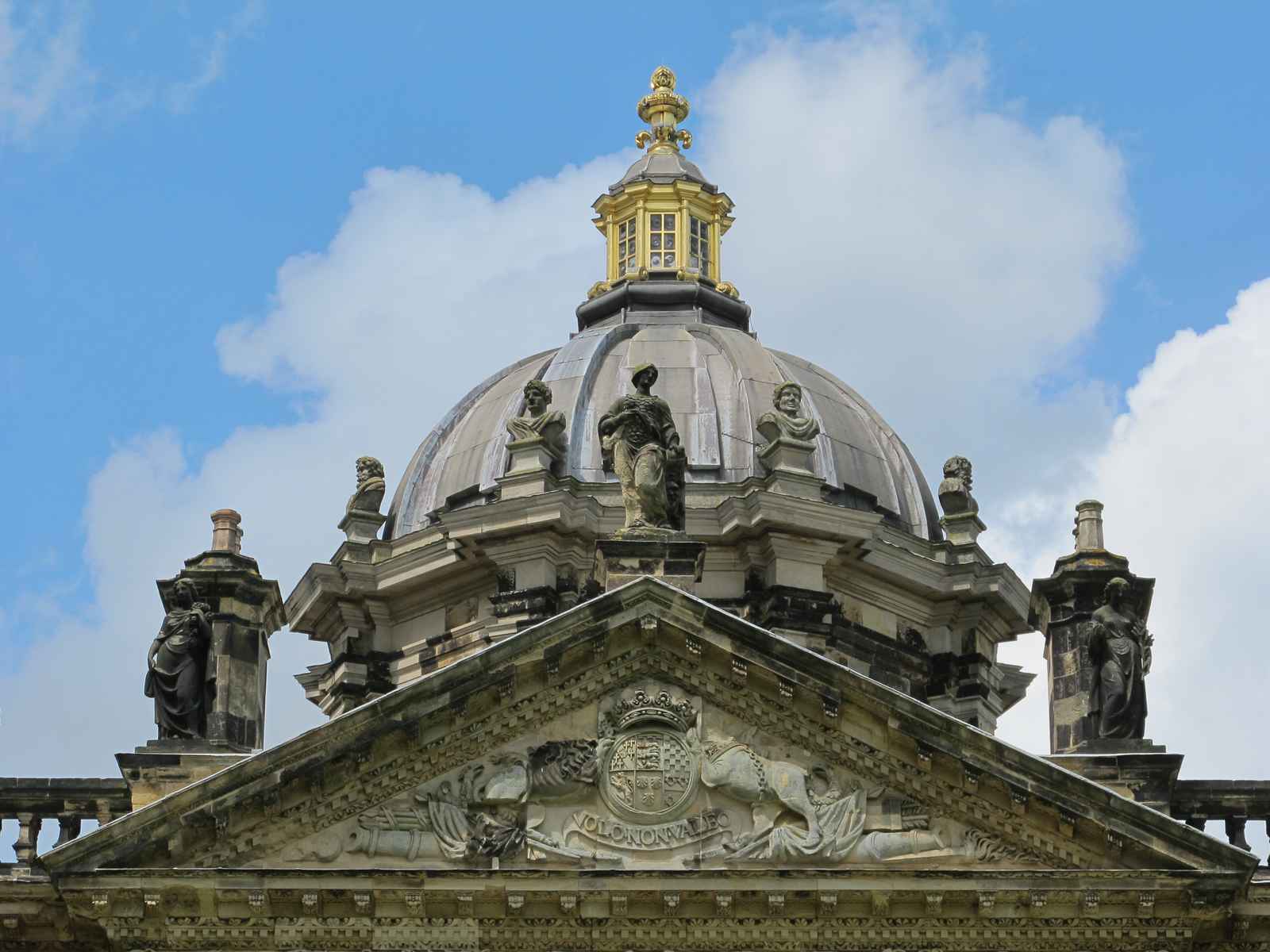
2026 marks 300 years since the death of John Vanbrugh. His extraordinary career as soldier, playwright, and in heraldry was punctuated by a turn to architecture. We will examine his works, including Blenheim Palace and the role of Nicholas Hawksmoor.
Course search results
Filter by:
Filters
Start month
Day of the week
Time of day
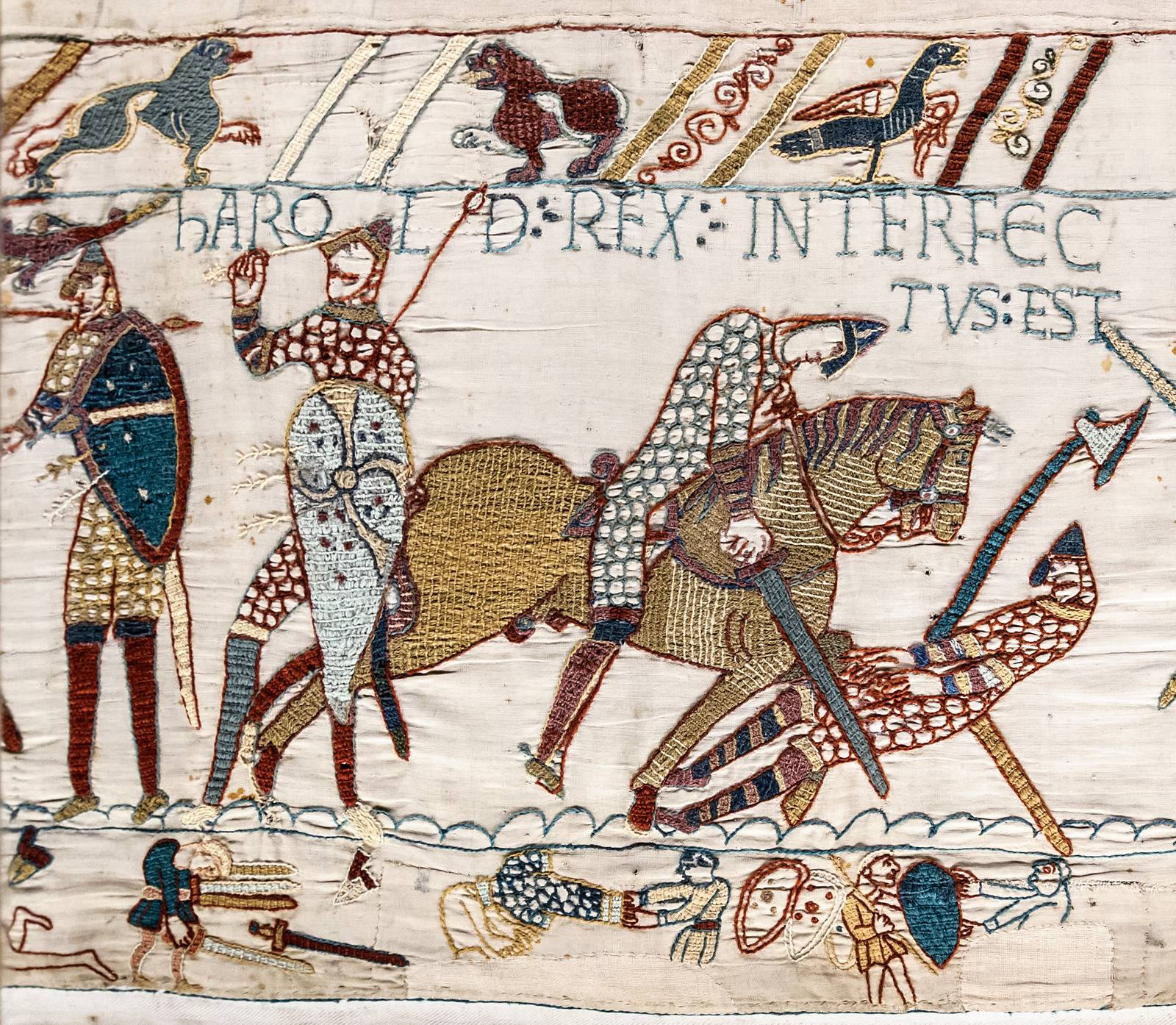
The Bayeux Tapestry is a unique medieval artefact with an extraordinary history. It has survived for almost a thousand years despite misuse, fire, revolution, exploitation and attempted theft. This lecture will trace its history.
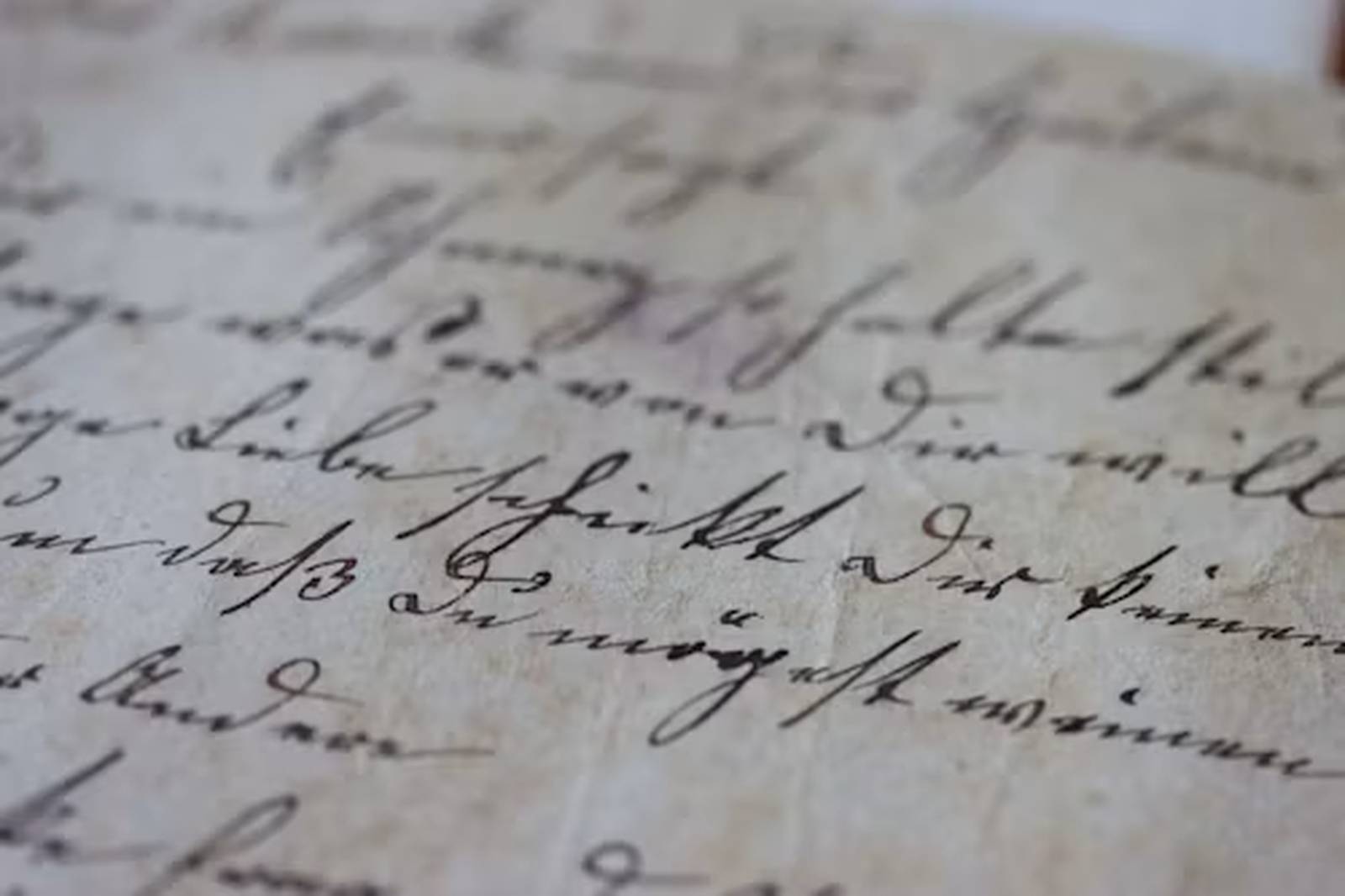
Would you like to learn how to read medieval handwriting in original documents? Join us for this weekend event, studying the basics of the most common scripts, covering the history of handwriting and taking practical examples from popular record types.
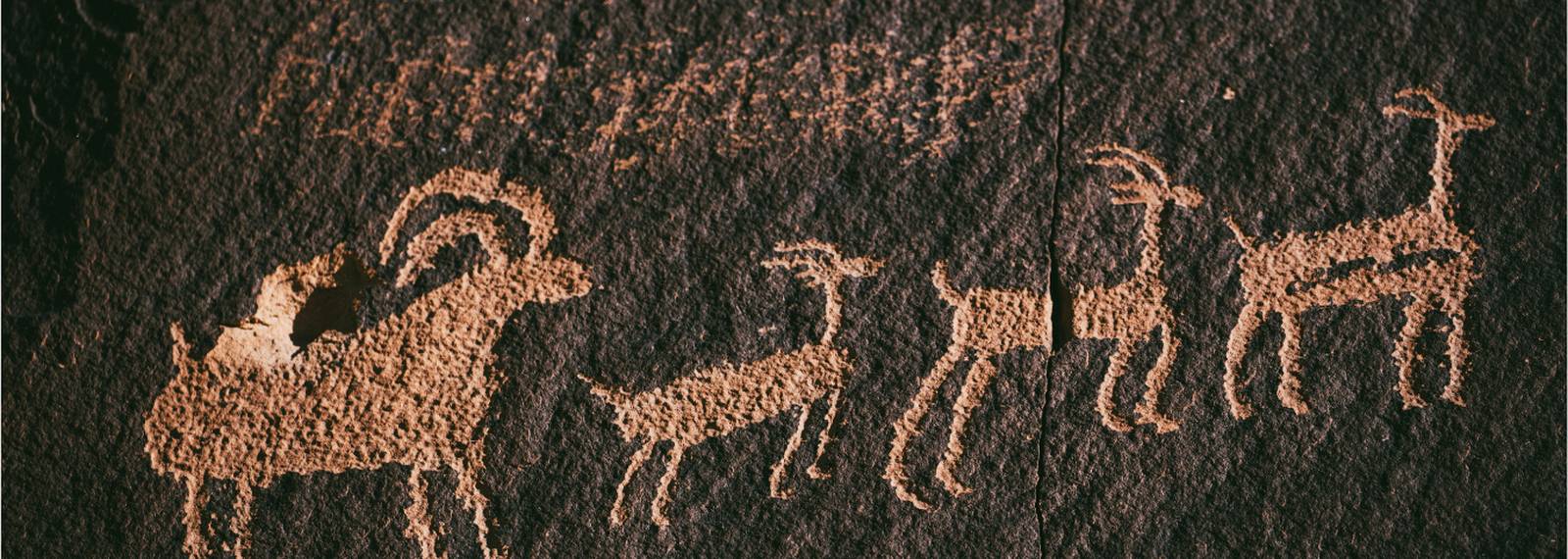
From hunting dogs to Silk Road camels and urban cats, this lecture series explores how animals shaped human history, using archaeology and history to uncover the deep entanglements between people and domestic species.
Short course introducing potential witnesses and advocates to the techniques and procedures of public inquiries dealing with the historic environment, including preparing proofs of evidence. A mock inquiry will be staged.
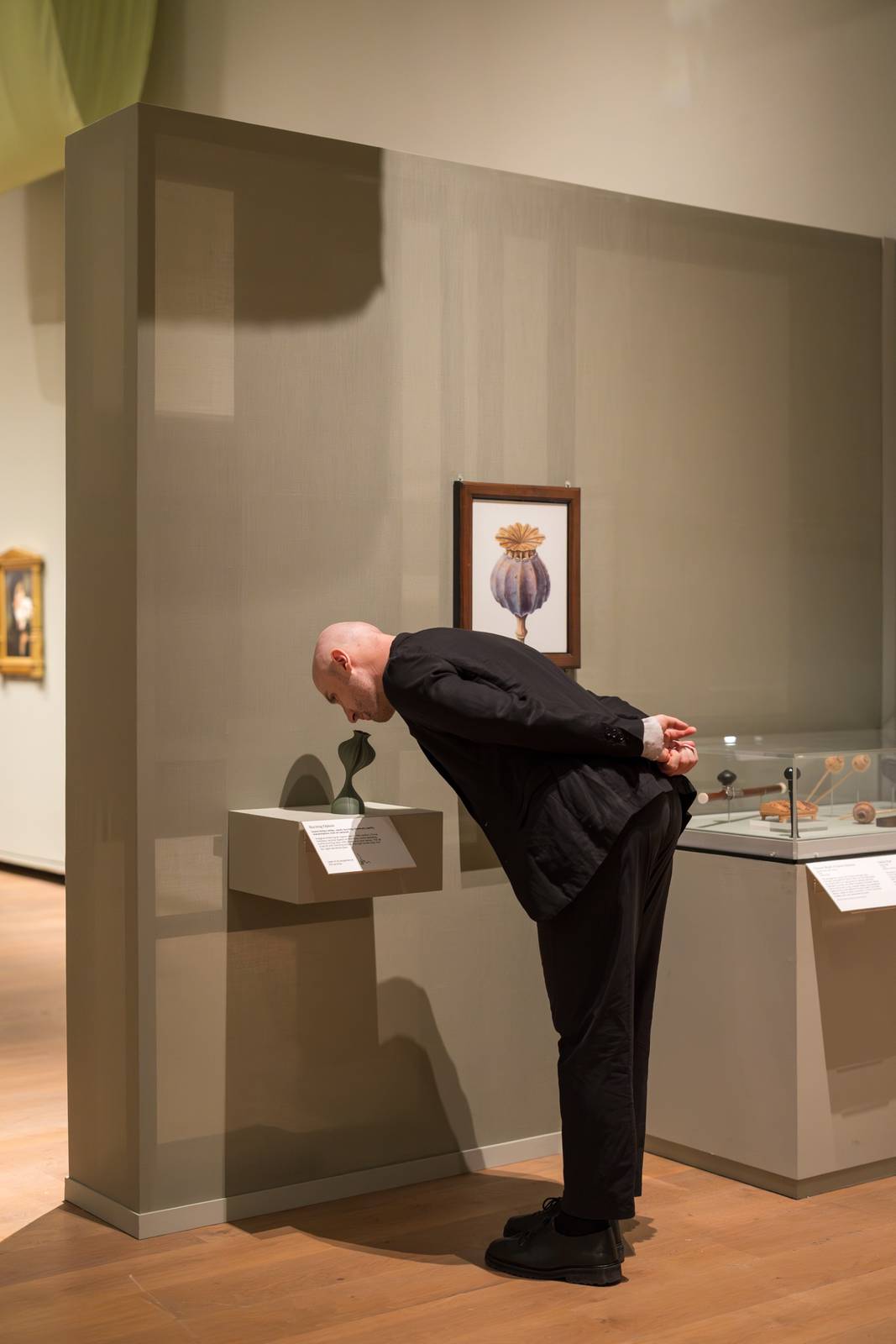
Do your exhibitions stink? Scent is becoming a popular feature in museums, but what makes olfactory visitor experiences effective? We will explore the theory, practice, benefits and pitfalls, with useful tips to help harness scent as an interpretive tool.
What links the ground beneath our feet to our cultural heritage? How do local building variations emerge and develop? Why is traditional building practice still important? Join this course to explore the material culture of historic buildings in Britain.
Join us to explore the rich and dazzling architecture of the Italian Renaissance in three key cities. We will investigate the differing ways in which the classical styles of the Renaissance found expression in Florence, Rome and Venice.
A sense of place, community, and urban design are core to anyone’s experience of living in a city. This course explores how community engagement can be key to building more sustainable cities.
This course is the ideal introduction to English garden history. It provides an overview of five centuries of development, from baroque formalism through the naturalistic landscape style, right up to contemporary cutting-edge planting style.
A comprehensive introduction and historical framework to the rich, diverse, artistic, architectural, and cultural legacy of Andalucía, Spain's most southerly region, produced between about 750 and 1550 CE, but with reference to its more ancient history.
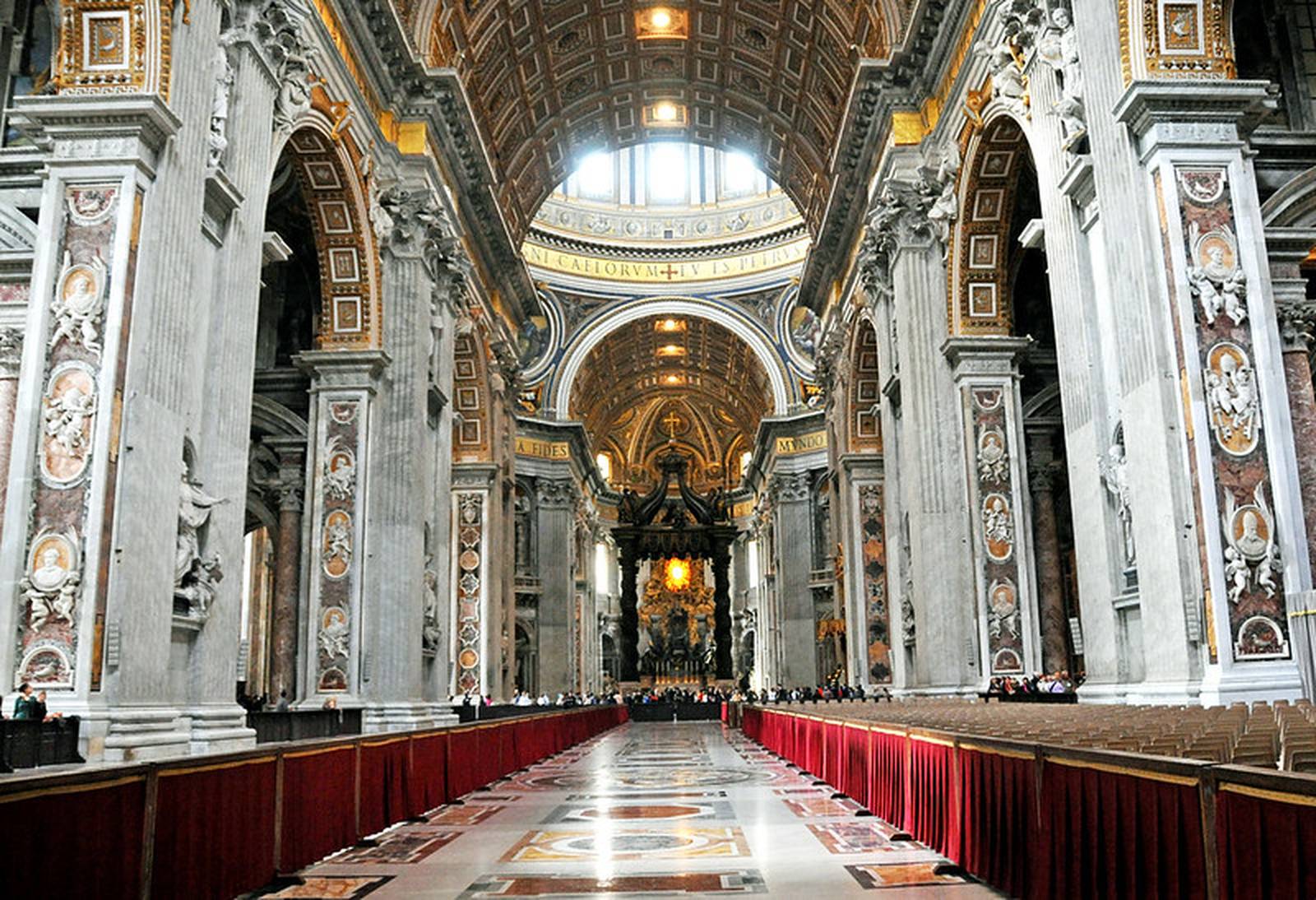
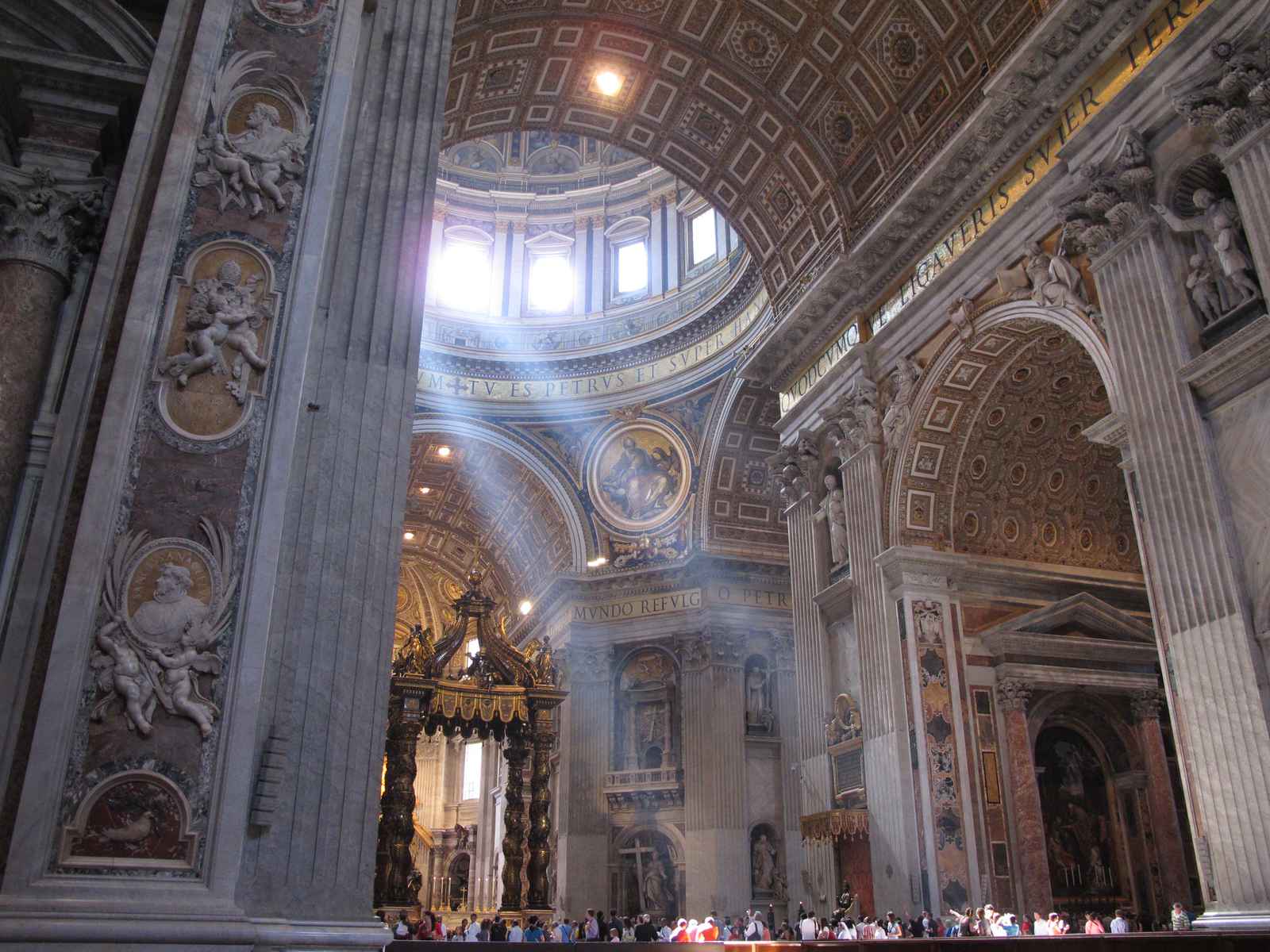
Robert Harris's Conclave and the election of Pope Leo XIV drew attention to the Sistine Chapel and architecture in the traditions of the Vatican. We will trace this from Early Christian building to the fabulous works of Michelangelo, Raphael and Bernini.