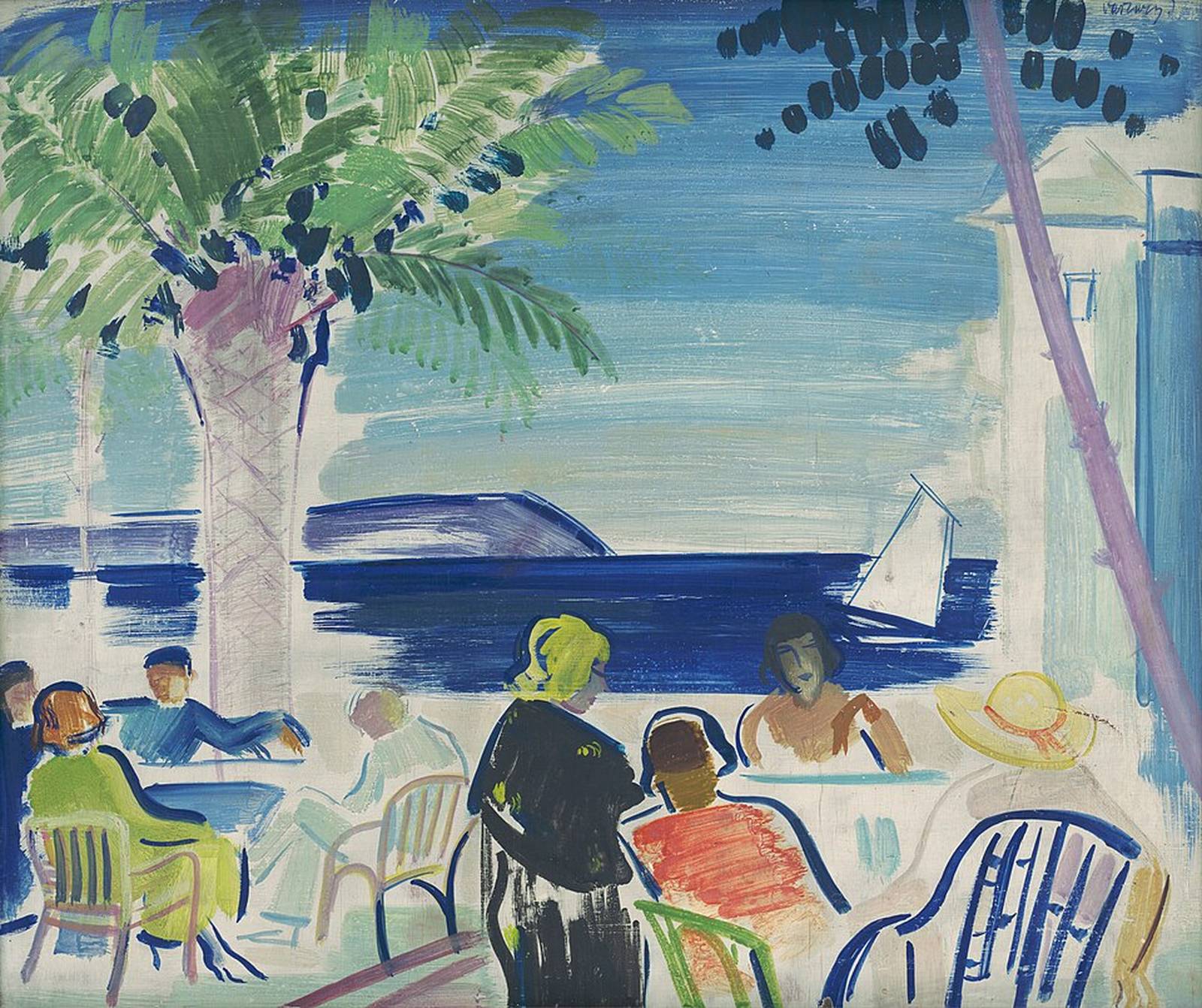
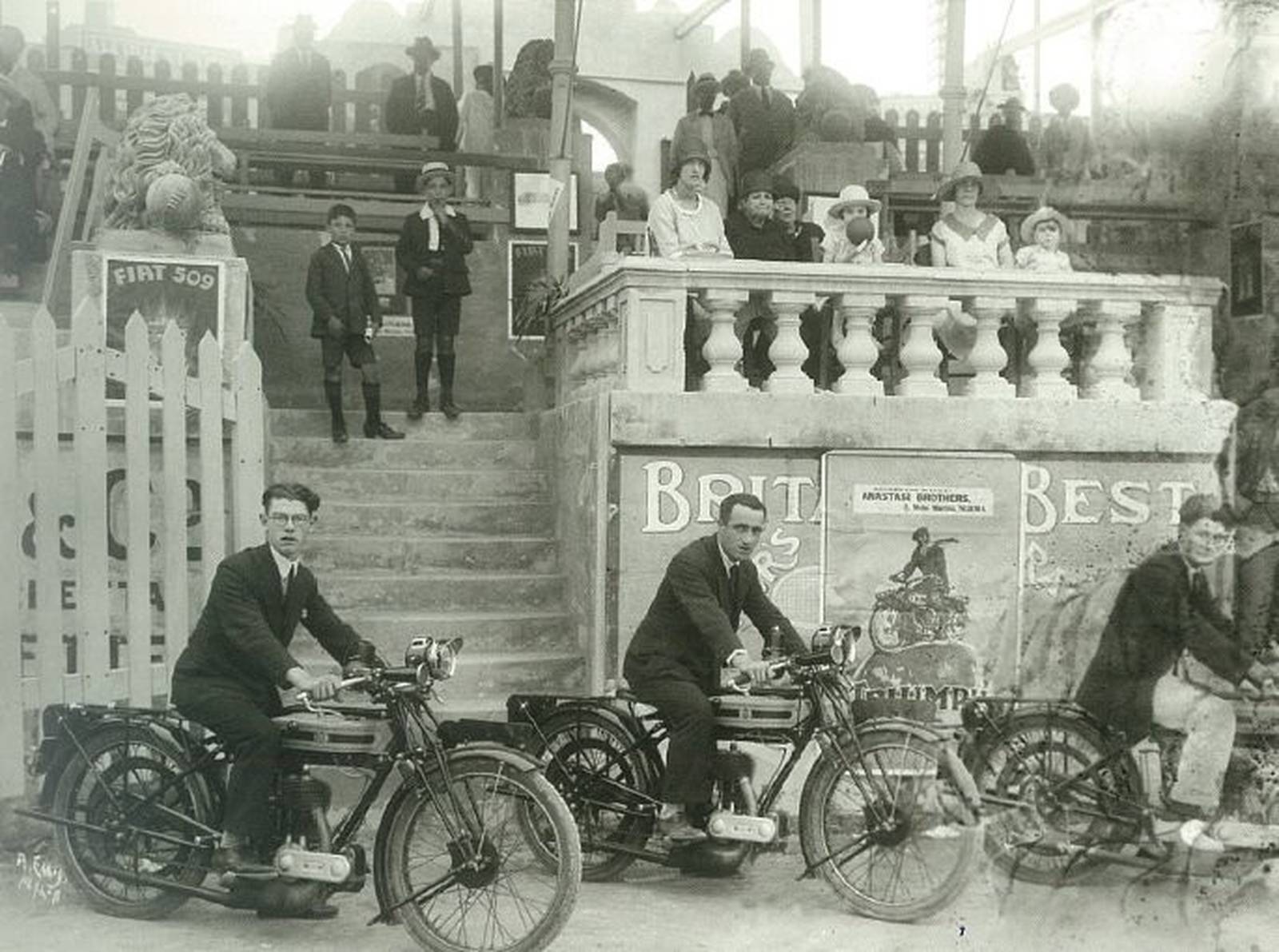
This lecture will concentrate upon the lasting legacies of the 1920s, in cultural terms.
Course search results
Filter by:
Filters
Start month
Day of the week
Time of day
This course analyses why the inter-war years were a period of such political extremism. It will investigate the distinctive features of Soviet Communist ideology and the impact of Lenin and Stalin on the USSR.
Britain led the world in the nineteenth century, but what were the consequences of industrialisation and empire on British society?
In addition to tracing the evolution of the modern state and political ideas and ideologies, this course focuses on issues that confront people from all parts of the world on a day-to-day basis.
This course will explore the English medieval cathedral as a developing institution which survived over a thousand years of religious upheaval and historical change, focusing on the multifaceted architecture of a range of truly great churches.
Explore the culture of the English country house from its architectural form, social manners and distinctions to the furnishings and artistic manifestations of taste, as an expression of power and influence in a changing society.
A modern, democratic, multicultural Britain developed throughout the twentieth century. This course will examine the key social, economic and political influences that have shaped modern Britain.
Beginning with the vital structural innovations of the late Victorian era, this online course traces the rise and spread of modernism in European and American architecture, and concludes by examining contemporary architecture and future possibilities.
From Chaucer to the latest detective fiction, Oxford has been the setting for stories of all kinds. This walking tour, plus lunch, will examine Oxford's literary pre-eminence, discover literary connections and share some tall tales.
Explore the social and cultural history of gardens, uncover how their design and creation have reflected wider social and economic forces – from politics and religion to travel and conflict with ideas inherited from a multitude of countries and cultures.
Have you been wanting to trace your family history, but are unsure where to start? This course will guide you through the process. You will learn how to use civil registration records, censuses, newspapers, and hands-on archival skills.
This course examines some of the most influential and important ideas and discoveries (and the people behind them) in the history of science between the years 1400-1700, finishing with a visit to Oxford’s History of Science Museum.