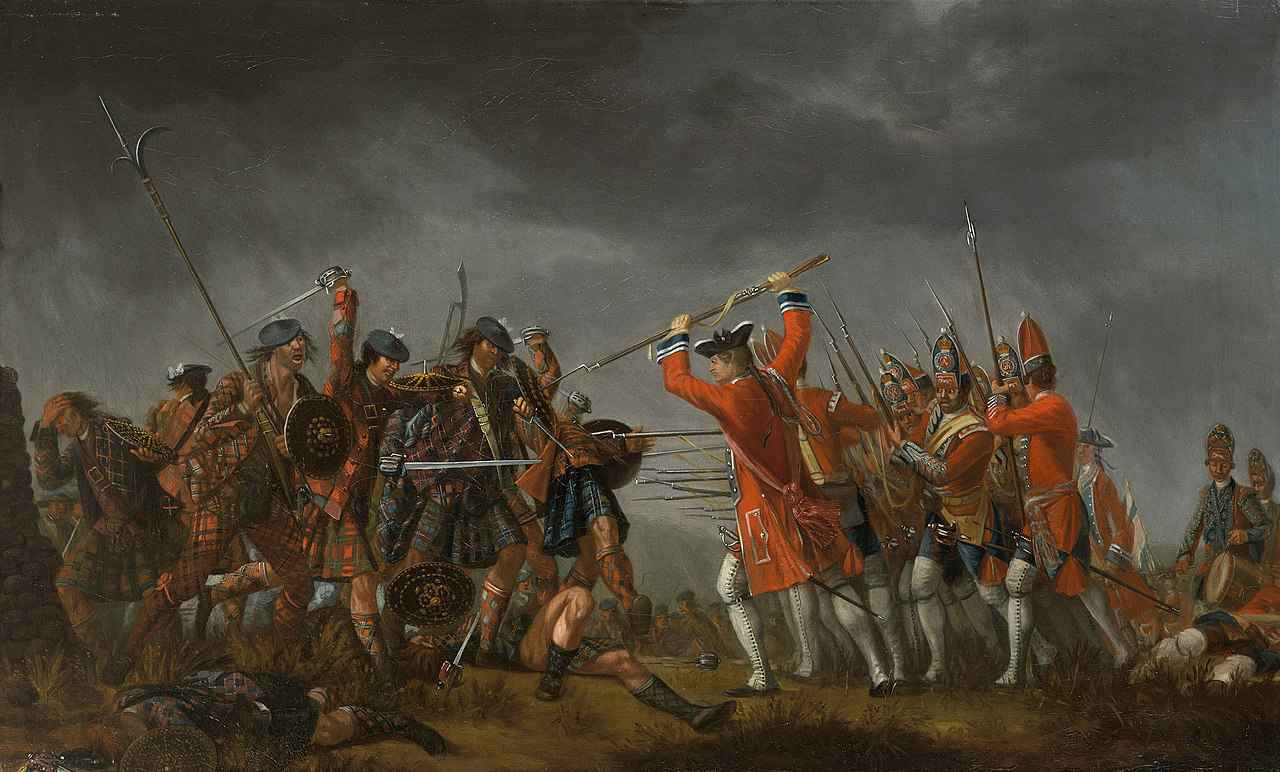
Investigate a crucial period in the formation of the British national identity, which featured political union and a growing range of social divisions in the British Isles as well as intense rivalry with France and dramatic imperial expansion.
Filter by:
Filters
Start month
Day of the week
Time of day
Investigate a crucial period in the formation of the British national identity, which featured political union and a growing range of social divisions in the British Isles as well as intense rivalry with France and dramatic imperial expansion.
In a lively mixture of talks and workshops, this term surveys the vast range of piano repertoire but technique and interpretation will also be discussed in the workshops. Students will have regular opportunities to play. Open to players of all levels.
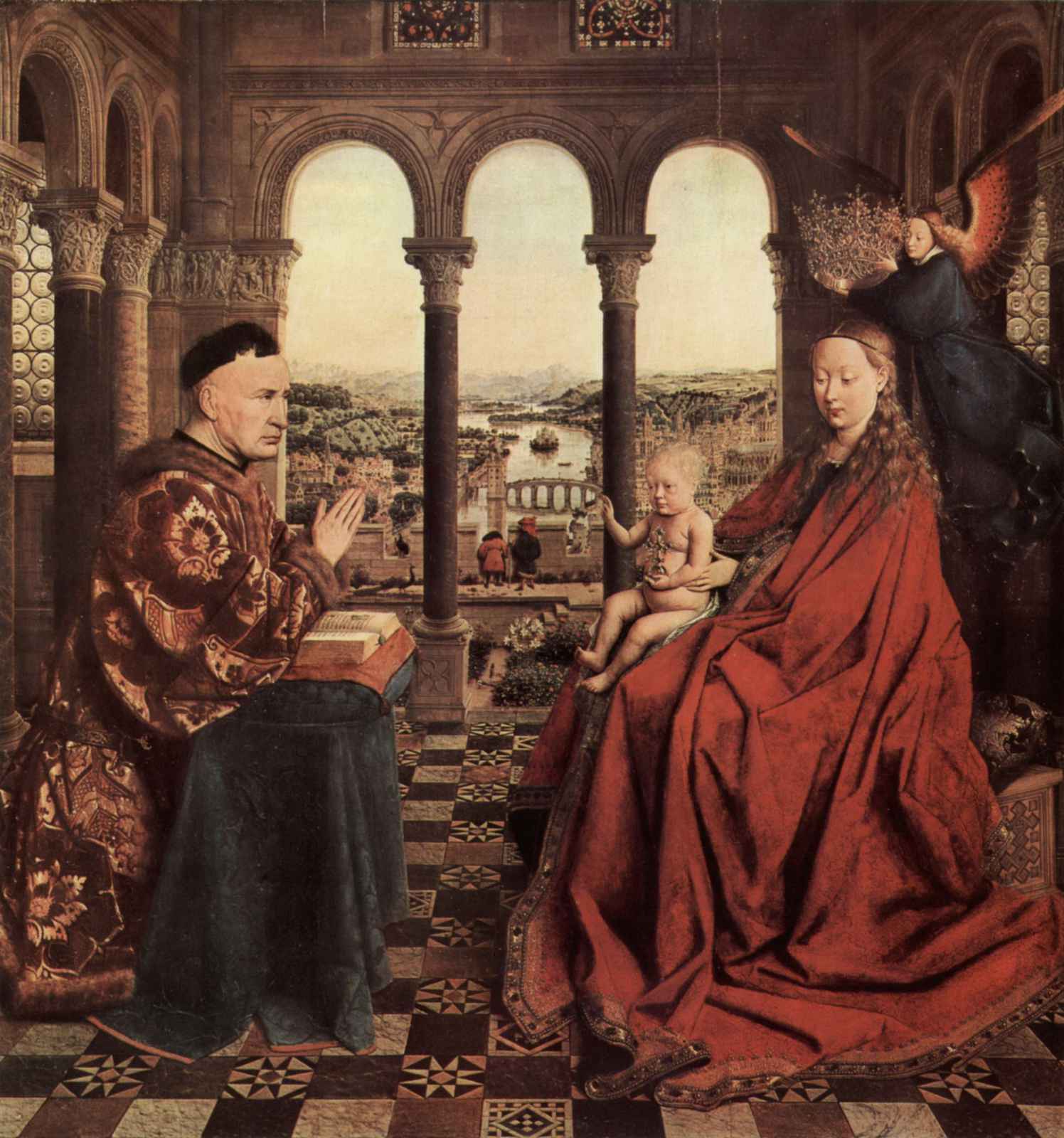
Discover the rich symbolism, striking realism and artistic innovation of Northern Renaissance painters like Jan van Eyck and Rogier van der Weyden, and explore how their work shaped the course of European art.

How can poetic form help you to turn the passion and intensity of life into memorable expressions? This course is for anyone who would like to start to write, or to write better, poetry.
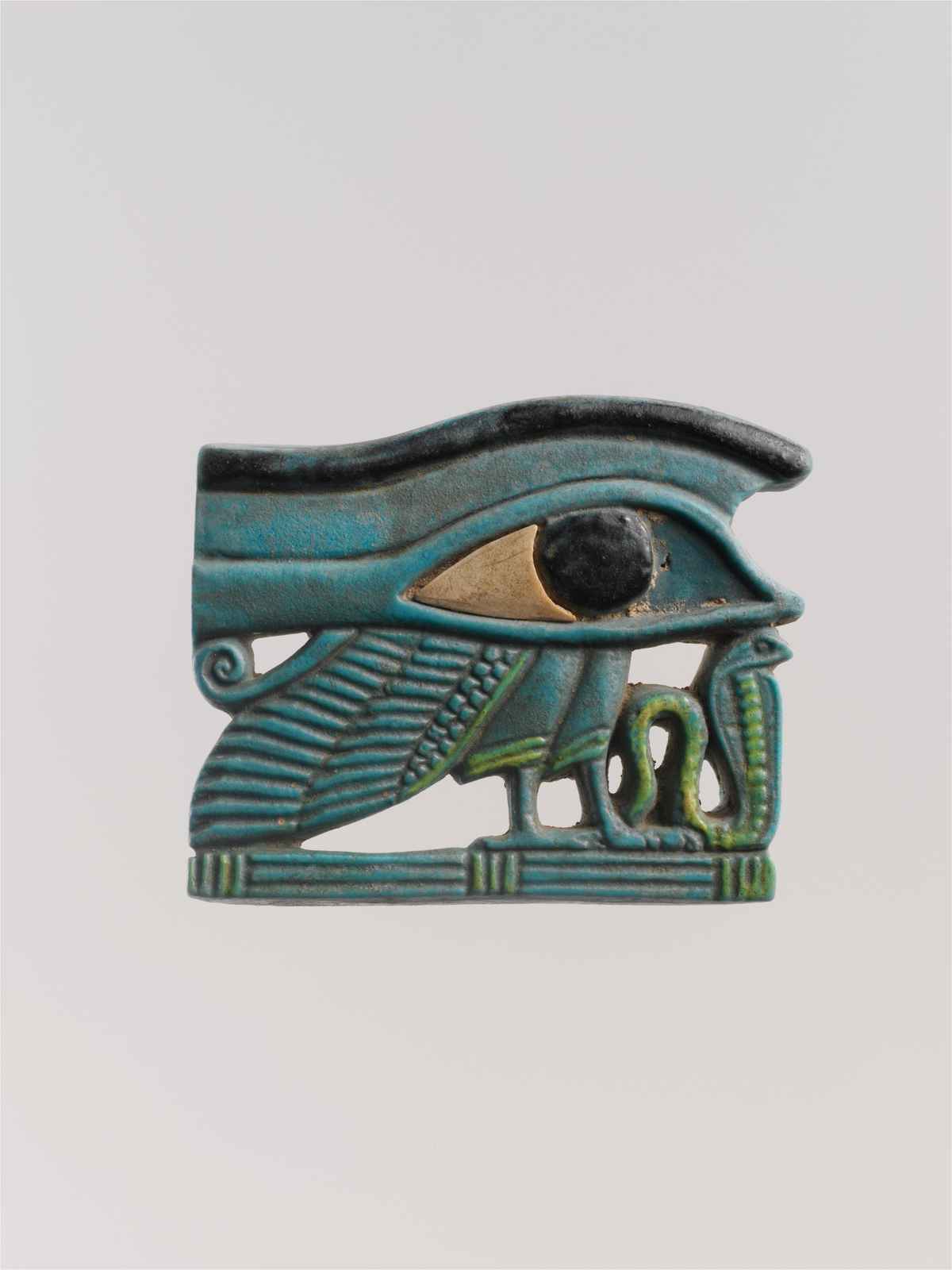
Explore the world of Ancient Egypt through the objects left behind in tombs. From iconic pieces to lesser-known finds, uncover the stories behind them, then visit the Ashmolean Museum to discover the challenges faced by today’s curators and conservators.
This course will look at masterpieces of railway architecture such stations grand and small, viaducts, bridges, tunnel portals, hotels and other kinds of structures which are to be found over and beside the railway track.
By common consent, Wolfgang Amadeus Mozart (1756 – 1791) is one of the greatest composers who ever lived. This course will trace his development through key musical genres to which he contributed. No specialist knowledge is needed for full participation.
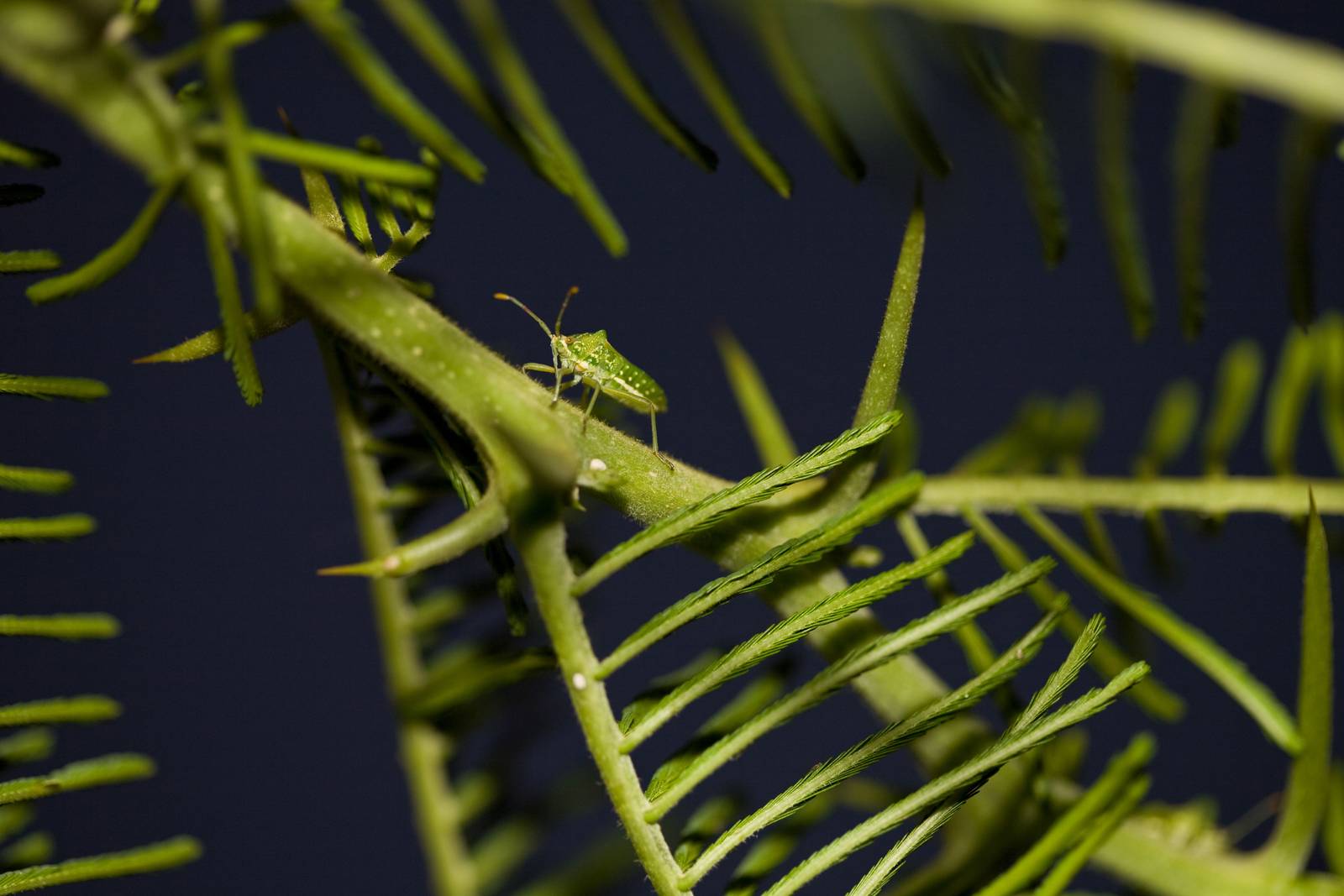
How does the stationary nature of plant life necessitate its connections with other living things? The course will explore plant behaviour as positive, negative, and neutral interactions with microbes, animals, plants, as well as humans.

Everything you wanted to know about fossils - from the very first life (the 'weird and wonderfuls') to the multitude of life through geological time. The main groups are covered, how they lived, how they died and environmental information they provide.
Is free will an illusion—one over which we would have no control? If it is real, what does it mean to have it, and who (or what) possesses it? Is free will unique to humans, or might it extend to other animals—or even to artificial systems?

Join this interactive course to further develop your basic German language skills and enjoy exploring the culture. For those who have completed Beginners - Part 1 and new students who have studied the language formally for one term.

Explore the language and culture of German-speaking countries and develop your proficiency through this interactive class. A Lower Intermediate continuation course providing progression for students who completed German: Lower Intermediate - Part 1.