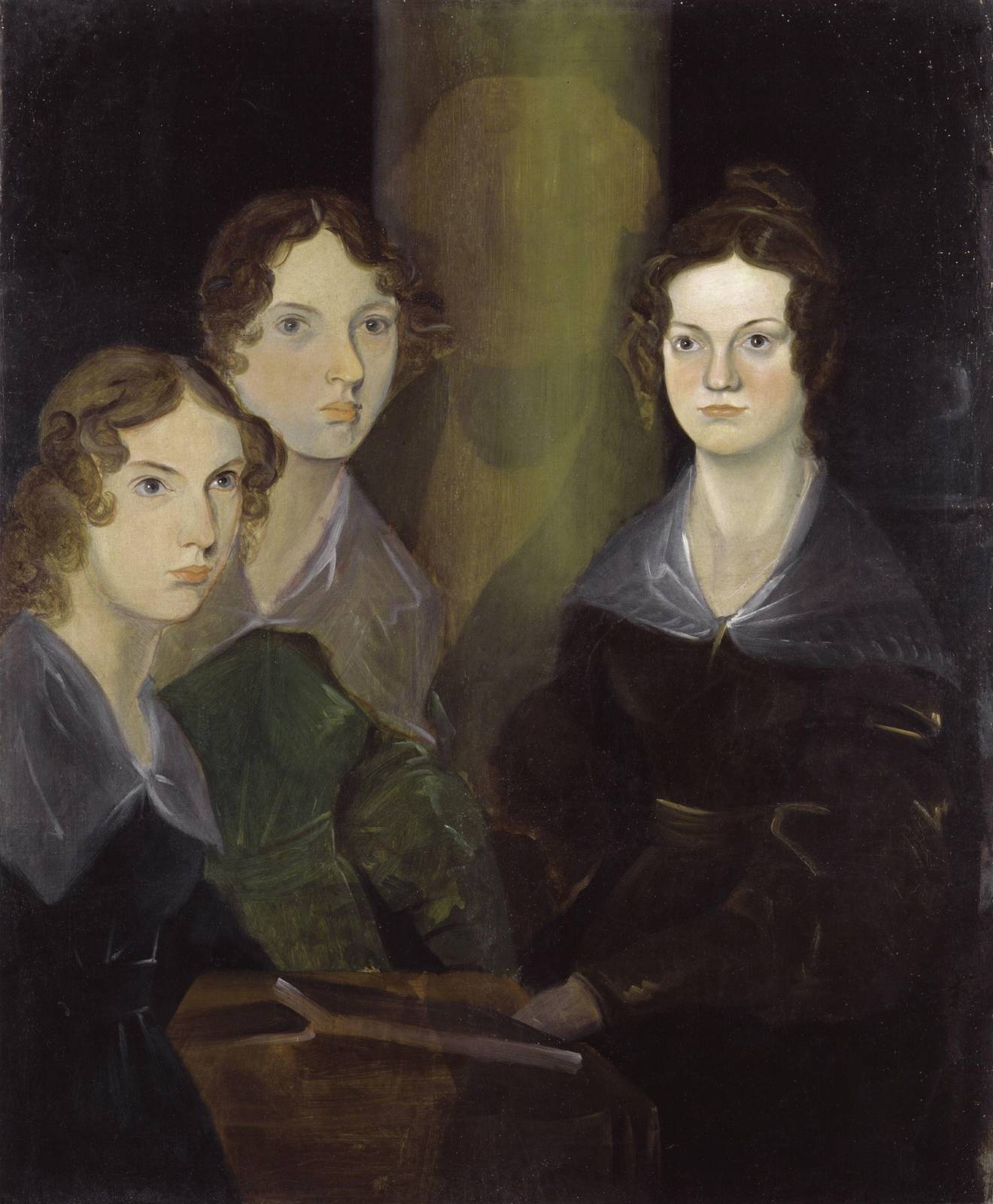
This lecture will explore Wuthering Heights, examining Heathcliff’s origins and moral ambiguity, the novel’s complex structure and doublings, its ambiguous ending, and the enduring legacy of the Brontës nearly 180 years on.
Filter by:
Filters
Start month
Day of the week
Time of day
This lecture will explore Wuthering Heights, examining Heathcliff’s origins and moral ambiguity, the novel’s complex structure and doublings, its ambiguous ending, and the enduring legacy of the Brontës nearly 180 years on.

A dynamic and interactive French conversation class which will refine your French conversational skills in a range of familiar situations at work, place of study, leisure places or whilst travelling abroad.

Join us for this introduction to the art historian’s key skills, whether you wish to enhance your enjoyment of art or equip yourself for further study.

Infectious disease modelling utilises data and our understanding of disease biology to provide public health insights. Aimed at a general audience, this course will cover methods for modelling disease transmission in statistical programming language R.

Enhance your Italian conversational skills in a range of simple everyday situations with our elementary-level conversation class, designed for learners with a basic foundation in the language.

Enhance your Italian listening comprehension and speaking skills, accuracy and fluency to improve your conversational proficiency across various everyday contexts.
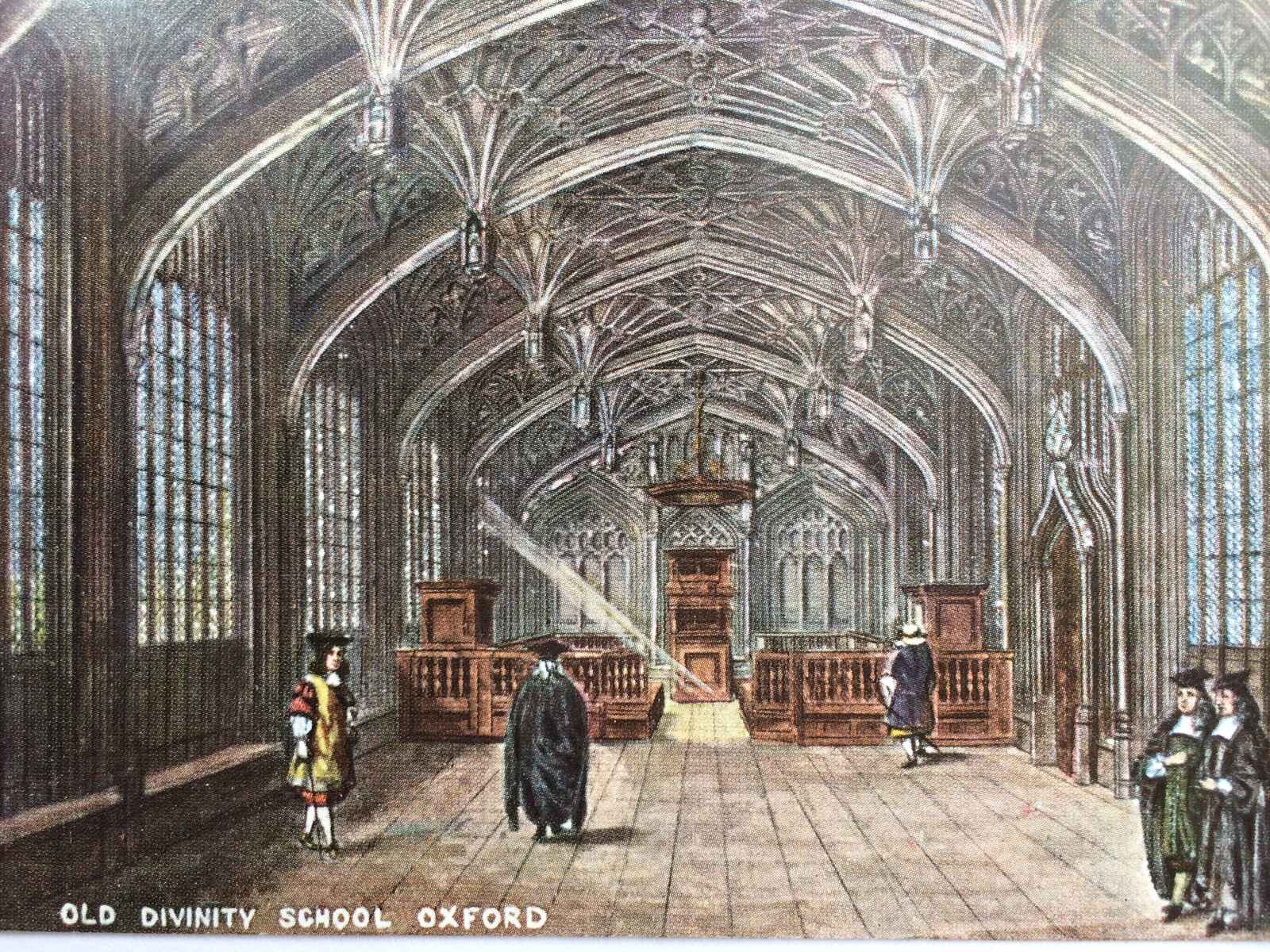
This course explores how Oxford became a centre for learning in the middle ages, as well as a centre for trade and government. It examines the sponsorship of its splendid buildings and collections as well as the tensions between townspeople and scholars.
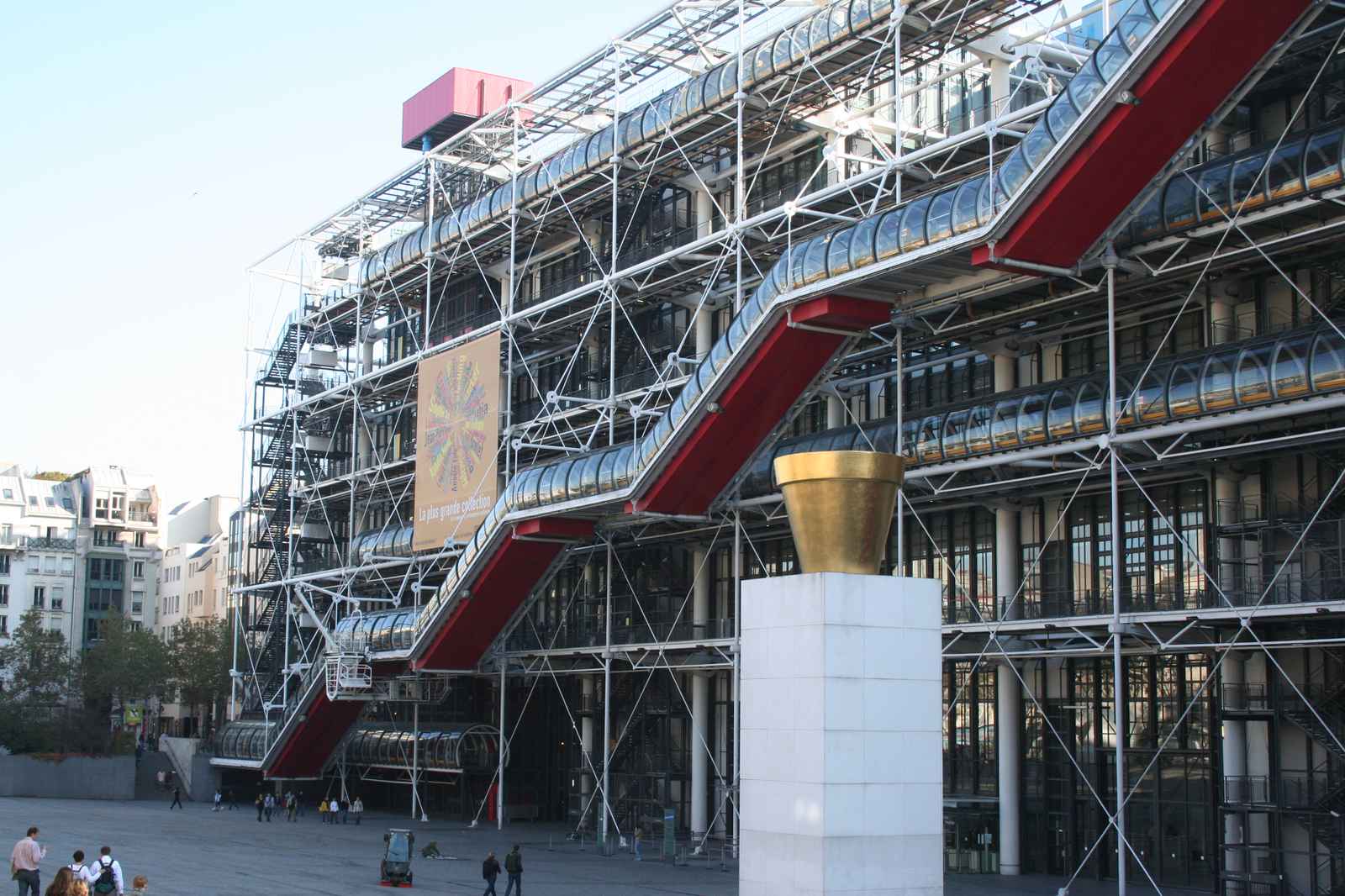
From the 1970s onwards Norman Foster and Richard Rogers have shown the international impact that British architecture has made. Followed up by UK based practices such as Zaha Hadid's they have together pioneered styles from HiTech to Complex Curves.
Through studying influential philosophers and reflecting on our engagement with art, we explore: the nature and value of art; learning from art; enjoyment of art; art's role in our lives; originality, expression, creativity and inspiration.
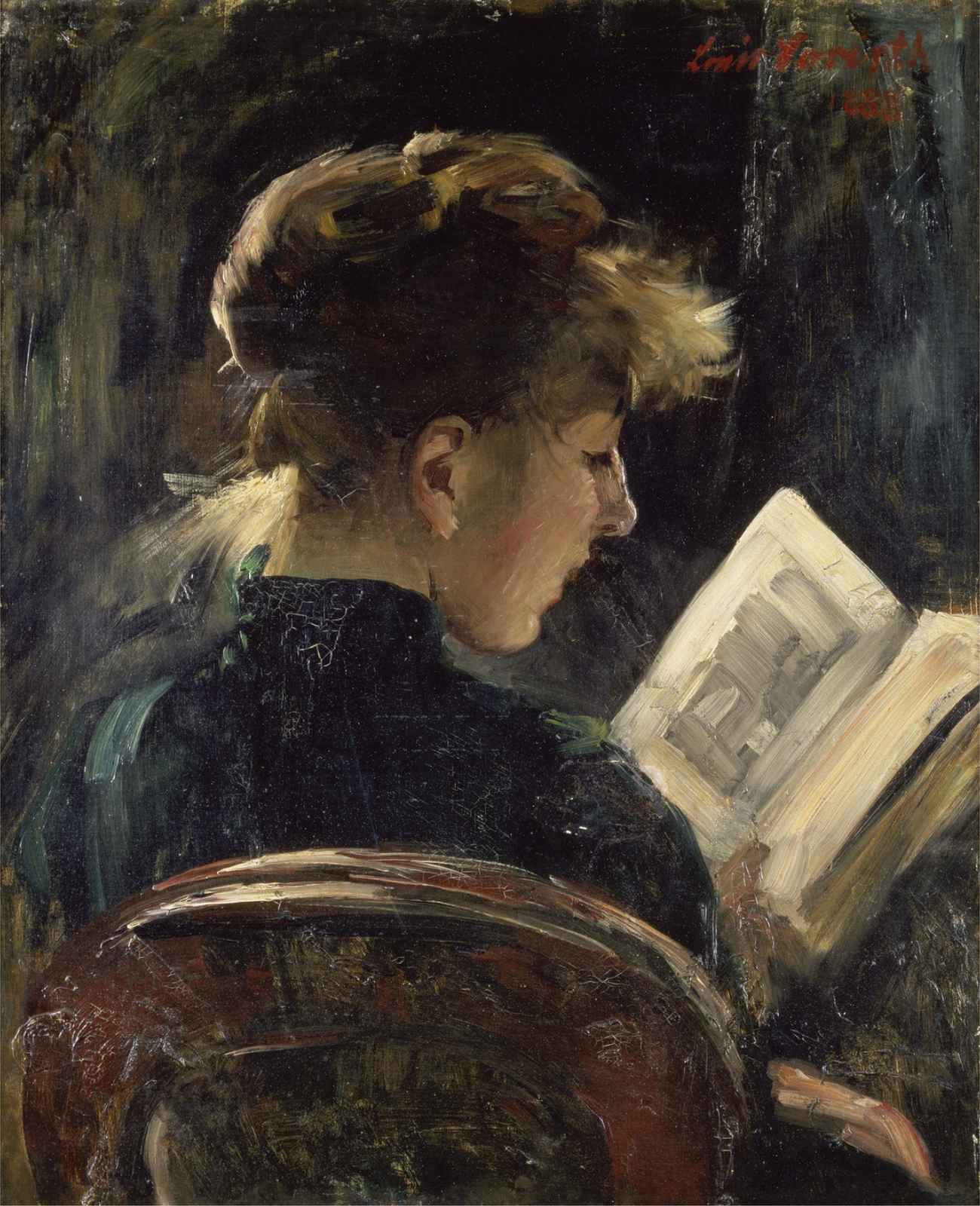
The 'novel' genre was given its name because it was new and innovative. But what was novel about novels? How did they come about? And why were they immediately so popular? This course considers how and why the novel began.
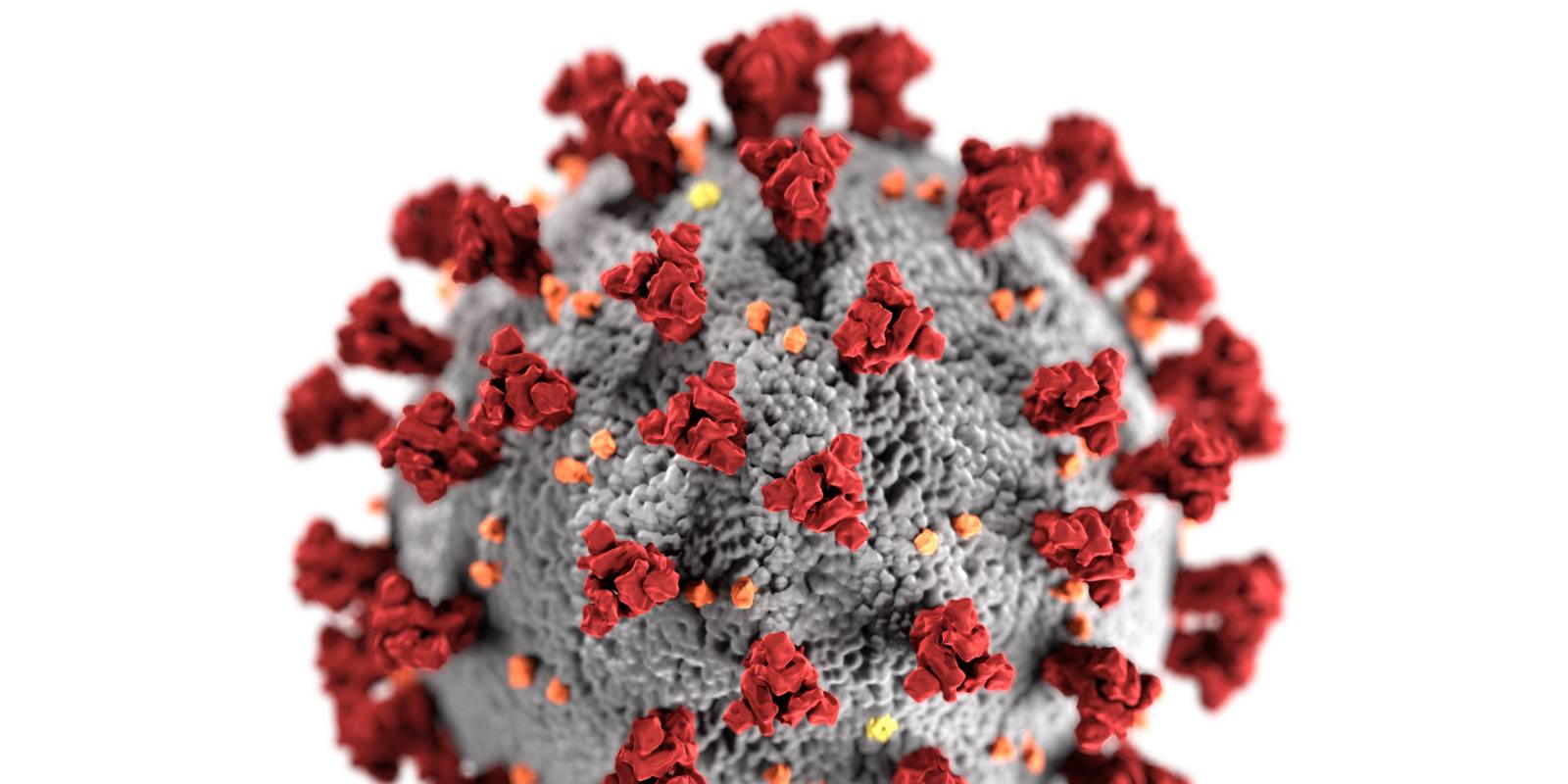
What happens when a virus enters the human body? This course explains all, focusing particularly on how viral diseases develop at a molecular level, exploring cellular biology, genetics, the body’s defences and anti-viral therapeutics.
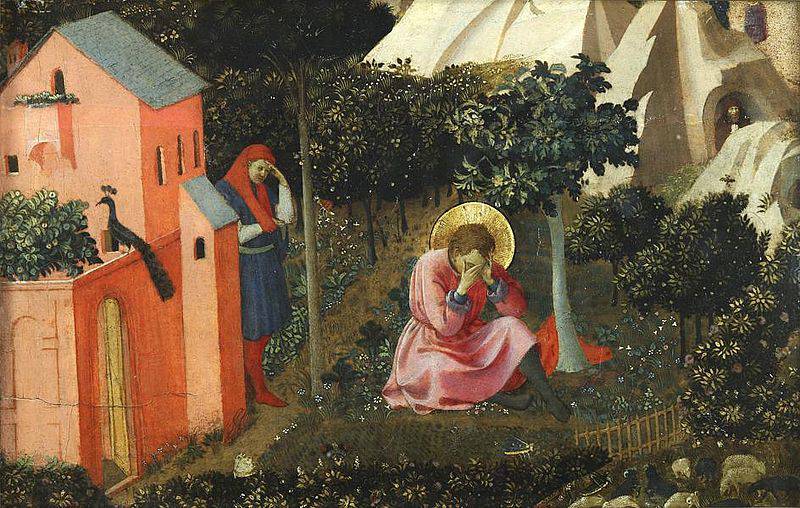
Come immerse yourself in Augustine's Confessions, a profound reflection on the inner life and motivations of one of history's greatest thinkers and writers. The course combines historical, literary, religious, philosophical and psychological approaches.