
Can we re-frame heritage loss? This transdisciplinary course will explore how to manage transformative change in the historic environment to generate both ecological and cultural benefits. Join online or in-person to stay on top of emerging ideas.
Filter by:
Filters
Start month
Day of the week
Time of day
Can we re-frame heritage loss? This transdisciplinary course will explore how to manage transformative change in the historic environment to generate both ecological and cultural benefits. Join online or in-person to stay on top of emerging ideas.

Explore issues and methods involved in conducting qualitative and/or ethnographic research in the social sciences related to the digital with this online course.

Being able to effectively read large amounts of academic literature as well as reading beyond the descriptive and being critical of what is written are essential skills for the researcher.

Discounted package for all 6 postgraduate research skills training sessions (Academic Reading: Approach and Critique; Writing an Abstract; Improving Your Presentations; Writing Your Methodology; and Research Interviews: Styles and Techniques).

Consider the nature of different perspectives (epistemology and ontology) that are often knowingly and unknowingly held by individuals.

This interactive and practical session will consider how to write a clear and effective abstract in various different academic contexts.

The session is participatory and will focus on ways of improving the effectiveness of your presentations and developing confidence in delivering them.

Your methodology chapter is vital. Examine how we can come to know and inform others about each unique approach to original research through various methodologies. Part of the Graduate School's postgraduate research skills training programme.

In this hybrid session we will not only examine the interview as a research method we will explore how it goes beyond the spontaneous conversations that take place every day. Part of the Graduate School's postgraduate research skills training programme.
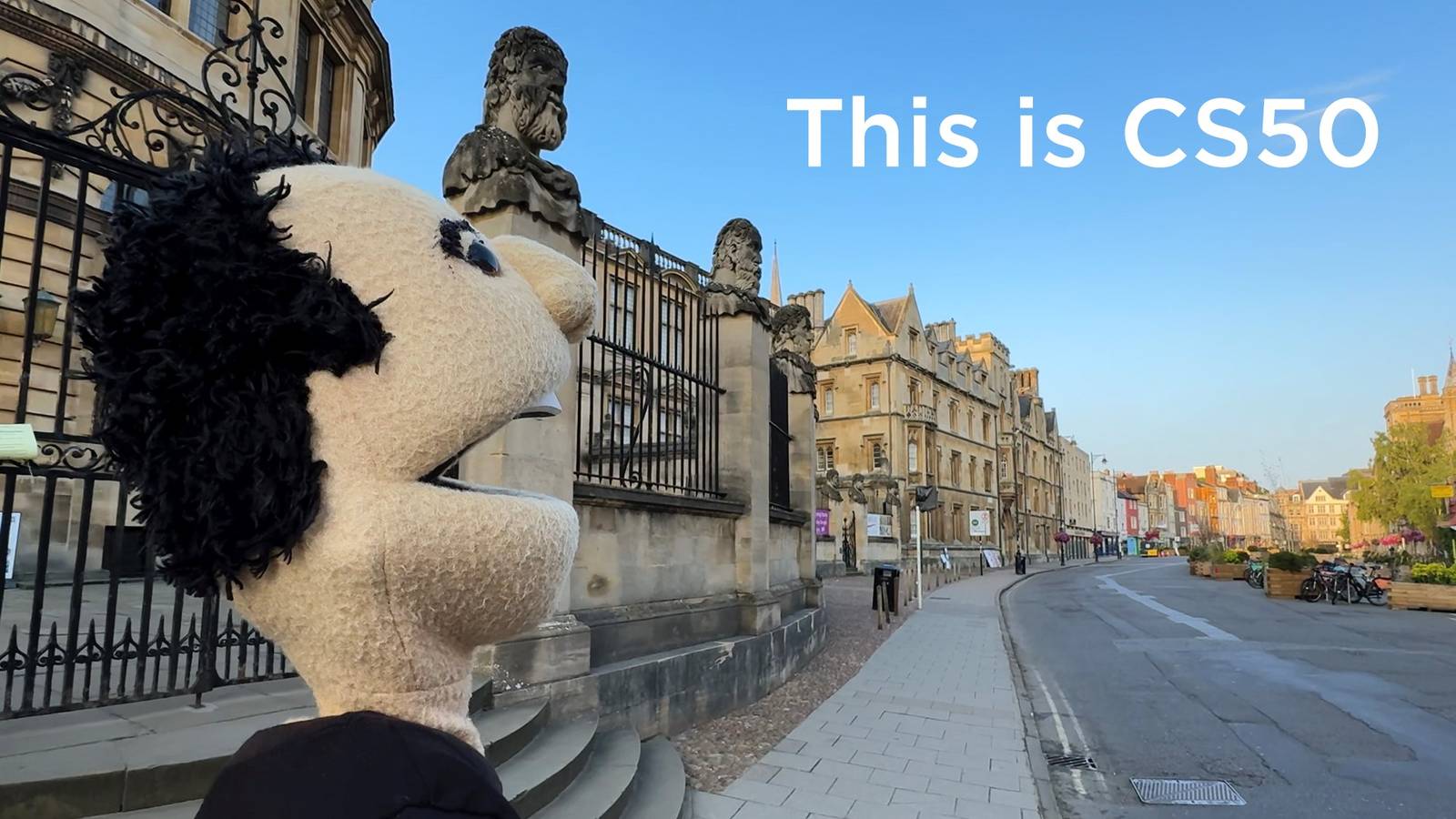
Based on Harvard's famed introductory course in computer science, CS50 is now available at Oxford. This course teaches you how to solve problems, both with and without code, with an emphasis on correctness, design, and style.

This course introduces you to the basic principles of Classical Latin. It provides a firm basis of grammar, sentence structure and vocabulary of the language, through which you will be able to read and translate into English Roman drama in adaptation.

The First World War was a cataclysmic event. This course examines international relations before 1914, the countries which fought the war, how it started, the expectations of the participants, and assesses the war's historical significance,