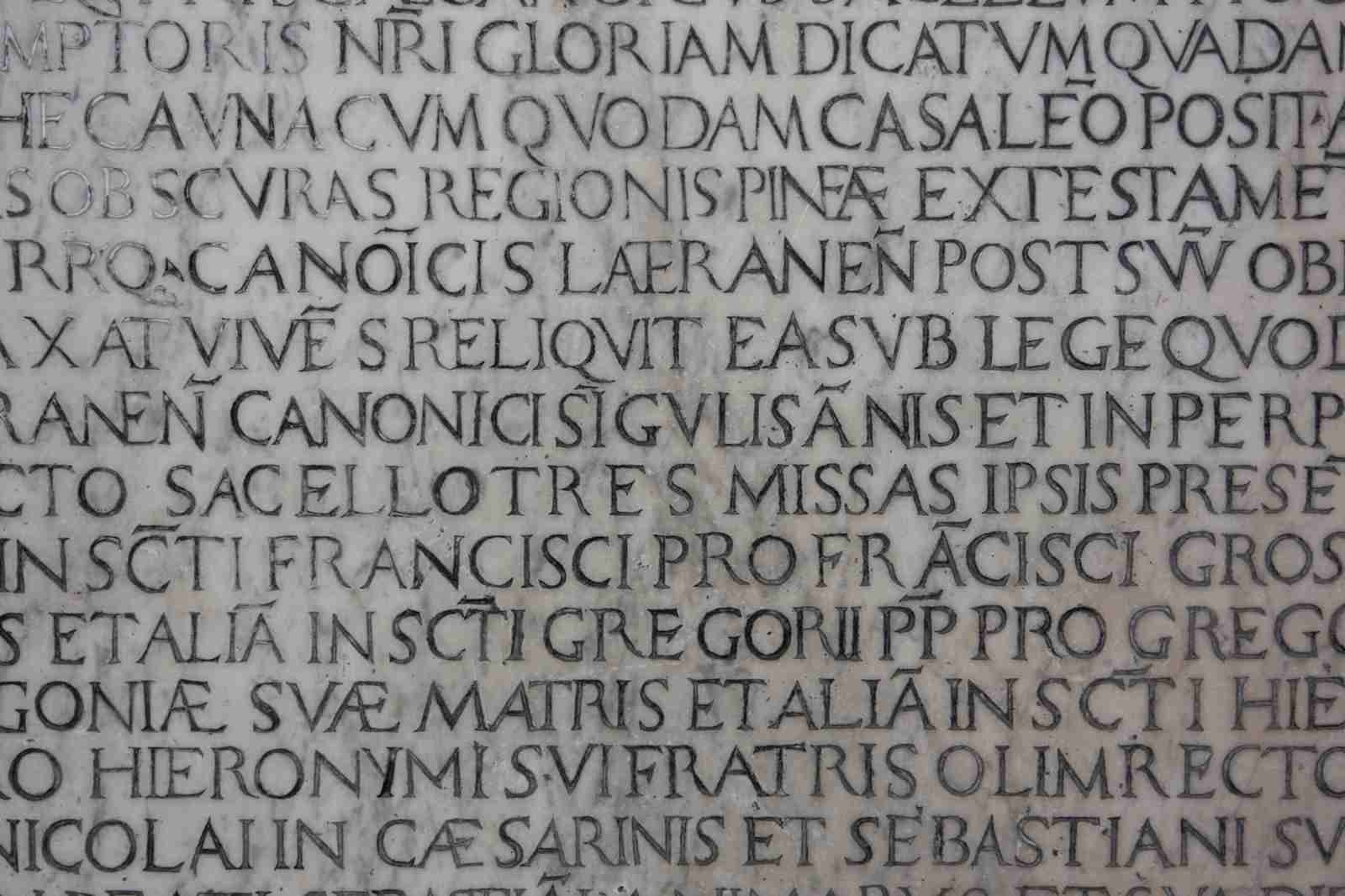
This course continues to introduce the basic principles of Classical Latin. It provides a firm basis of grammar, sentence structure and vocabulary of the language, through which you will be able to read and translate Roman drama in adaptation.
Filter by:
Filters
Start month
Day of the week
Time of day
This course continues to introduce the basic principles of Classical Latin. It provides a firm basis of grammar, sentence structure and vocabulary of the language, through which you will be able to read and translate Roman drama in adaptation.

This course provides a detailed introduction to, and encompasses the fundamentals of macroeconomics. On completion of the course you will have the ability to critically assess real-world macroeconomic developments at first-year undergraduate level.

This course provides a detailed introduction to microeconomics. On completion of the course, students will have the ability to understand and apply the principles of microeconomics at first-year undergraduate level.

The philosophy of mind is concerned with questions about the nature of mind and the relation between our minds and the physical world. This course provides an introduction to the mind body problem, one of the most intractable problems in philosophy.

This course introduces the science of psychology, exploring the richness of human functions, uncovering the brain's secrets and revealing its complexities. Studies from biological, psychodynamic, cognitive, behavioural and social approaches are presented.

Gain insight into the most important programming tools using the Python programming language, for obtaining data, bringing it into a usable form, exploring and modelling it, and for presenting discoveries to a wider audience.
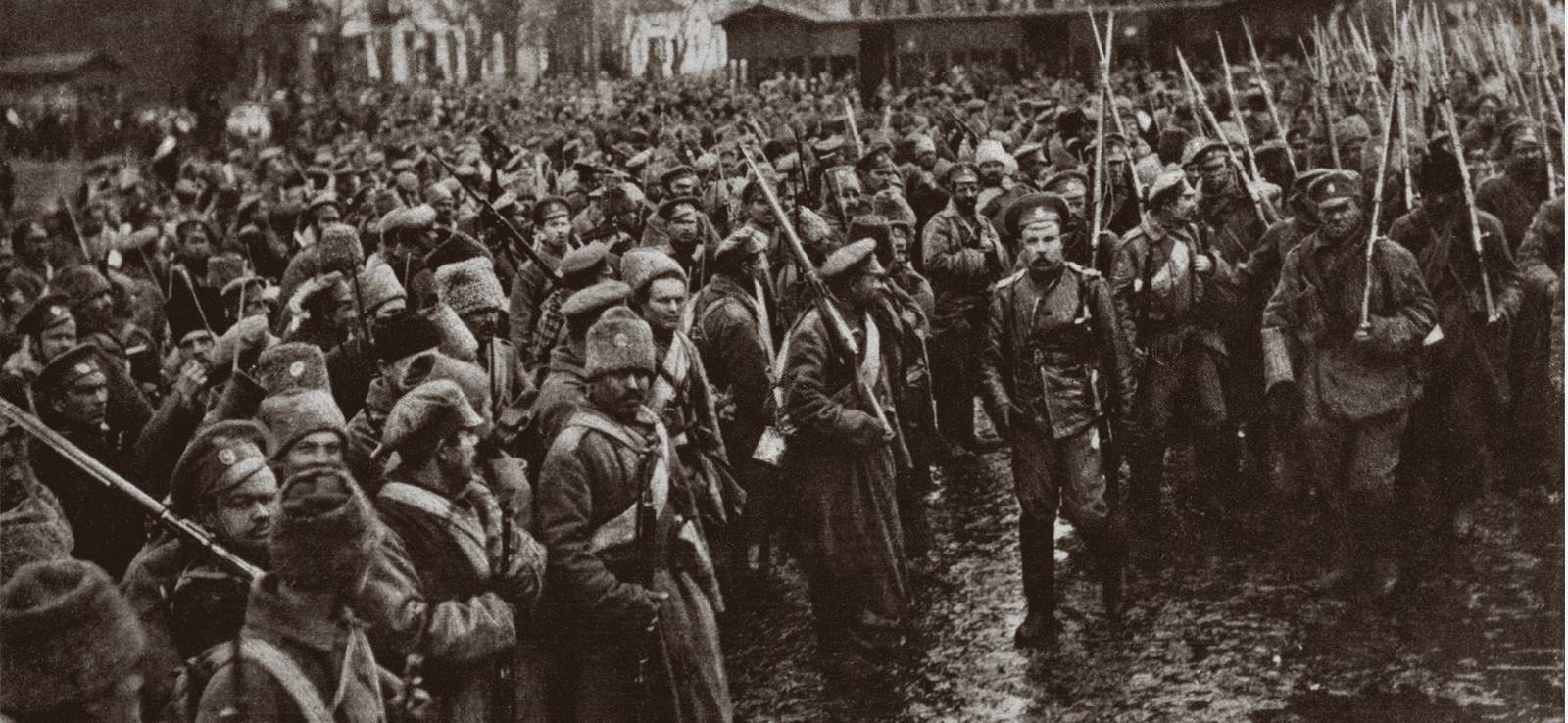
The Second World War’s origins lay in the economic and political instability which dominated the years after 1919. During this short online course, explore and analyse how such a terrible conflict could have started.
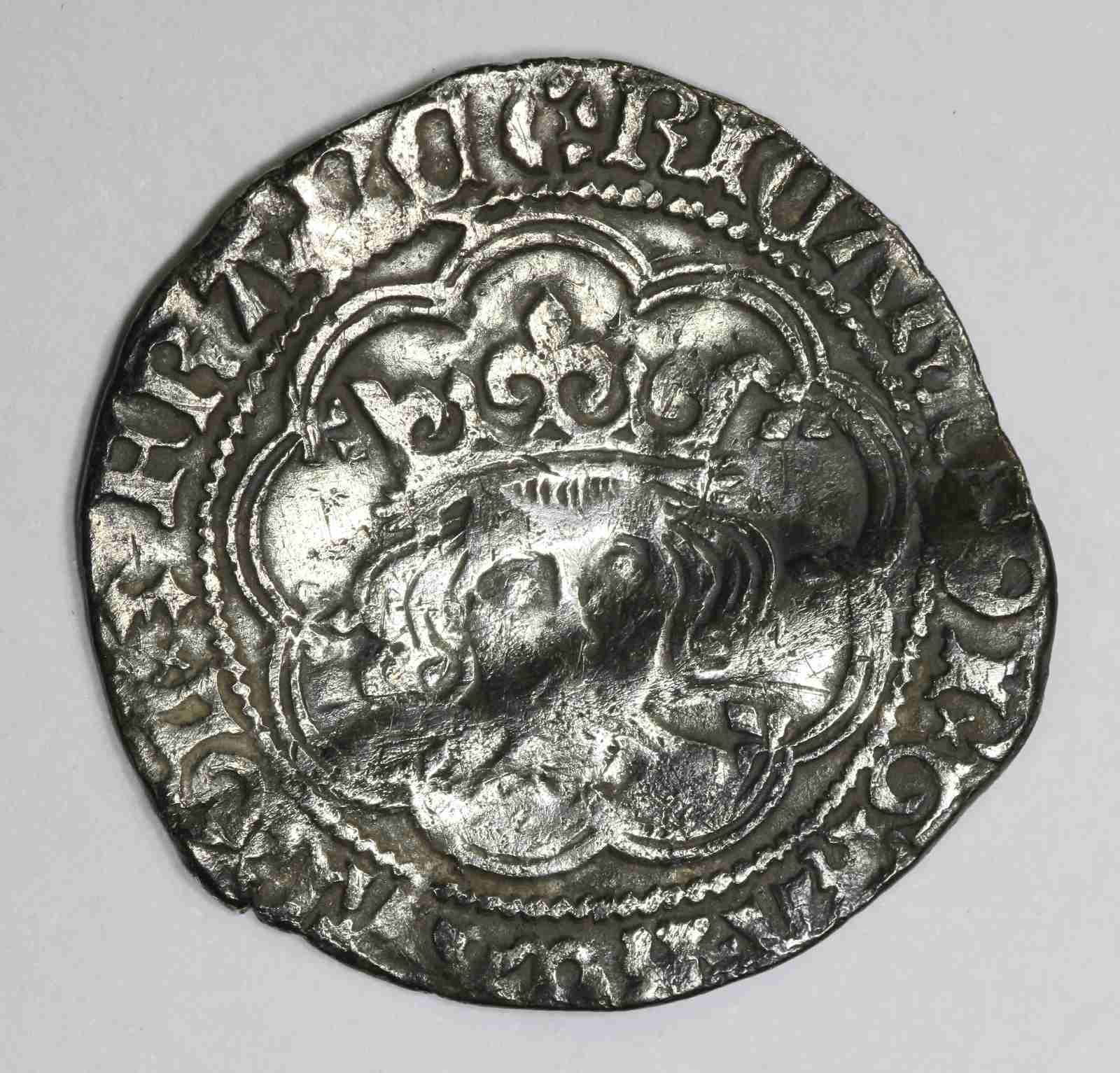
The recent discovery of Richard III's remains in Leicester highlights the dynamic new research being conducted into the period known as the Wars of the Roses. This course asks students to engage with the latest work on this exciting and tumultuous period.

This course will focus on works by four of the era's major figures - Anthony Trollope, George Eliot, Charles Dickens and Thomas Hardy - identifying how the century's main preoccupations find substance in the work of its greatest writers.

Biodiversity loss is evident no matter where we live. To reverse the current decline, we need to understand how individual species interact with their environment, while also appreciating the practical strategies to monitor and conserve species.
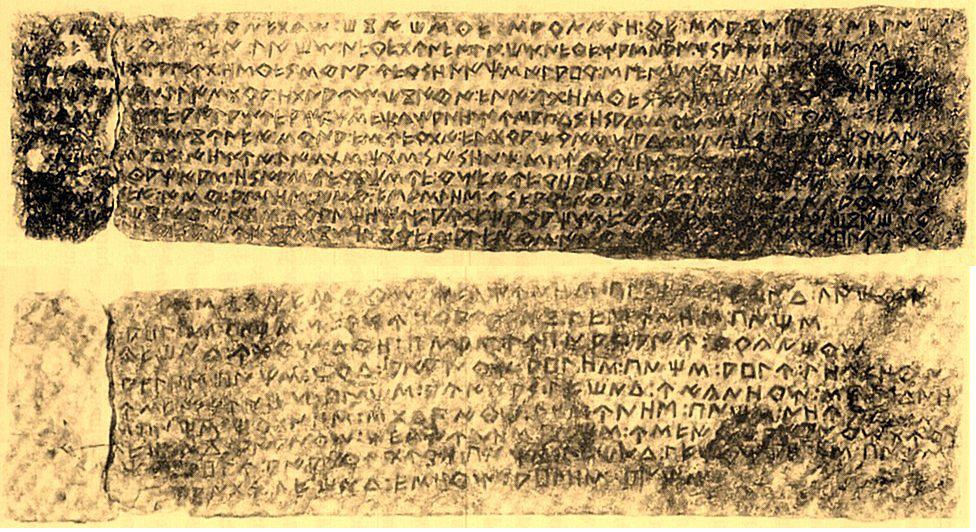
What do we really know about the Celtic world? These ancient communities left us captivating artefacts and imposing earthworks, but also with more subtle clues from which we can tease out the origins of the peoples who have come to be known as the Celts.

In World Archaeology we explore the emergence of past societies in multiple regions of the Earth. Some are mysterious and lost in the mists of time, while others underpin cultures that exist in our world today.