
During this course, we shall spend time getting to know a range of Shakespeare's plays in detail, supplementing this knowledge with information about their historical background, their theatrical history, and current critical debates.
Filter by:
Filters
Start month
Day of the week
Time of day
During this course, we shall spend time getting to know a range of Shakespeare's plays in detail, supplementing this knowledge with information about their historical background, their theatrical history, and current critical debates.
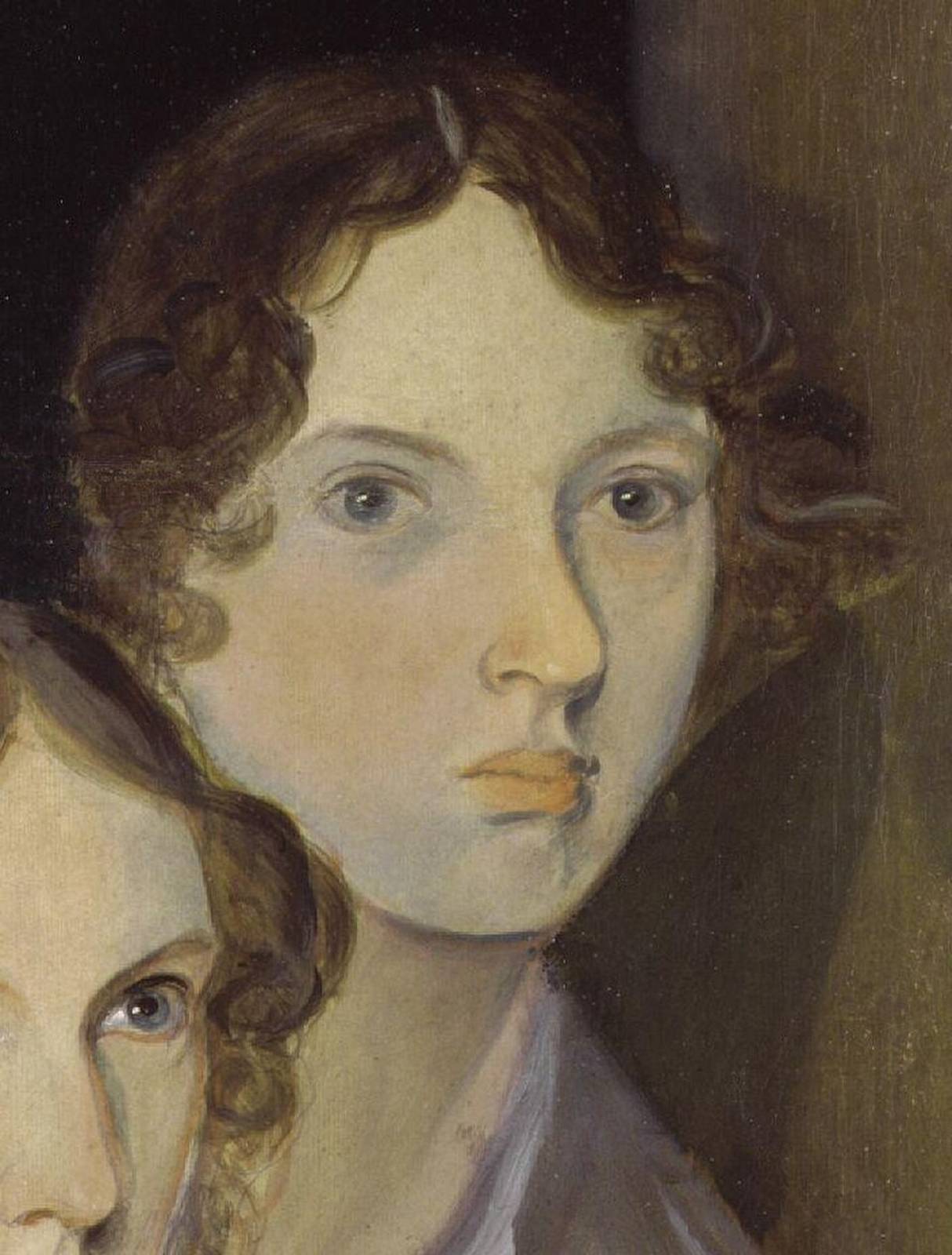
Huge changes occurred in 19th-century fiction – new subjects, new literary techniques. Here we shall explain and explore them. Authors include Jane Austen, Charles Dickens, Emily Brontë, Herman Melville, Gustave Flaubert and Charlotte Perkins Gilman.

This course introduces you to Old English literature: from tales of heroism, courage and fellowship, to poignant elegies of love and loss.

In this course we shall study five key novels of the twentieth century - by Fitzgerald, Faulkner, Silko, Morrison and Roth.
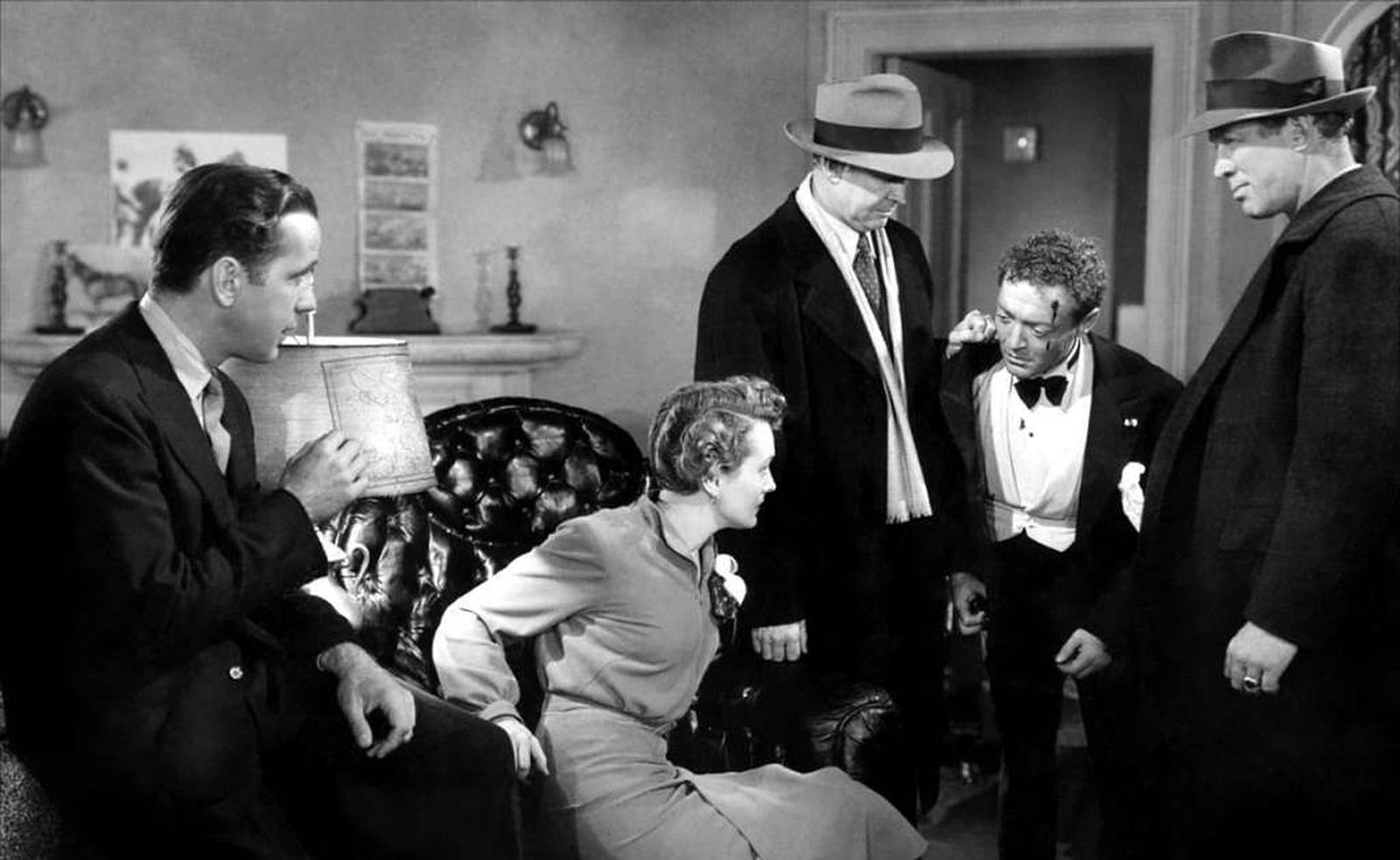
This day event explores 1940s film noir, which will be read through the contexts of the genre including their relationship to German expressionism, the legacy of fascism, and the pulp noir fiction of Raymond Chandler, Dashiell Hammett and James M. Cain.
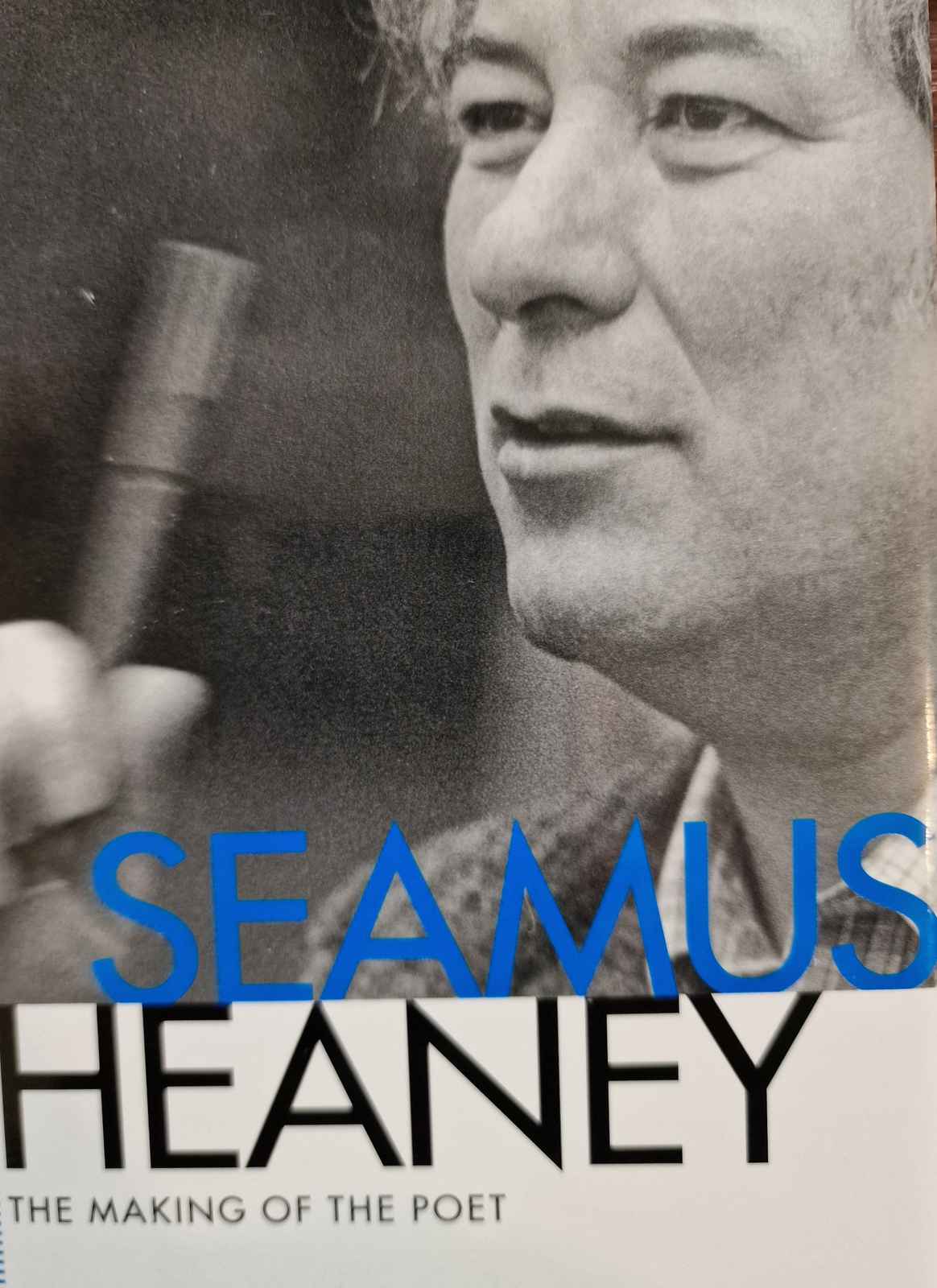
This course will offer an opportunity to explore Seamus Heaney's earliest poems in depth, and discover the particular contexts in which they were written, and the figures who played such a foundational role in his making as a poet.
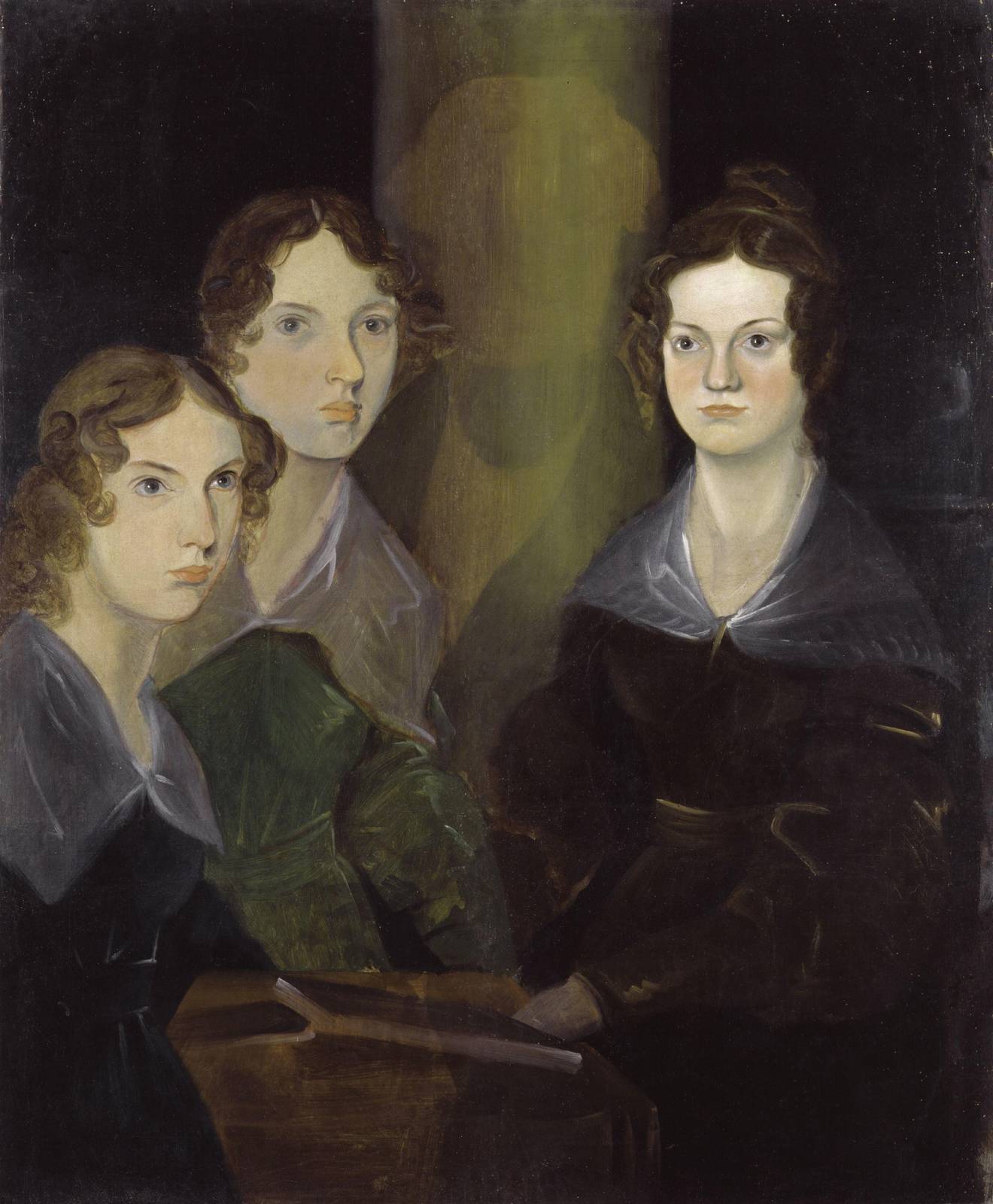
This lecture will introduce the Brontë sisters and Jane Eyre, exploring its style, themes, key passages, and debates around Rochester, narration, the supernatural, and the novel’s controversial dedication to Thackeray.
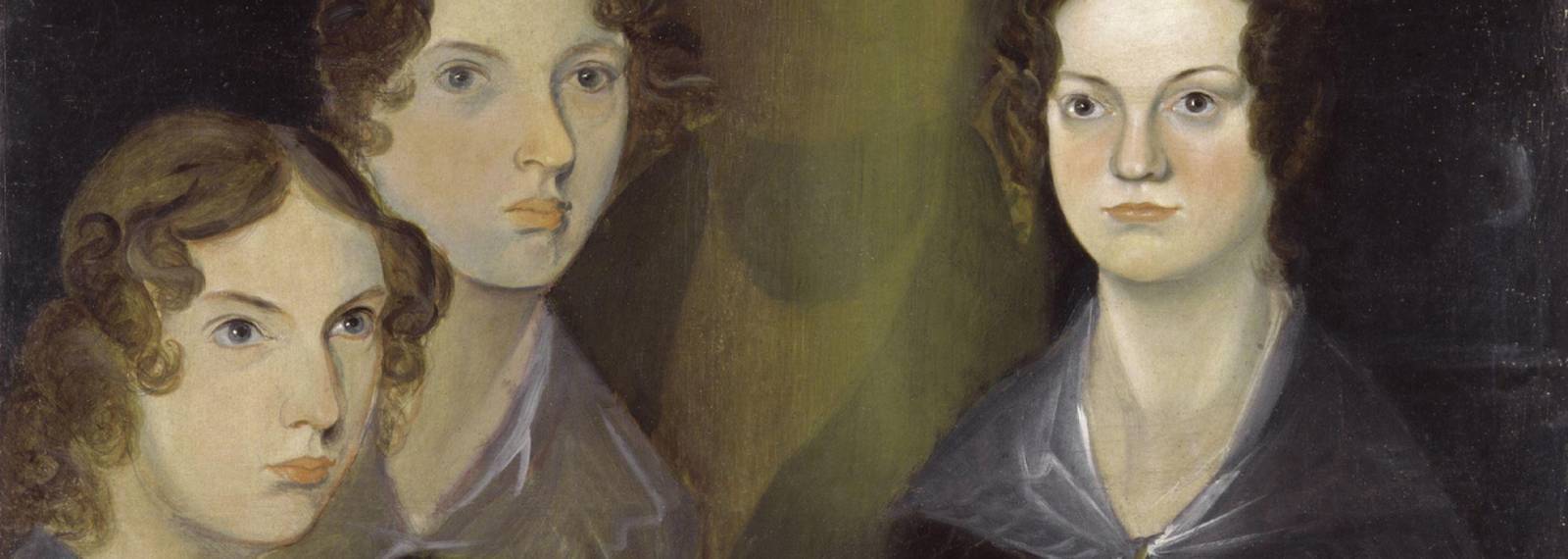
This lecture series will explore the lives and works of Anne, Charlotte, and Emily Brontë, examining how their remarkable imaginations produced six original, complex, and ground-breaking novels despite their confined lives.
The Modernist ‘Day Novel’ looks at 3 novels set over the course of a day: Untouchable by M. R. Anand (1935), Ulysses by James Joyce (1922), and Mrs Dalloway by Virginia Woolf (1925). 3 talks and a Q&A will consider the enduring appeal of the ‘day novel’.
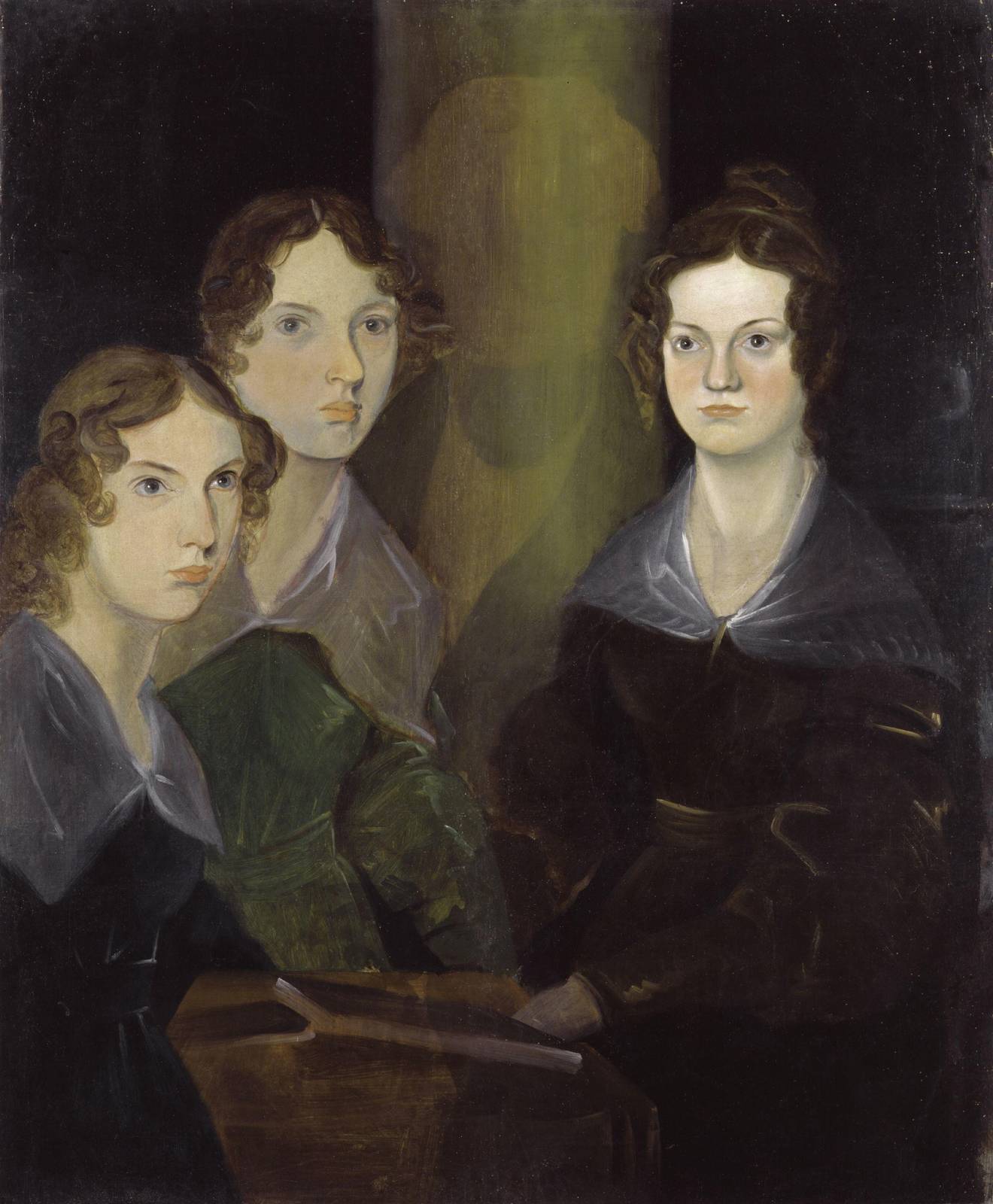
This lecture will explore Villette, examining Lucy Snowe’s unusual character, Brontë’s use of defamiliarization and withholding, the spectral nun, and the novel’s ambiguous and unexpected ending.
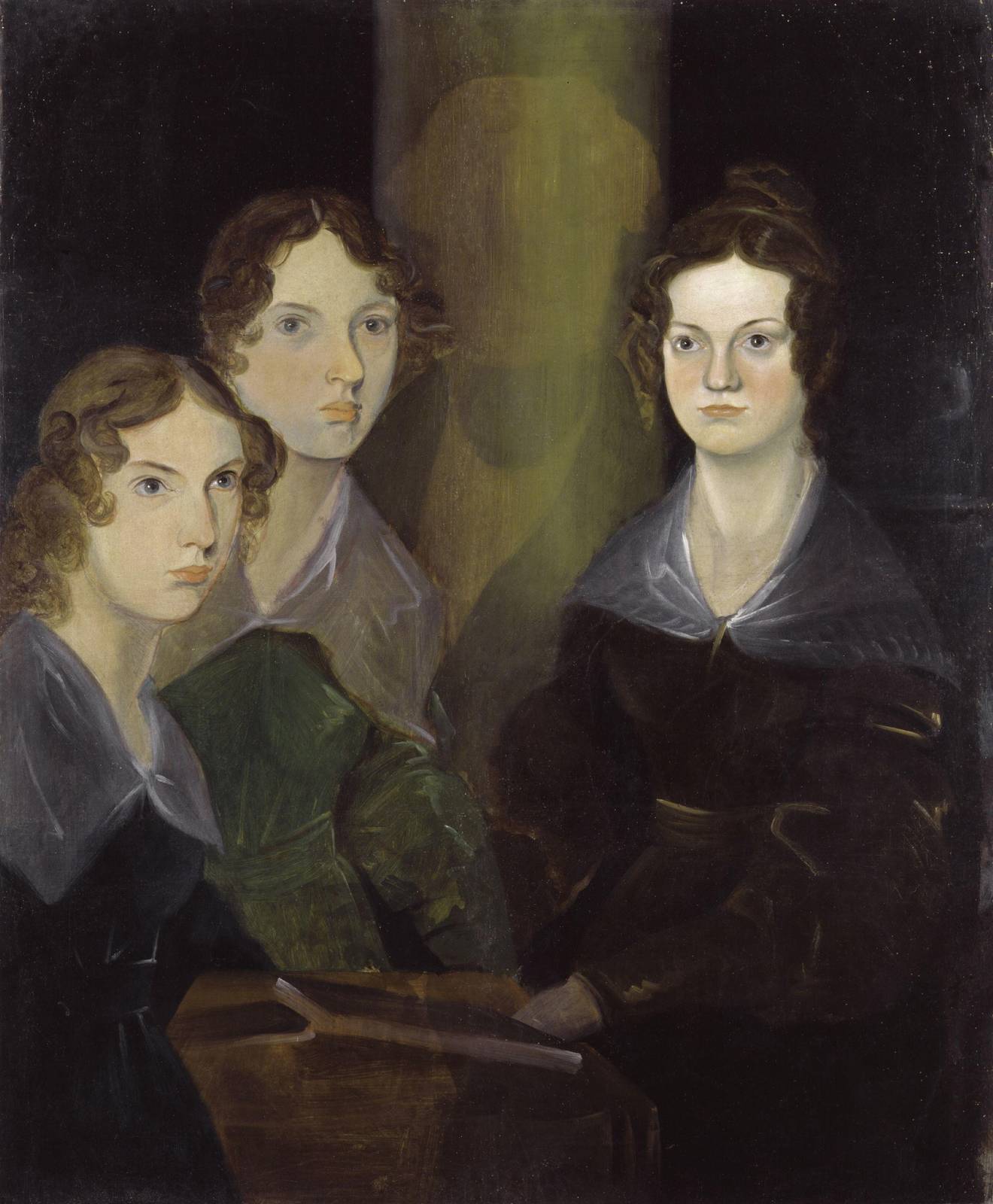
This lecture will examine Shirley, exploring its contrasting heroines and heroes, Brontë’s treatment of gender roles, and the novel’s claim to be an early industrial novel.
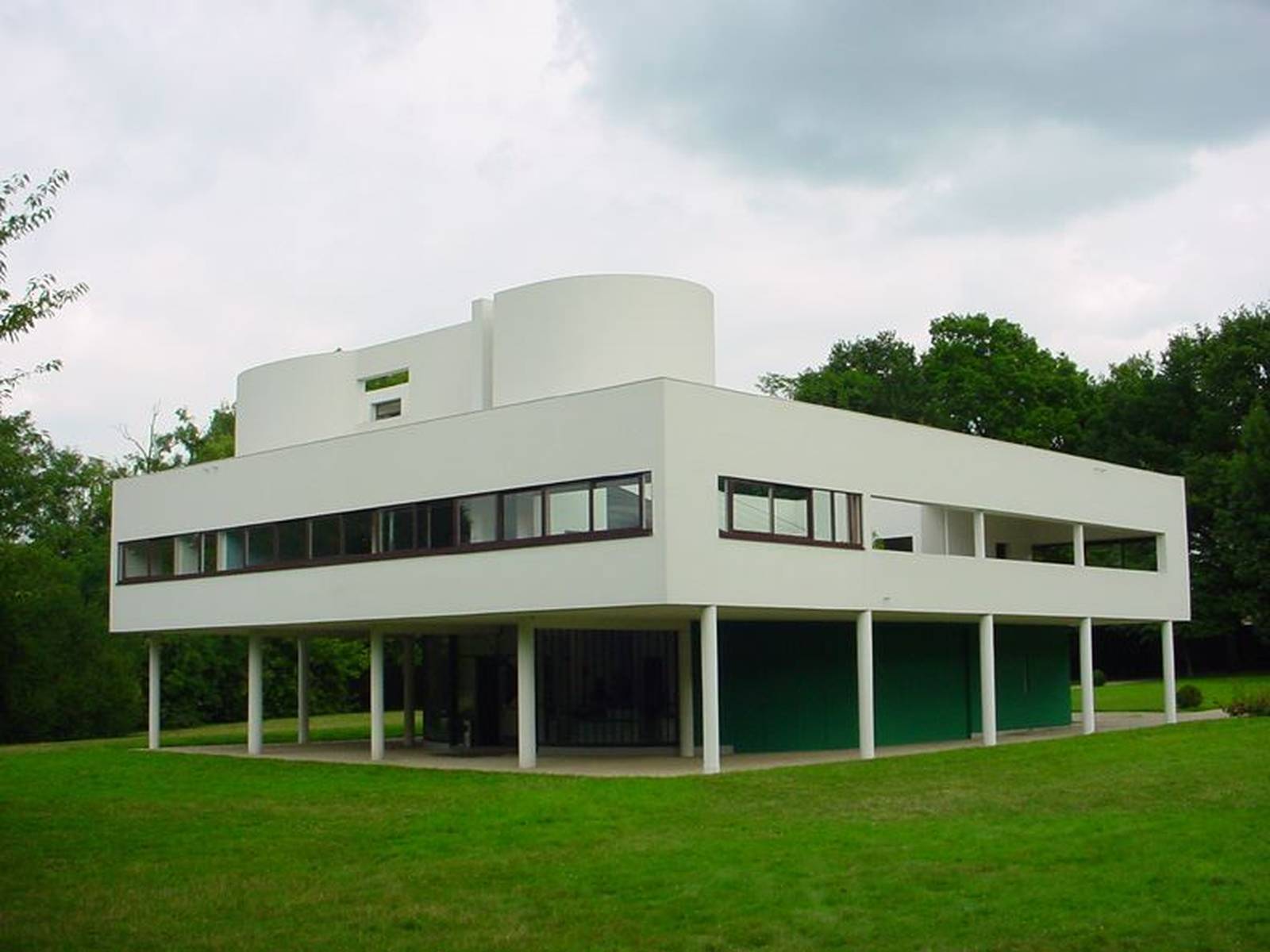
This lecture series will explore the art and architecture of the 1920s: the ‘Jazz Age’, which witnessed the earliest flowerings of Modernism. The ‘old’ was swept abruptly aside in favour of the ‘new’ - and the foundations were laid for the world of today.