
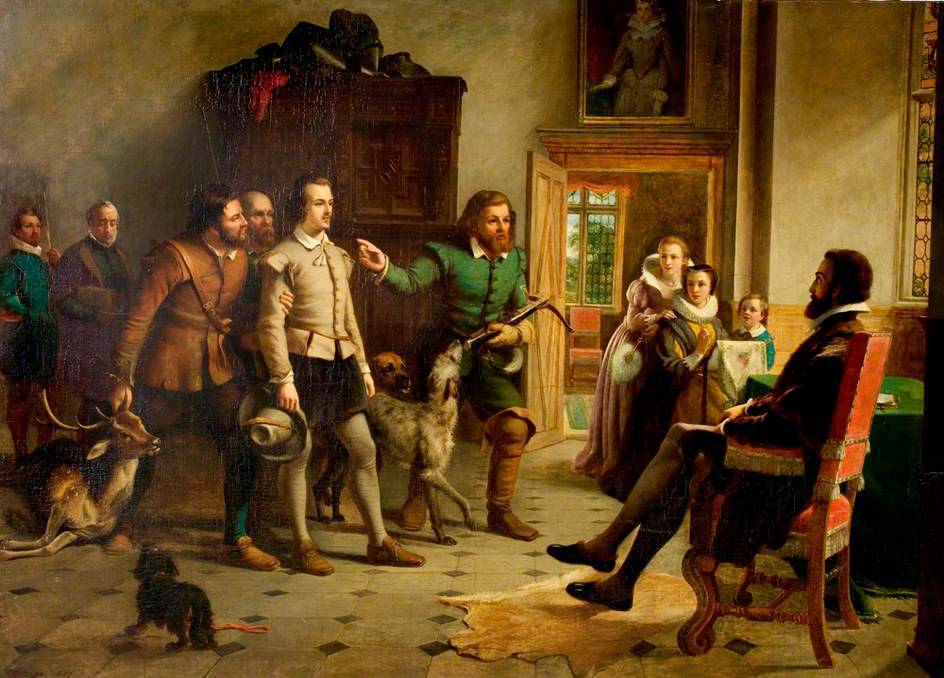
William Shakespeare's plays are world-famous. But in what kind of world did he live? Through local rivalries, feuding families, legal disputes and high politics, we investigate everyday life in Shakespeare's England.
Filter by:
Filters
Start month
Day of the week
Time of day
William Shakespeare's plays are world-famous. But in what kind of world did he live? Through local rivalries, feuding families, legal disputes and high politics, we investigate everyday life in Shakespeare's England.
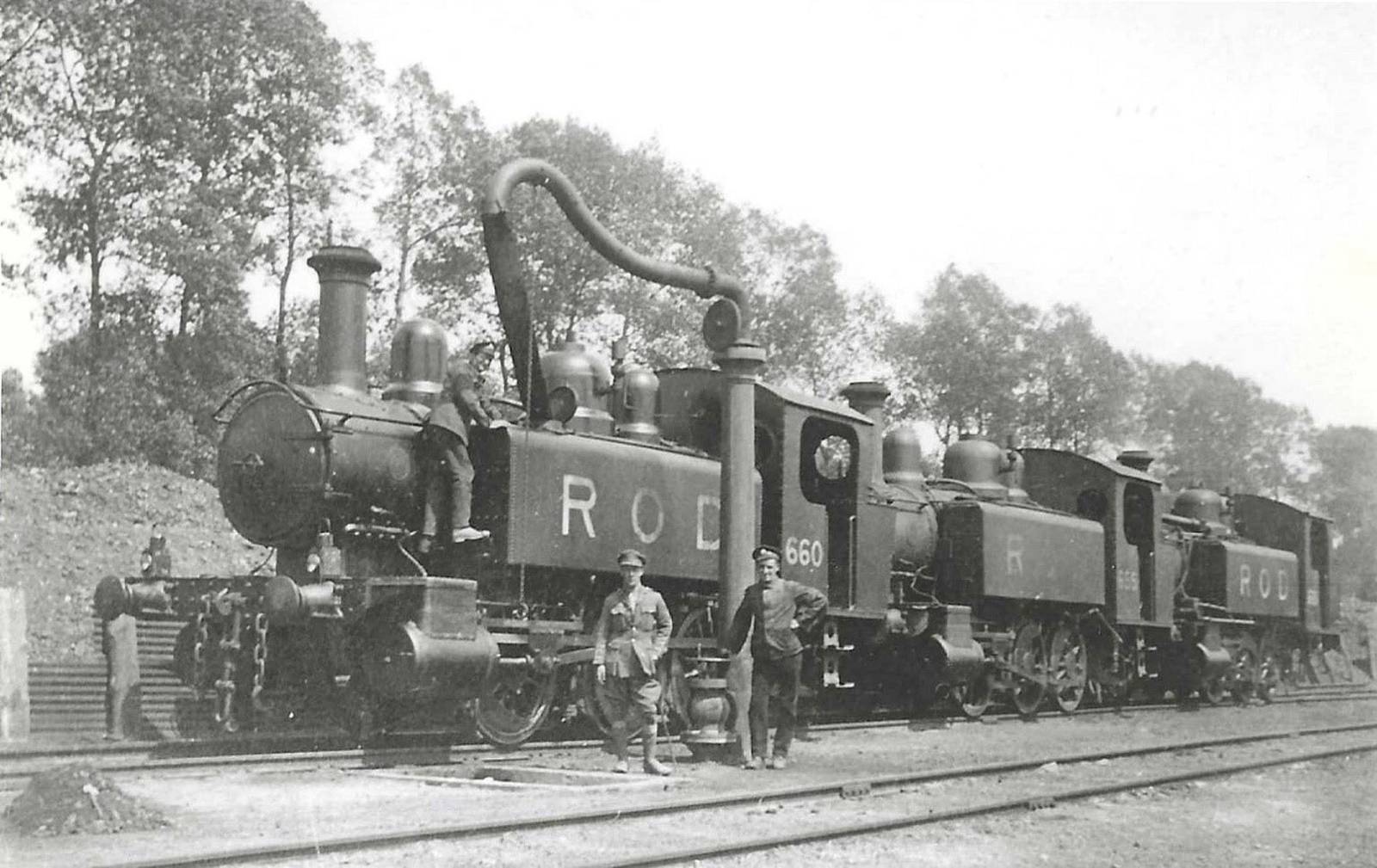
From the American Civil War to WWII, explore how railways moved armies, supplies, civilians and the wounded, shaped strategy, resisted air attack, and became essential to both battlefield success and the home front everywhere.

This course is the ideal introduction to English garden history. It provides an overview of five centuries of development, from baroque formalism through the naturalistic landscape style, right up to contemporary cutting-edge planting style.
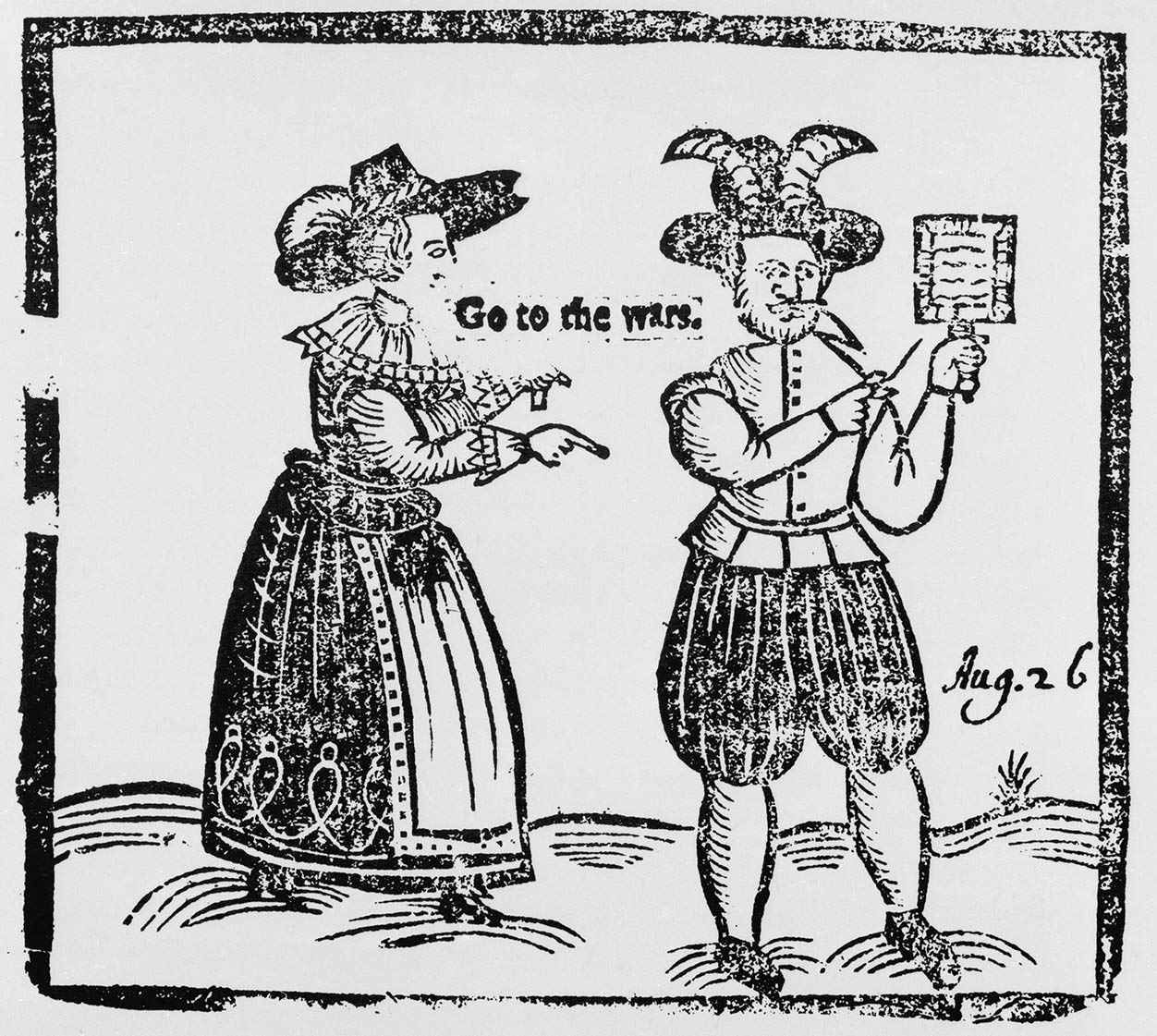
Studies of warfare so often focus on men – the military generals, politicians, and soldiers - but women participated in the British Civil Wars in a variety of ways. Warfare is not exclusively male.

Britain's food production increased more than fourfold between 1600 and 1870, supporting a growing population and industrialisation. How was this achieved, what part did enclosure and a shift to capitalist agriculture play, and what was the social impact?
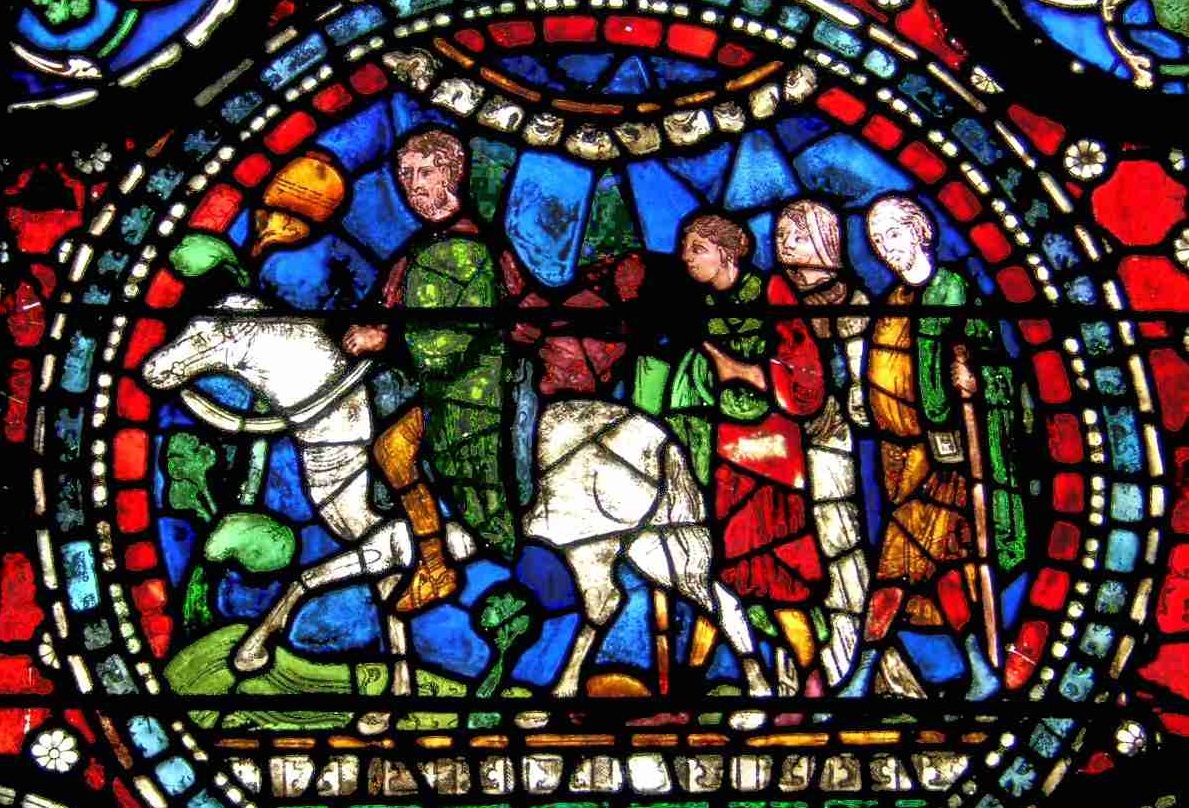
This course offers a new approach to the study of pilgrimage, combining history and anthropology to examine western pilgrimage practices from the Middle Ages to the modern day.
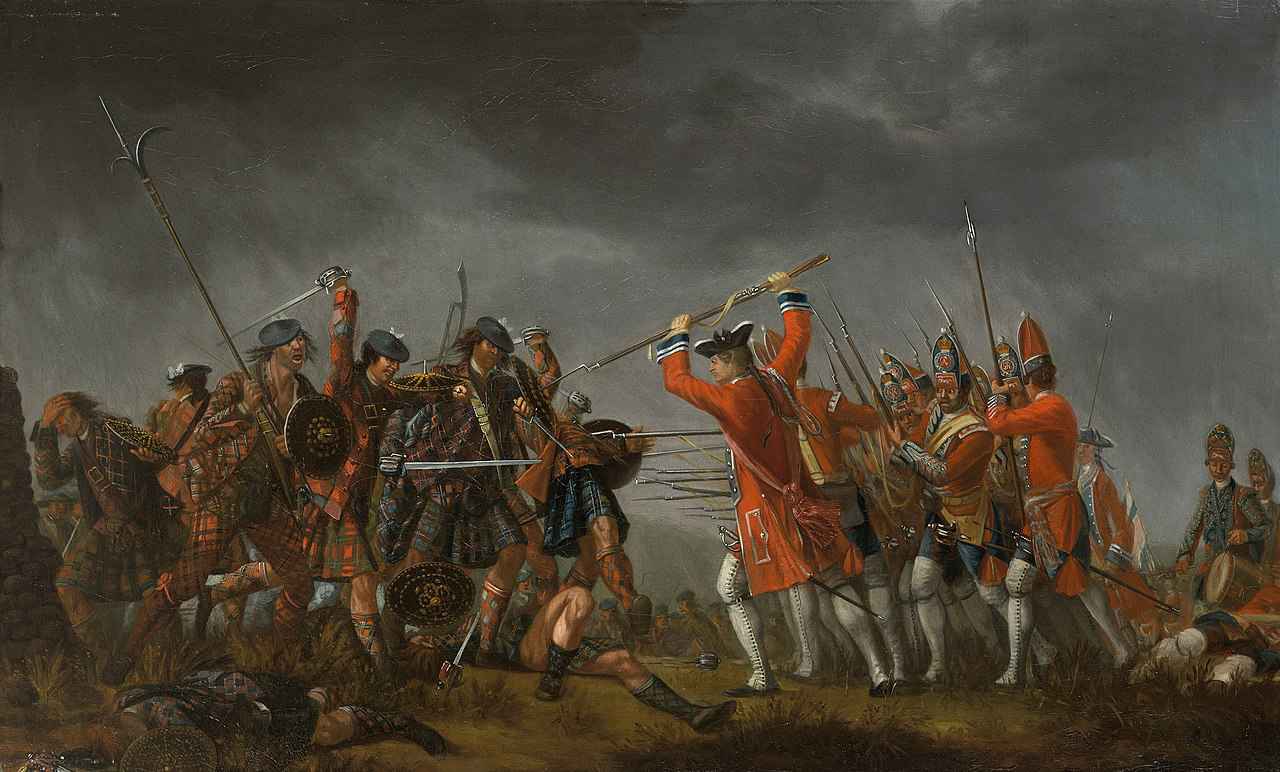
Investigate a crucial period in the formation of the British national identity, which featured political union and a growing range of social divisions in the British Isles as well as intense rivalry with France and dramatic imperial expansion.
This course will look at masterpieces of railway architecture such stations grand and small, viaducts, bridges, tunnel portals, hotels and other kinds of structures which are to be found over and beside the railway track.
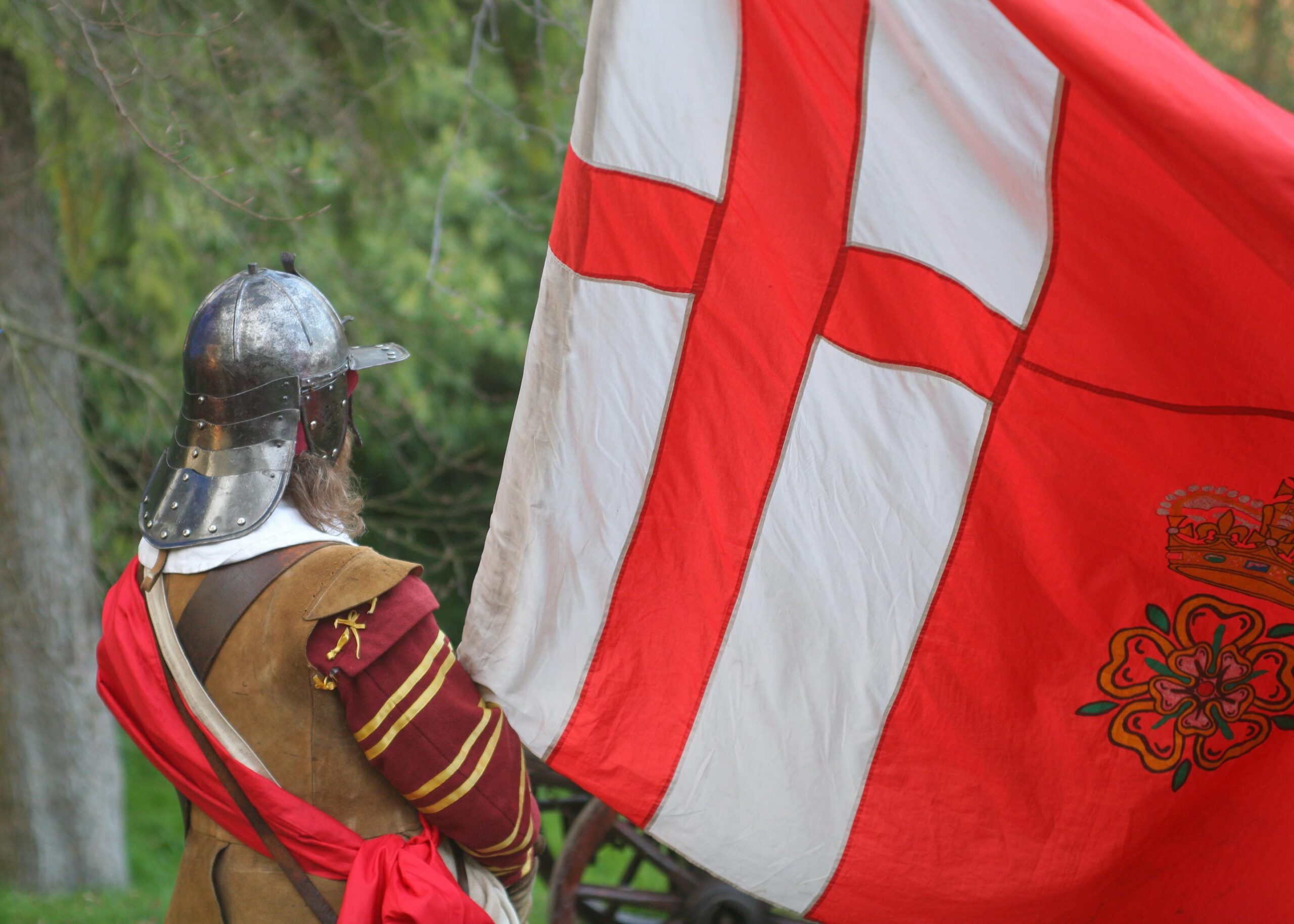
The civil wars that swept across the British Isles in the 17th century left few lives untouched. This course will explore the causes, conduct and significance of the English civil wars.
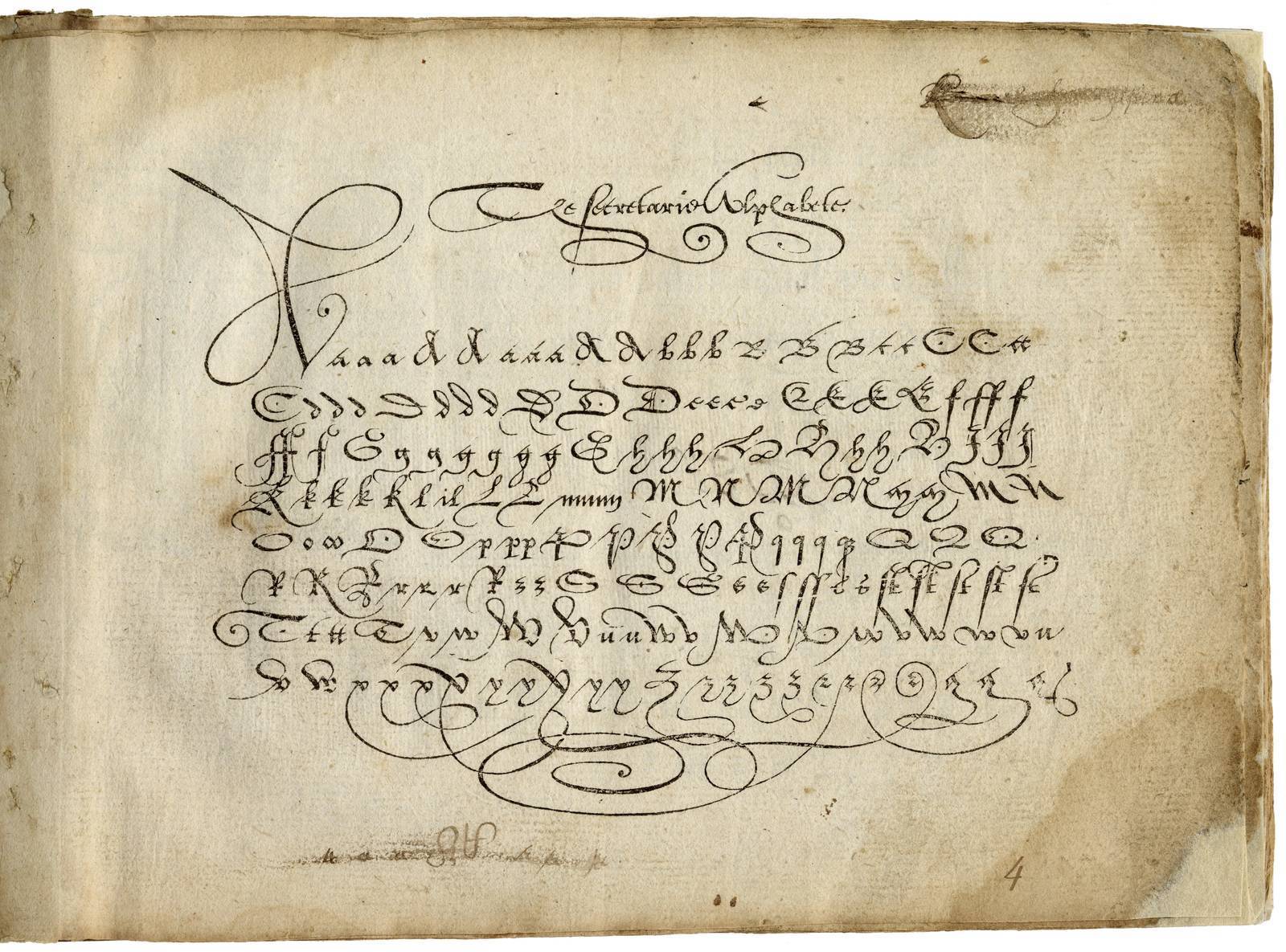
A weekend event in Oxford for those keen to undertake research using original historical documents to begin reading the scripts used in England post 1550. We will cover original sources such as property records, wills, accounts and correspondence.

Recent large-scale development around Banbury has resulted in major archaeological discoveries, in an area not previously well-known for its archaeology. New prehistoric, Roman and Anglo-Saxon sites have all been explored. This day will highlight key site
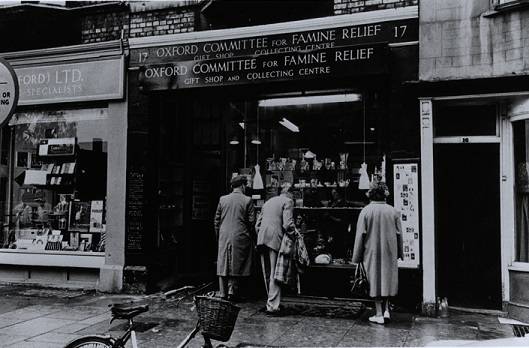
Why did people volunteer their time to campaign for causes in the first half of the twentieth century? This course looks at initiatives which aimed to relieve suffering during conflicts, alongside activities connected to social causes and community life.