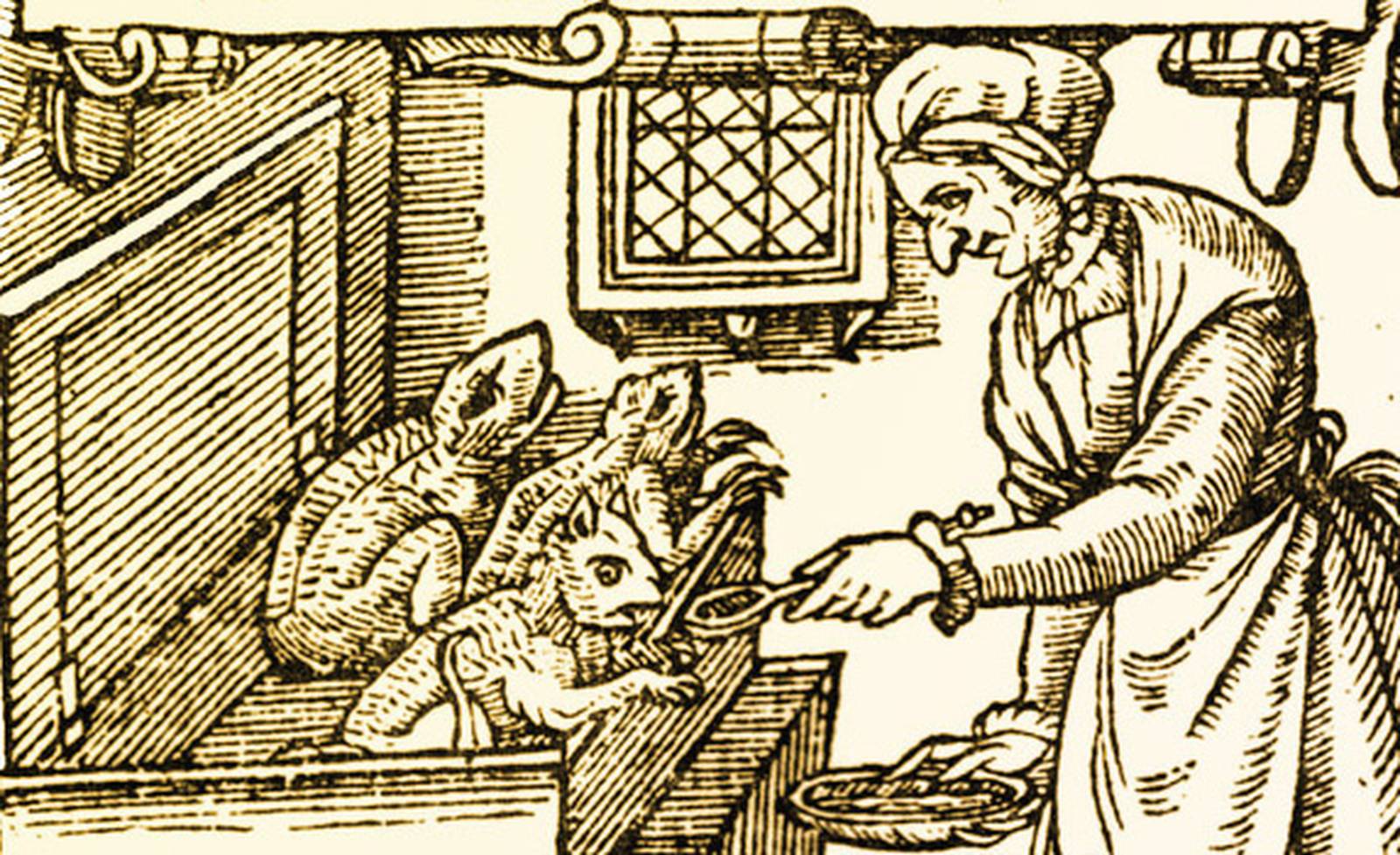
For thousands of years, humans have been fascinated by witches. Through four stimulating lectures, this hybrid day event examines how witches have been represented over time – from the classical world to modern times.
Filter by:
Filters
Start month
Day of the week
Time of day
For thousands of years, humans have been fascinated by witches. Through four stimulating lectures, this hybrid day event examines how witches have been represented over time – from the classical world to modern times.
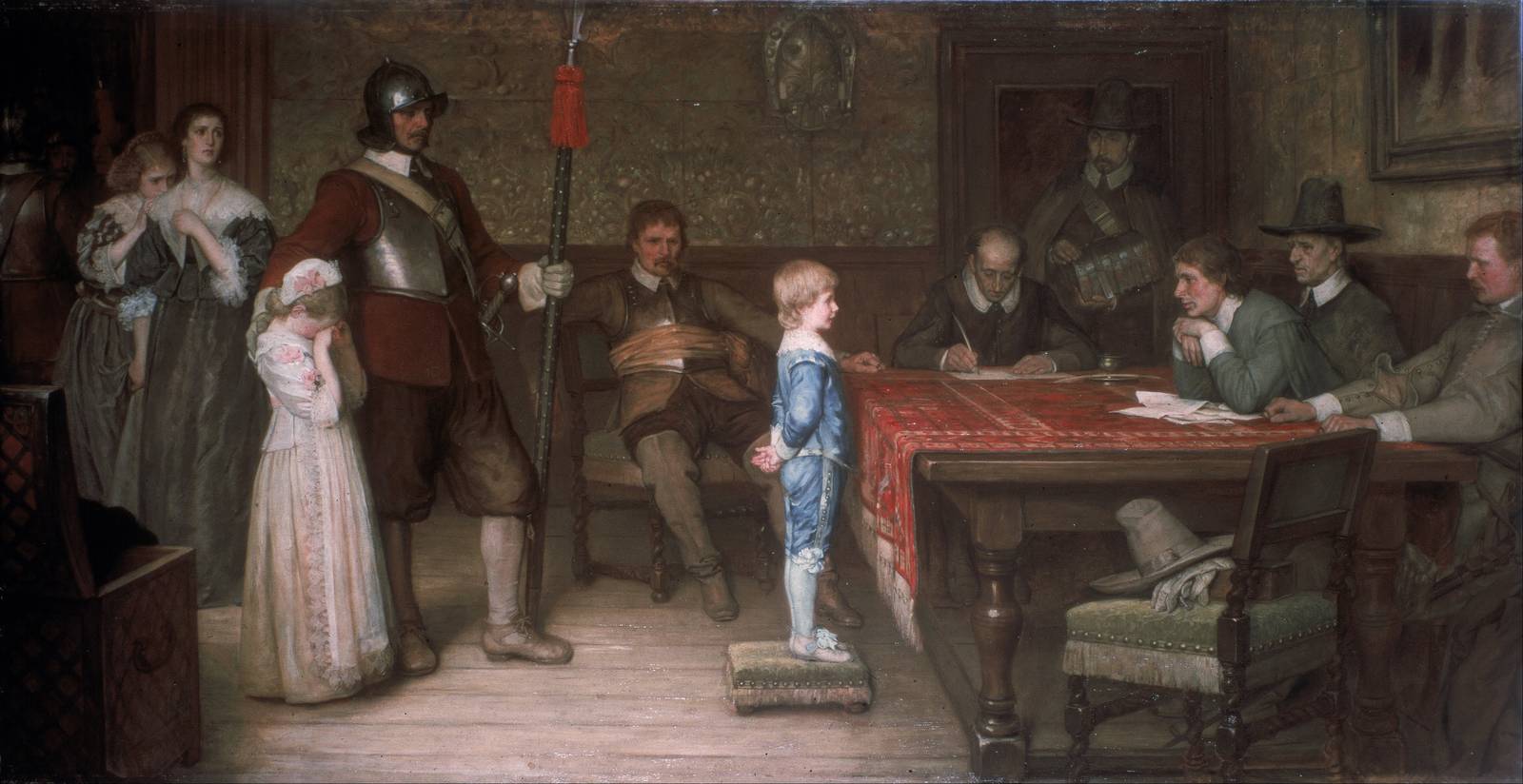
This day school will uncover the neglected roles of women and children during the British Civil Wars (1638–1660). Speakers will address how such people participated in these revolutionary events, and in what ways they looked back on them afterwards.
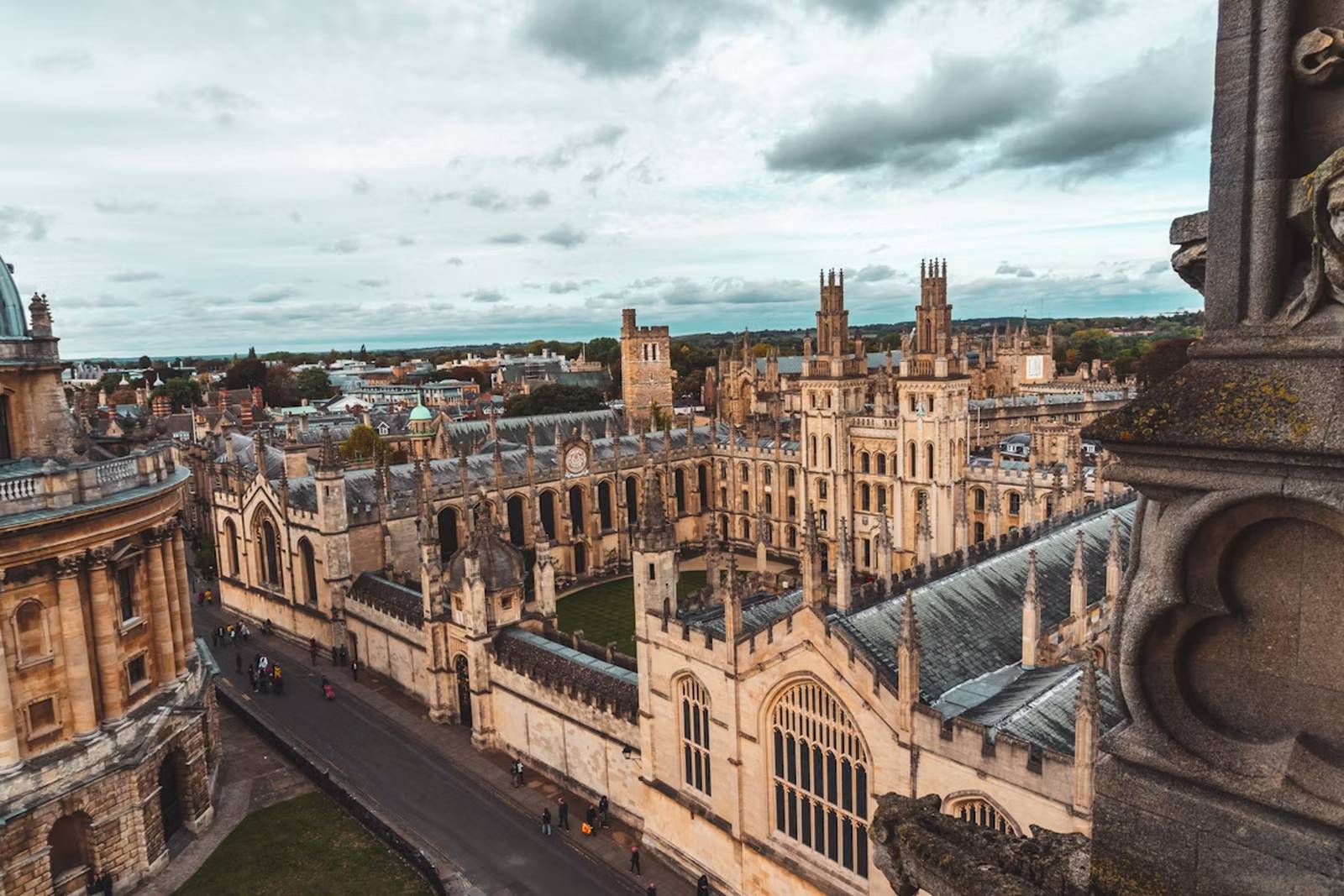
From St Frideswide to Vice Chancellor Irene Tracey, women have always been active in Oxford, even if the University long chose to ignore them. On this walking tour, we’ll uncover the stories of some of Oxford’s most fascinating women.
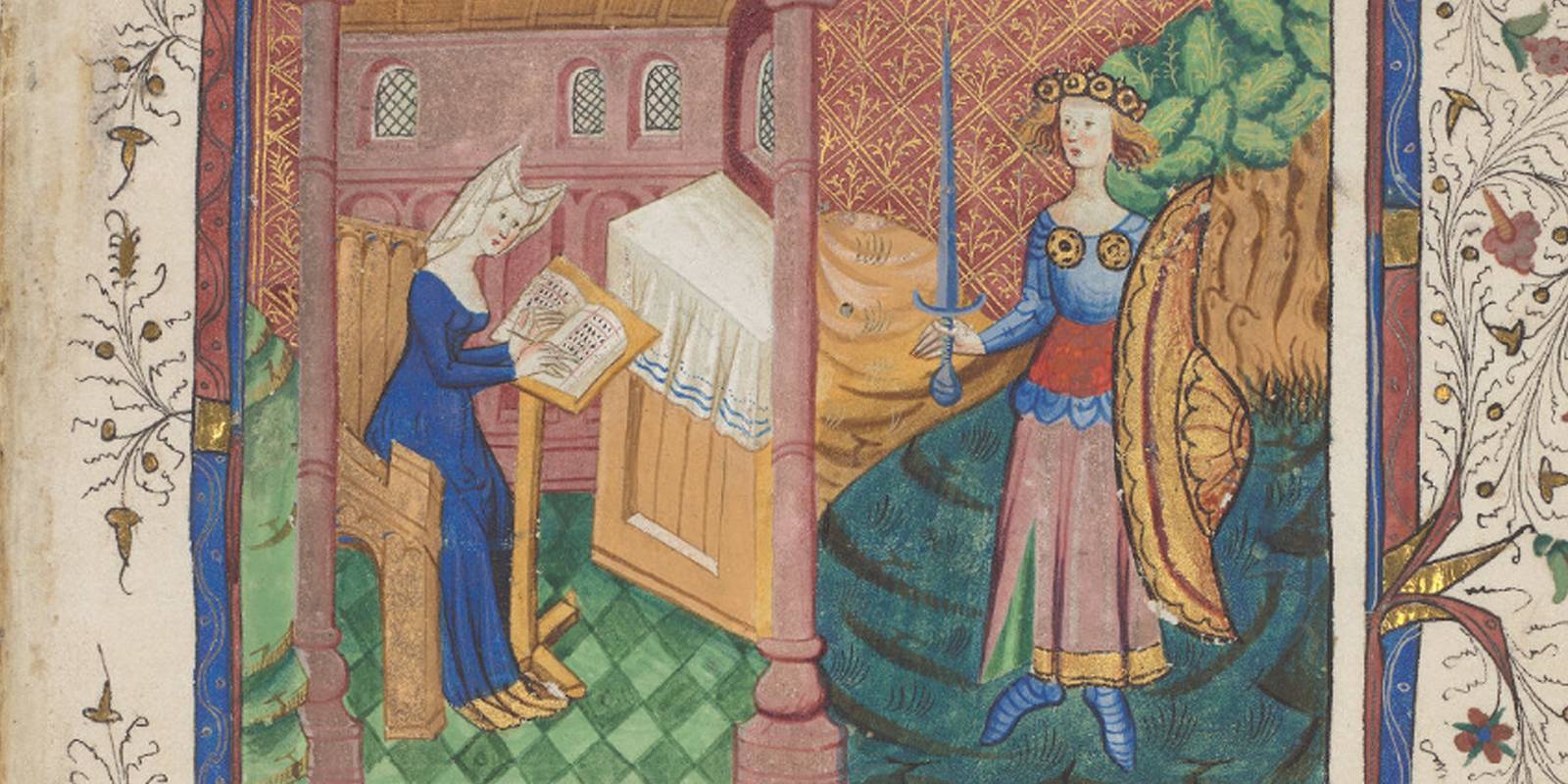
Chivalry was more than medieval knights in shining armour jousting for the love of fair ladies. This course explores how chivalric values profoundly shaped political, literary and artistic cultures from the medieval period through to the present day.

'Magic' was a wide-ranging concept that affected many aspects of medieval society. This course will consider the actual and perceived practices of magic in the medieval period and their consequences.
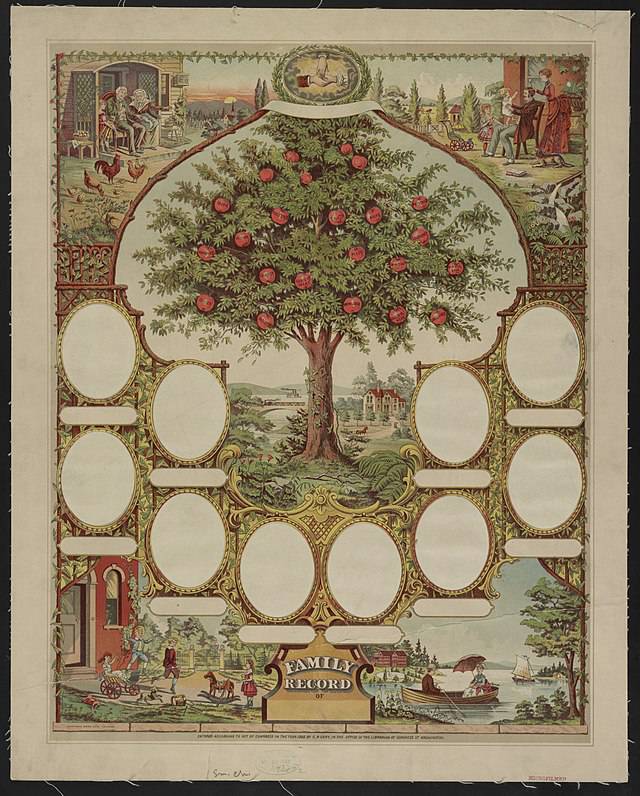
This online course provides an overview of how to trace family history in Britain from the present day to the 16th century using a range of digital and archival sources.
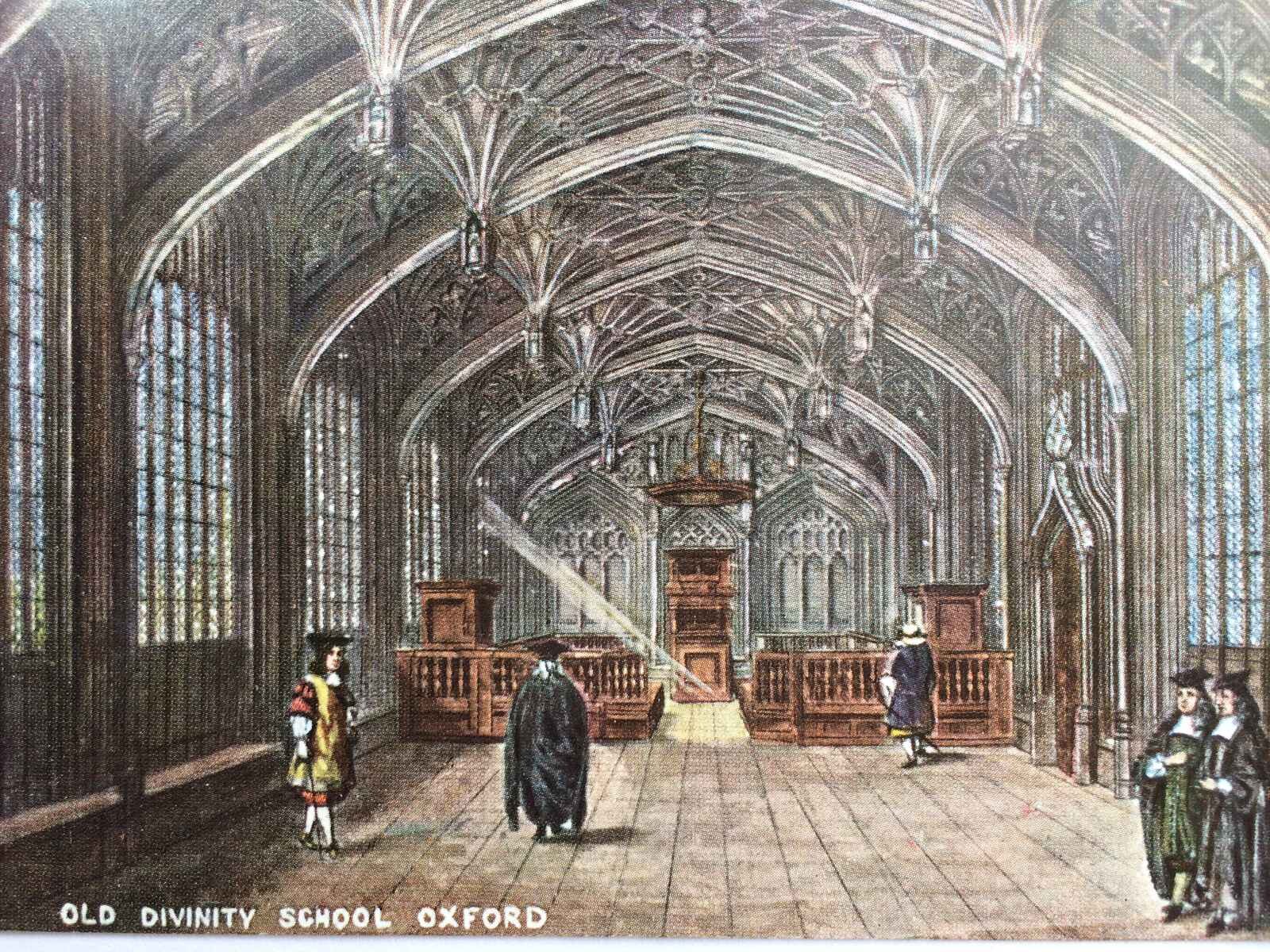
This course explores how Oxford became a centre for learning in the middle ages, as well as a centre for trade and government. It examines the sponsorship of its splendid buildings and collections as well as the tensions between townspeople and scholars.
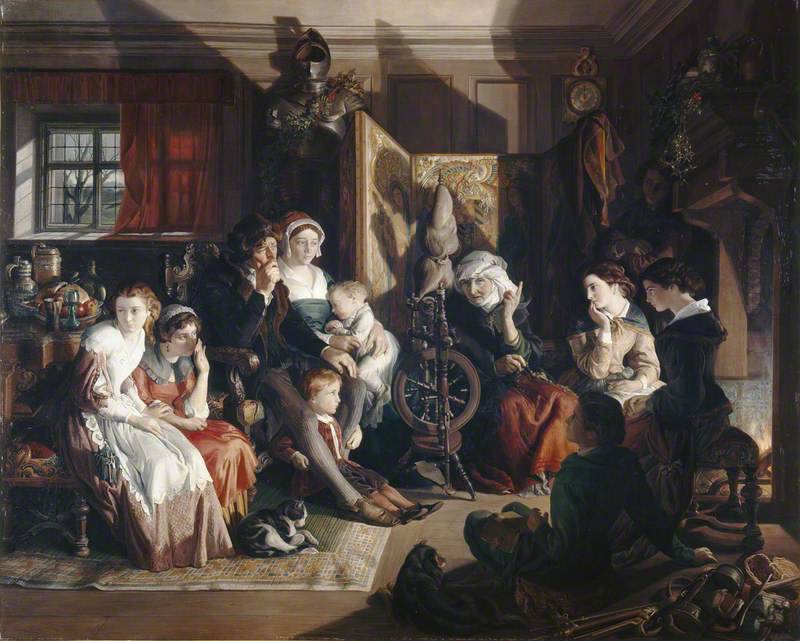
This course provides an historical introduction to the development of folklore studies in Britain. It will review historical conceptions and approaches to folklore from the seventeenth-century antiquarians to the present.

This course will examine five Oxfordshire market towns, all of which were developed as new towns in the Middle Ages - Thame, Chipping Norton, Witney, Woodstock, and Burford. There will be alternating class sessions and field trips to the study towns.
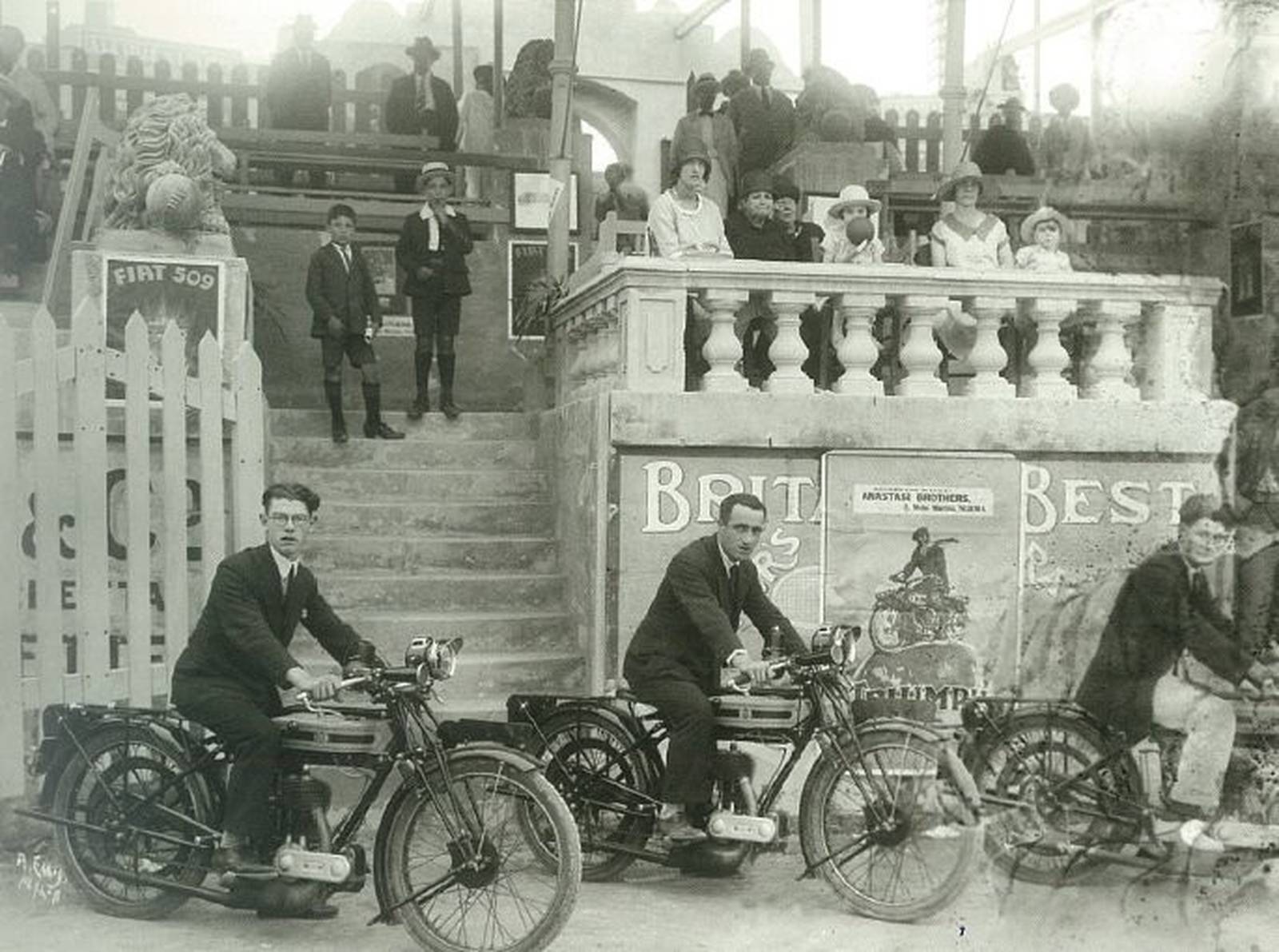
Britain in the Twenties and Thirties looked back to the lost world before 1914, but also forward to a future of progress in international relations, democratic freedoms, greater equality and personal fulfillment, in years haunted also by fears of war.
This course will look in particular at the Great Fire in 1666, its rebuilding by Wren, and the Blitz between 1940 and 1944, resulting in the making of the Modern London. The course will be illustrated with paintings, engravings, maps and photographs.
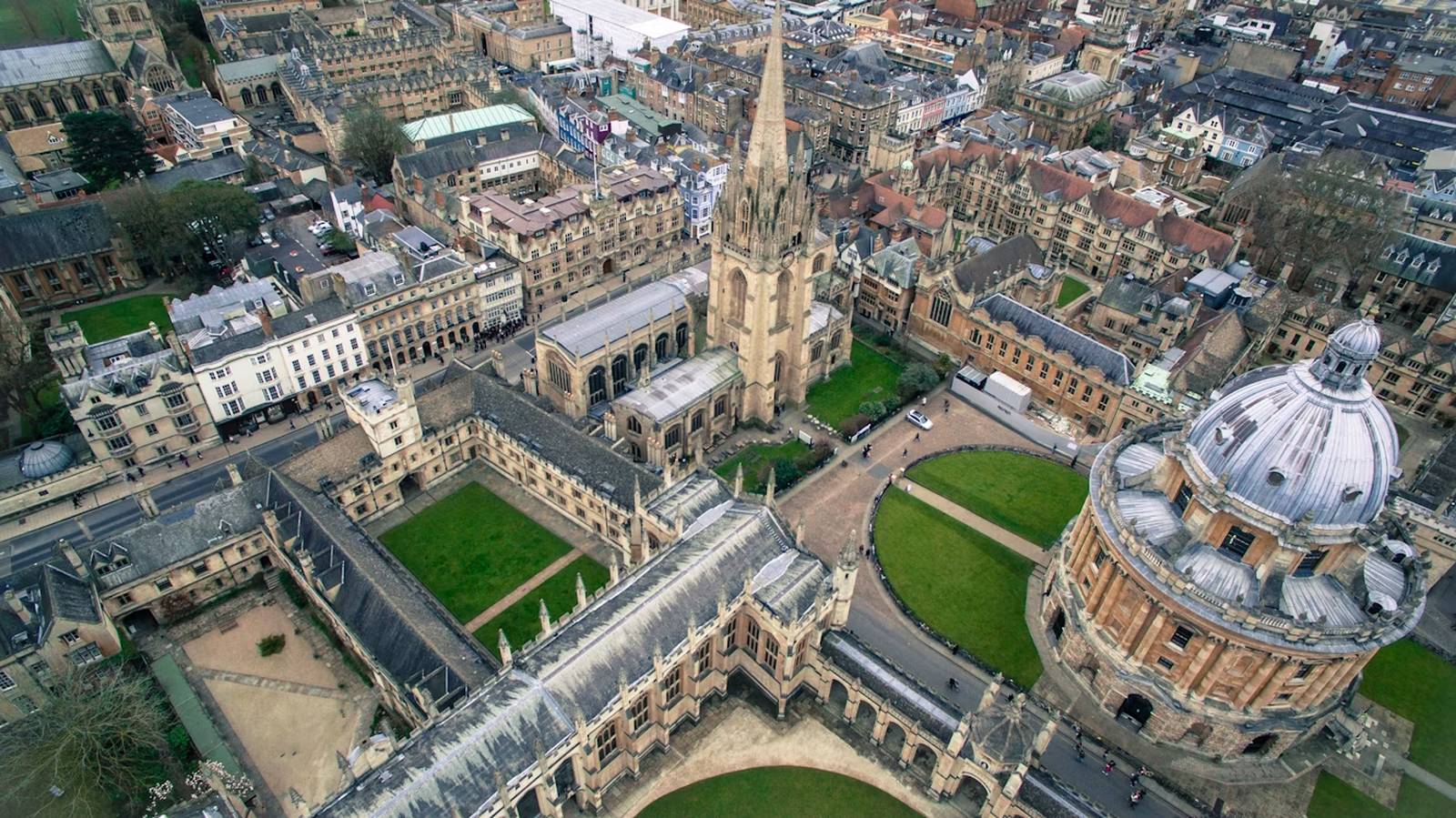
This study day will investigate Oxford’s experience during and after the Civil Wars. Andrew Hopper will chair proceedings and lead a walkabout tour of sites connected to civil-war Oxford, including a visit to the Ashmolean Museum.