
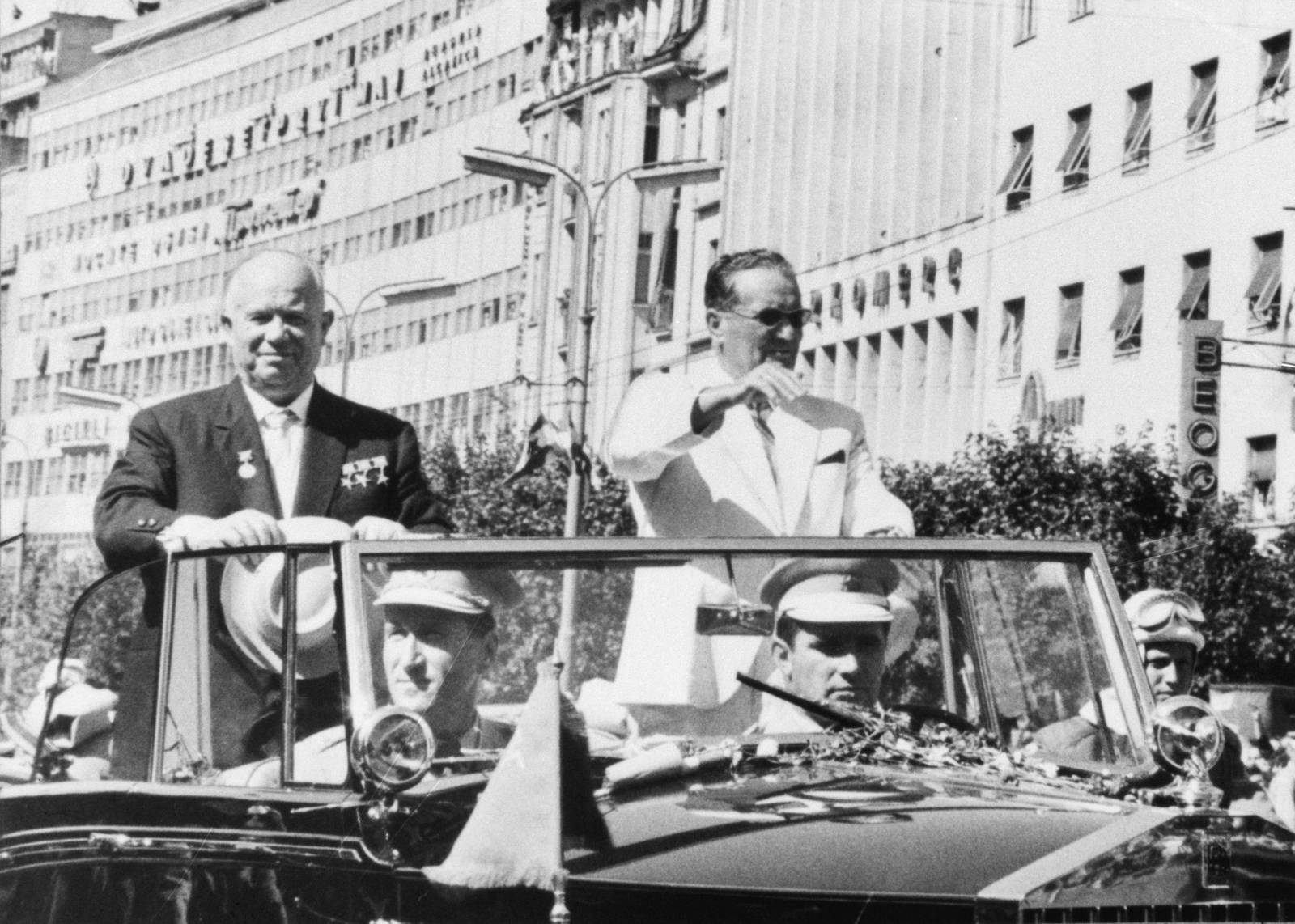
This lecture addresses Yugoslavia’s collapse as driven by internal divisions, economic crisis, and nationalism; international actors were inconsistent and sometimes worsened events, but had limited capacity to prevent disintegration.
Filter by:
Filters
Start month
Day of the week
Time of day
This lecture addresses Yugoslavia’s collapse as driven by internal divisions, economic crisis, and nationalism; international actors were inconsistent and sometimes worsened events, but had limited capacity to prevent disintegration.
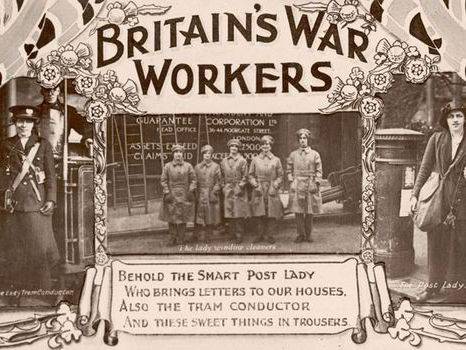
What was life like in Britain between 1914-1918? How dramatic were the changes within society as the country faced up to the needs of total war? We will explore the way war had an unprecedented effect on the lives of Britons during these crucial years.
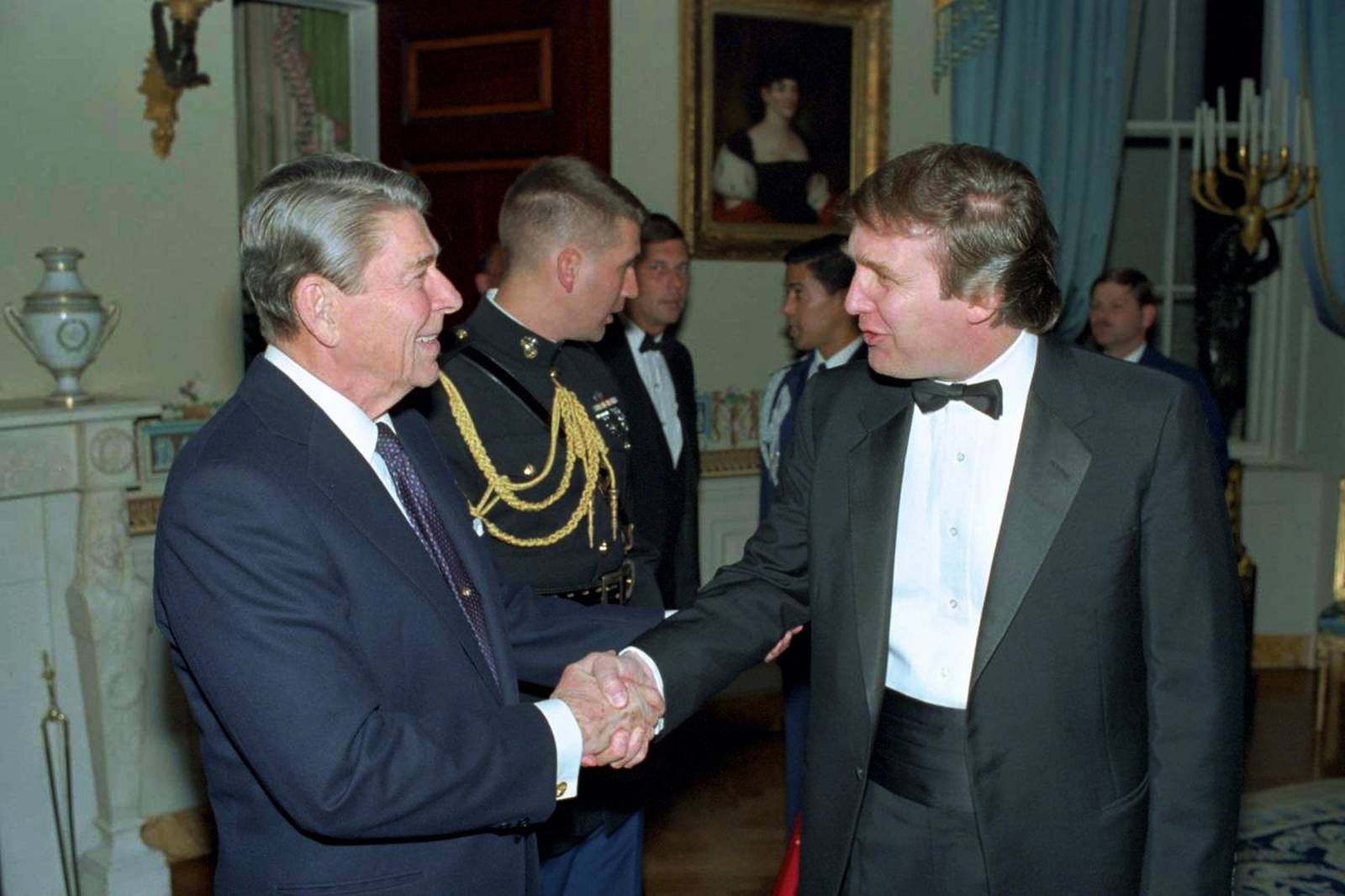
This lecture addresses shifting US foreign policy in the 21st century, from Iraq War intervention to later restraint, shaped by war fatigue, credibility challenges after Afghanistan, and a renewed turn to interventionism amid rising global rivals.
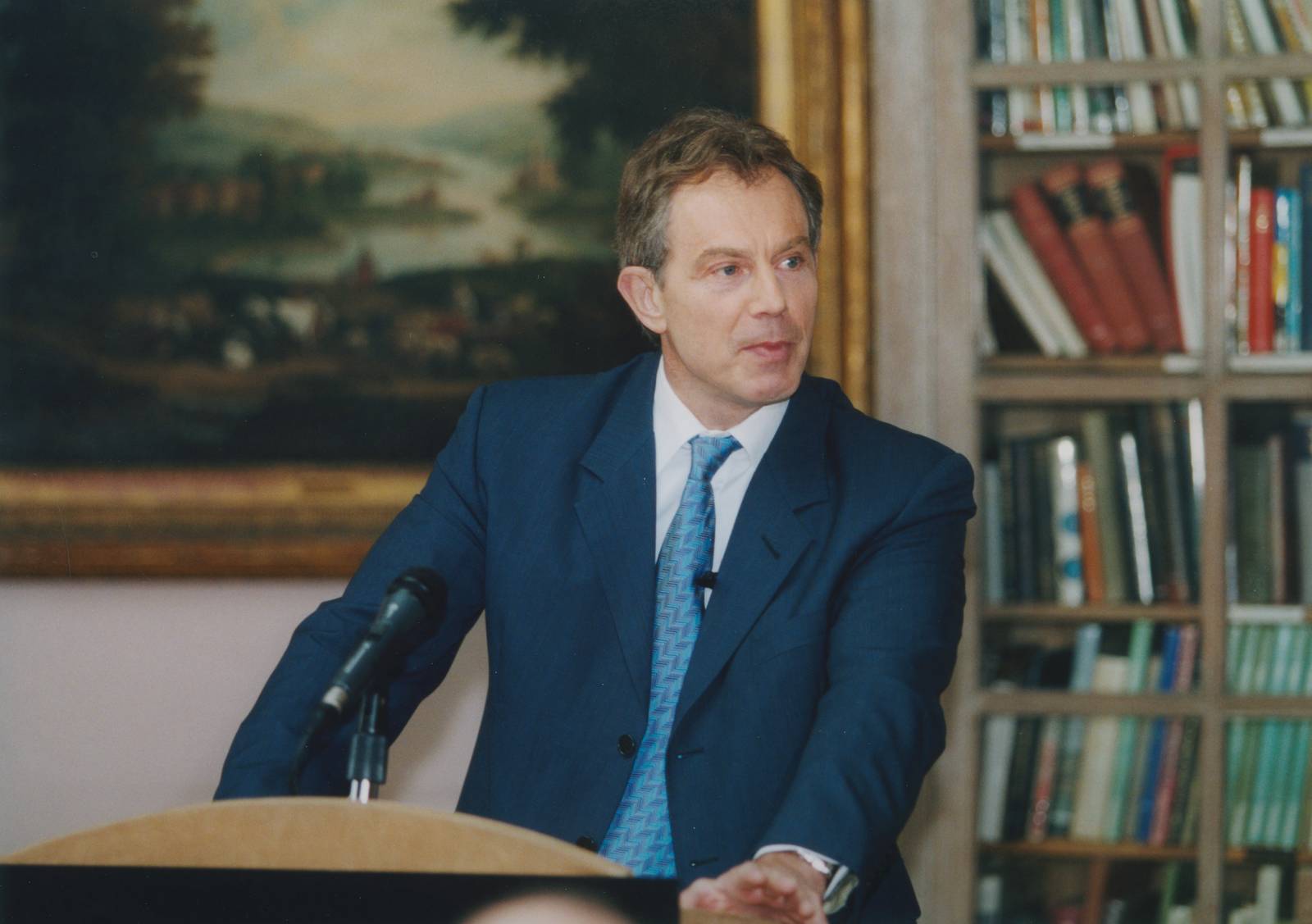
This lecture addresses Blair’s humanitarian intervention doctrine, from Kosovo to Iraq, questioning his alignment with Bush, dismissal of European opposition, and whether flawed WMD claims led Britain into a war that damaged his career.
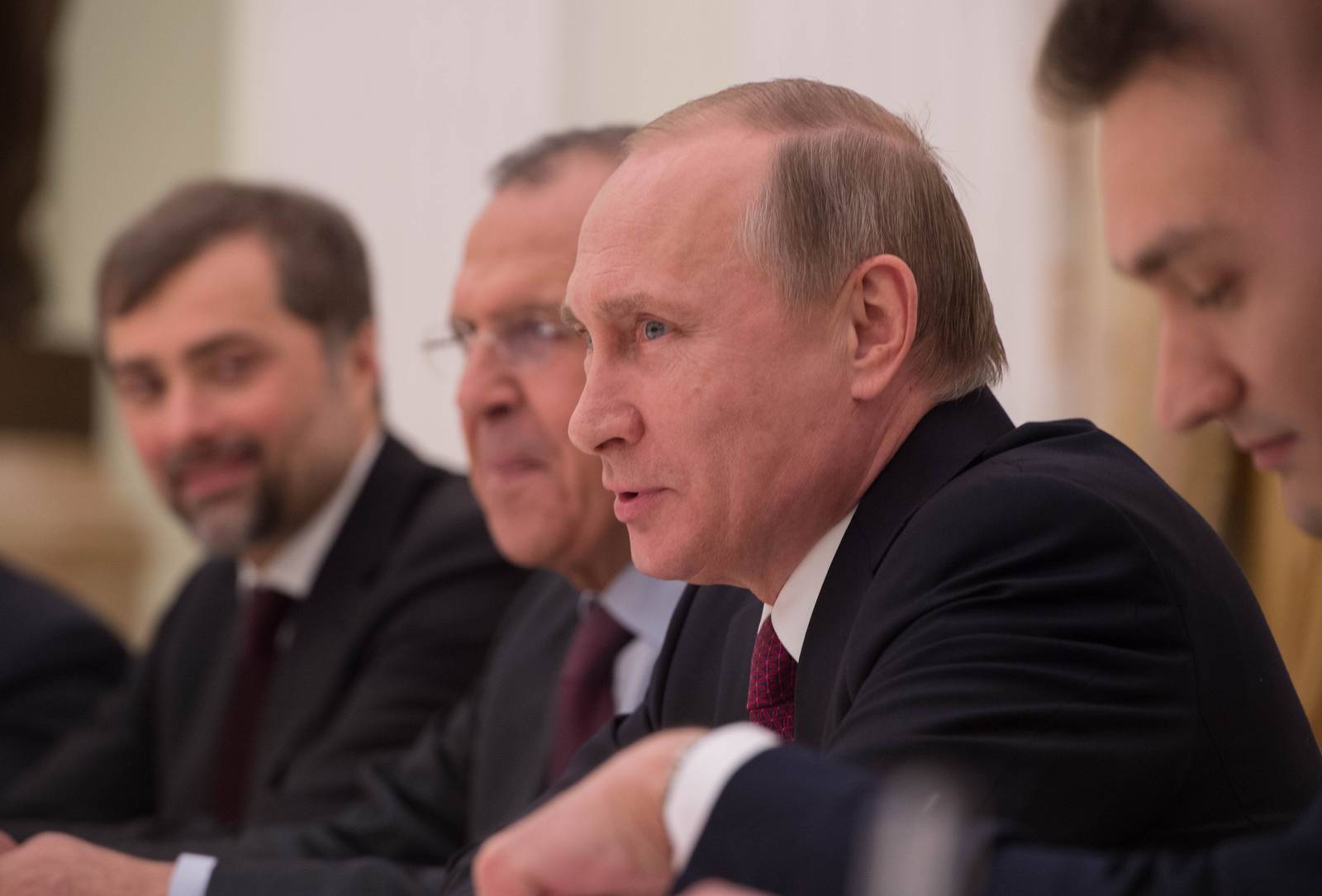
This lecture will examine the transformation of Russian power under Putin, exploring how military rebuilding, strategic alliances, and conflicts in Crimea and Ukraine reshaped Russia’s global influence after the Cold War.

This course examines the rise and fall of the British Empire and its manifold legacies in Britain and beyond.
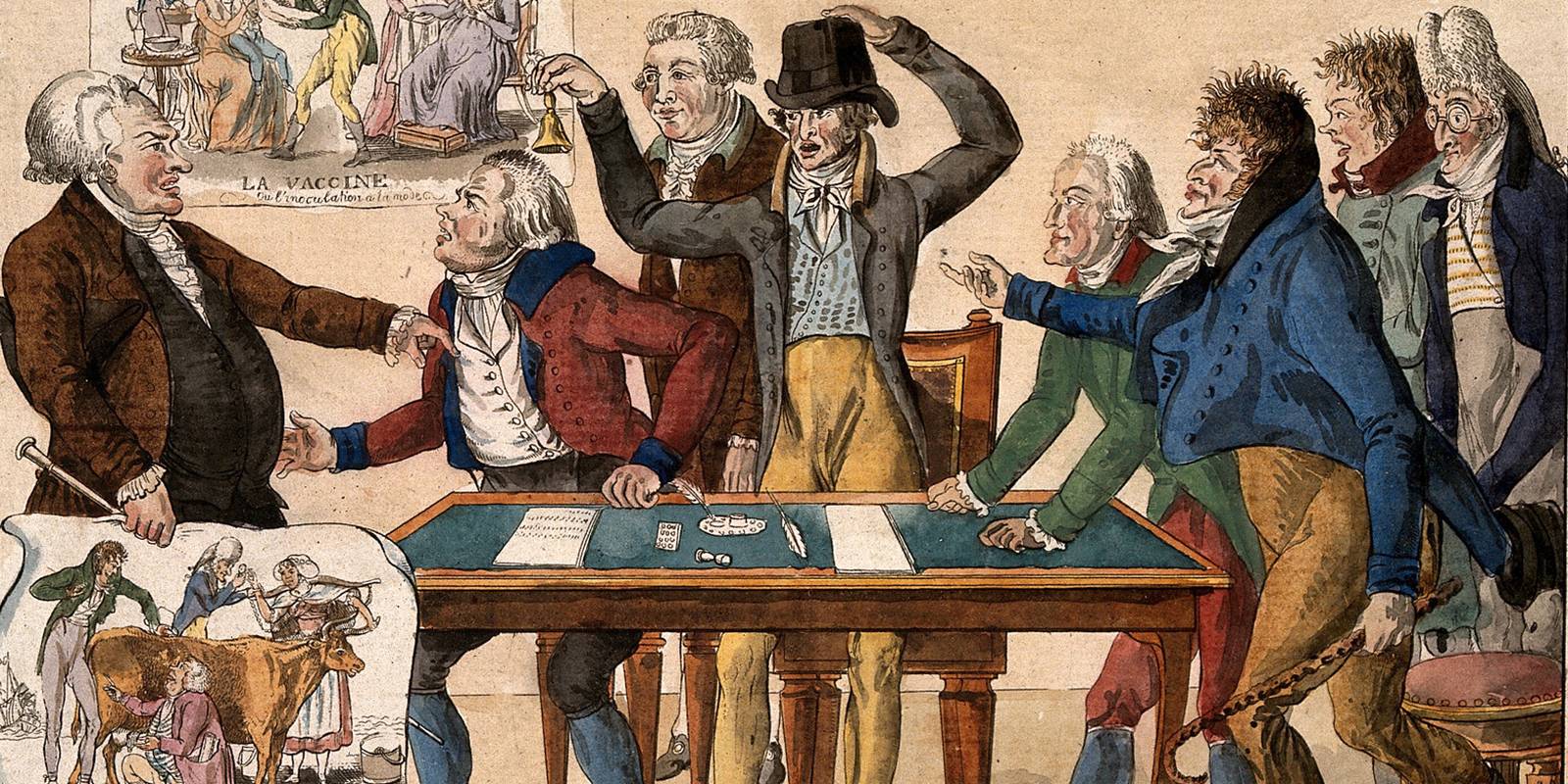
Using a variety of examples drawn from global history, this course explores controversies in the history of medicine and the way in which they have impacted on practitioners, patients and wider communities.
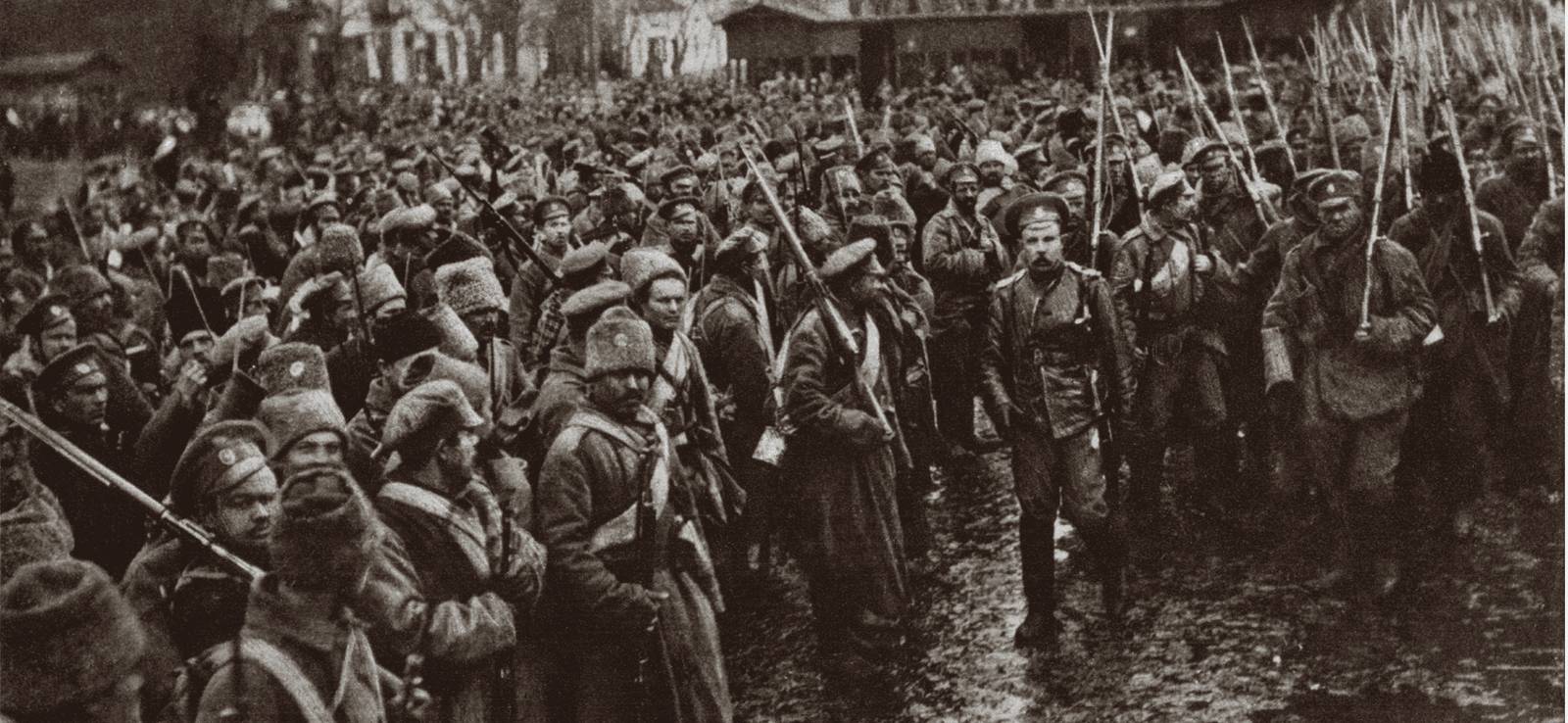
The Second World War’s origins lay in the economic and political instability which dominated the years after 1919. During this short online course, explore and analyse how such a terrible conflict could have started.
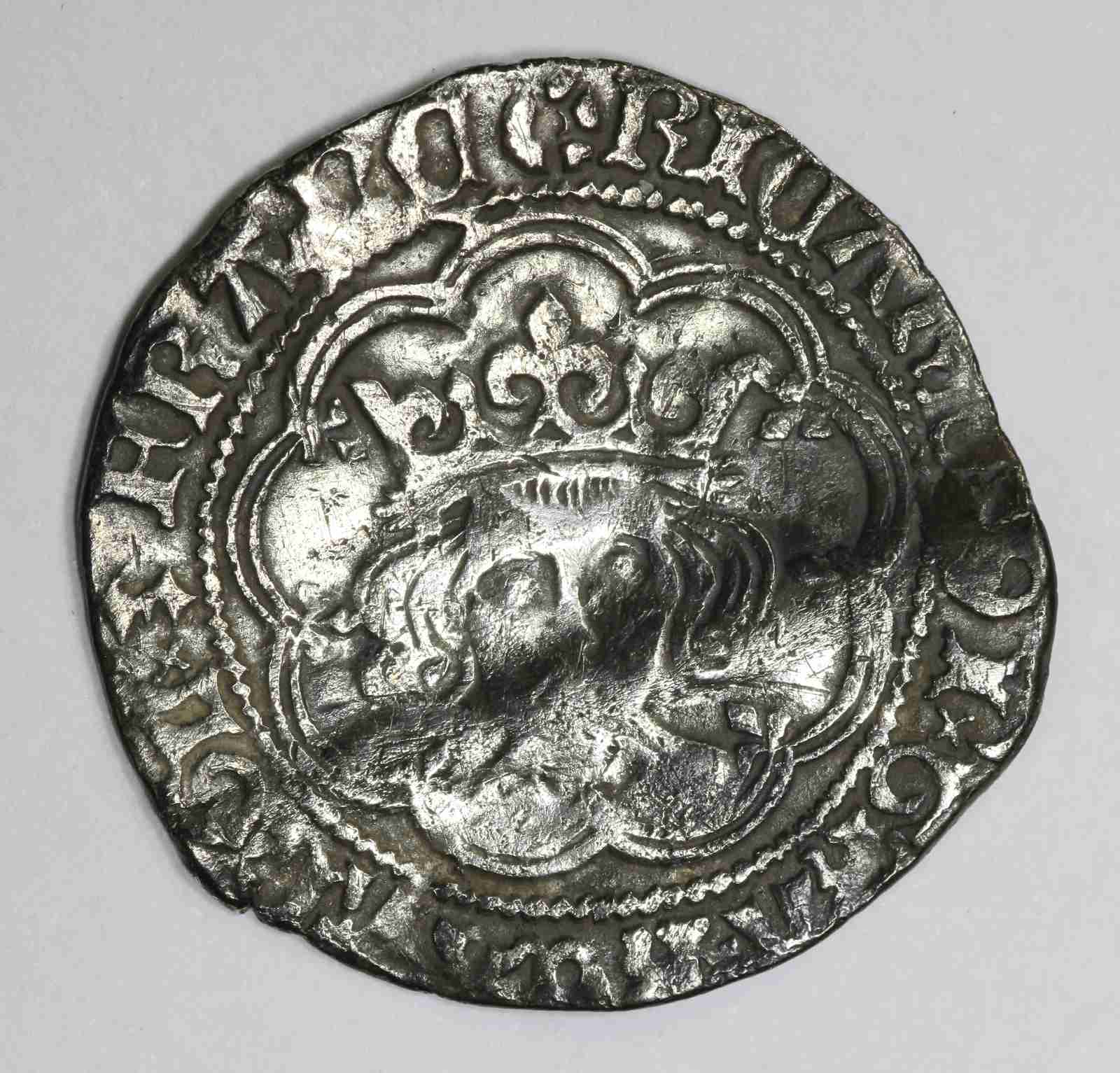
The recent discovery of Richard III's remains in Leicester highlights the dynamic new research being conducted into the period known as the Wars of the Roses. This course asks students to engage with the latest work on this exciting and tumultuous period.
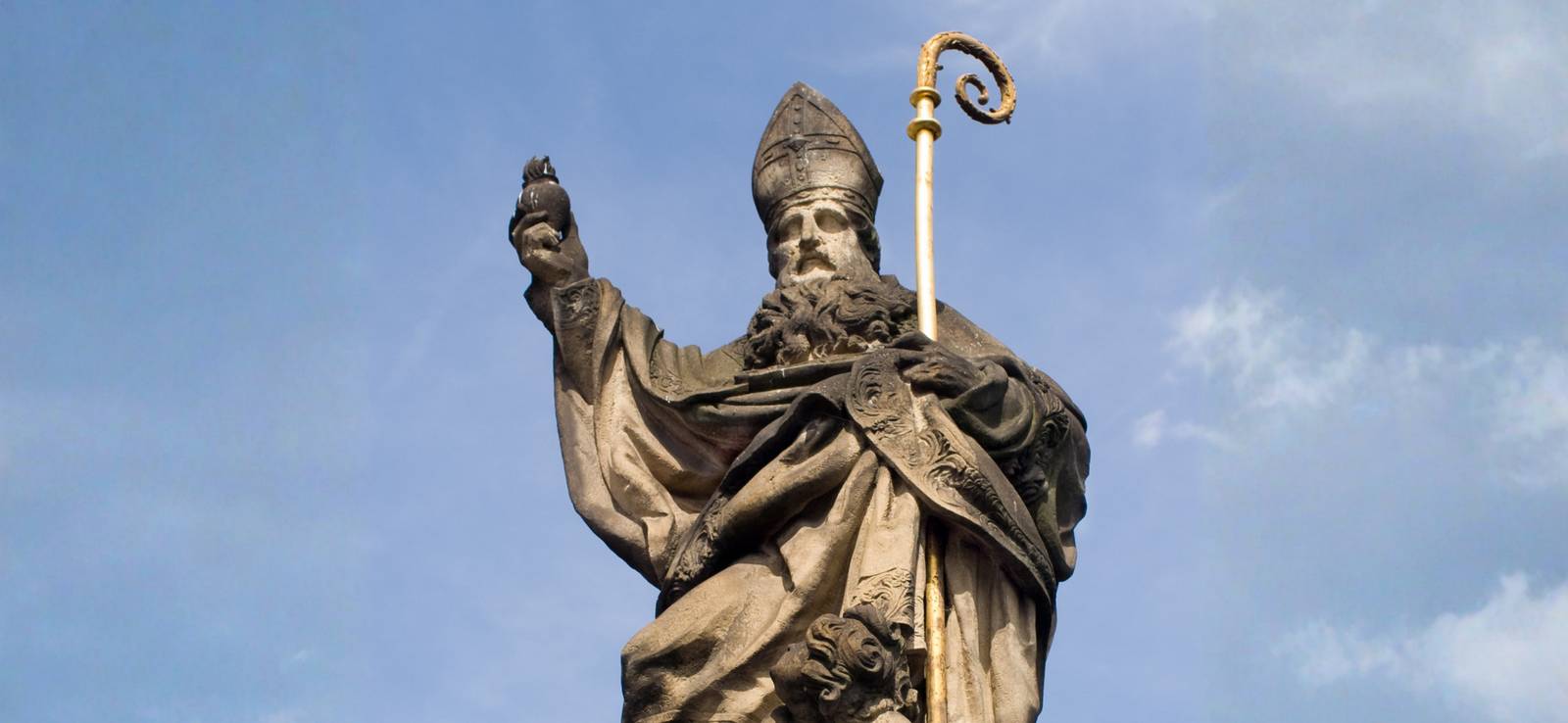
Augustine, the famous 5th-century North African bishop: profound philosopher, brilliant writer and preacher, fierce debater. Together we will read a wide selection of his works, including some transcripts of his sermons, to let him speak for himself.
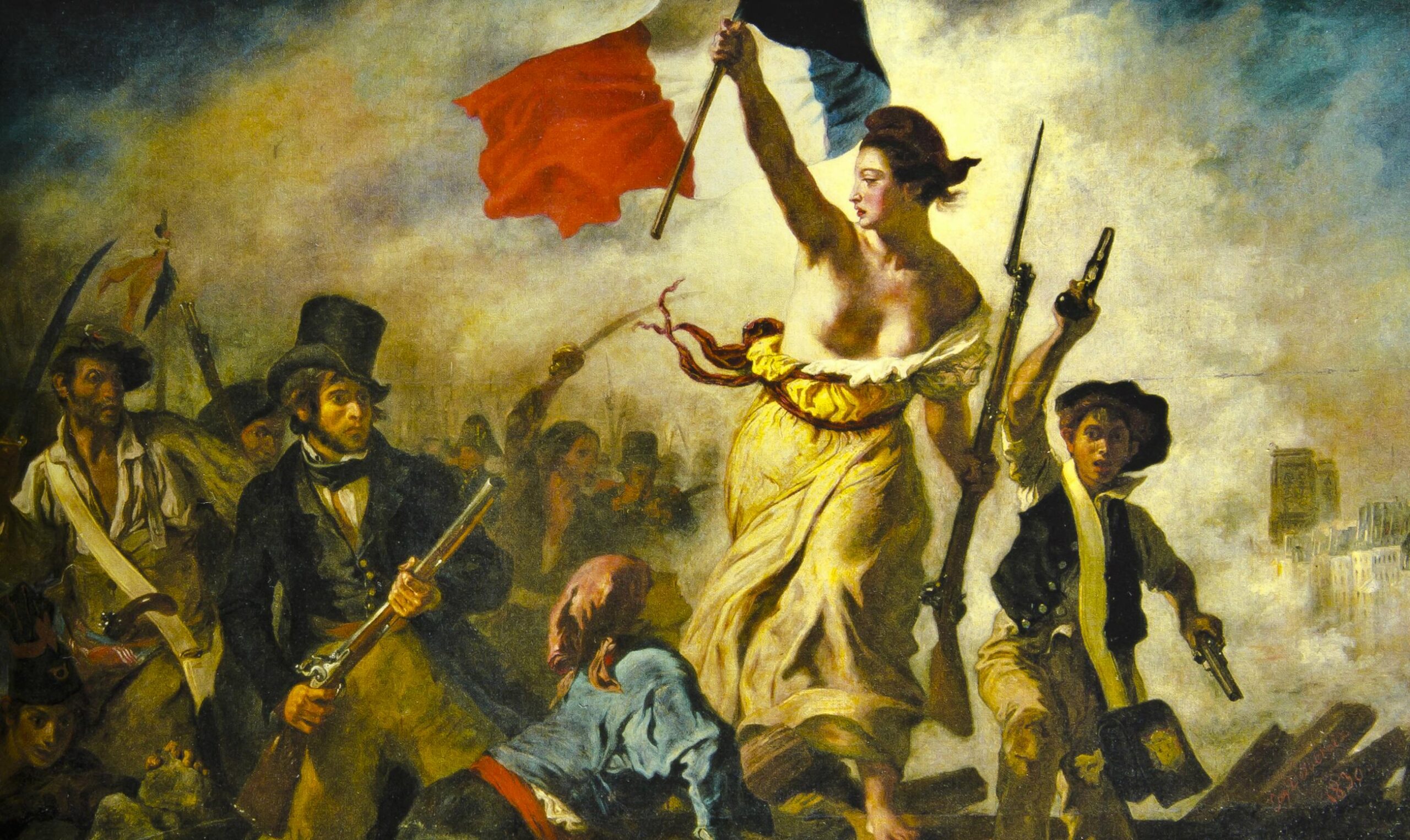
Revolution was a powerful dynamic in European politics and society from 1789 to 1848. This course will examine this tremendous era of change.

In addition to tracing the evolution of the modern state and political ideas and ideologies, this course focuses on issues that confront people from all parts of the world on a day-to-day basis.