Explore the unique role of applied anthropology in addressing major global challenges of our time. Learn how an integrated understanding of social and cultural dynamics can make the difference between life and death, and change the way you view the world.
Course search results
Filter by:
Filters
Start month
Day of the week
Time of day
The art of prehistoric Europe is rich with imagery such as cave paintings, carvings, body ornamentation and frescoes. This course considers a range of sites and artefacts in our exploration of the unique and creative ways people visualised their world.
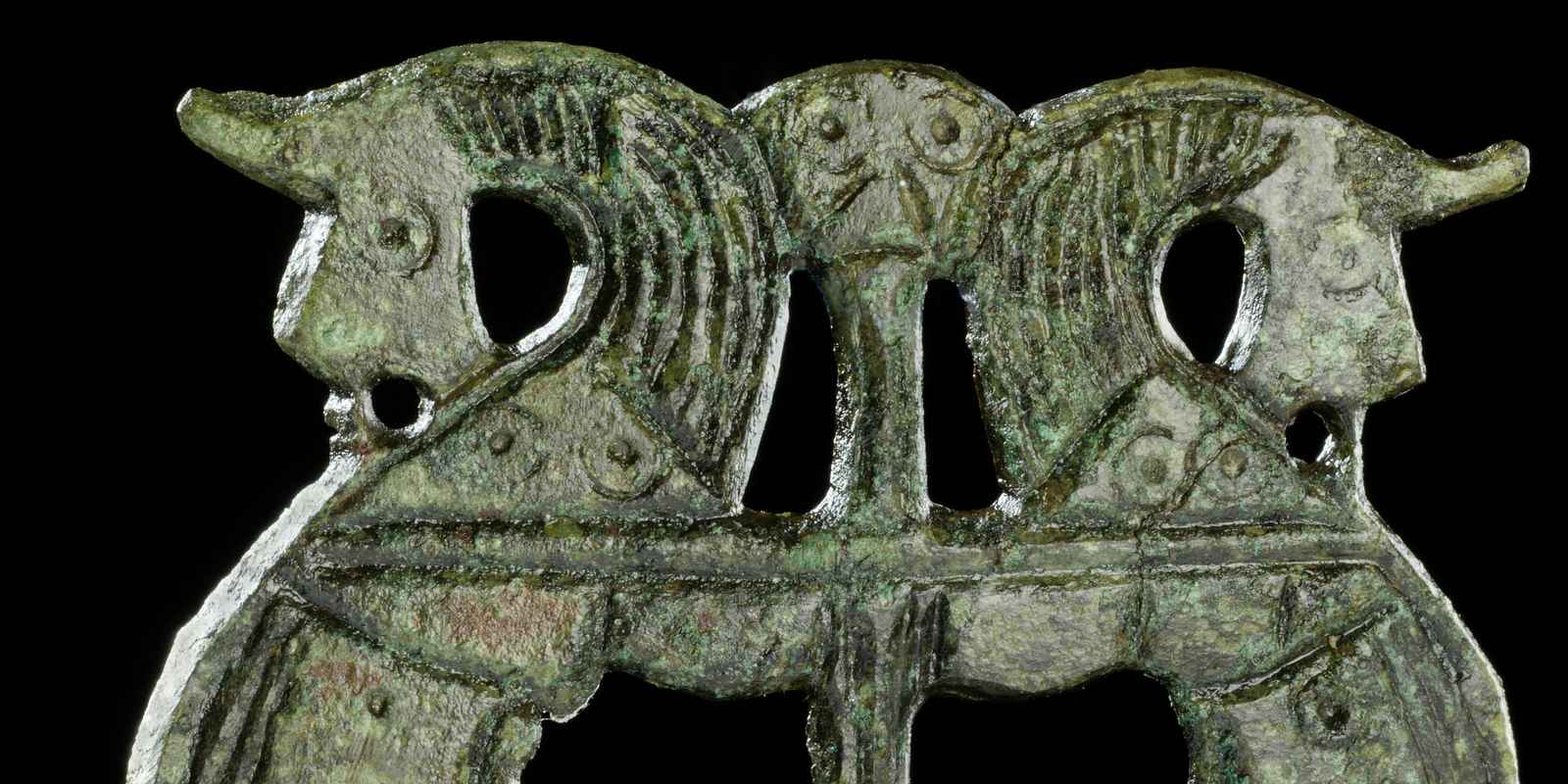
Ravagers, despoilers, pagans, the Vikings are often regarded as bloodthirsty pirates. Yet they were also traders, settlers and farmers with a thriving artistic culture and legal systems. Using archaeology we examine the varied aspects of the Viking world.
How do archaeologists recognise and interpret the lives of past peoples and their societies? An introduction to the methods and techniques of archaeological enquiry, from initial site survey and excavation to scientific analysis.
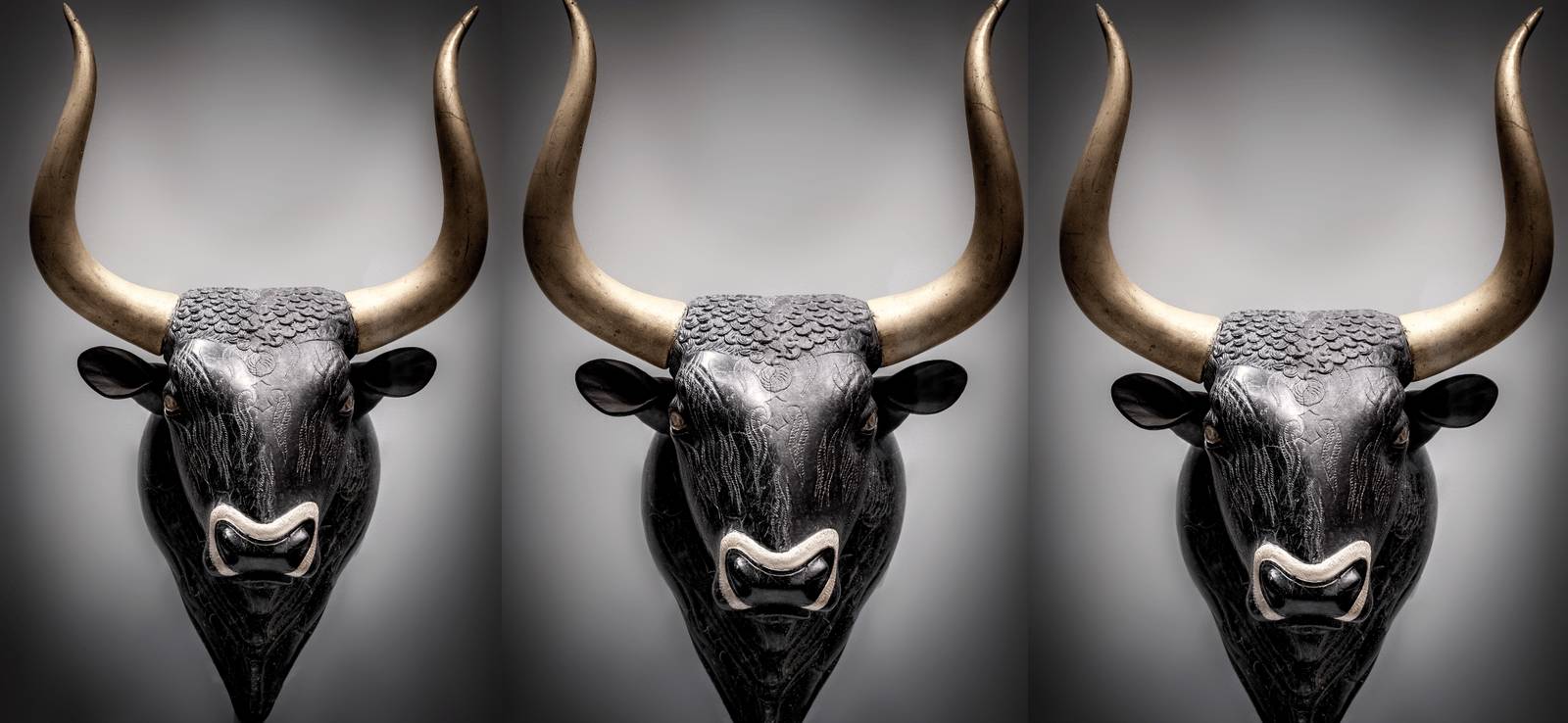
The Minoans and Mycenaeans left us with the intriguing Greek Bronze Age sites of Knossos, Mycenae, Pylos and Akrotiri. The excavation of these sites turned archaeologists into superstars, as stunning architecture, sculpture and weaponry were revealed.
Social anthropology is the study of how humans give meaning to the world through different social norms, values, practices and means of organisation. This course provides an exciting and dynamic introduction to the world of social anthropology.
Have you always wanted to know more about archaeology? Get started on the concepts & methods of modern archaeology, including geophysics, excavation, finds analysis & survey. This course offers a comprehensive introduction to archaeology for beginners.
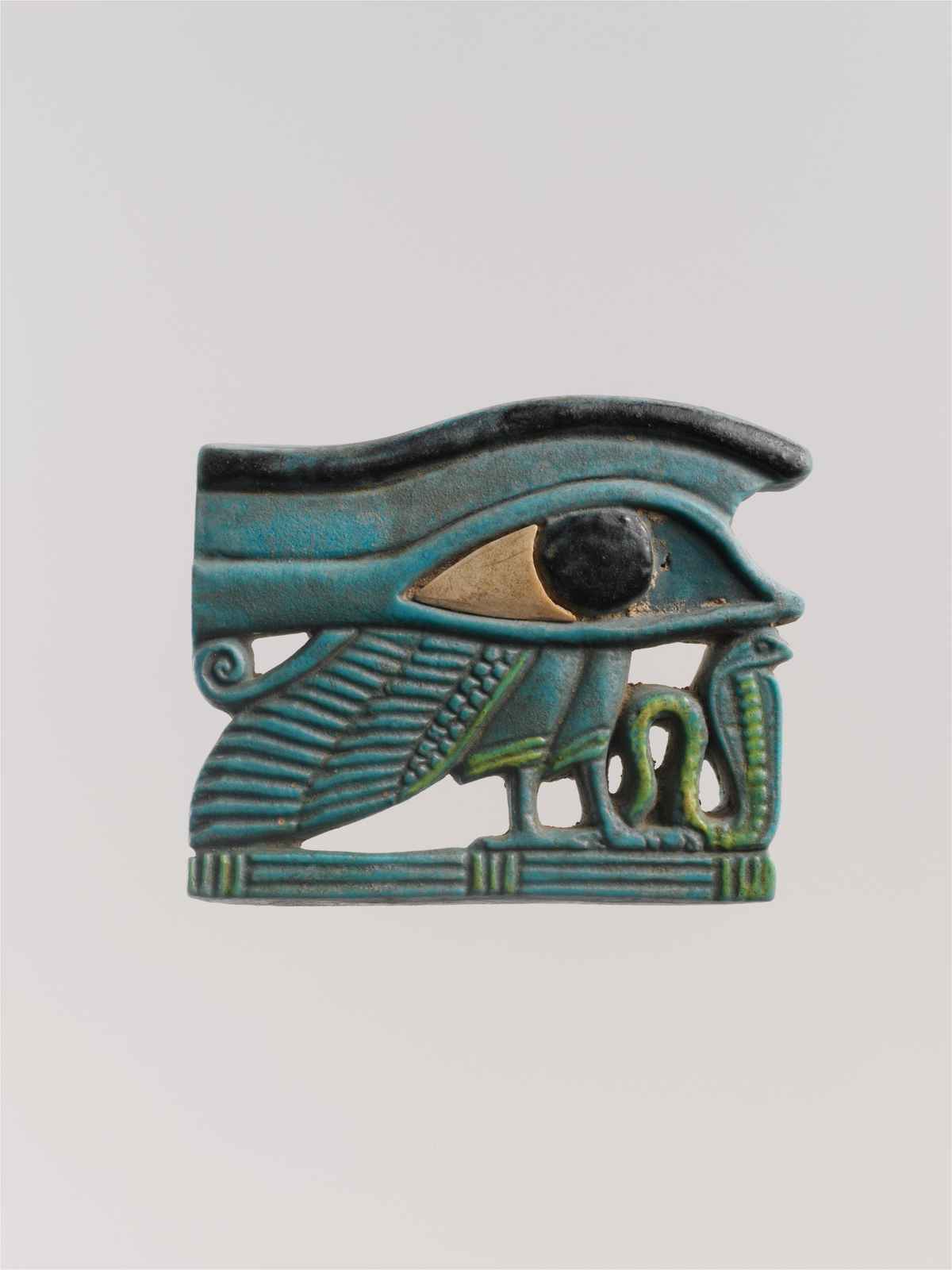
Explore the world of Ancient Egypt through the objects left behind in tombs. From iconic pieces to lesser-known finds, uncover the stories behind them, then visit the Ashmolean Museum to discover the challenges faced by today’s curators and conservators.
Aphrodite, the Ancient Greek goddess of love and beauty, has complex origins, reach and significance. Join us to explore her and other Ancient Greek Divinities through art, archaeology, literature and a visit to the Ashmolean's Aphrodite exhibition.
What are Greek myths? Who told them and why? How can we interpret them? Why are they still so powerful? How much history do they contain? This course will explore these fascinating tales from the past and attempt to make sense of them.
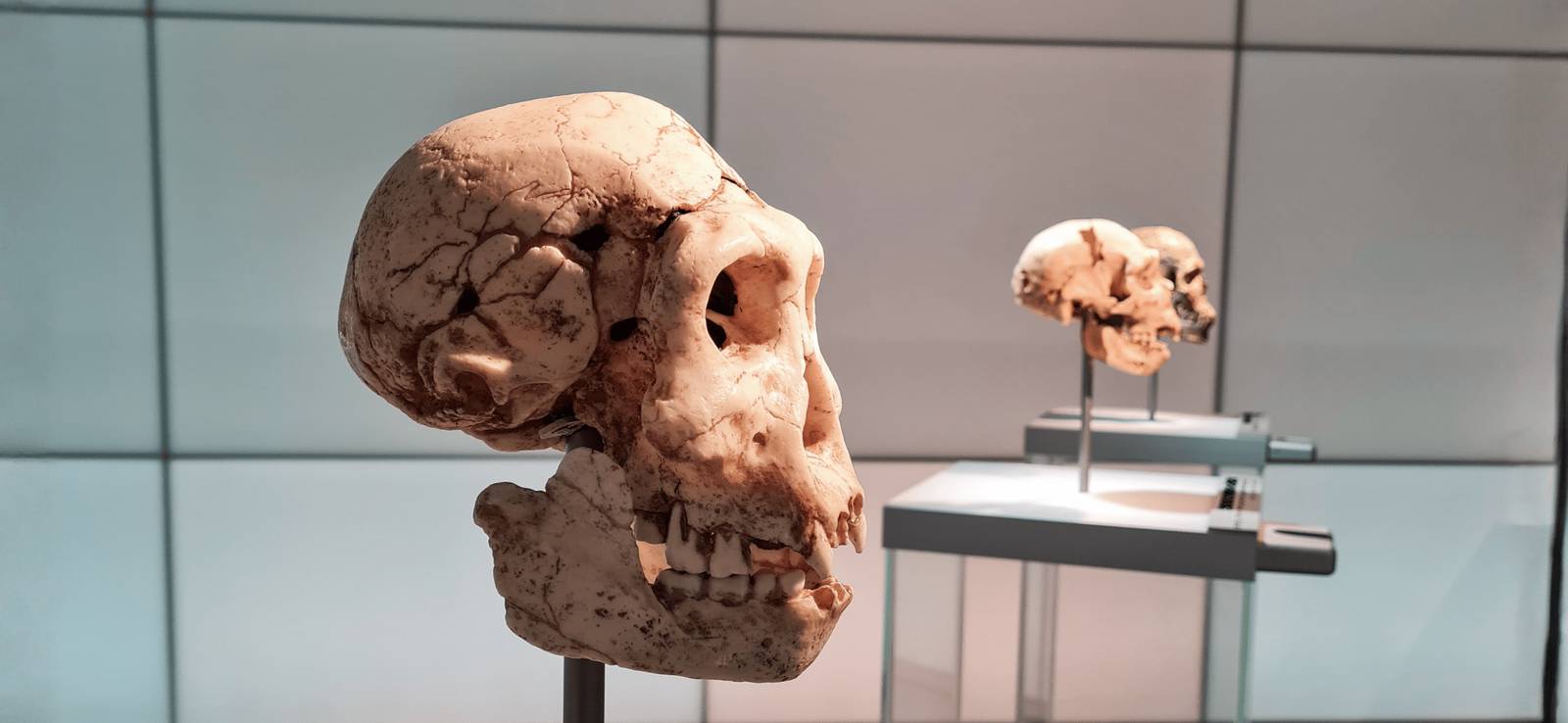
What makes humans different from other primates? When did we become human? This course will chart the development of human behaviour.
How can we begin to understand the spiritual lives of prehistoric people? When do religious ideologies first appear on the human evolutionary timescale? Using both anthropology and archaeological evidence these and many other questions are examined.