
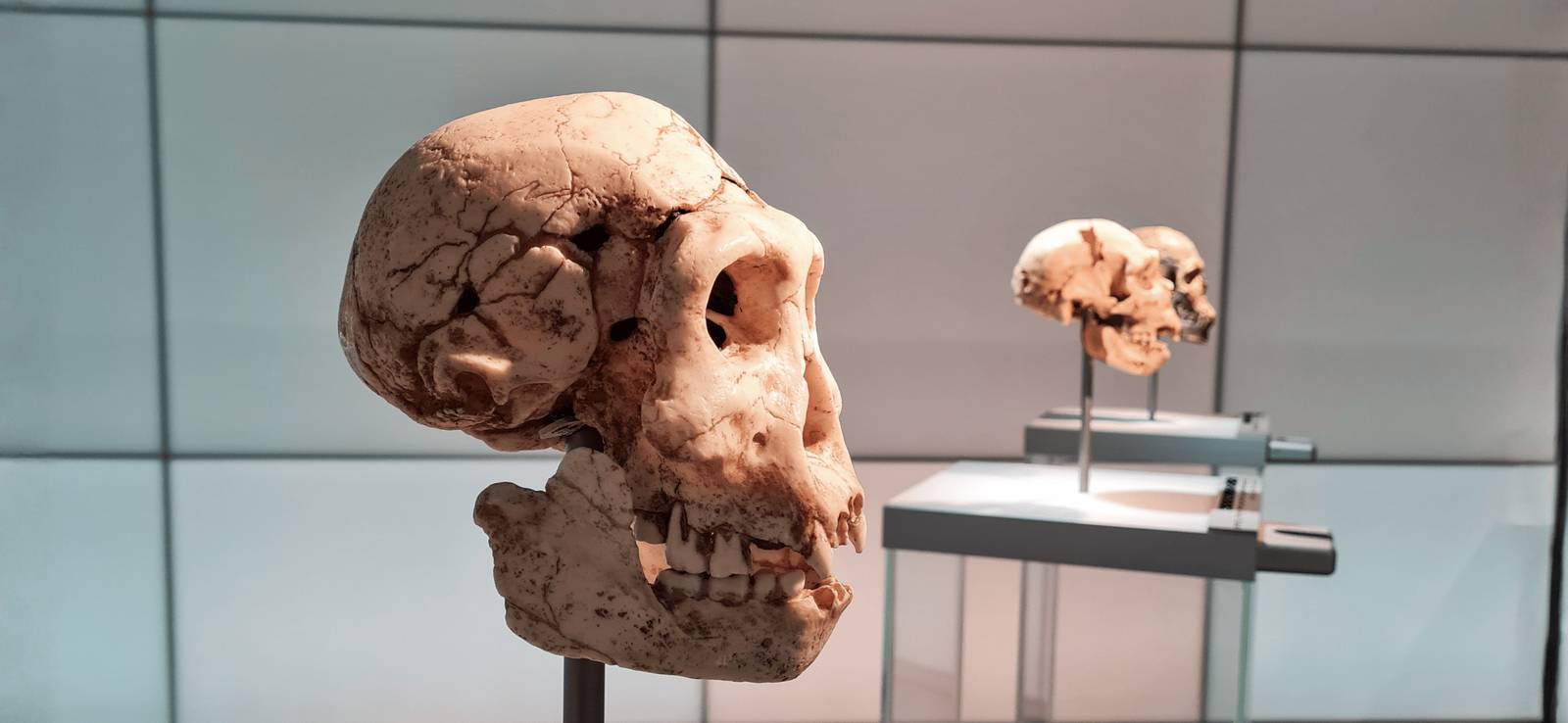
What makes humans different from other primates? When did we become human? This course will chart the development of human behaviour.
Filter by:
Filters
Start month
Day of the week
Time of day
What makes humans different from other primates? When did we become human? This course will chart the development of human behaviour.
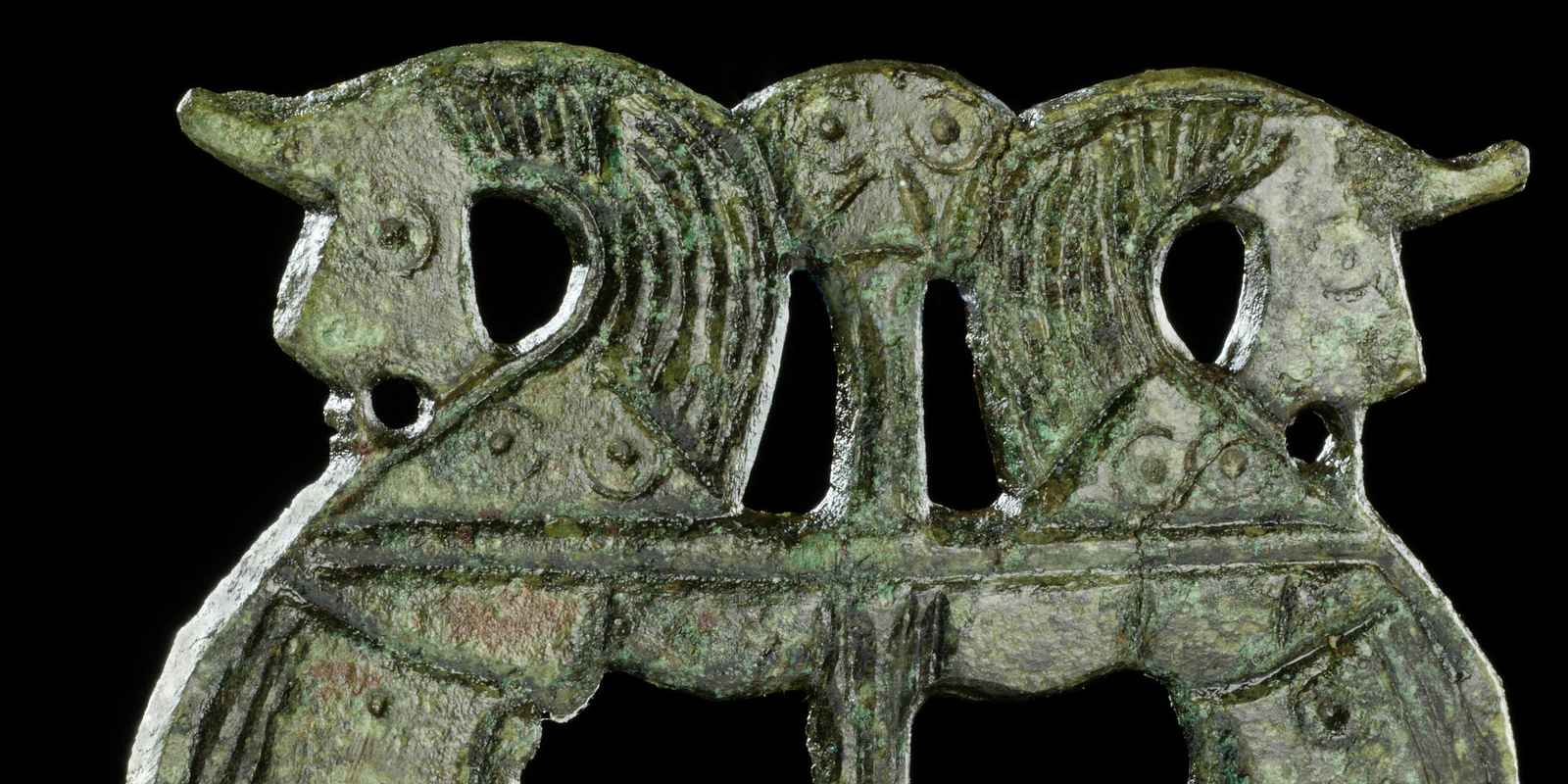
Ravagers, despoilers, pagans, the Vikings are often regarded as bloodthirsty pirates. Yet they were also traders, settlers and farmers with a thriving artistic culture and legal systems. Using archaeology we examine the varied aspects of the Viking world.
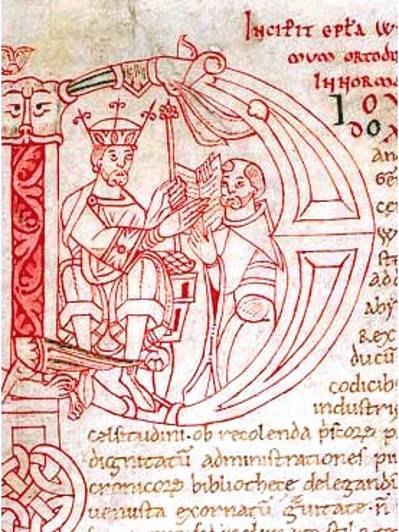
Next year (2027) marks the Millennium of the birth of William the Conqueror. Perhaps the most important, and enigmatic King in English History. This course will trace his achievements, his failures and most importantly his legacy as King of England.
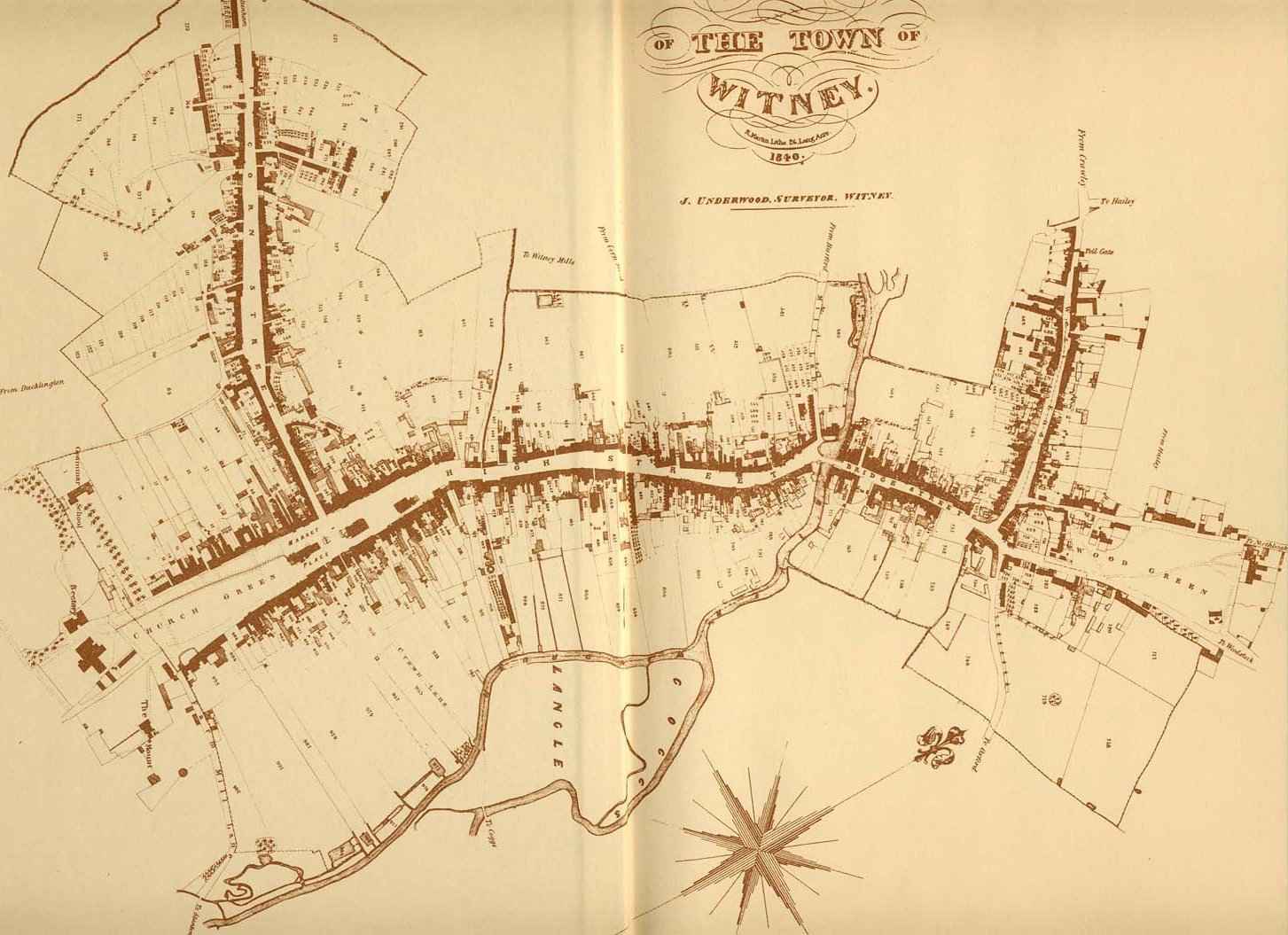
Exploring the role of desk-based assessments (DBA) in managing cultural heritage resource, providing a practical guide to their production, and guidance on their use to fulfil the requirements of the National Planning Policy Framework (NPPF).

Explore Roman Britain through the archaeology of Roman Oxfordshire. Over 10 weeks, examine conquest, identity, religion, landscapes, and daily life through lectures, seminars, museum visits, and field trips to major Roman sites.
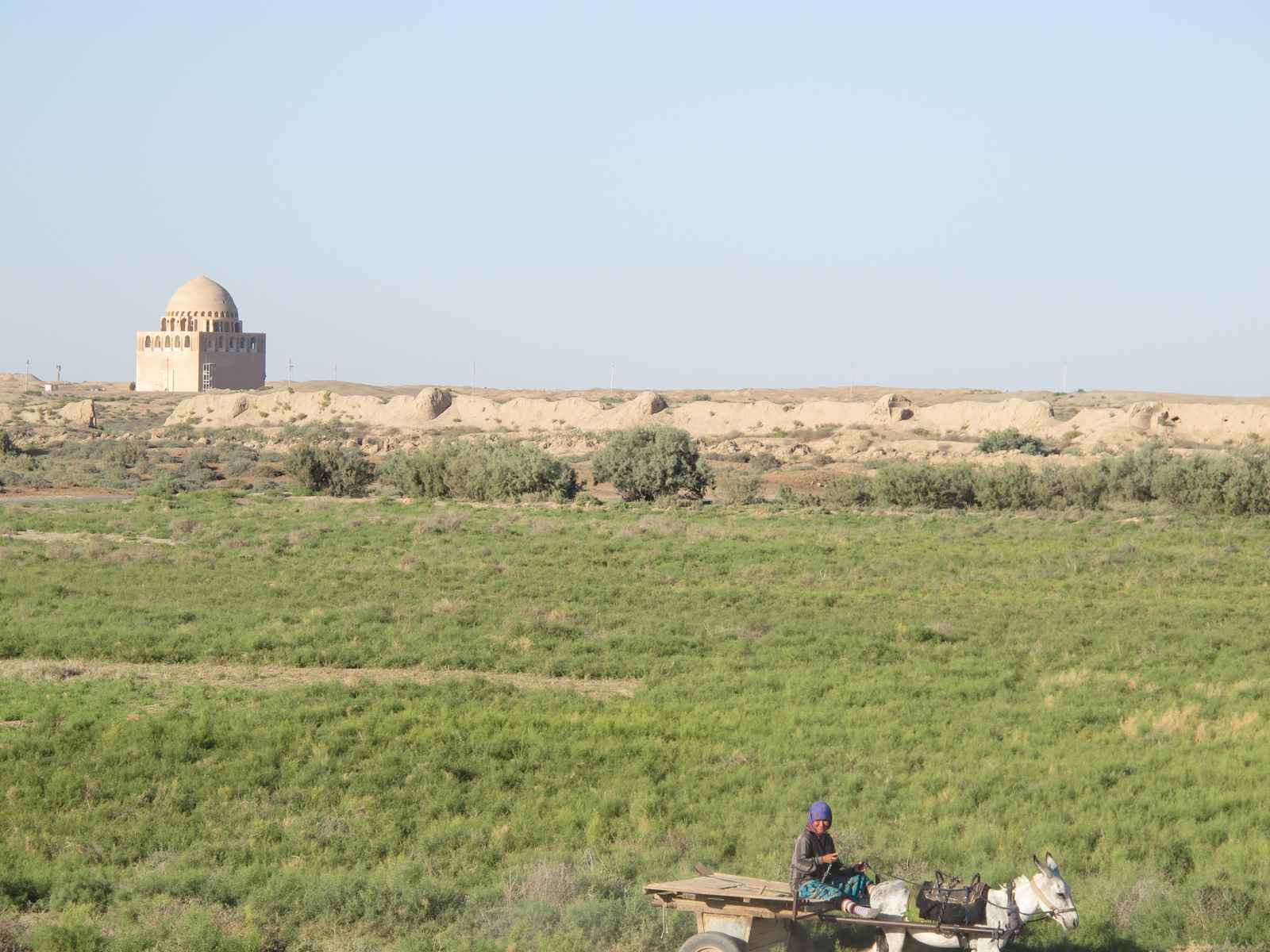
Explore the Silk Roads through important cities like Samarkand and Bukhara, tracing empires, faiths, and cultures from the Bronze Age to the medieval world.
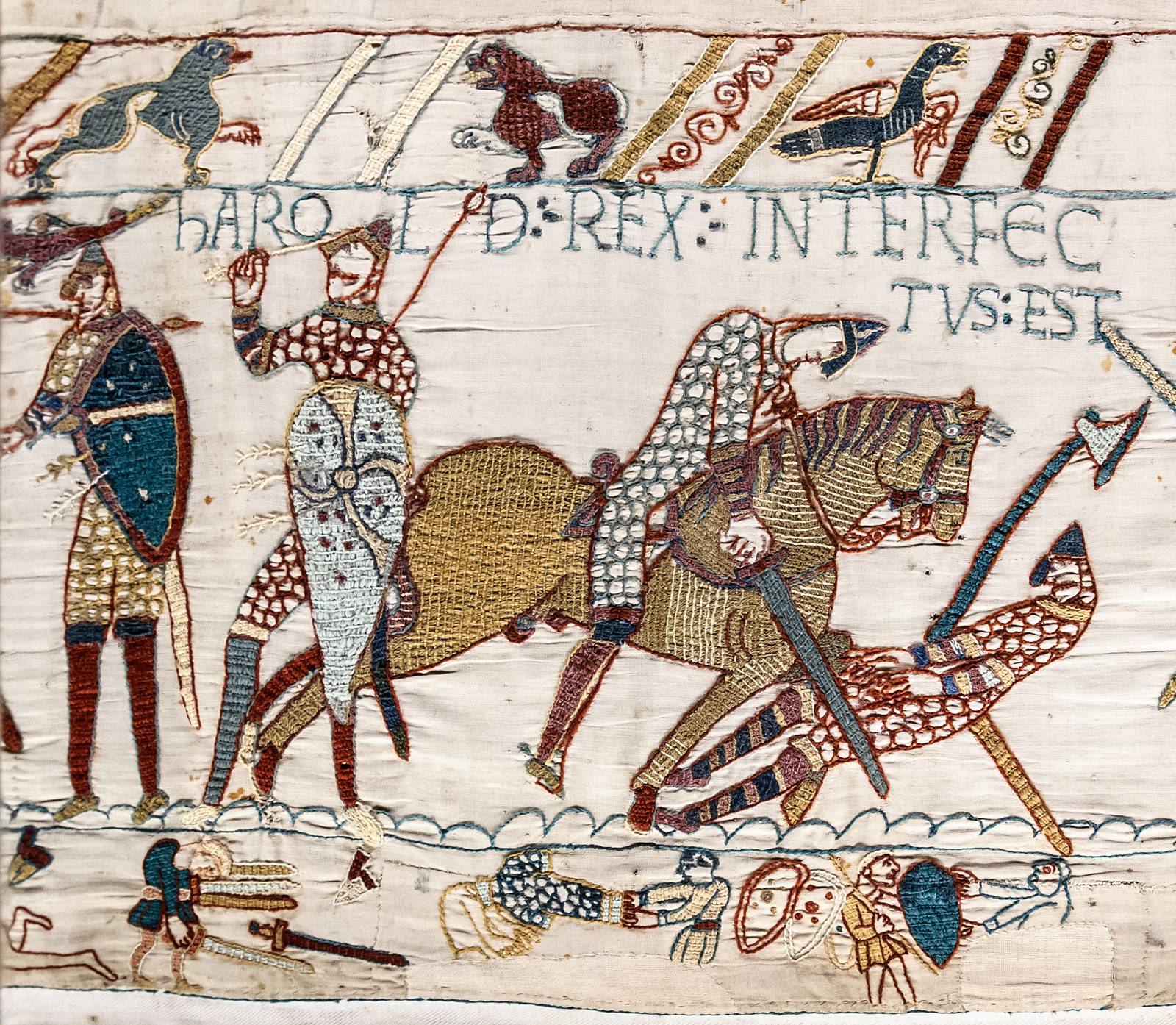
The Bayeux Tapestry is a unique medieval artefact with an extraordinary history. It has survived for almost a thousand years despite misuse, fire, revolution, exploitation and attempted theft. This lecture will trace its history.
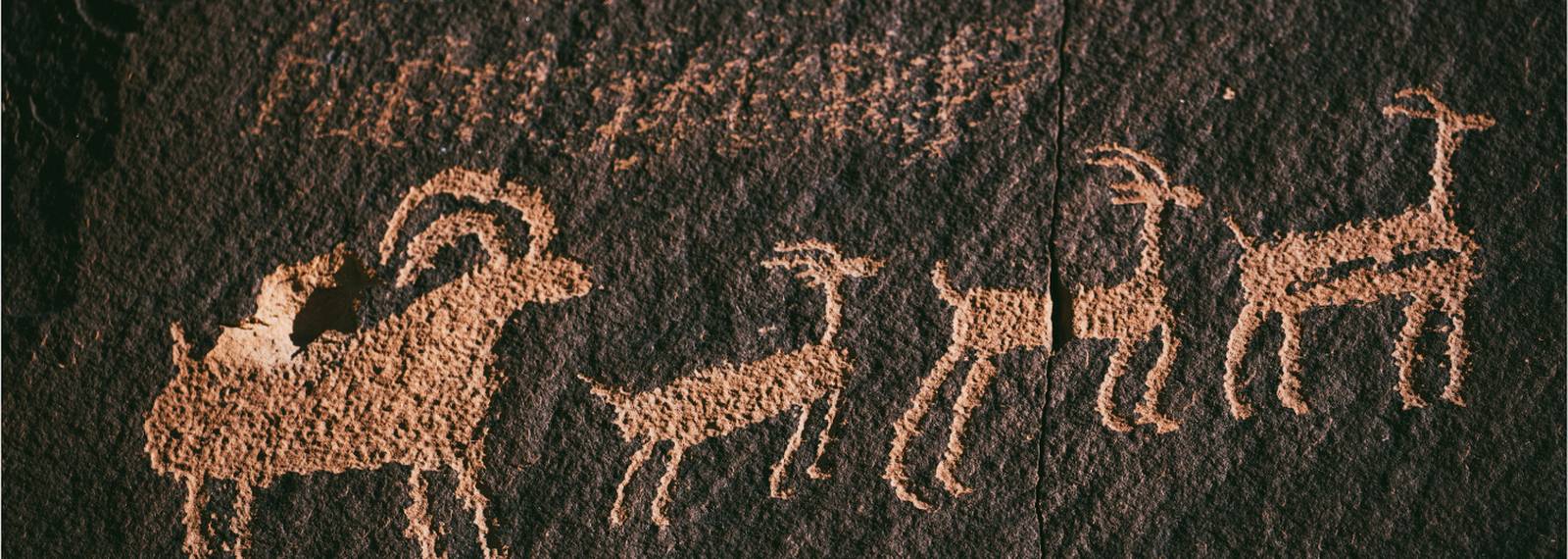
From hunting dogs to Silk Road camels and urban cats, this lecture series explores how animals shaped human history, using archaeology and history to uncover the deep entanglements between people and domestic species.
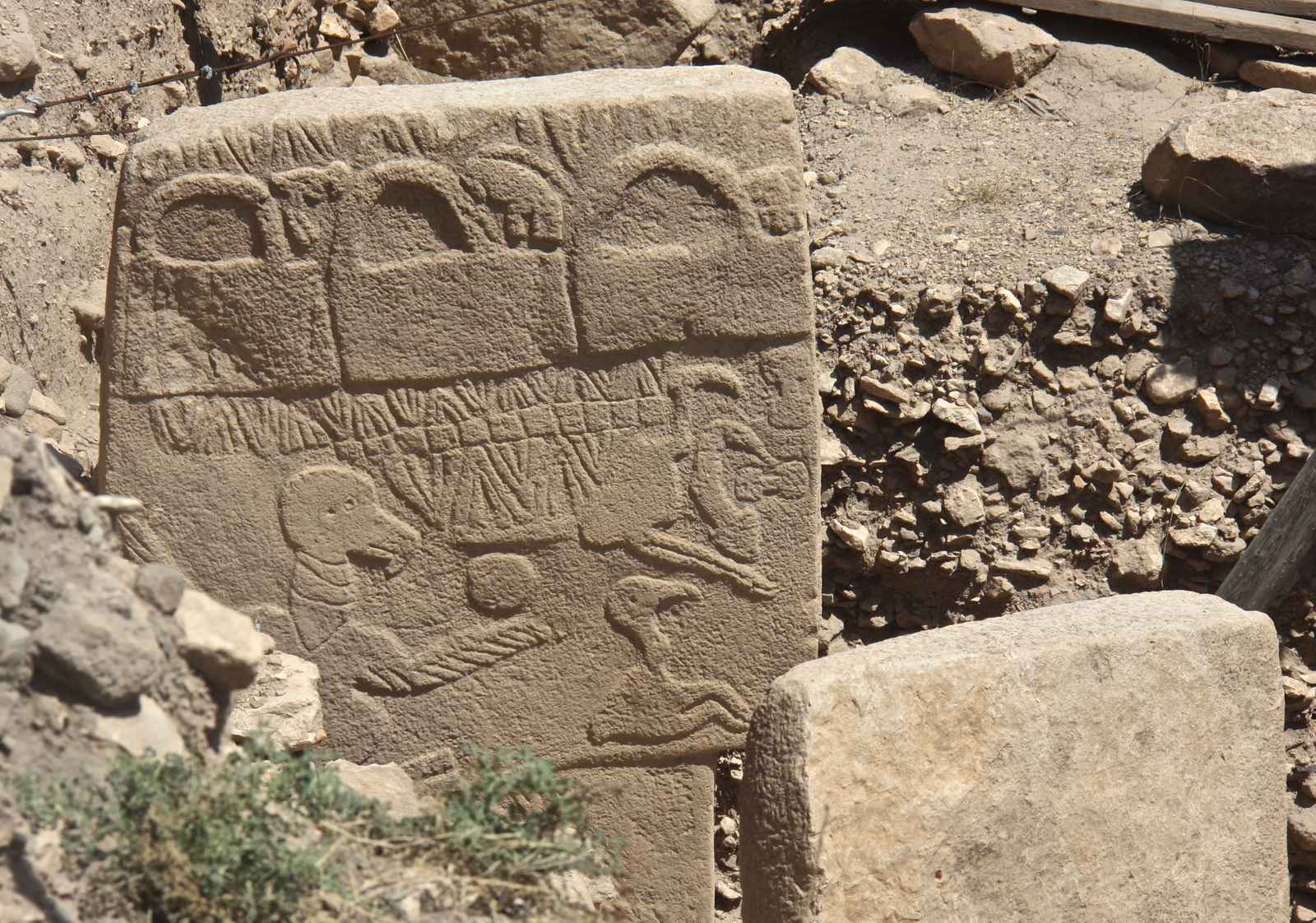
Built more than 11,000 years ago at the dawn of agriculture, Göbekli Tepe is famous for its monumental enclosures and richly decorated T-shaped pillars. Join us to learn more about this extraordinary settlement and the new research that is redefining it.

This course provides an introduction to the legal and ethical issues arising in the art and cultural heritage sectors today. Aimed at all those engaged in the art world, it will outline principles and practices, exploring cases from the UK and beyond.
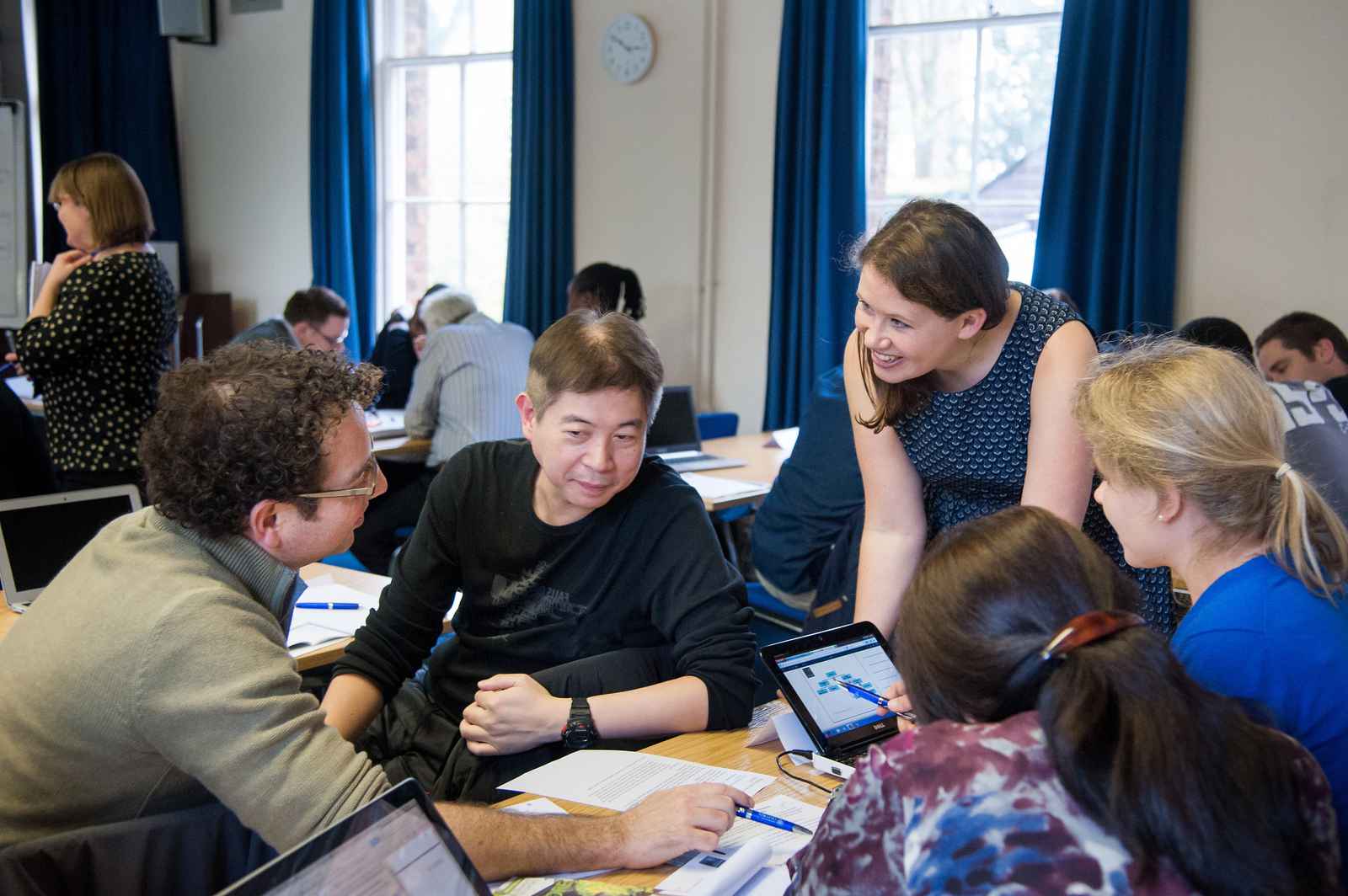
Short course introducing potential witnesses and advocates to the techniques and procedures of public inquiries dealing with the historic environment, including preparing proofs of evidence. A mock inquiry will be staged.
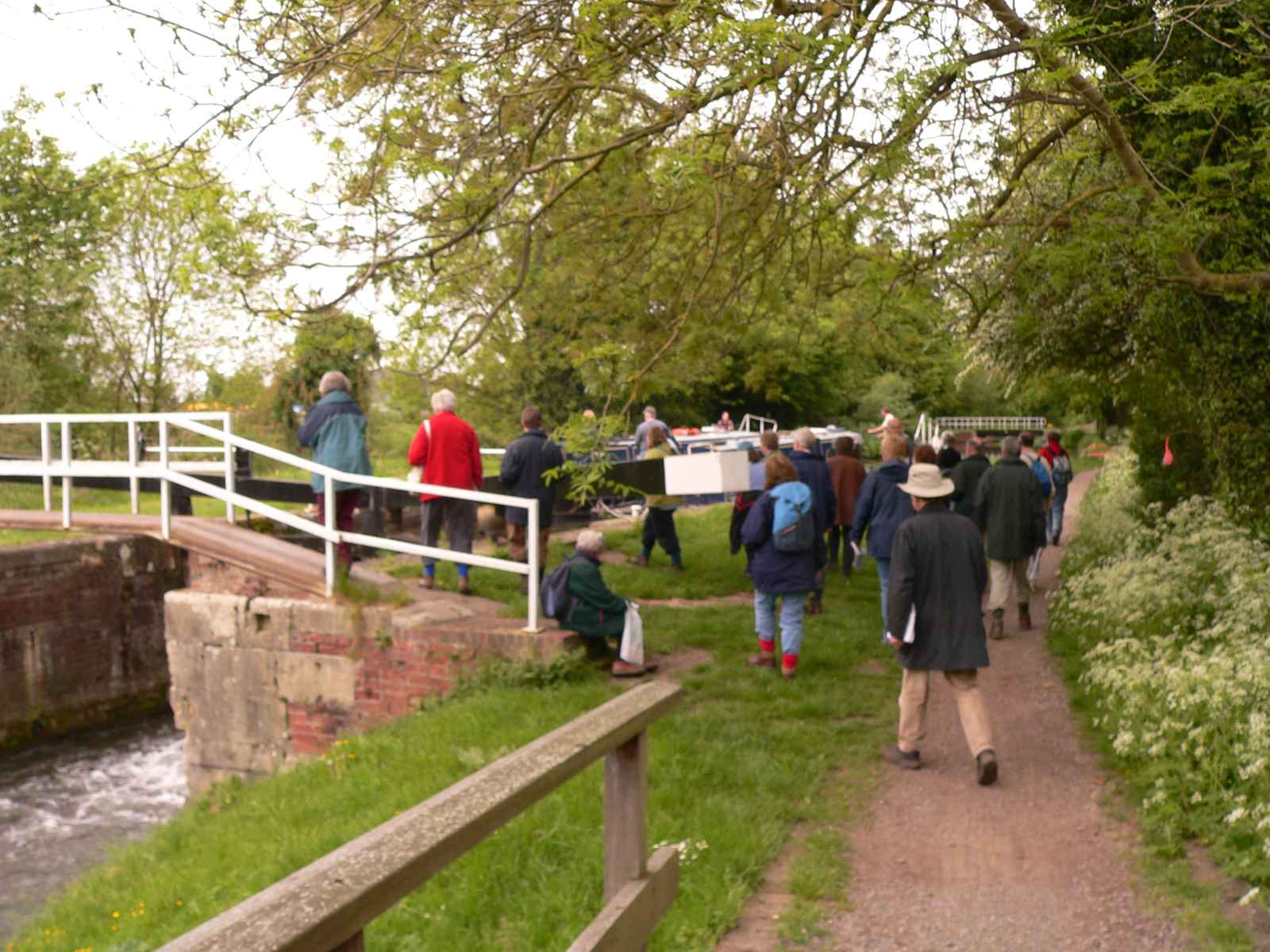
There are archaeological sites all around us: hillforts and stone circles, Roman towns, ancient fields and roads. During this course, we will venture out and look at the archaeological landscape.