

What are Greek myths? Who told them and why? How can we interpret them? Why are they still so powerful? How much history do they contain? This course will explore these fascinating tales from the past and attempt to make sense of them.
Filter by:
Filters
Start month
Day of the week
Time of day
What are Greek myths? Who told them and why? How can we interpret them? Why are they still so powerful? How much history do they contain? This course will explore these fascinating tales from the past and attempt to make sense of them.

A flexible online statistics course for busy health and social care professionals who need to understand the basics of health statistics without becoming statisticians.

Explore modern and contemporary art from 1900 to the present day. This course provides frameworks for understanding key ideas, techniques and debates in modern art, while highlighting both innovation and continuity with the art of earlier periods.
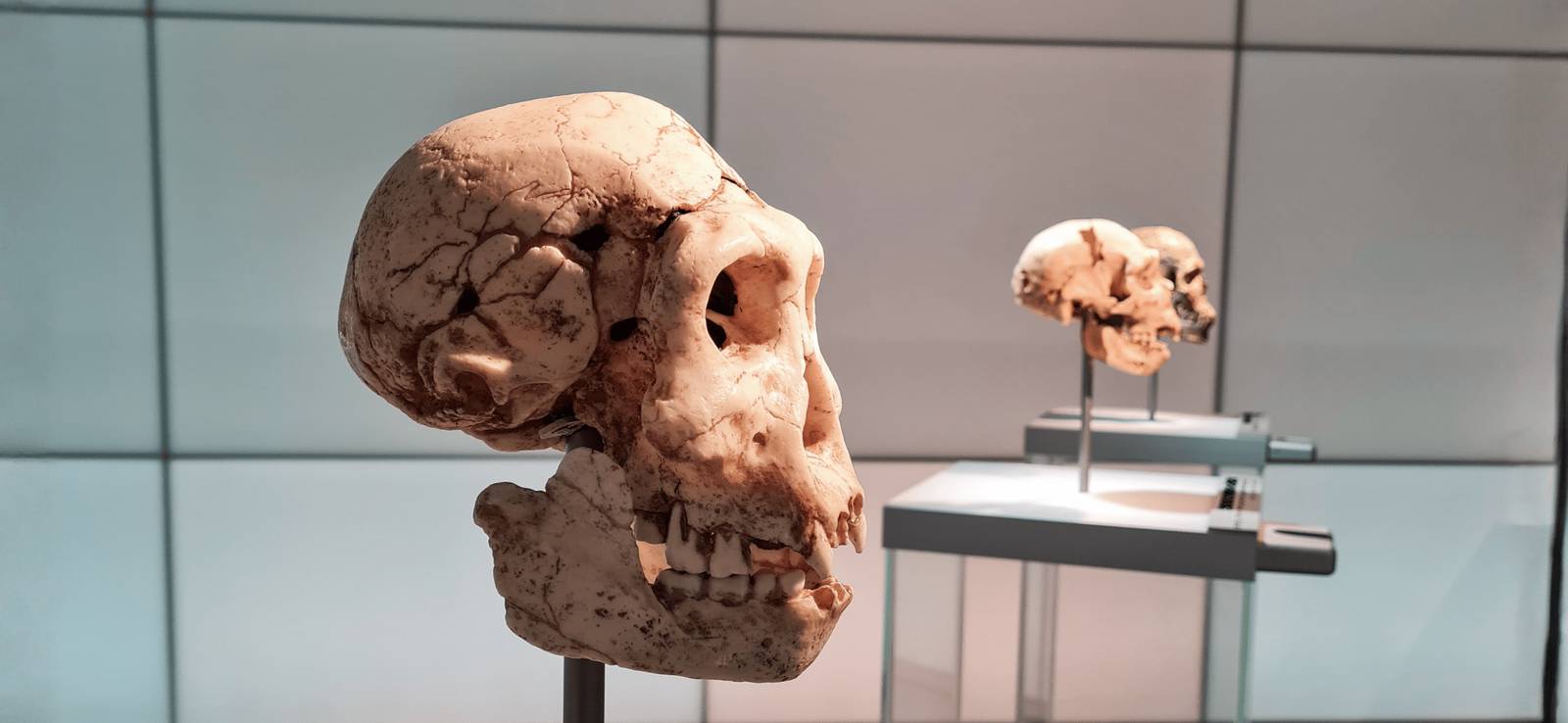
What makes humans different from other primates? When did we become human? This course will chart the development of human behaviour.
An introduction to the basic concepts and skills for evidence-based health care.

All of us are affected by government policies, and governments place particular emphasis on economic policies. This course will equip you to evaluate the economic arguments made about public policy choices.

How can we begin to understand the spiritual lives of prehistoric people? When do religious ideologies first appear on the human evolutionary timescale? Using both anthropology and archaeological evidence these and many other questions are examined.

A creative and critical 10-week online course helping you develop your passion for drama into the craft of dramatic writing.

This course will explore the English medieval cathedral as a developing institution which survived over a thousand years of religious upheaval and historical change, focusing on the multifaceted architecture of a range of truly great churches.

Explore how ideas about trade, value and society took shape in ancient Greece, China, India and Europe, before tracing how these traditions influenced the economic thinking that shaped the 20th century.

This course introduces you to Old English literature: from tales of heroism, courage and fellowship, to poignant elegies of love and loss.
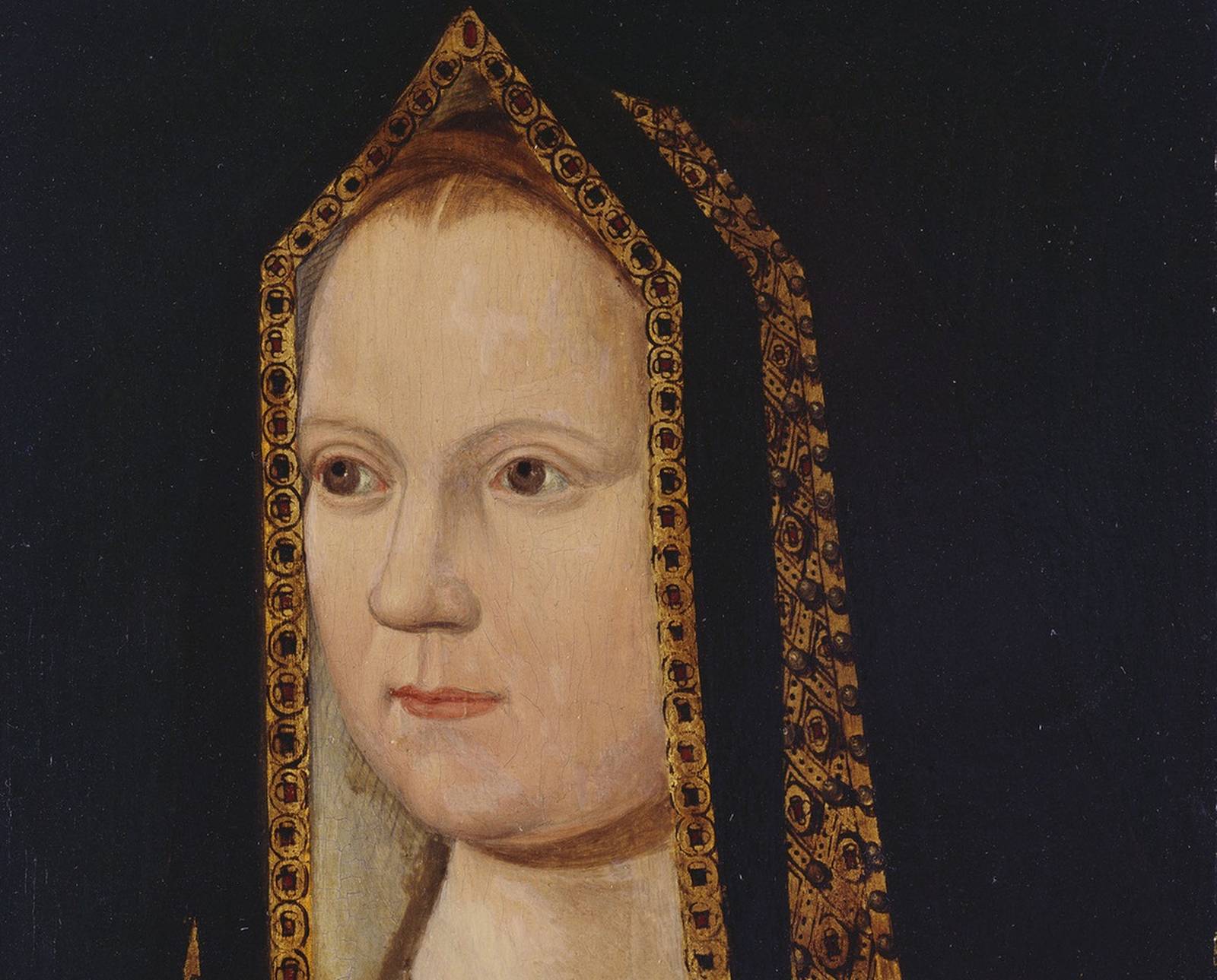
This lecture examines Elizabeth of York in her role as queen consort to Henry VII.