

What are Greek myths? Who told them and why? How can we interpret them? Why are they still so powerful? How much history do they contain? This course will explore these fascinating tales from the past and attempt to make sense of them.
Filter by:
Filters
Start month
Day of the week
Time of day
What are Greek myths? Who told them and why? How can we interpret them? Why are they still so powerful? How much history do they contain? This course will explore these fascinating tales from the past and attempt to make sense of them.

What makes humans different from other primates? When did we become human? This course will chart the development of human behaviour.

How can we begin to understand the spiritual lives of prehistoric people? When do religious ideologies first appear on the human evolutionary timescale? Using both anthropology and archaeological evidence these and many other questions are examined.
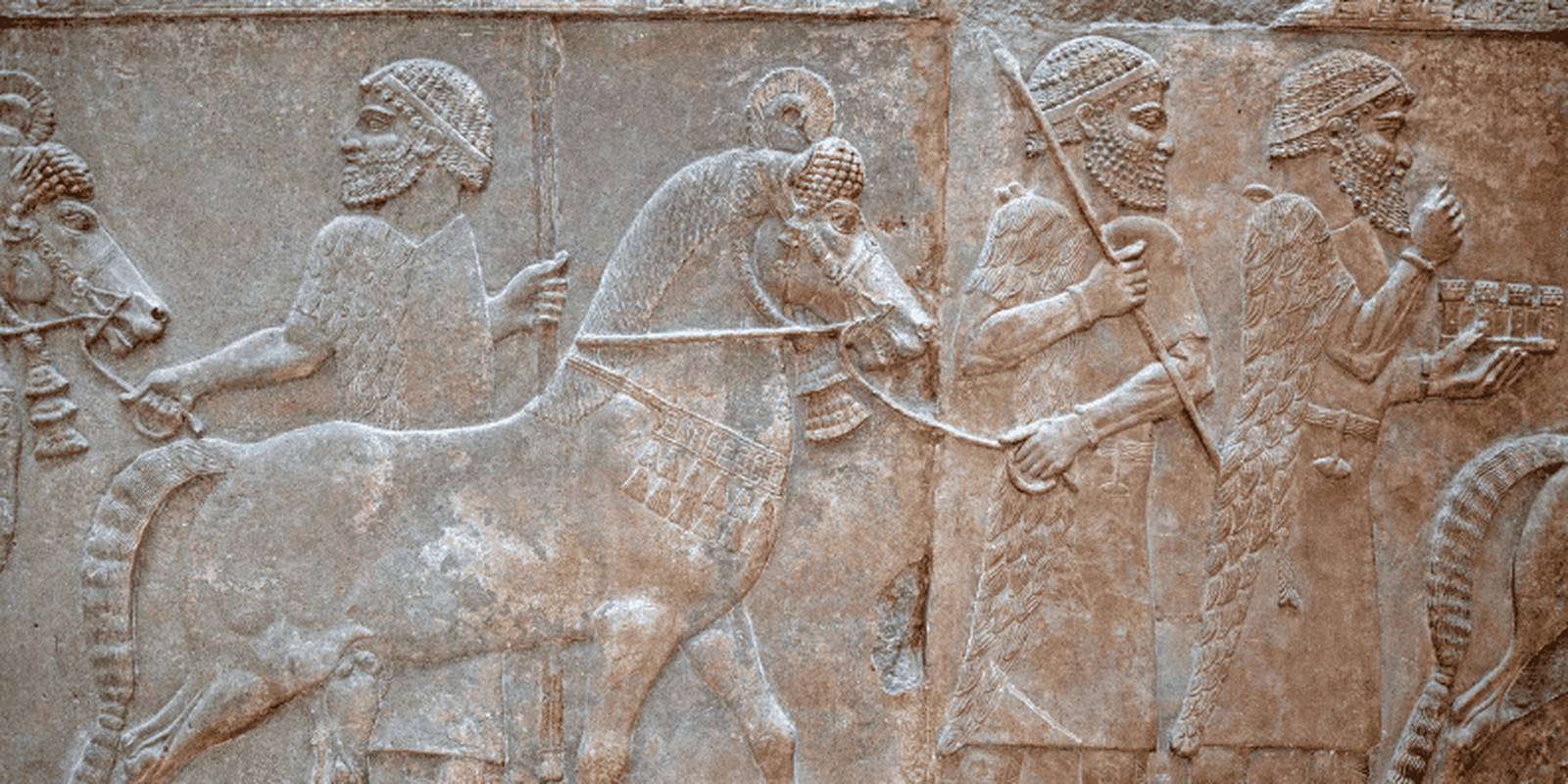
5,000 years ago on the plains of southern Mesopotamia, the Sumerians invented writing, built cities and forged the earliest empires. Using archaeology and textual sources, we will explore a unique civilisation, one that is at the root of our modern world.
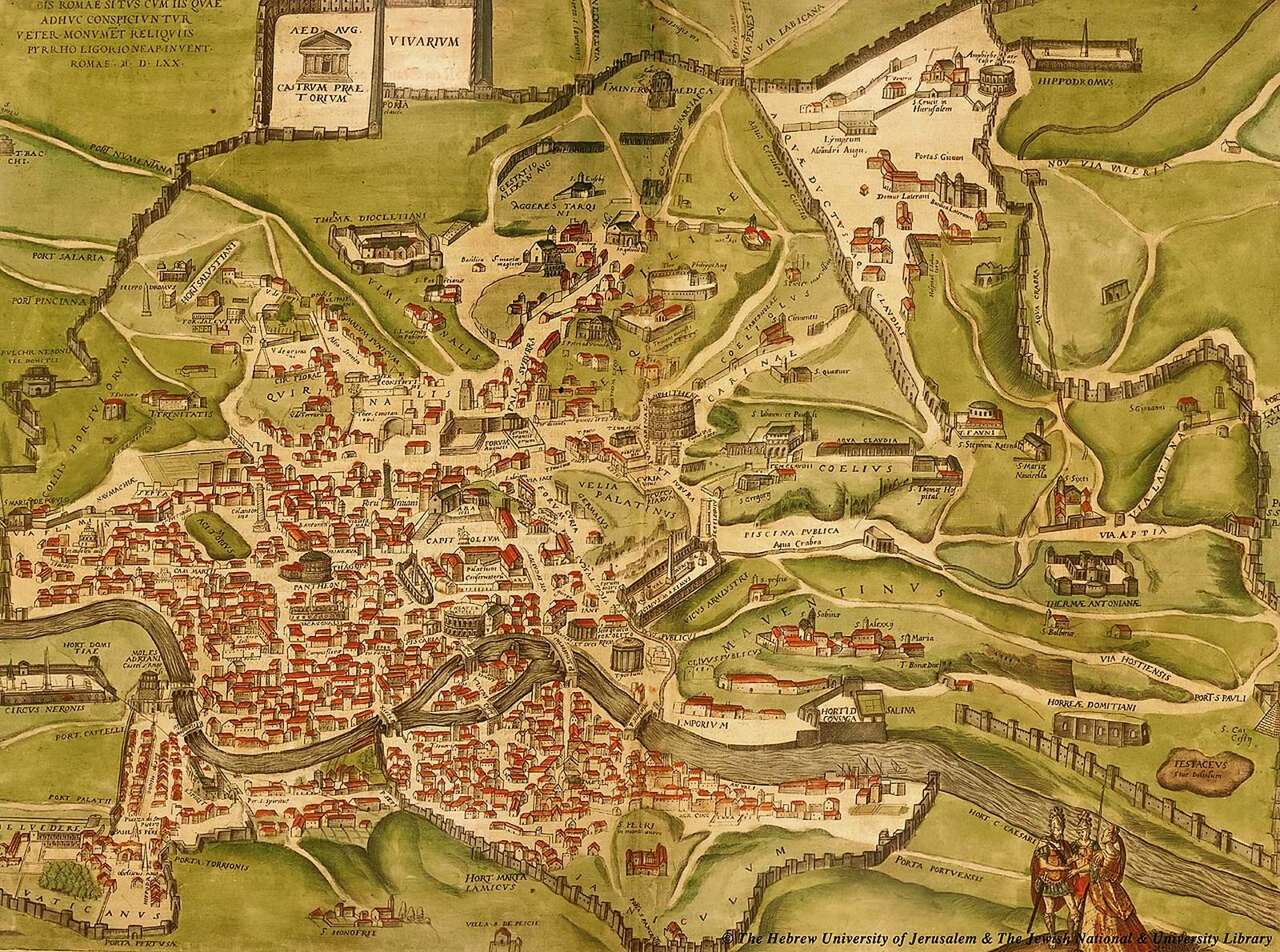
An introduction to various aspects of the intriguing history, vibrant culture and fascinating personalities of Ancient Rome and its enemies during its decline and fall (or transformation) in the last two centuries of the Empire in the West.
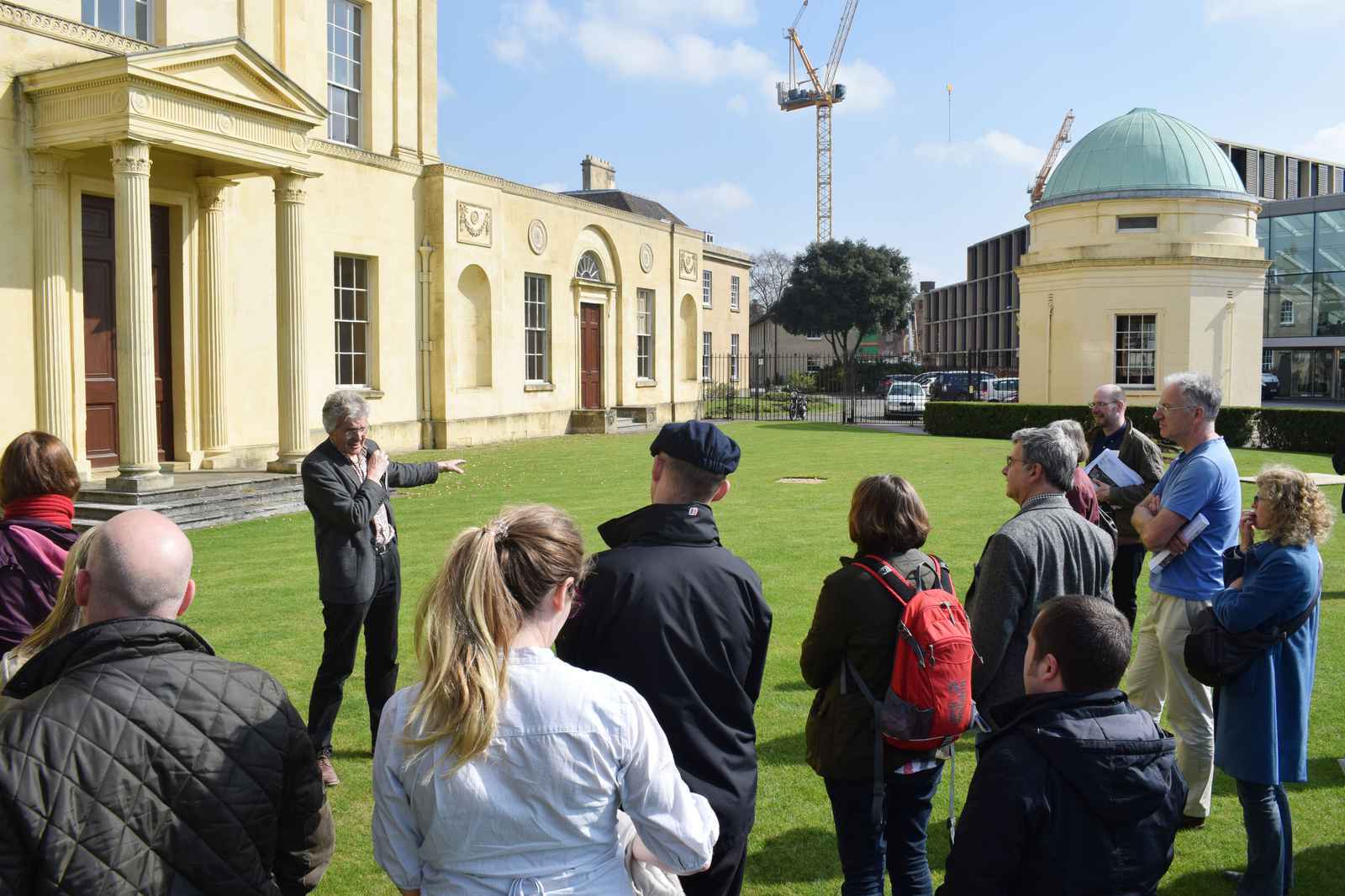
The degree of harm caused to heritage assets has become a key issue in guiding development decisions. Join our expert workshop to explore the meaning of 'harm' and how it is being interpreted in practice today.
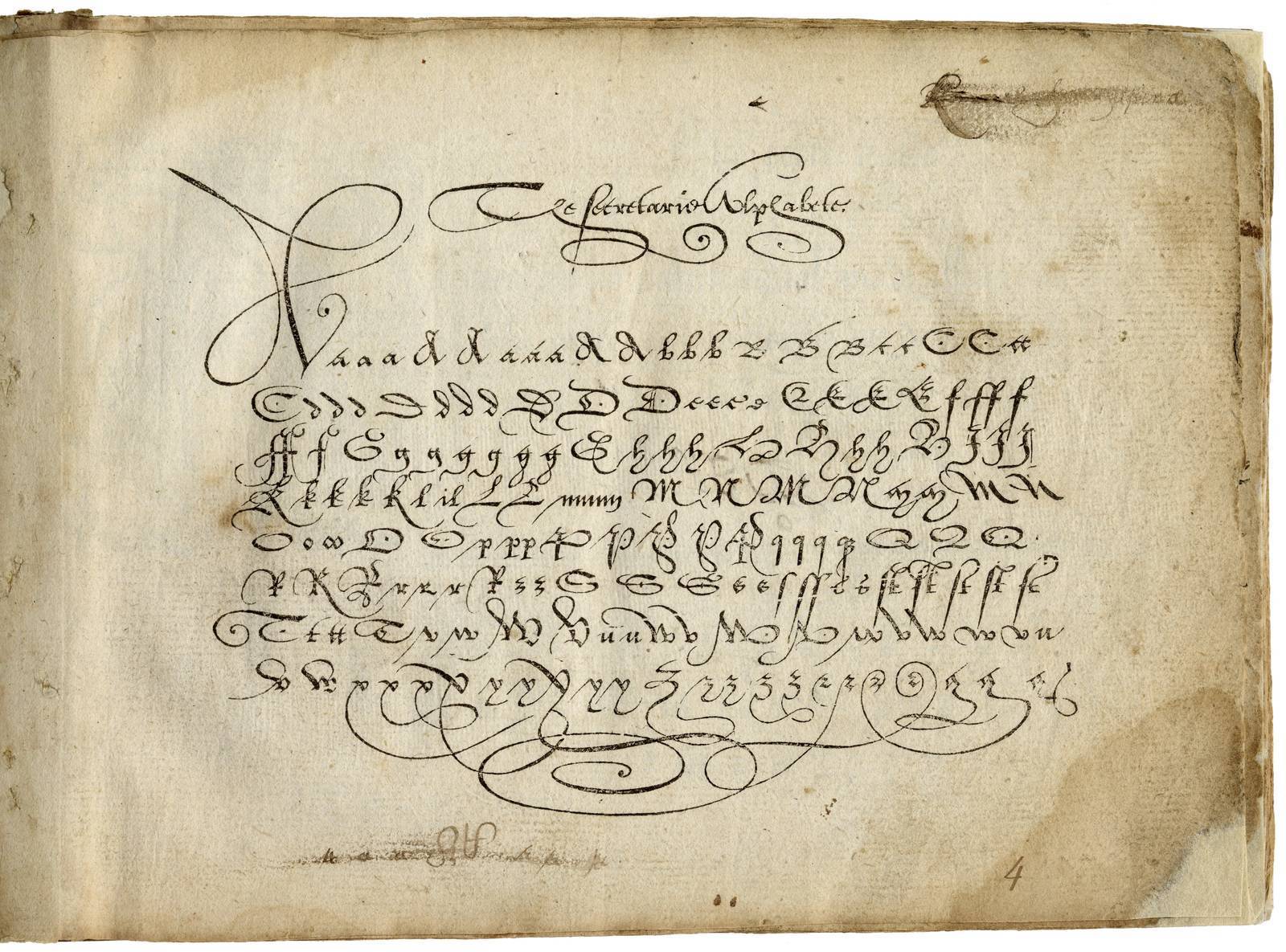
A weekend event in Oxford for those keen to undertake research using original historical documents to begin reading the scripts used in England post 1550. We will cover original sources such as property records, wills, accounts and correspondence.

Recent large-scale development around Banbury has resulted in major archaeological discoveries, in an area not previously well-known for its archaeology. New prehistoric, Roman and Anglo-Saxon sites have all been explored. This day will highlight key site

The oldest known stone tools date back 3.3 million years and pre-date the first appearance of the genus 'Homo'. Join us to explore tool making among our early hominin ancestors from the earliest probable origins to the comparatively advanced Oldowan.
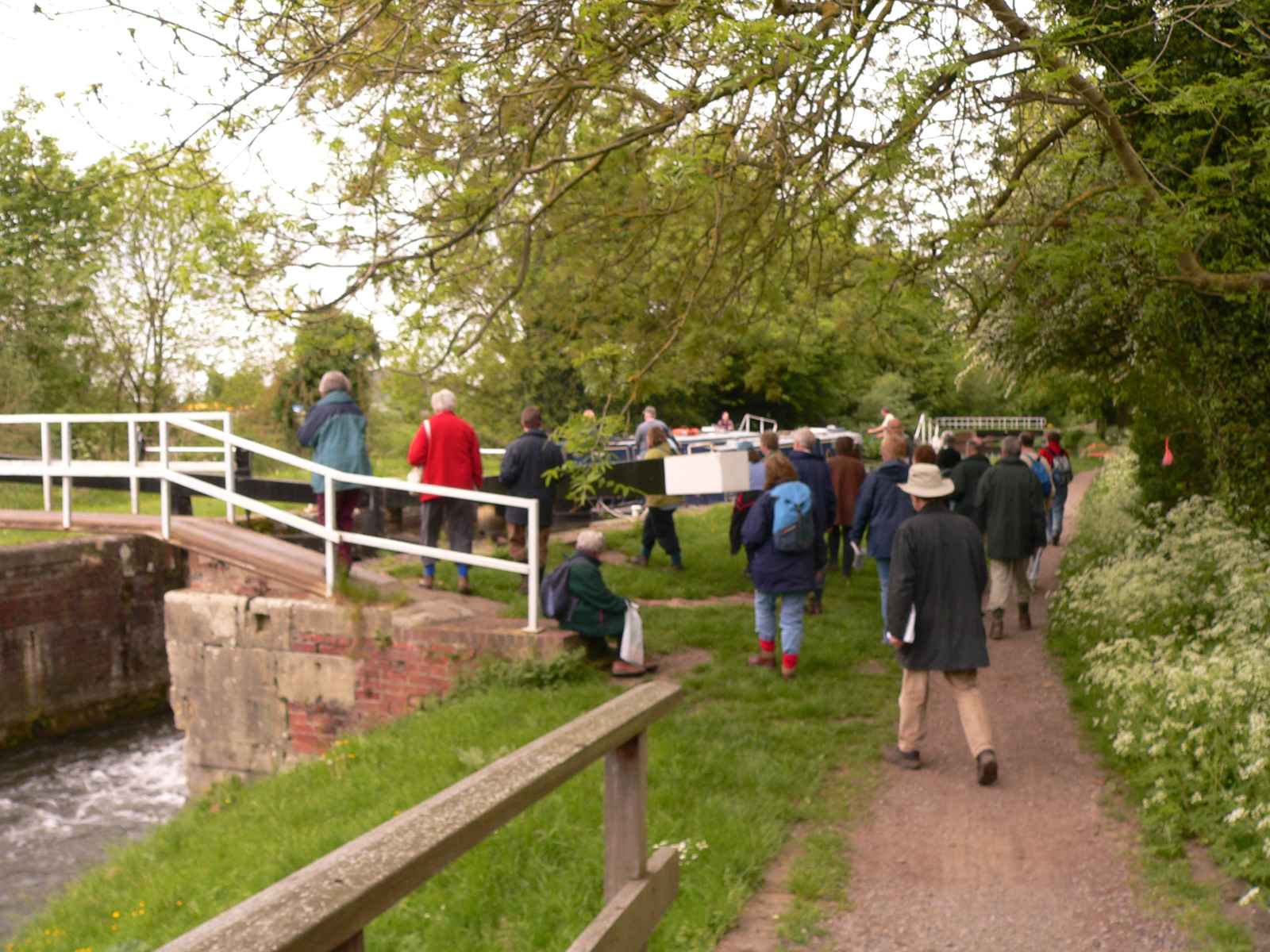
There are archaeological sites all around us: hillforts and stone circles, Roman towns, ancient fields and roads. During this course, we will venture out and look at the archaeological landscape.
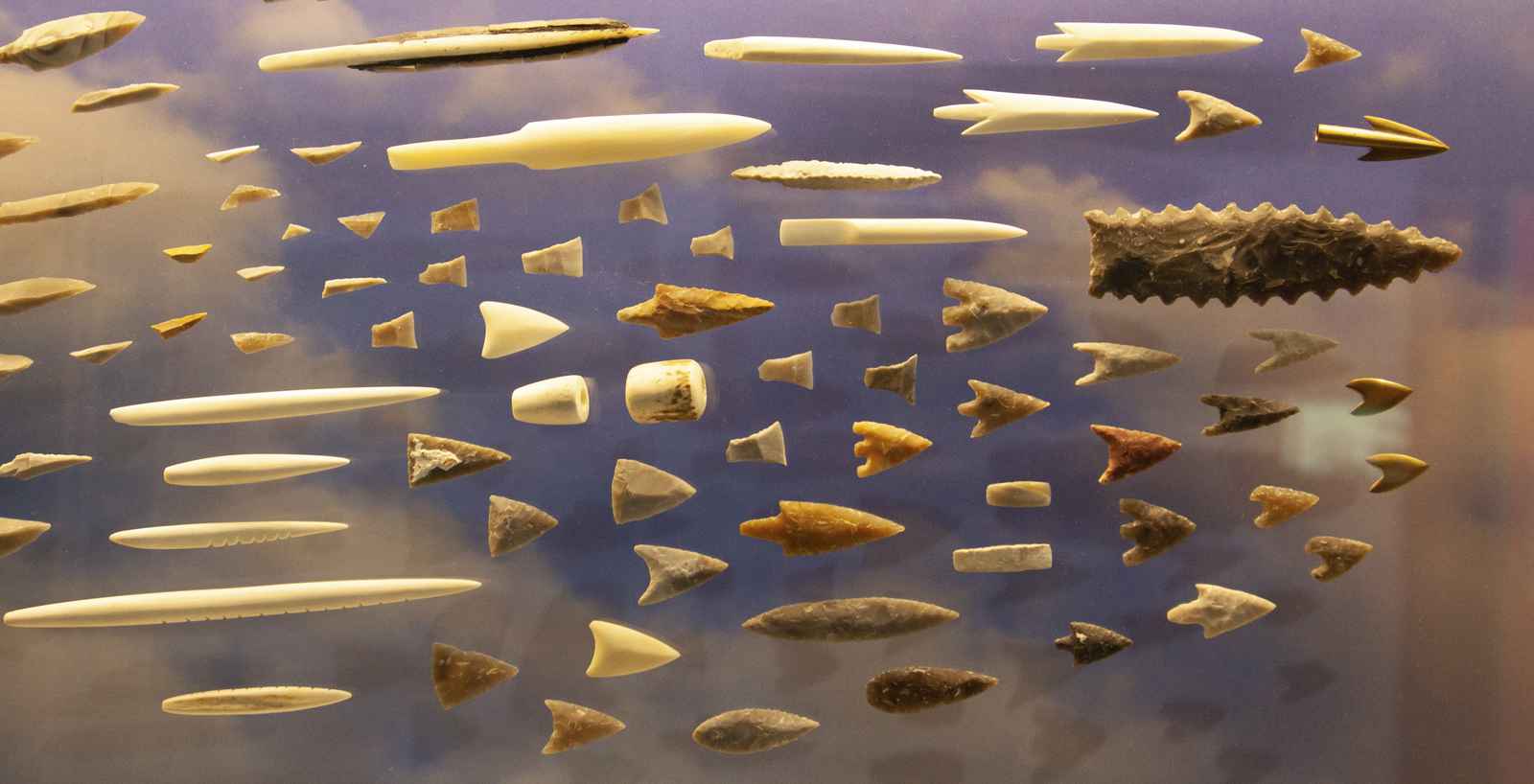
The bow and arrow represents a significant development in projectile technology that dates back as much as 80,000 years ago. Join us to explore the complexities and implications of this technology for early modern human hunter-gatherers.
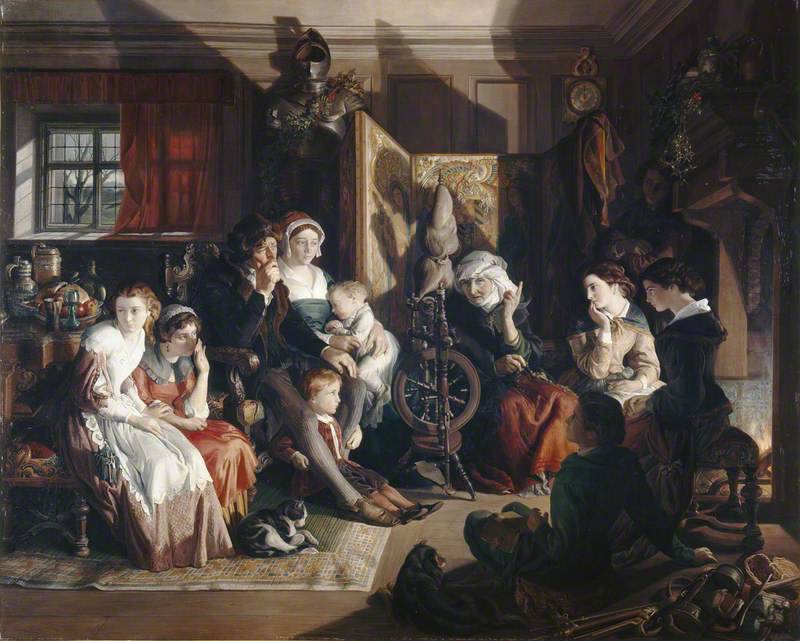
This course provides an historical introduction to the development of folklore studies in Britain. It will review historical conceptions and approaches to folklore from the seventeenth-century antiquarians to the present.
