
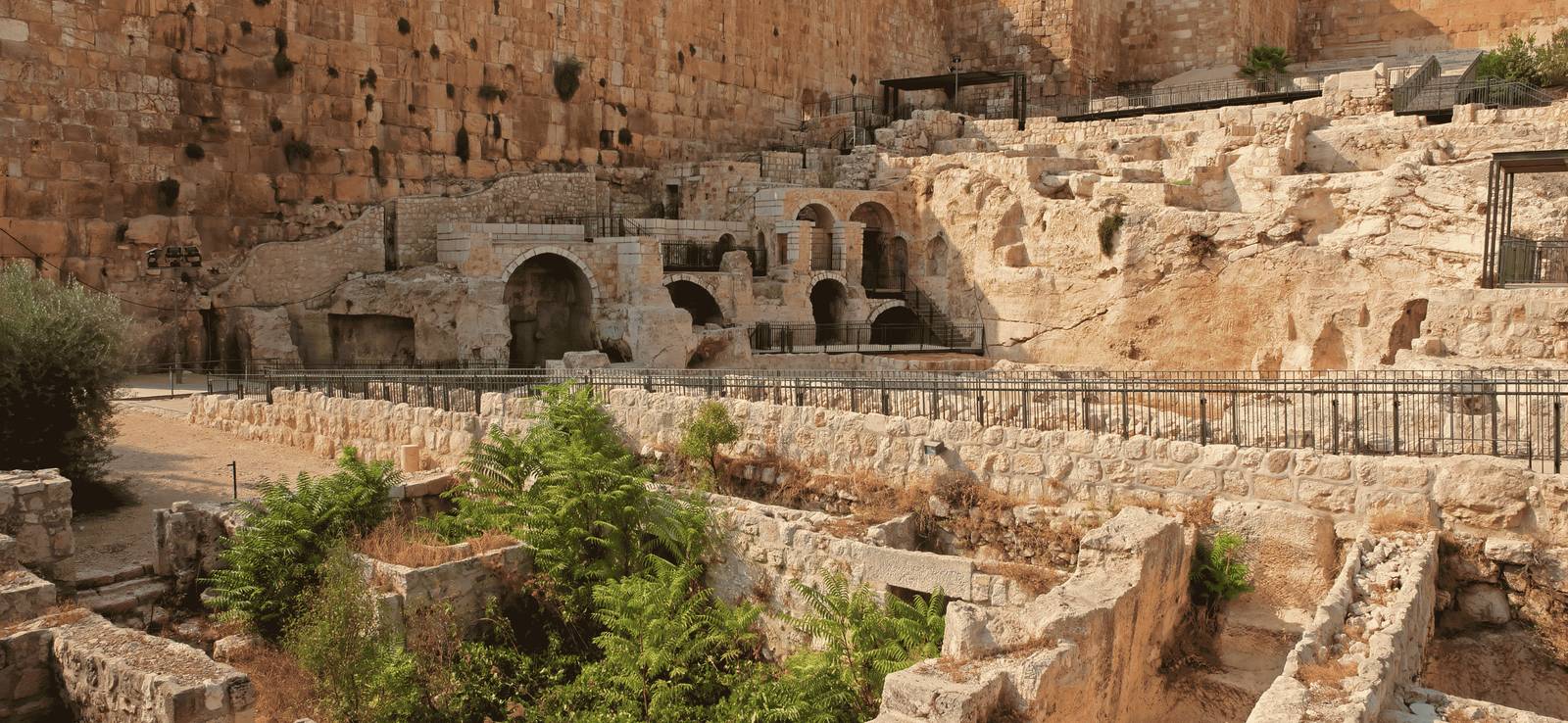
Step into the world of Biblical Archaeology and uncover the secrets of ancient Israel and Judah. Explore how discoveries and artifacts bring the Hebrew Bible to life, while debating the connections between history, interpretation, and faith.
Filter by:
Filters
Start month
Day of the week
Time of day
Step into the world of Biblical Archaeology and uncover the secrets of ancient Israel and Judah. Explore how discoveries and artifacts bring the Hebrew Bible to life, while debating the connections between history, interpretation, and faith.

This course will examine five Oxfordshire market towns, all of which were developed as new towns in the Middle Ages - Thame, Chipping Norton, Witney, Woodstock, and Burford. There will be alternating class sessions and field trips to the study towns.

What are Greek myths? Who told them and why? How can we interpret them? Why are they still so powerful? How much history do they contain? This course will explore these fascinating tales from the past and attempt to make sense of them.
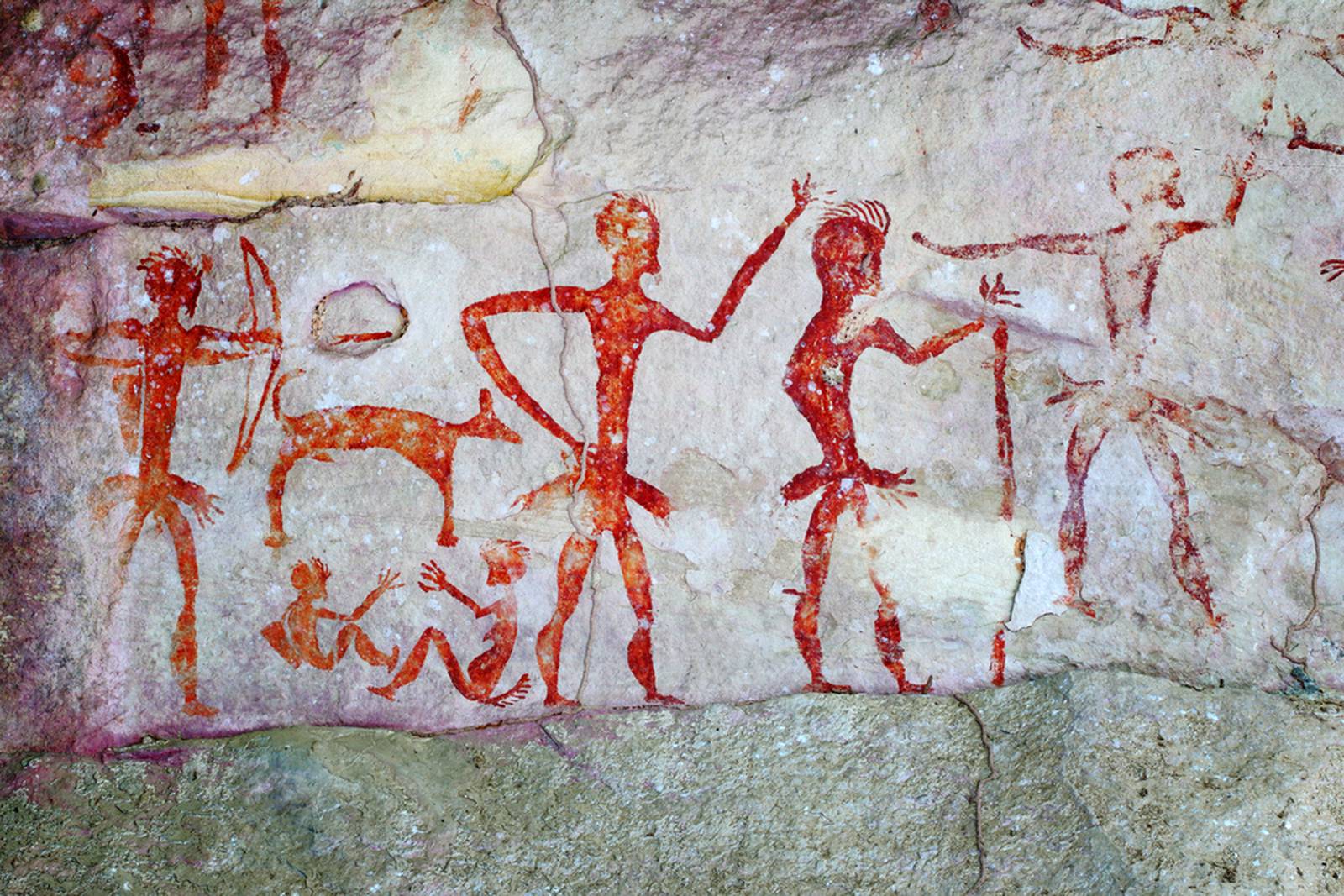
Social anthropology is the study of how humans give meaning to the world through different social norms, values, practices and means of organisation. This course provides an exciting and dynamic introduction to the world of social anthropology.
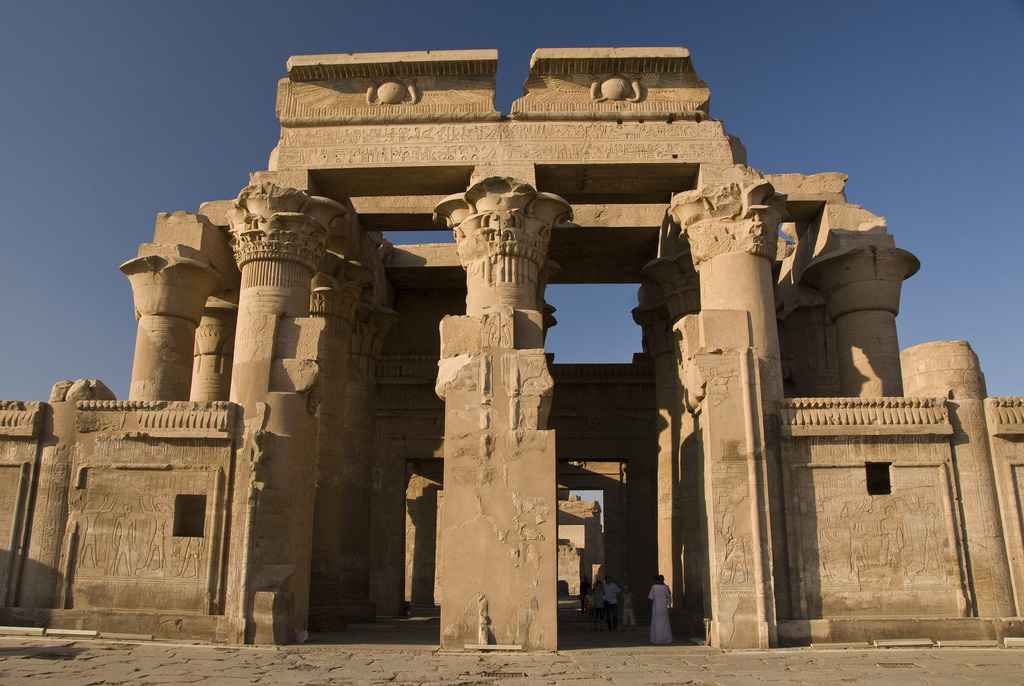
From royal pyramids, court artisans and powerful pharaohs, to grandiose temples, mysterious gods and foreign invasions, participants will experience the world of ancient Egypt, its highs and lows, and the rich tapestry of its culture.
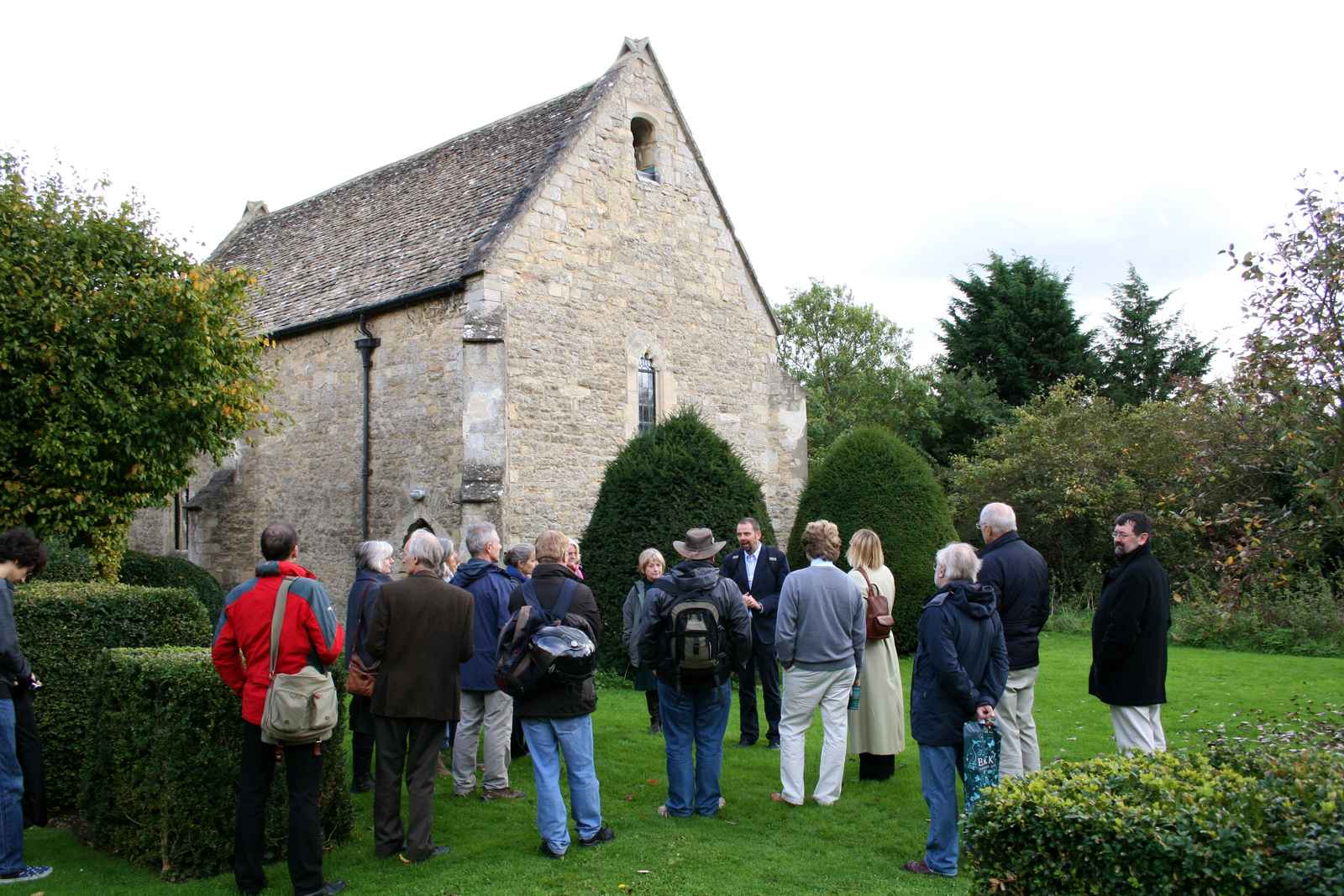
This course aims to give participants an understanding of traditional construction and its defects, and to provide the skills to carry out balanced and informed surveys of historic buildings.
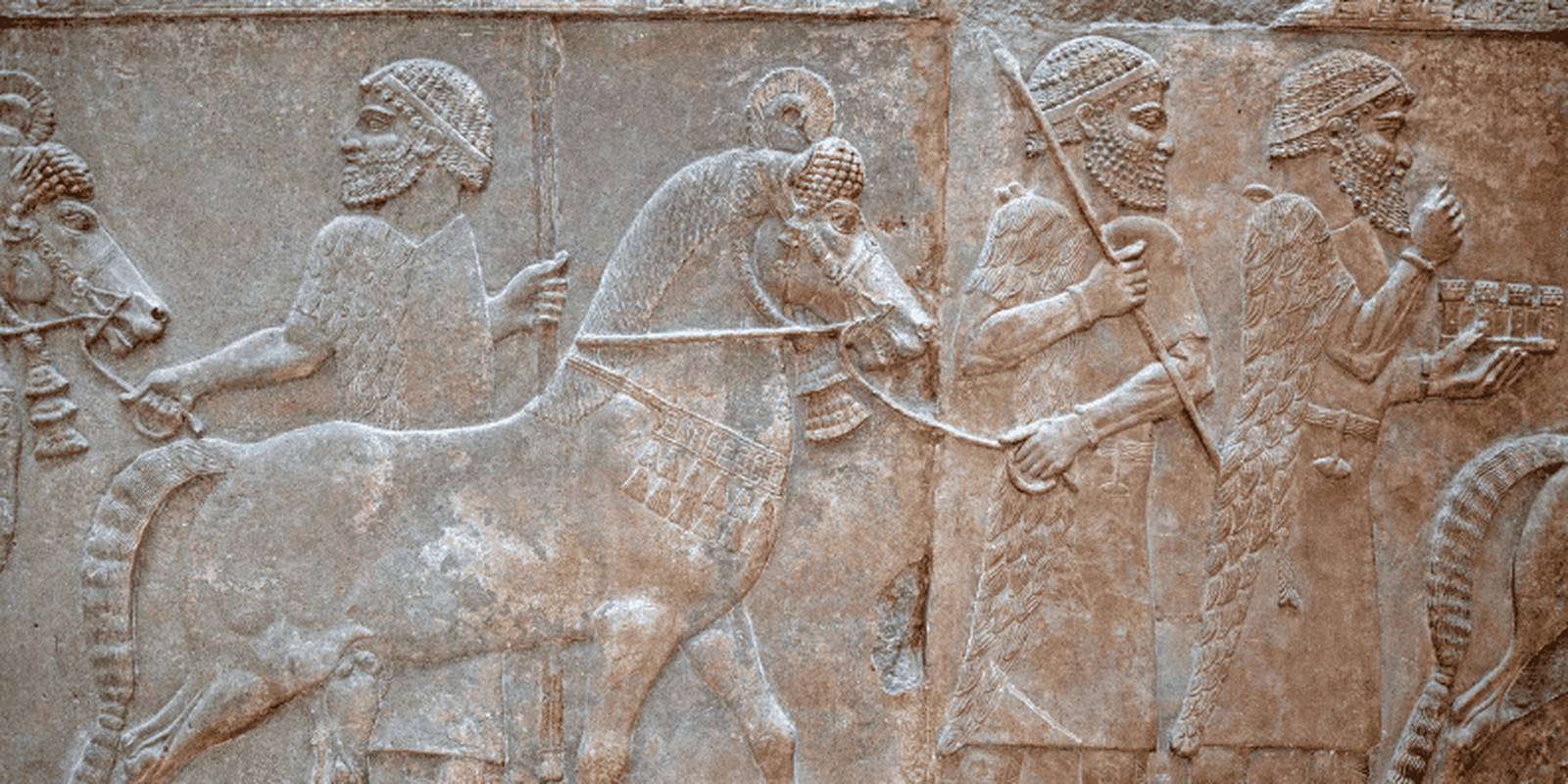
5,000 years ago on the plains of southern Mesopotamia, the Sumerians invented writing, built cities and forged the earliest empires. Using archaeology and textual sources, we will explore a unique civilisation, one that is at the root of our modern world.
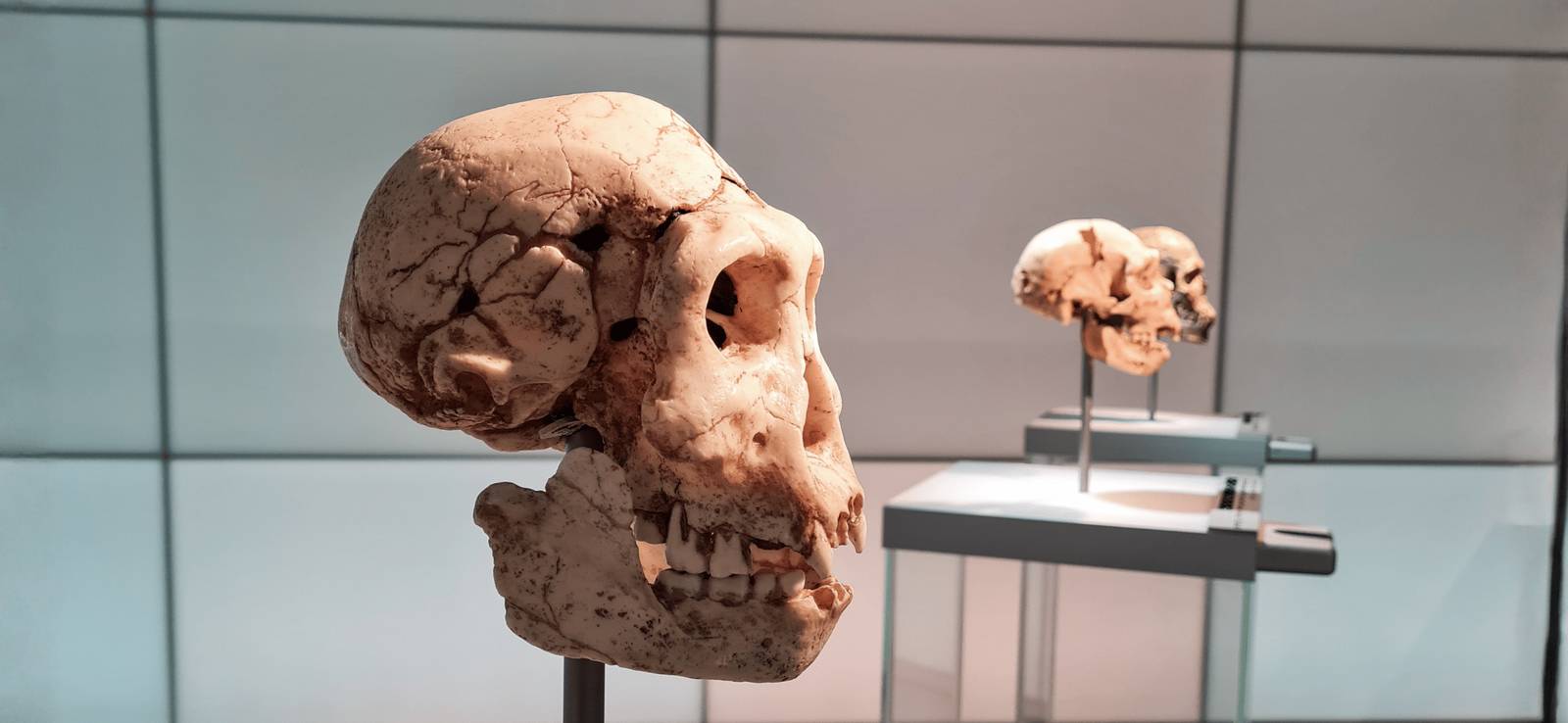
What makes humans different from other primates? When did we become human? This course will chart the development of human behaviour.

How do archaeologists recognise and interpret the lives of past peoples and their societies? An introduction to the methods and techniques of archaeological enquiry, from initial site survey and excavation to scientific analysis.

How can we begin to understand the spiritual lives of prehistoric people? When do religious ideologies first appear on the human evolutionary timescale? Using both anthropology and archaeological evidence these and many other questions are examined.

Ancient DNA is reshaping our understanding of human and animal pasts. Join us to explore the science, major archaeological discoveries, and ethical dilemmas of using genetics to reconstruct our past and shape future debates.
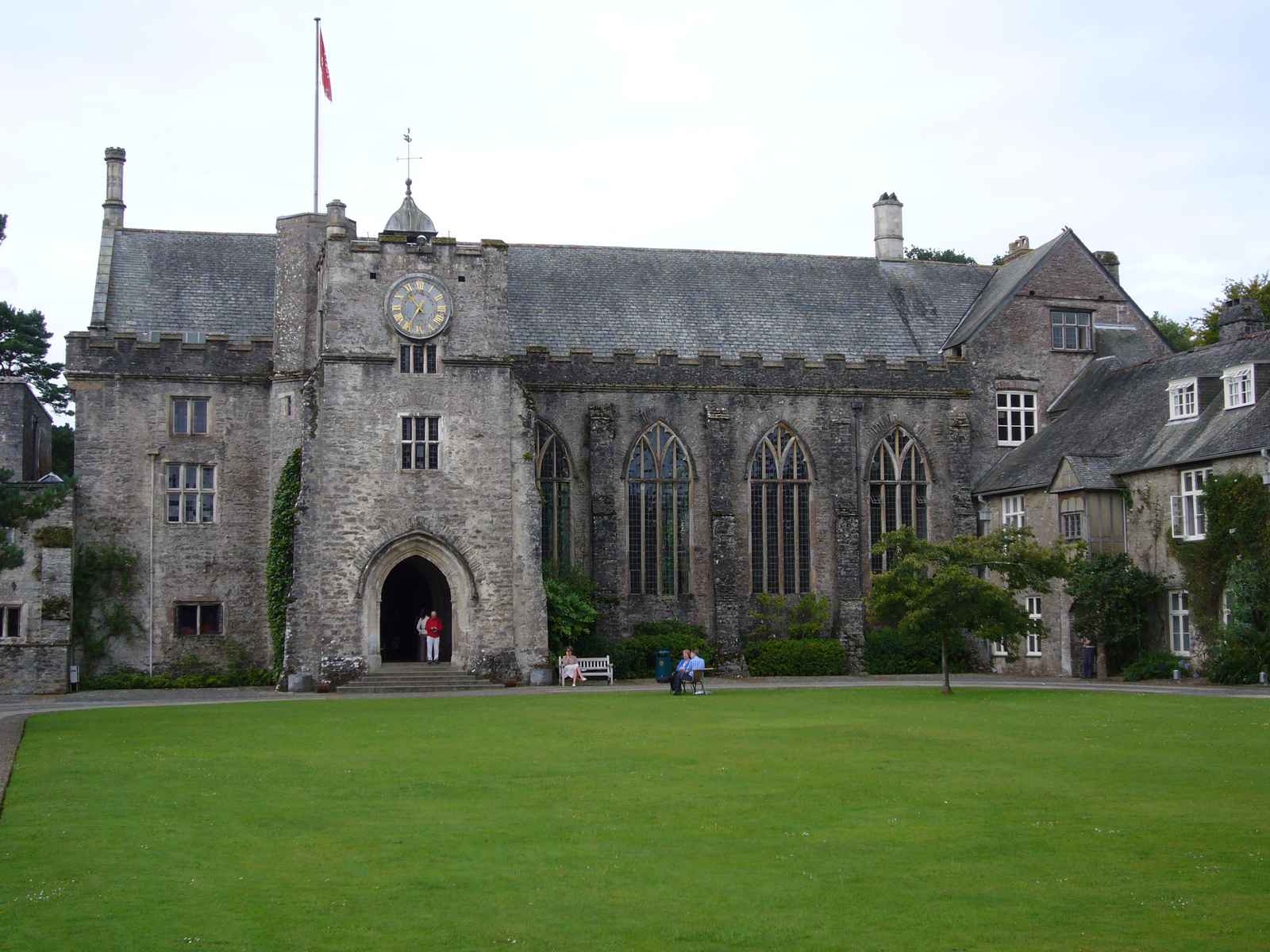
Significance is now a core concept within our planning process. Its assessment is a key part of management and development within the historic environment. This course will introduce the process, explore the ways in which they can be used, and more.