
This introductory course will explore the main stylistic and iconographic themes in Islamic art and highlight the diversity of its expressions.
Filter by:
Filters
Start month
Day of the week
Time of day
This introductory course will explore the main stylistic and iconographic themes in Islamic art and highlight the diversity of its expressions.

This course introduces key issues in the philosophy of science, including debates about the nature of the scientific method, theories of confirmation, the demarcation of science from non-science, the rationality of theory change, and scientific realism.

Political philosophy contains some of the greatest writings in the Western intellectual tradition. This online course introduces you to the central questions concerning the state, by means of classical and contemporary texts.

Is free will an illusion—one over which we would have no control? If it is real, what does it mean to have it, and who (or what) possesses it? Is free will unique to humans, or might it extend to other animals—or even to artificial systems?
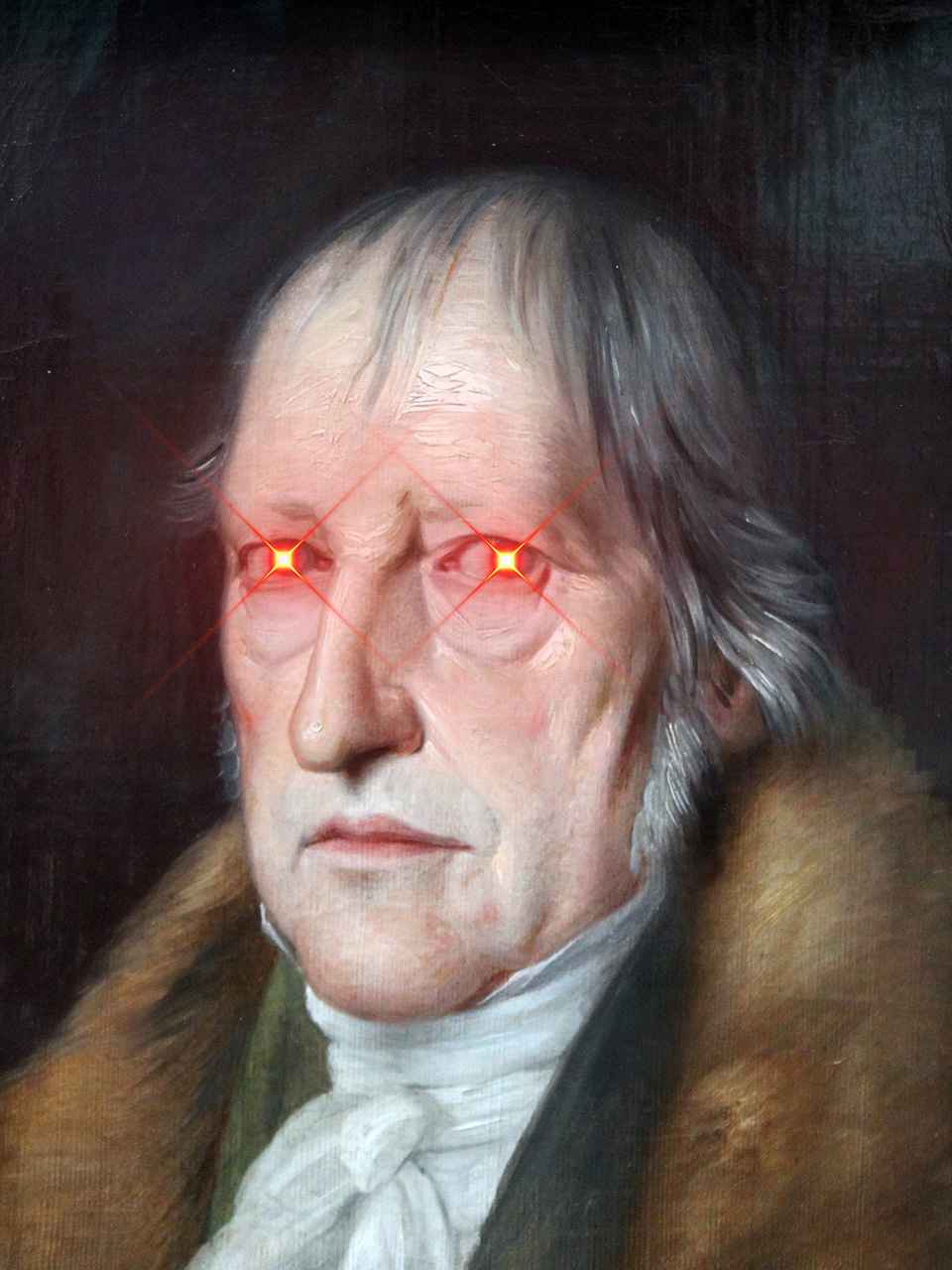
What does Hegel mean by the 'absolute'? And what is 'spirit'? What is the 'dialectic' about? Does Hegel think that history has come to an end? This short course will answer these and other questions about this most difficult but fascinating philosopher.
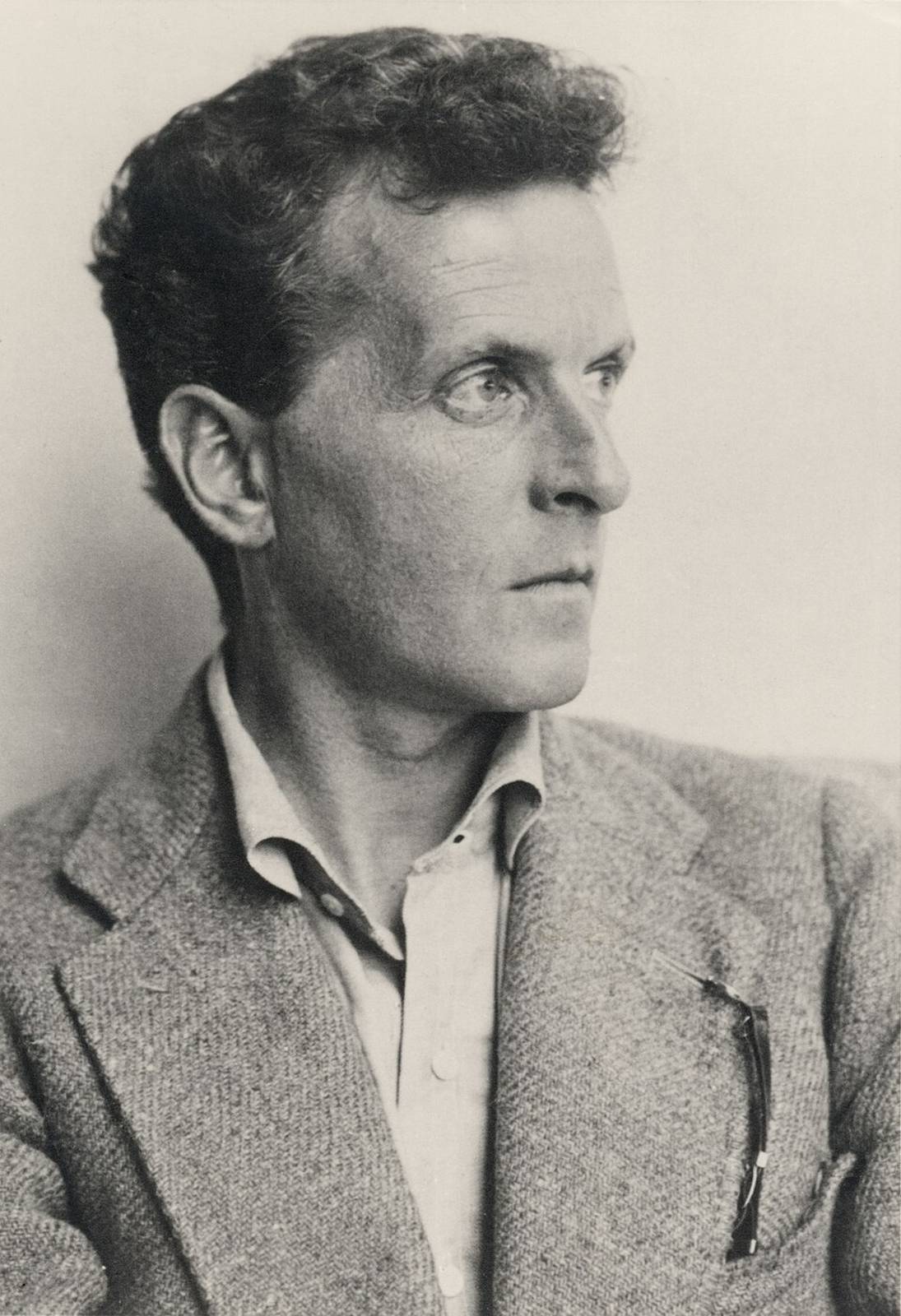
An introduction to Ludwig Wittgenstein's later thinking, with a focus on mind and meaning. We explore many of Wittgenstein's key ideas and arguments, from family resemblance to the private language argument.

How can we begin to understand the spiritual lives of prehistoric people? When do religious ideologies first appear on the human evolutionary timescale? Using both anthropology and archaeological evidence these and many other questions are examined.

What does the human body reveal about the soul? Explore Michelangelo’s masterpieces and discover how art, faith, and Renaissance thought come together in his powerful vision of the human form.
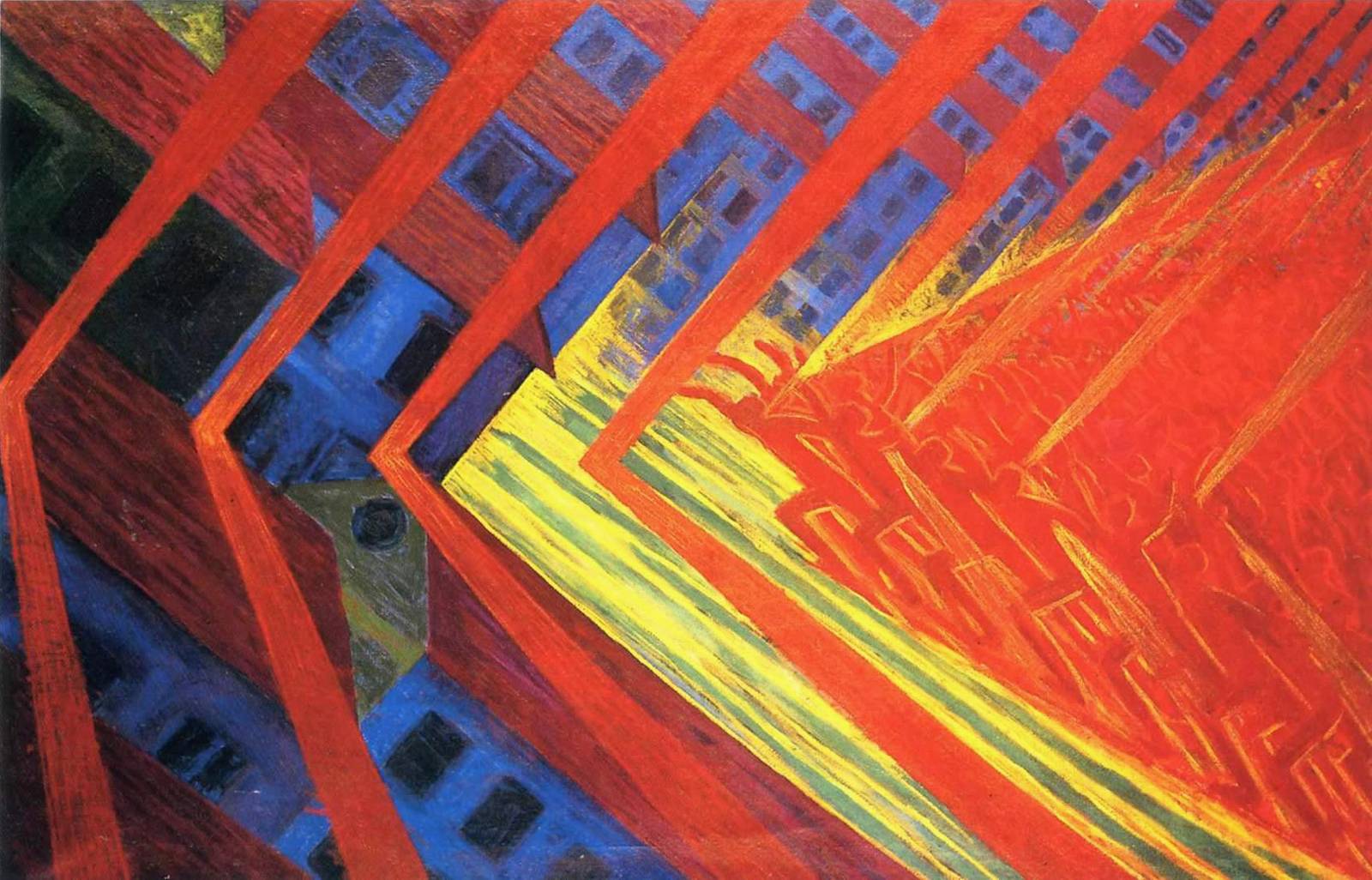
Modern life, we are told, is constantly speeding up. The accelerationist movement urges that we need to move even faster into the future. Others, by contrast, want us to slow down. This course will examine and assess the causes and kinds of acceleration.
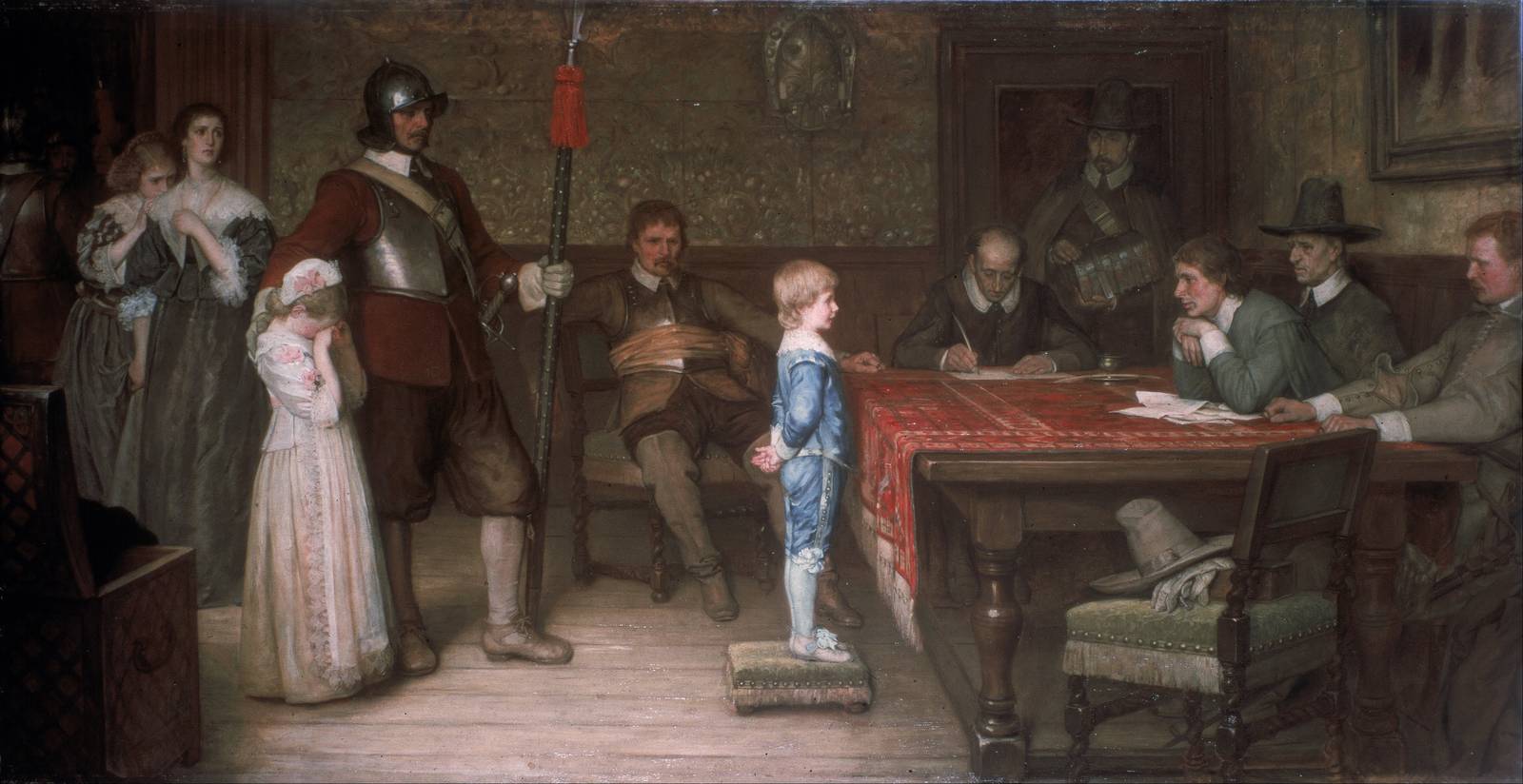
This day school will uncover the neglected roles of women and children during the British Civil Wars (1638–1660). Speakers will address how such people participated in these revolutionary events, and in what ways they looked back on them afterwards.

An introduction to basic questions and concepts in reproductive ethics and end of life decisions, as well as more general philosophical questions about the value of life and badness of death.

This module will introduce basic questions and concepts in data ethics, as well as more general philosophical questions about the practical ethical issues raised by living in a data centric society.
