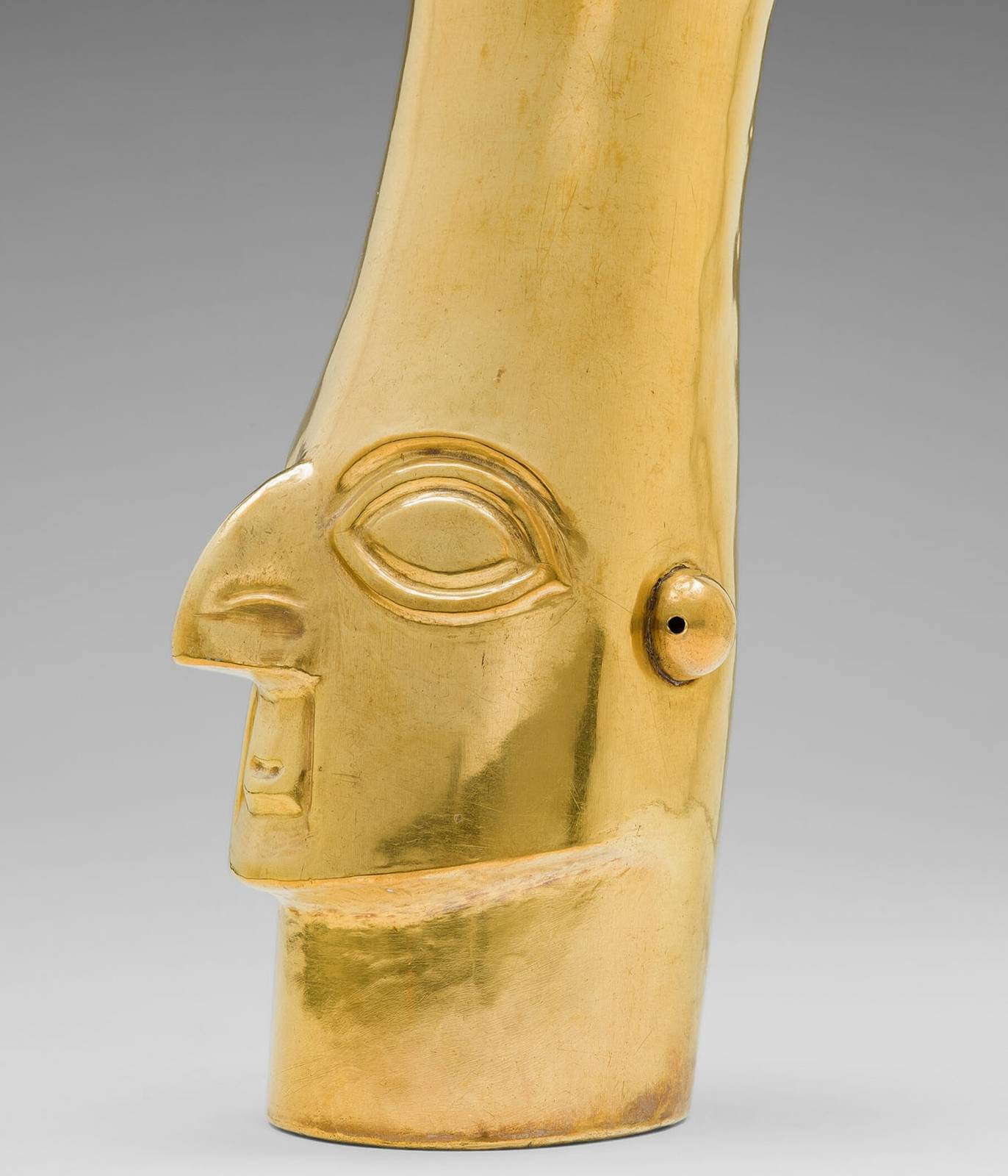
What makes gold sacred? Discover how artists in the Americas used this radiant material to create dazzling works of art, blending Indigenous traditions and Christian imagery in the Renaissance and Baroque.
Filter by:
Filters
Start month
Day of the week
Time of day
What makes gold sacred? Discover how artists in the Americas used this radiant material to create dazzling works of art, blending Indigenous traditions and Christian imagery in the Renaissance and Baroque.
As AI systems increasingly shape decisions in healthcare, education, law, employment and everyday life, this event examines how ethical theories can address real‑world issues such as fairness, autonomy, moral agency and the societal impacts of automation
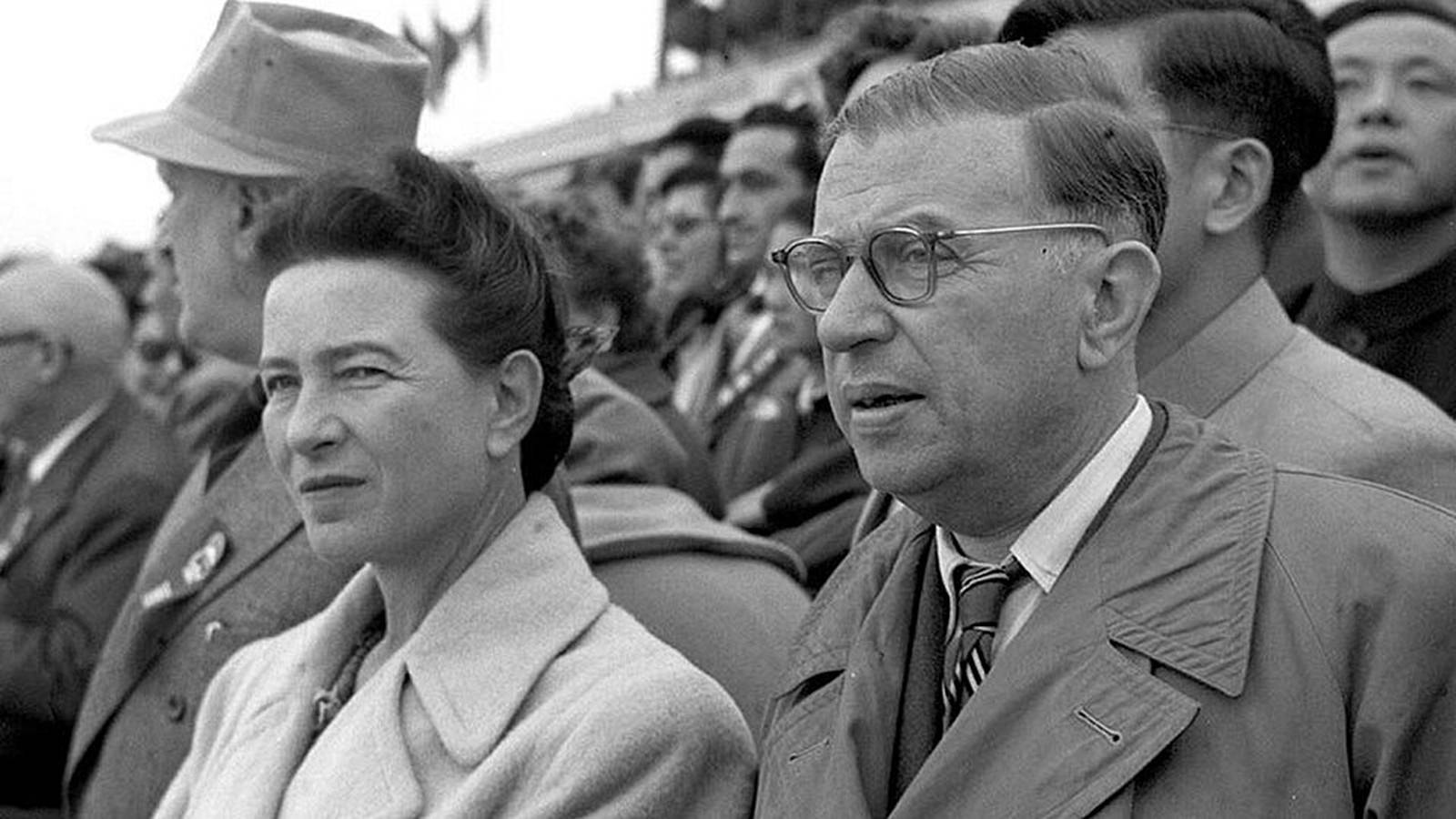
Twentieth Century French Philosophy is both rich and varied. With a concern for our understanding of the self, wedded to the significance of our being with others, these philosophers examined how we attempt to make sense of ourselves and our world.
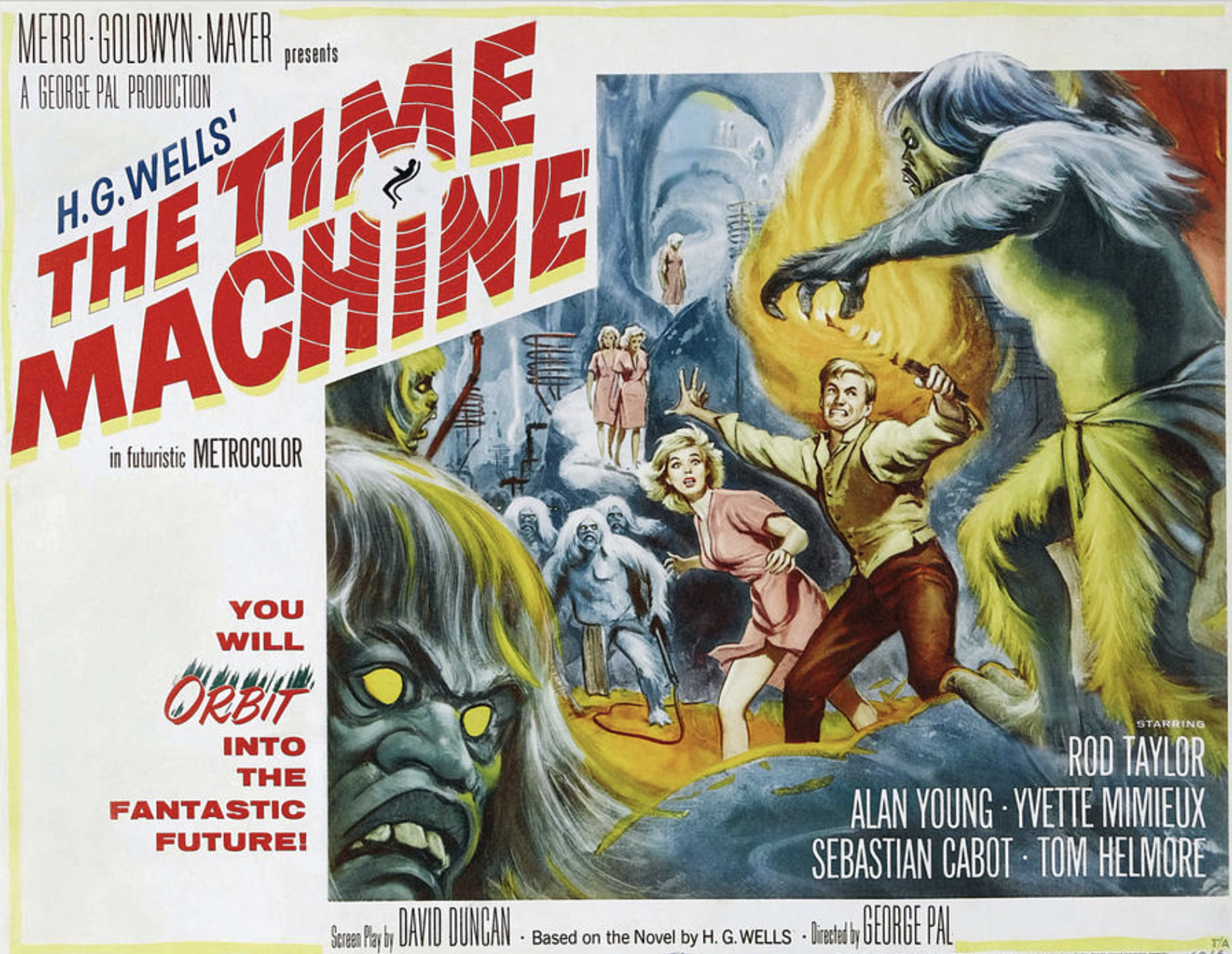
Introducing key philosophical ideas and puzzles drawing for inspiration on classic movies, including The Matrix, The Stepford Wives, Blade Runner, The Time Machine, and Freaky Friday.

Businesses need to make a profit to survive and thrive. Where do ethical considerations fit into this? How should they treat their workers, customers and society? Join this short course to discuss how ethics apply in the world of business.
Through studying influential philosophers and reflecting on our engagement with art, we explore: the nature and value of art; learning from art; enjoyment of art; art's role in our lives; originality, expression, creativity and inspiration.
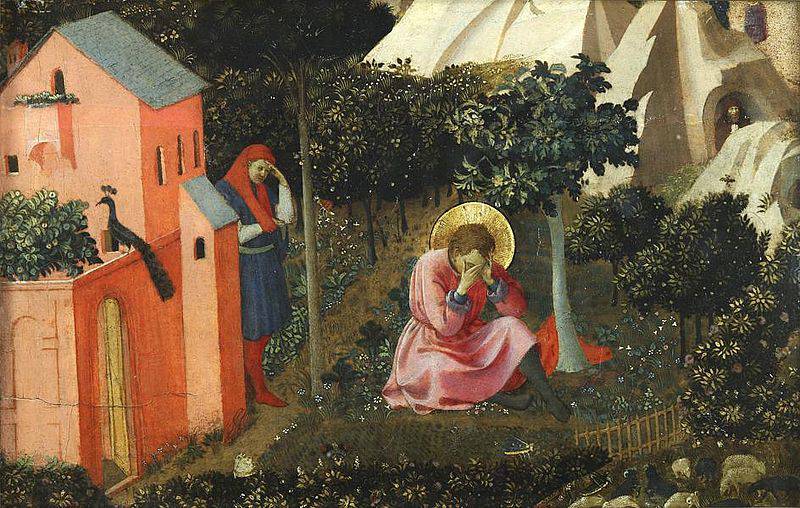
Come immerse yourself in Augustine's Confessions, a profound reflection on the inner life and motivations of one of history's greatest thinkers and writers. The course combines historical, literary, religious, philosophical and psychological approaches.

'What is truth?' is a perplexing and elusive question. A good first response is that truth and falsity are properties of what people say or think. But how is what we think related to actual facts? And what caused the recent corrosion of truth?

Introduction to the content of the Old Testament/Hebrew Bible and the New Testament, together with their religious and socio-political backgrounds, languages and main theological themes and interpretations.

An exploration of happiness through classical and contemporary philosophy, examining flourishing, pleasure, emotions, morality, freedom, and the good life through philosophers including Aristotle, Kant, Mill, and contemporary philosophers.
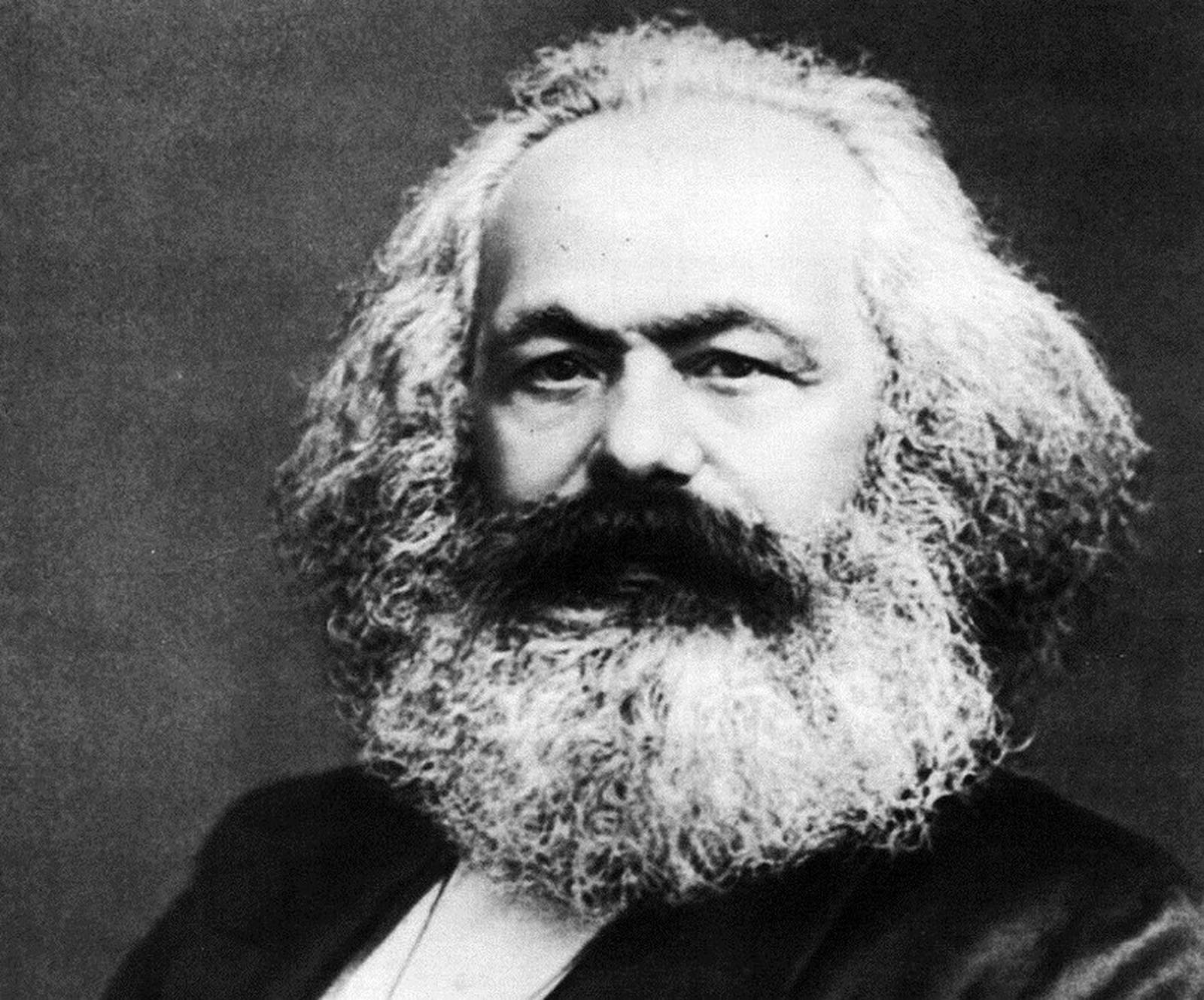
Marx's Capital is one of the most famous and consequential books of the last two hundred years. Melding philosophy, political economy, history and more, delivered in a pungent literary style, it remains one of the classic accounts of the modern condition.

The theory of knowledge is one of the most central areas of philosophy. During this online course, students will cover key issues in epistemology while also learning to think independently and develop answers to the core questions in this area.