Join us to take your conversational skills to the next level. Participants will practice communication skills in simple personal, recreational, and public settings.
Course search results
Filter by:
Filters
Start month
Day of the week
Time of day
Accredited courses include undergraduate and postgraduate level courses.

This course introduces systemic family and couple therapy approaches that help people with psychological difficulties to mobilise the strengths of their relationships, to make disturbing symptoms unnecessary or less problematic.

A beginners' course introducing a range of concepts for those with an interest in cinema but with little/no experience of film analysis or critical film theory. Classes will be focused around 'Memento', 'You Were Never Really Here' and 'Mulholland Drive'.
Starting with famous American trends in the crime film, this course will examine many of the classic and recent examples in International Crime Cinema, tracing historical and ongoing connections between different national movie traditions

'Magic' was a wide-ranging concept that affected many aspects of medieval society. This course will consider the actual and perceived practices of magic in the medieval period and their consequences.
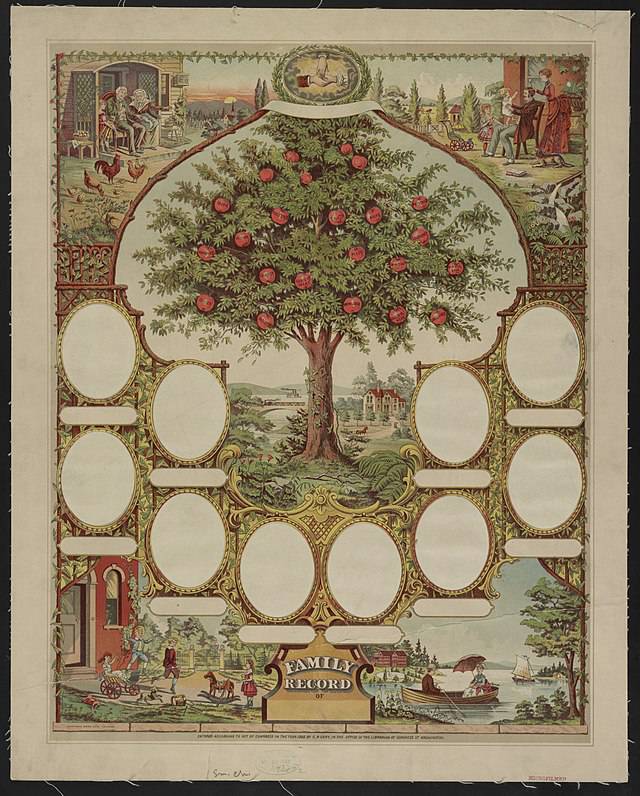
This online course provides an overview of how to trace family history in Britain from the present day to the 16th century using a range of digital and archival sources.

Biodiversity loss is evident no matter where we live. To reverse the current decline, we need to understand how individual species interact with their environment, while also appreciating the practical strategies to monitor and conserve species.
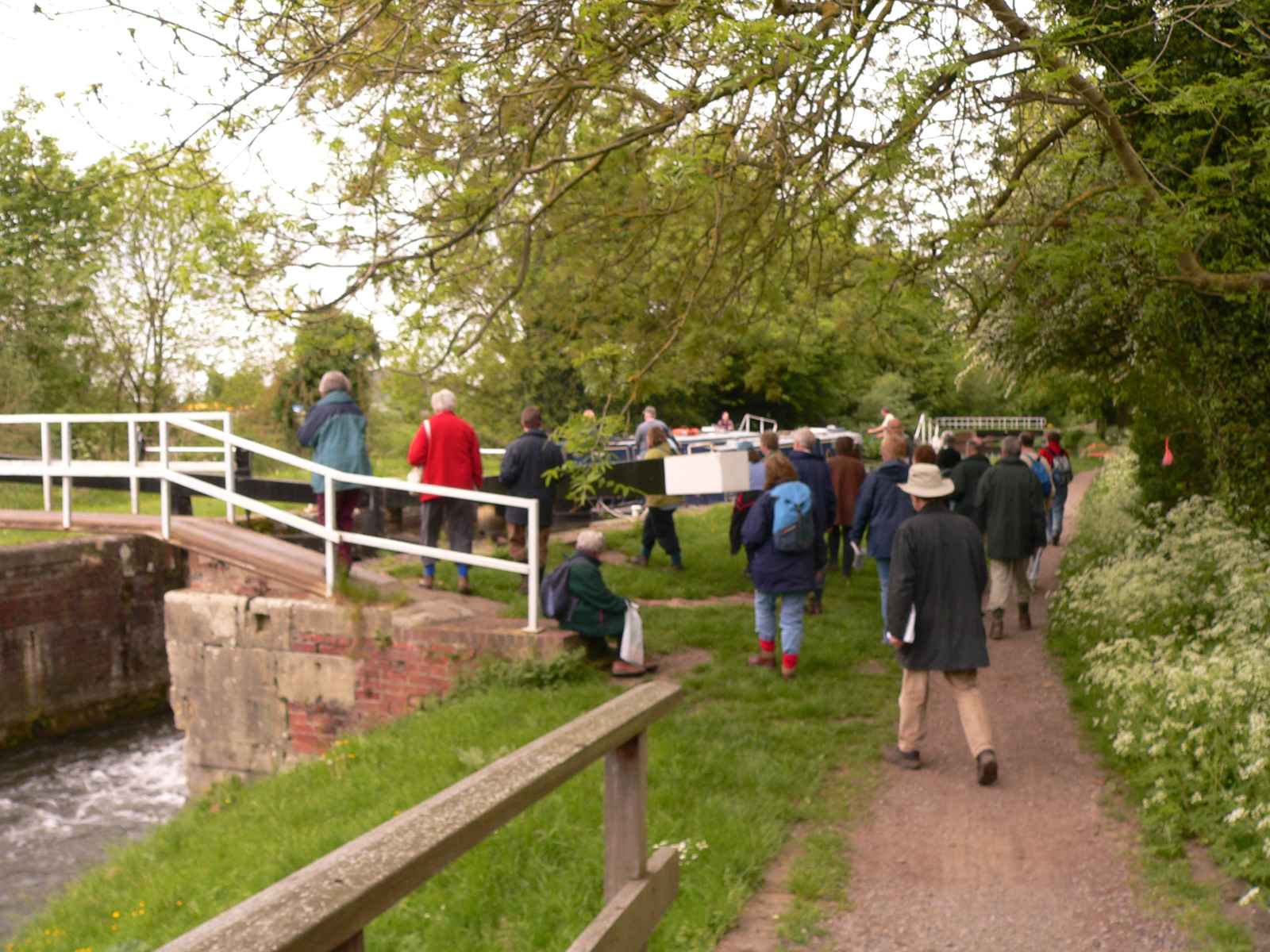
There are archaeological sites all around us: hillforts and stone circles, Roman towns, ancient fields and roads. During this course, we will venture out and look at the archaeological landscape.

This course helps any coach deepen their practice in various ways: enhancing intervention skills, better understanding clients' needs, drawing on evidence, exploring attitudes to work/clients, and expanding client bases and professional standing.
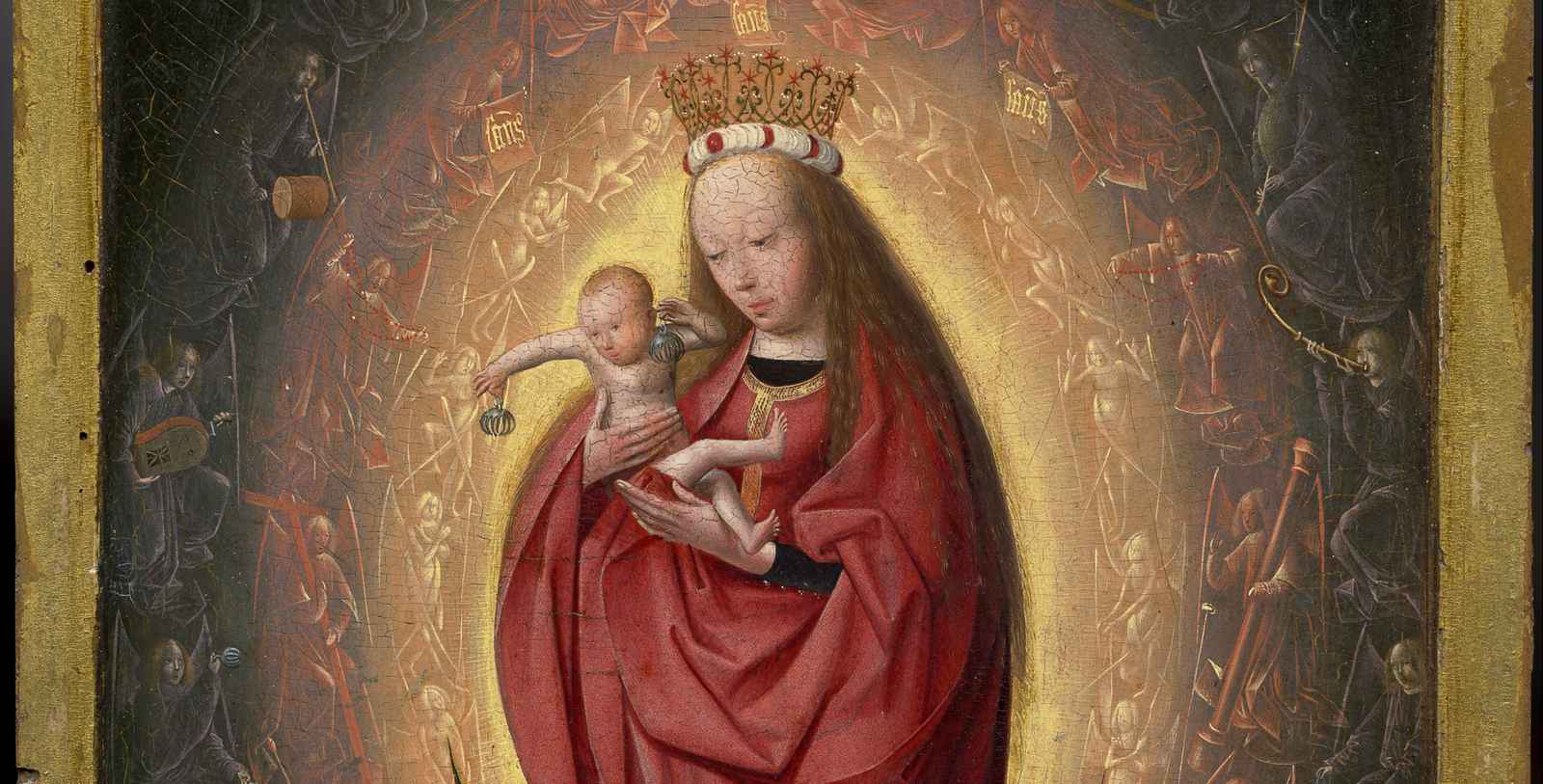
Medieval art glitters and enthrals. Medieval architecture elicits wonder and awe. In this introductory course you will learn about its breadth and diversity, from great cathedrals and imposing castles to sacred icons and subversive marginalia.

Complete the beginner’s level of Biblical Hebrew by review and consolidation of what has been learned in Parts 1 and 2, deepening knowledge of linguistic structures and increasing confidence.

Businesses need to make a profit to survive and thrive. Where do ethical considerations fit into this? How should they treat their workers, customers and society? Join this short course to discuss how ethics apply in the world of business.