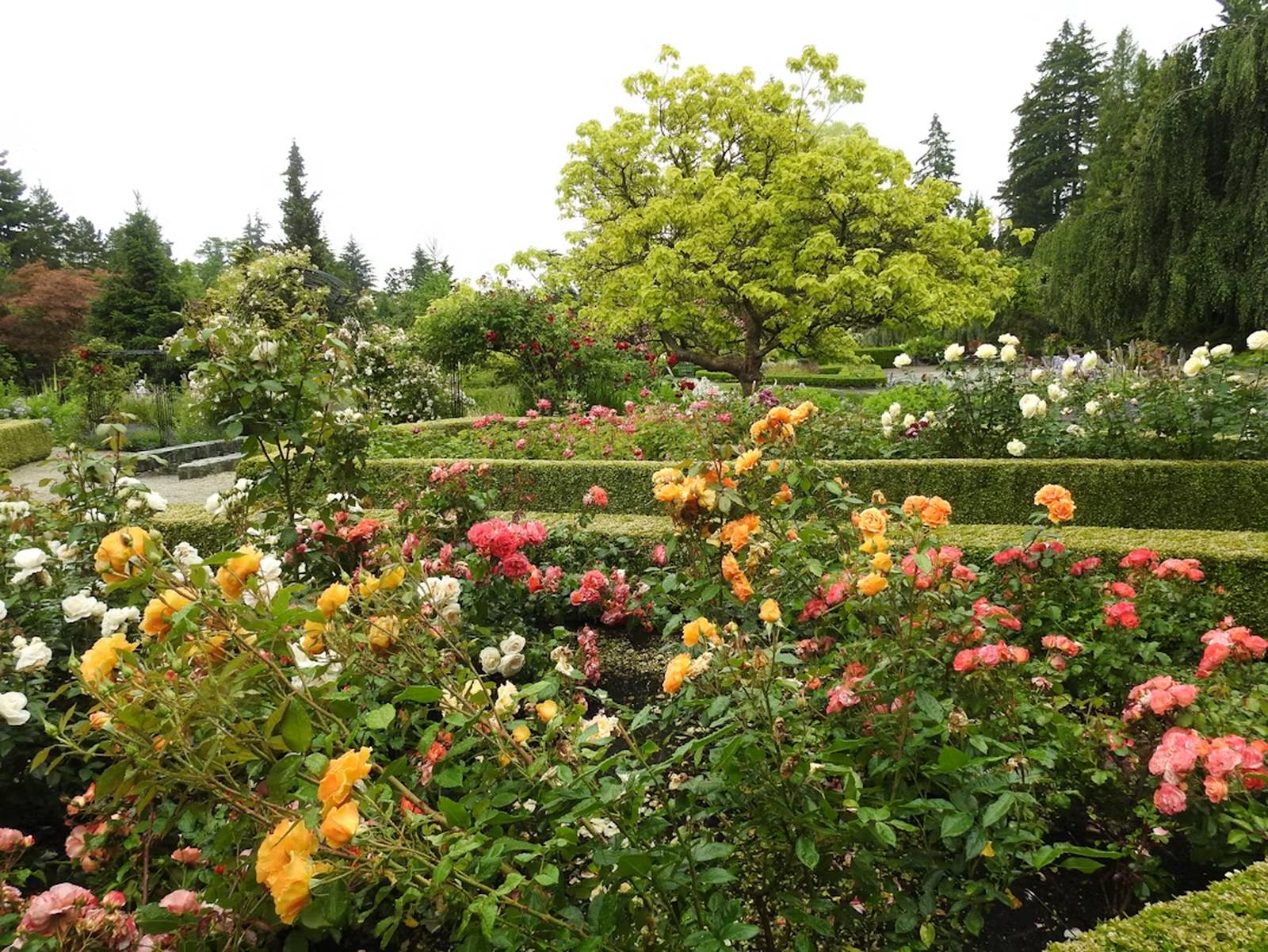
Plants all over the world tell their own unique stories of survival. Join us on this walking tour of Oxford Botanic Gardens, which houses plants from different geographies, to reveal secrets of how plants adapt to live.
Filter by:
Filters
Start month
Day of the week
Time of day
Plants all over the world tell their own unique stories of survival. Join us on this walking tour of Oxford Botanic Gardens, which houses plants from different geographies, to reveal secrets of how plants adapt to live.
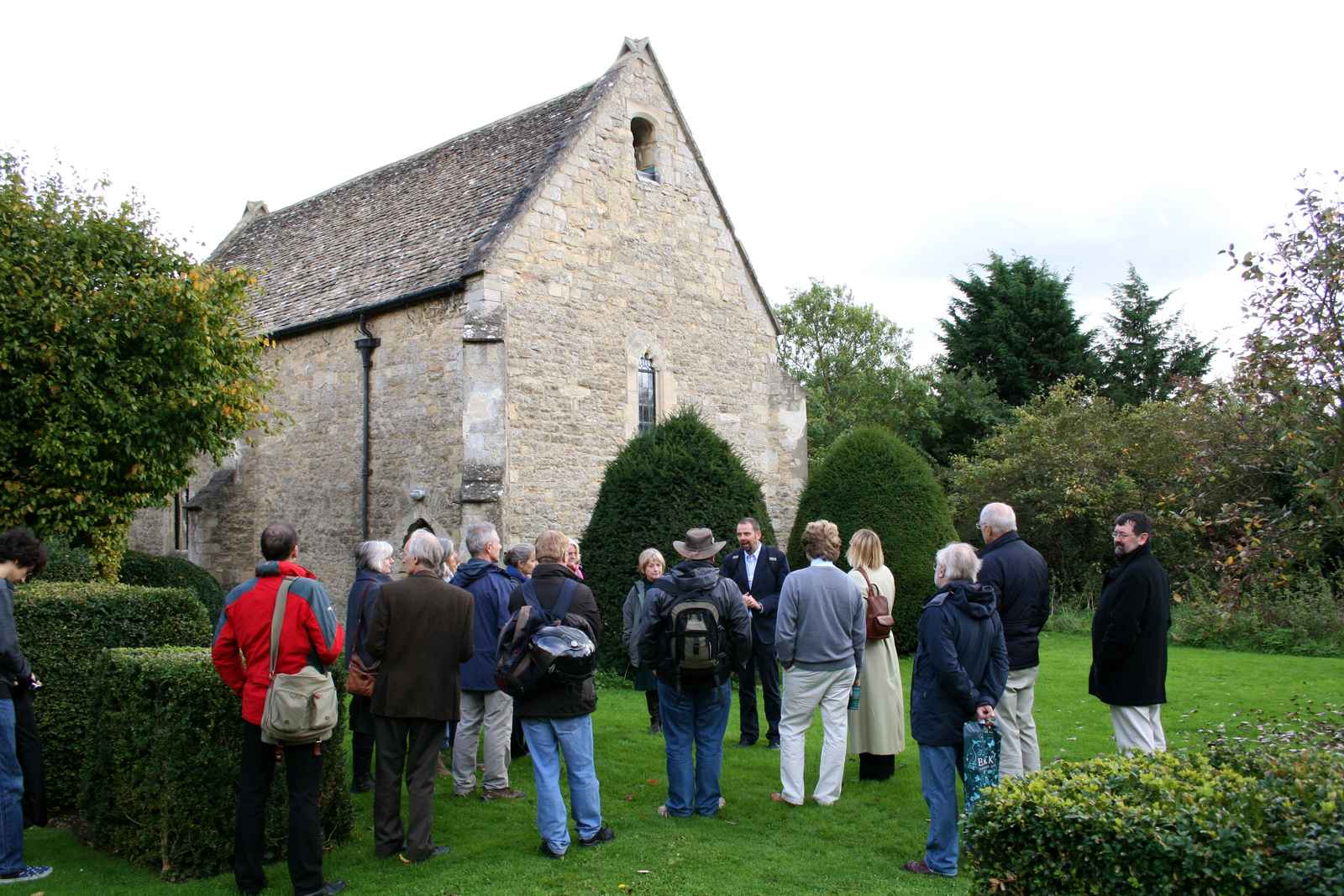
This course aims to give participants an understanding of traditional construction and its defects, and to provide the skills to carry out balanced and informed surveys of historic buildings.
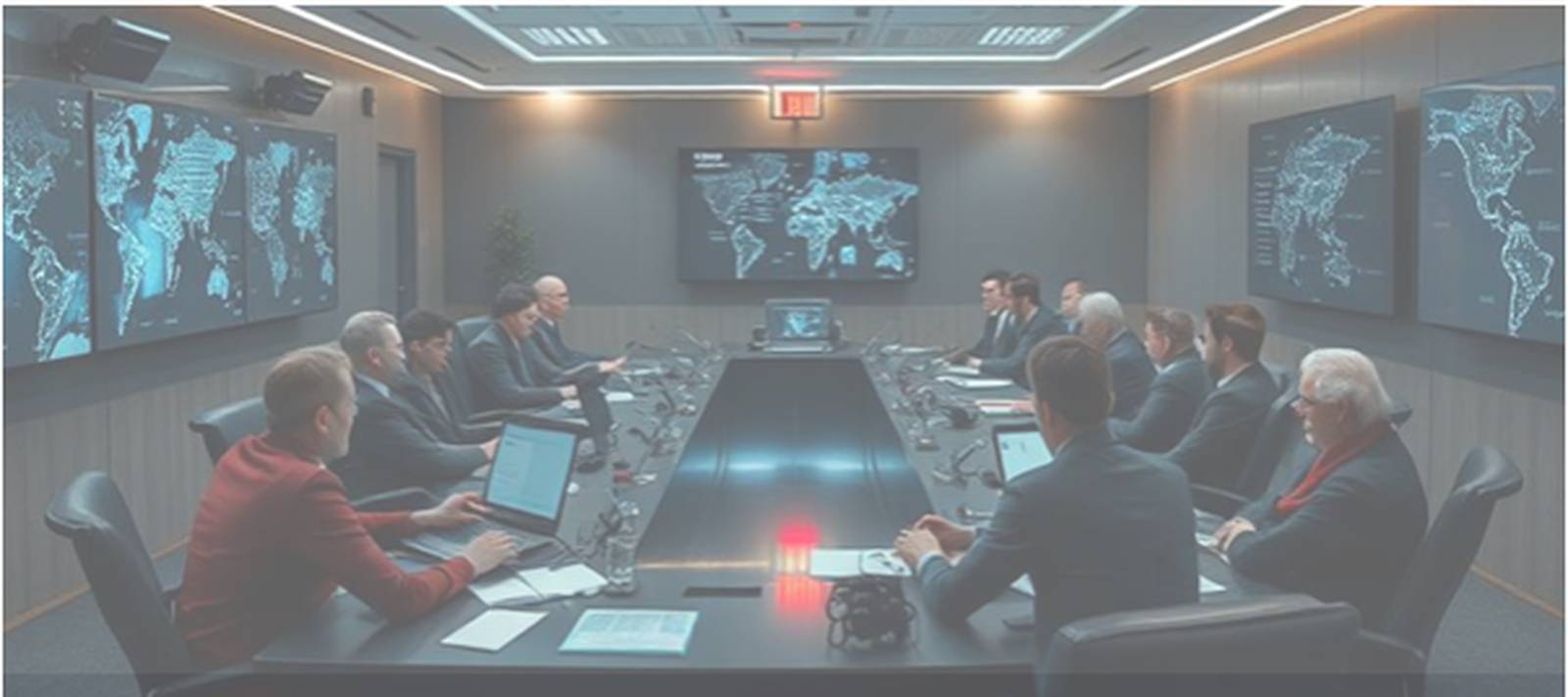
This lecture will explore the evolution of cyber-espionage, examining how nation-states conduct operations, organise cyber capabilities, and use espionage for intelligence gathering, hack-and-leak campaigns, and suppression of dissent.
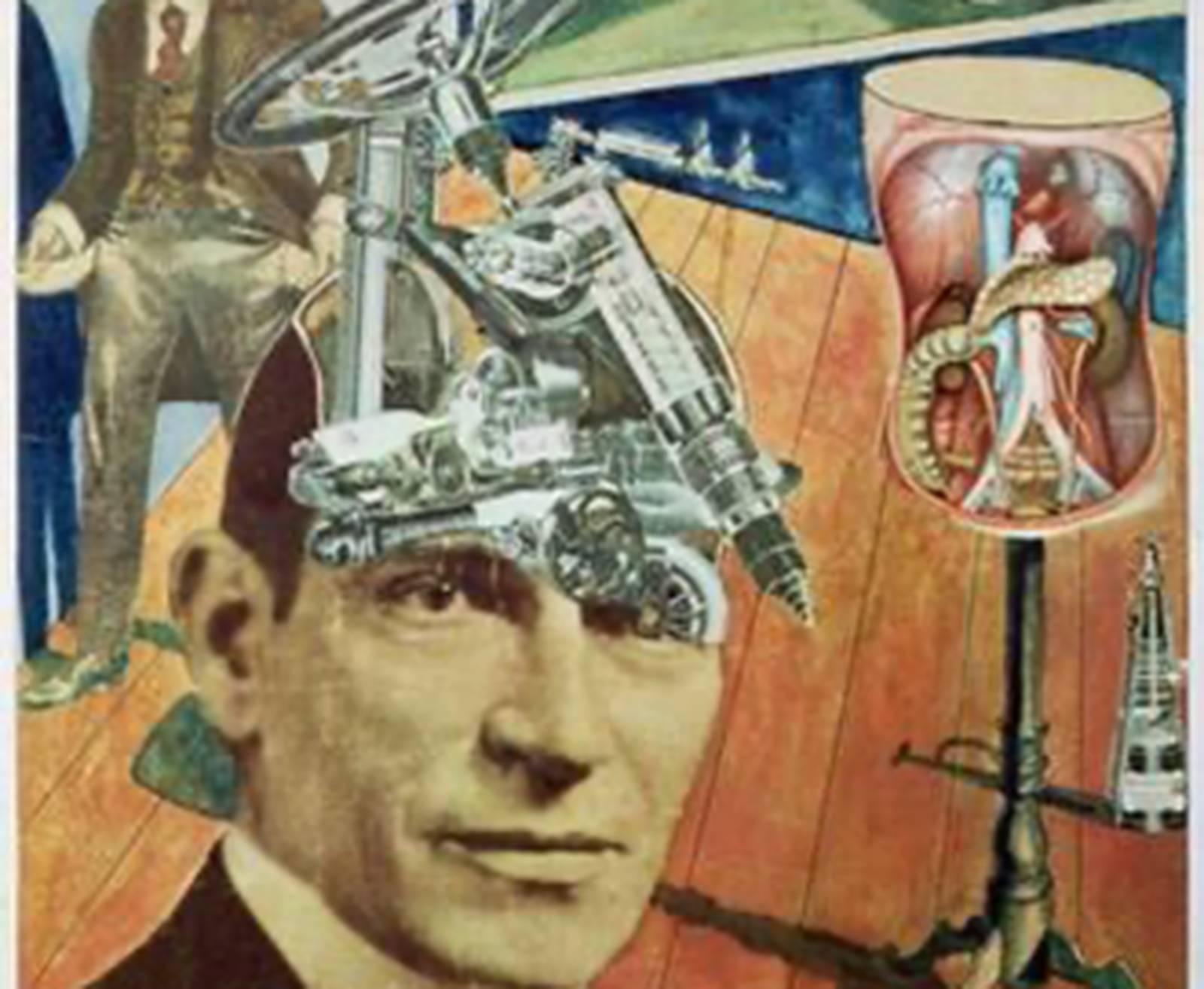
This lecture will concentrate upon the lasting legacies of the 1920s, in cultural terms.
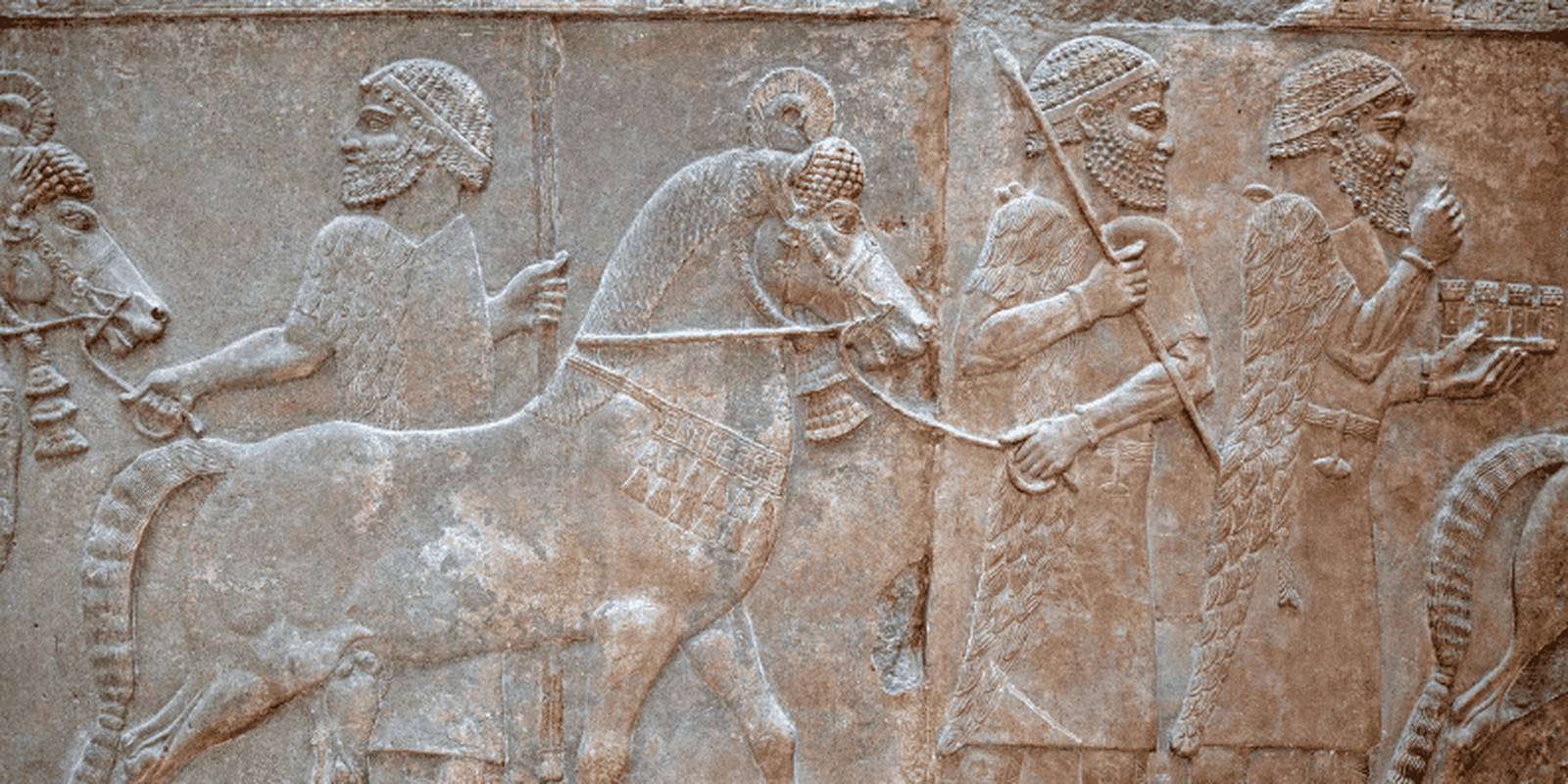
5,000 years ago on the plains of southern Mesopotamia, the Sumerians invented writing, built cities and forged the earliest empires. Using archaeology and textual sources, we will explore a unique civilisation, one that is at the root of our modern world.
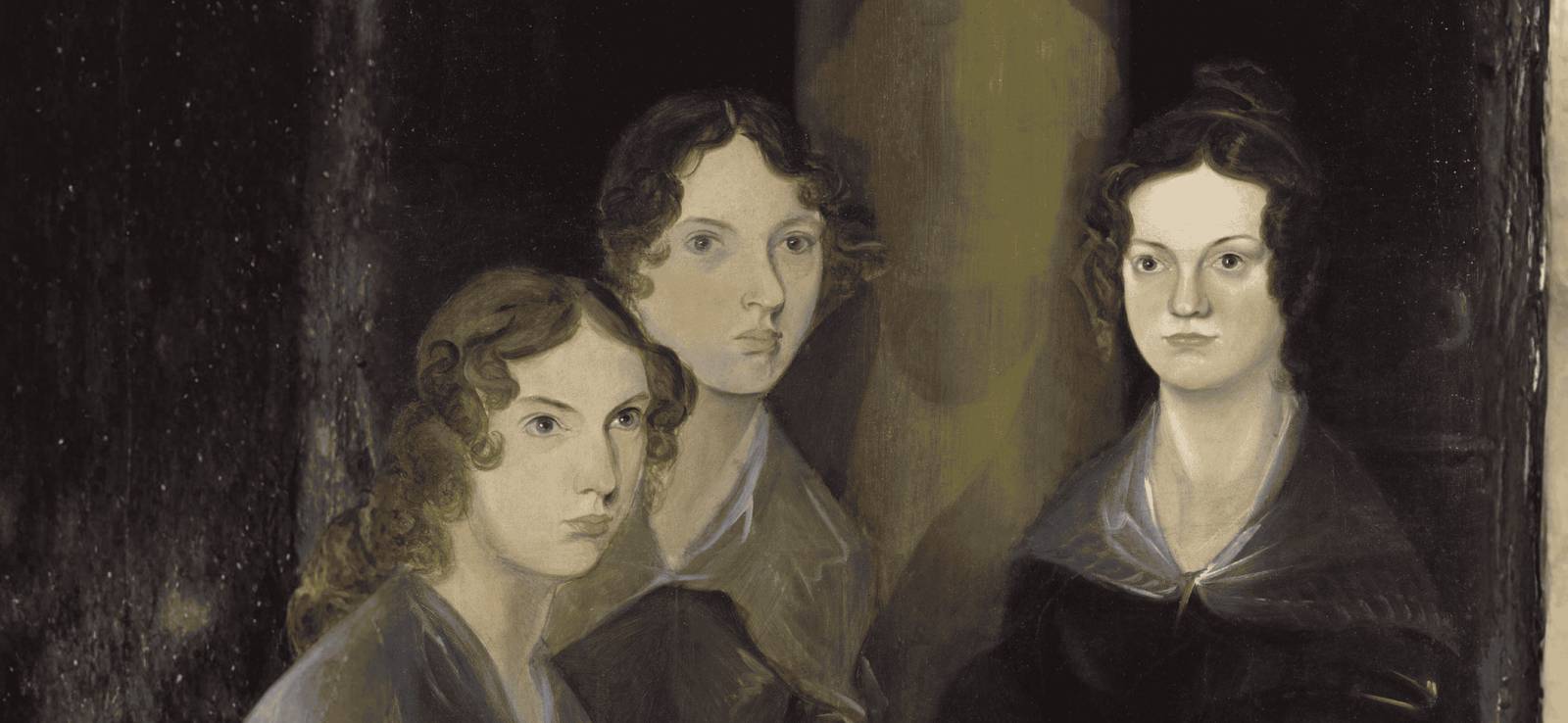
How did three sisters living apparently secluded, eventless lives write such original, passionate and dramatic literature? This course is for anyone who has read or would like to read the work of Charlotte, Emily, and Anne Brontë.
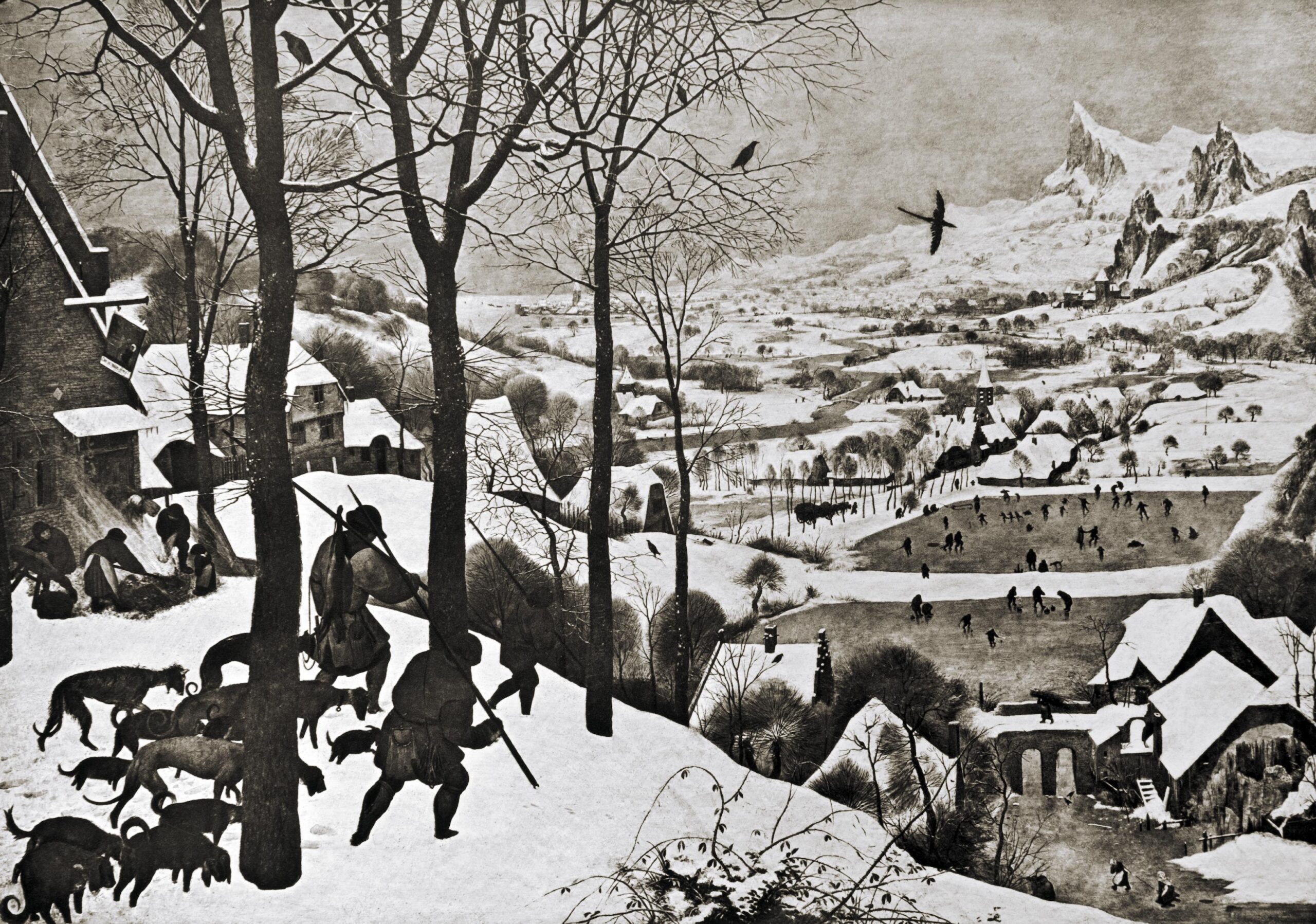
This course explores the riches of northern European art from c.1480 - 1580; artists including Dürer, Bosch, Holbein and Bruegel will be studied.
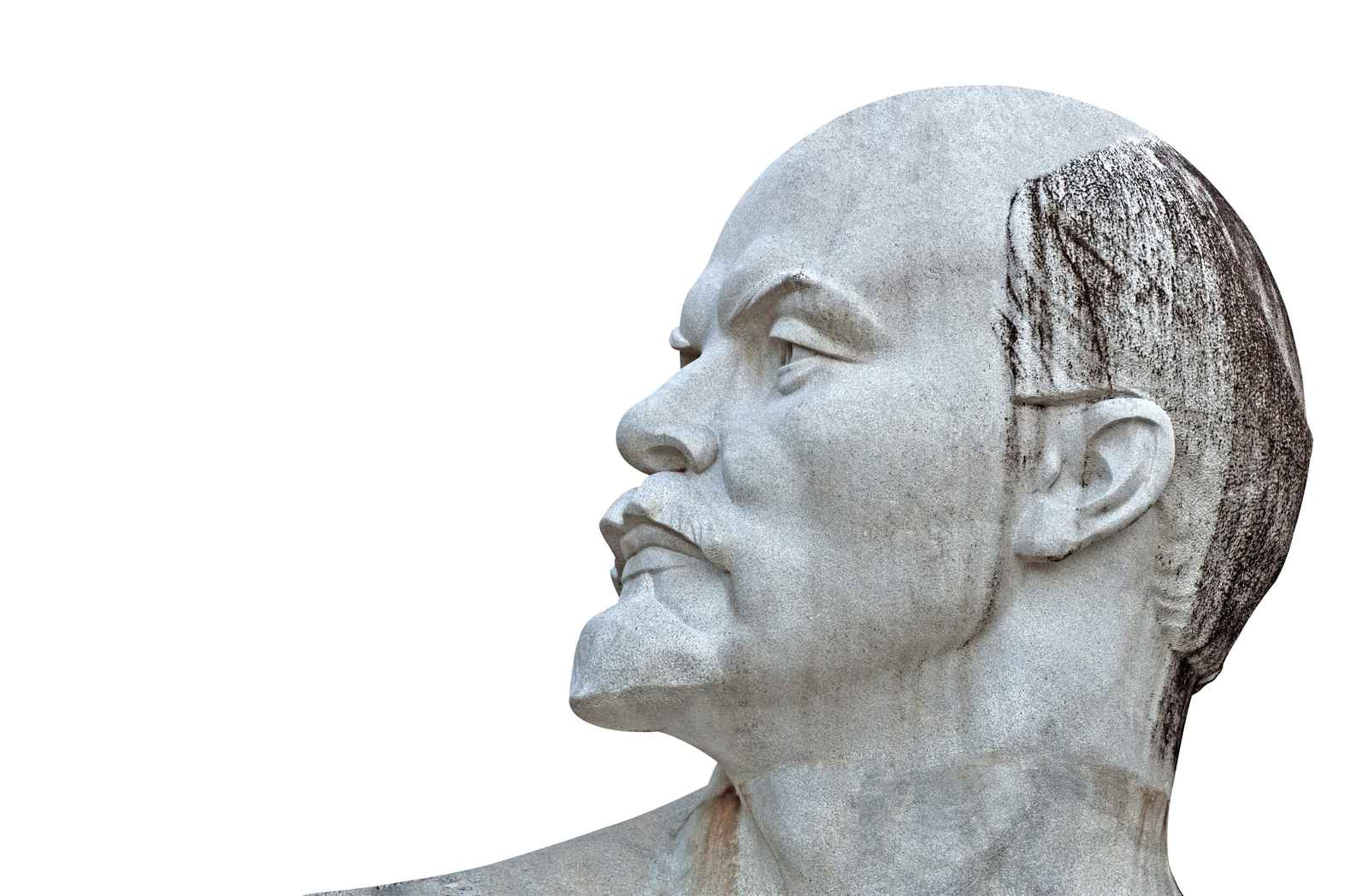
This course analyses why the inter-war years were a period of such political extremism. It will investigate the distinctive features of Soviet Communist ideology and the impact of Lenin and Stalin on the USSR.
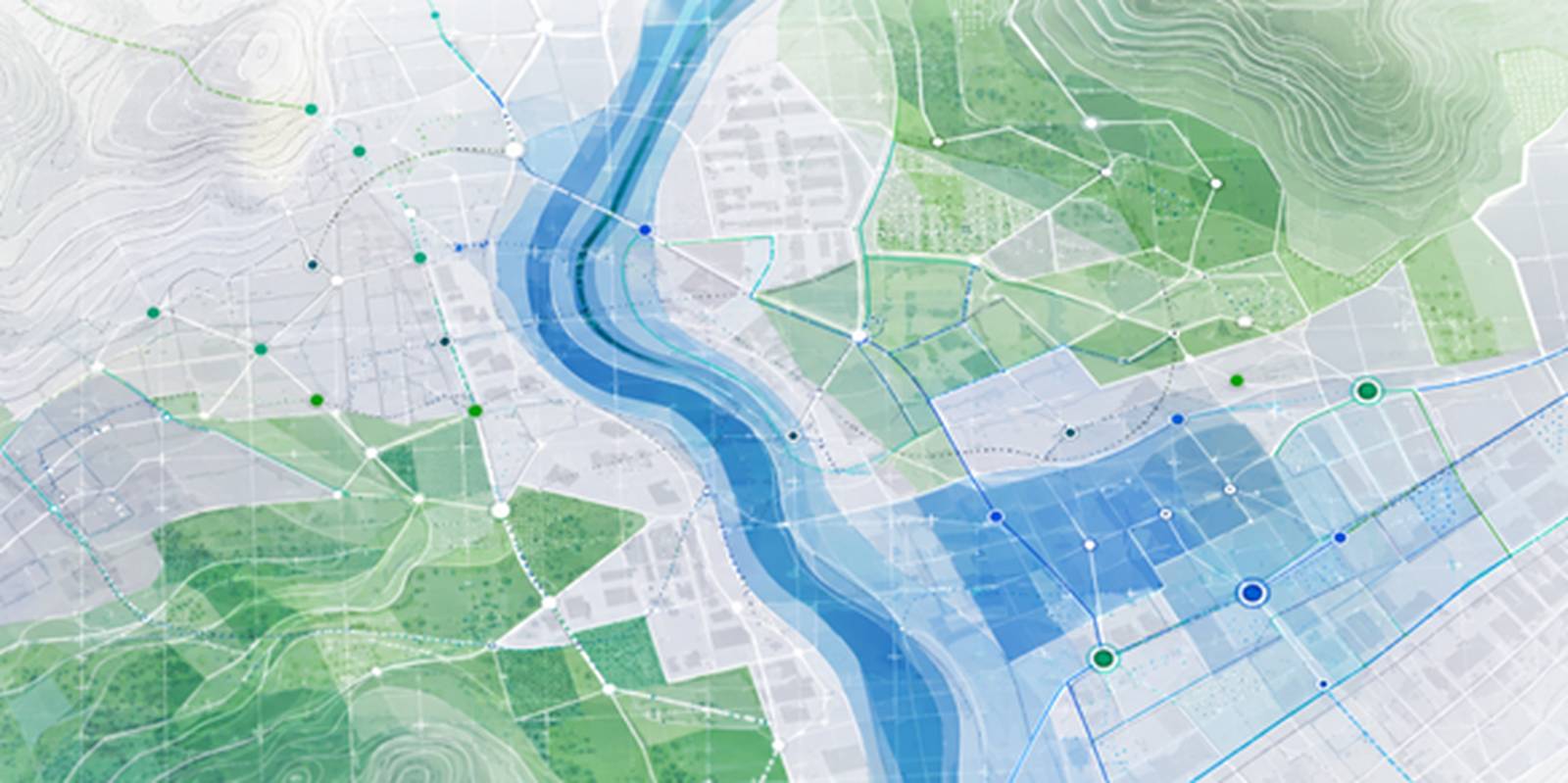
Investigate the power of maps and spatial data to document and illustrate local and global issues. Learn how to use Geographic Information Systems (GIS) to explore the world around you and share ideas.
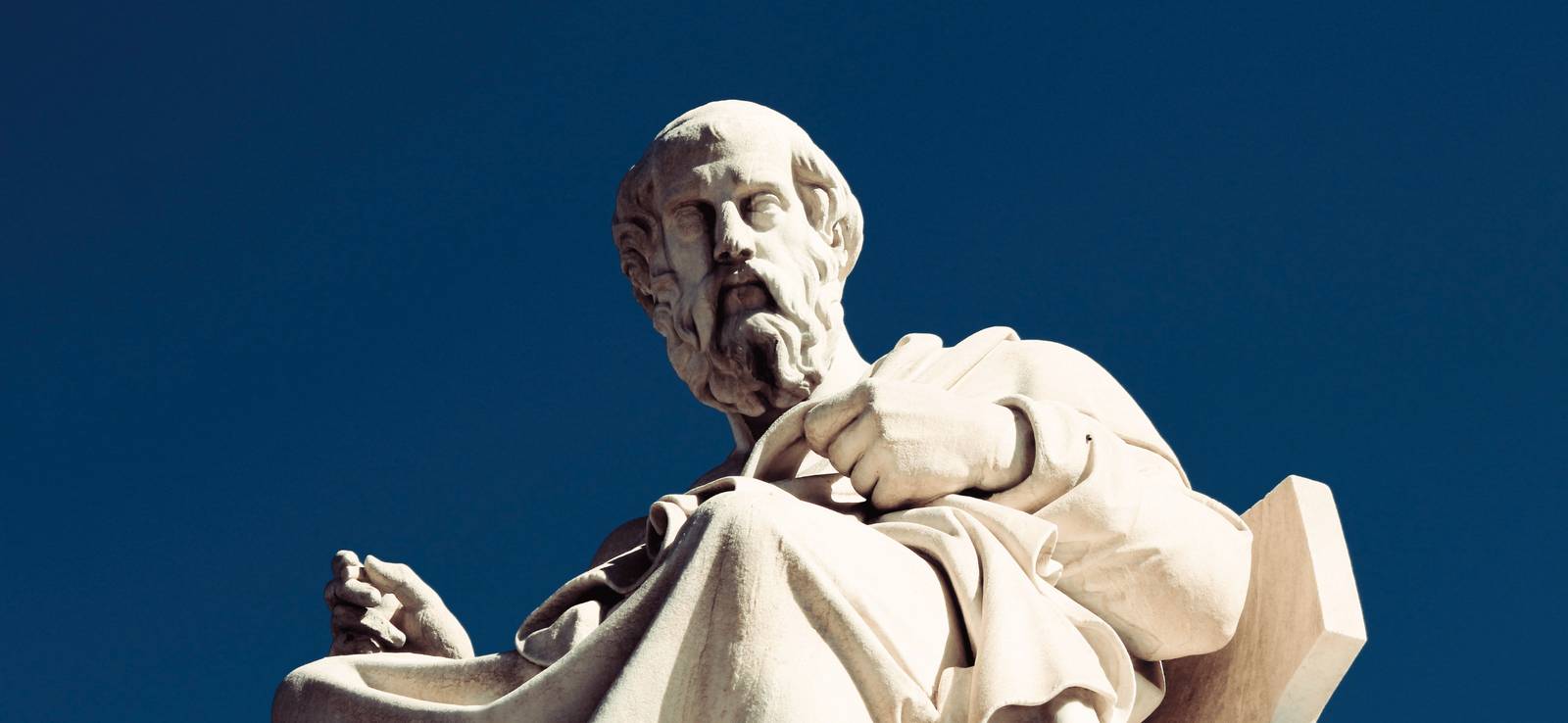
We think we know, but do we? We think we are free, but are we? We think our actions are moral, but are they? What is this reality we take ourselves to live in? The oldest questions meet the newest technology in this online introduction to philosophy.

Britain led the world in the nineteenth century, but what were the consequences of industrialisation and empire on British society?

This introductory course will explore the main stylistic and iconographic themes in Islamic art and highlight the diversity of its expressions.