
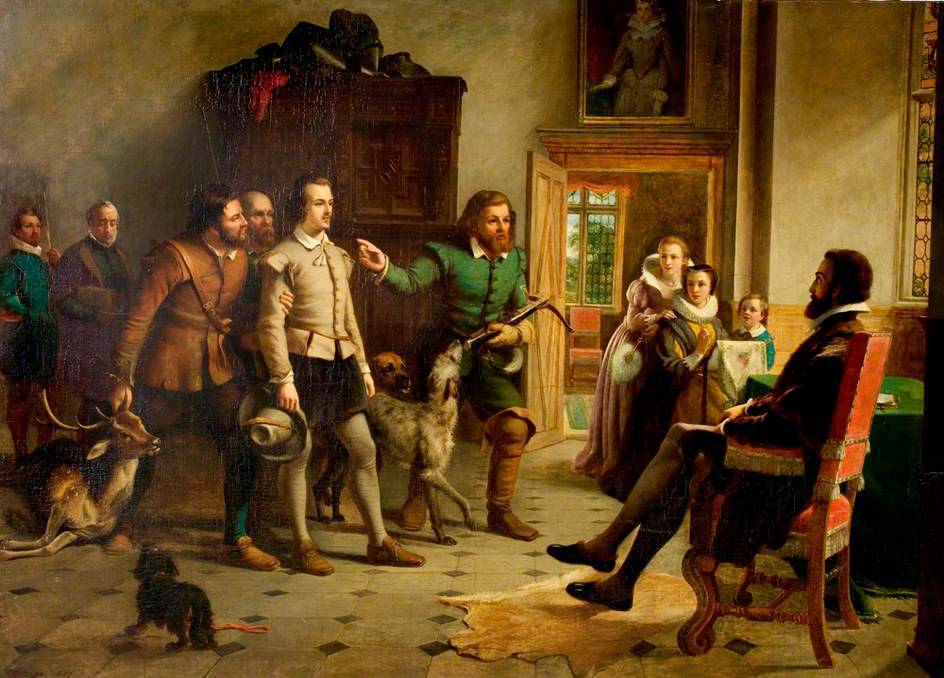
William Shakespeare's plays are world-famous. But in what kind of world did he live? Through local rivalries, feuding families, legal disputes and high politics, we investigate everyday life in Shakespeare's England.
Filter by:
Filters
Start month
Day of the week
Time of day
William Shakespeare's plays are world-famous. But in what kind of world did he live? Through local rivalries, feuding families, legal disputes and high politics, we investigate everyday life in Shakespeare's England.
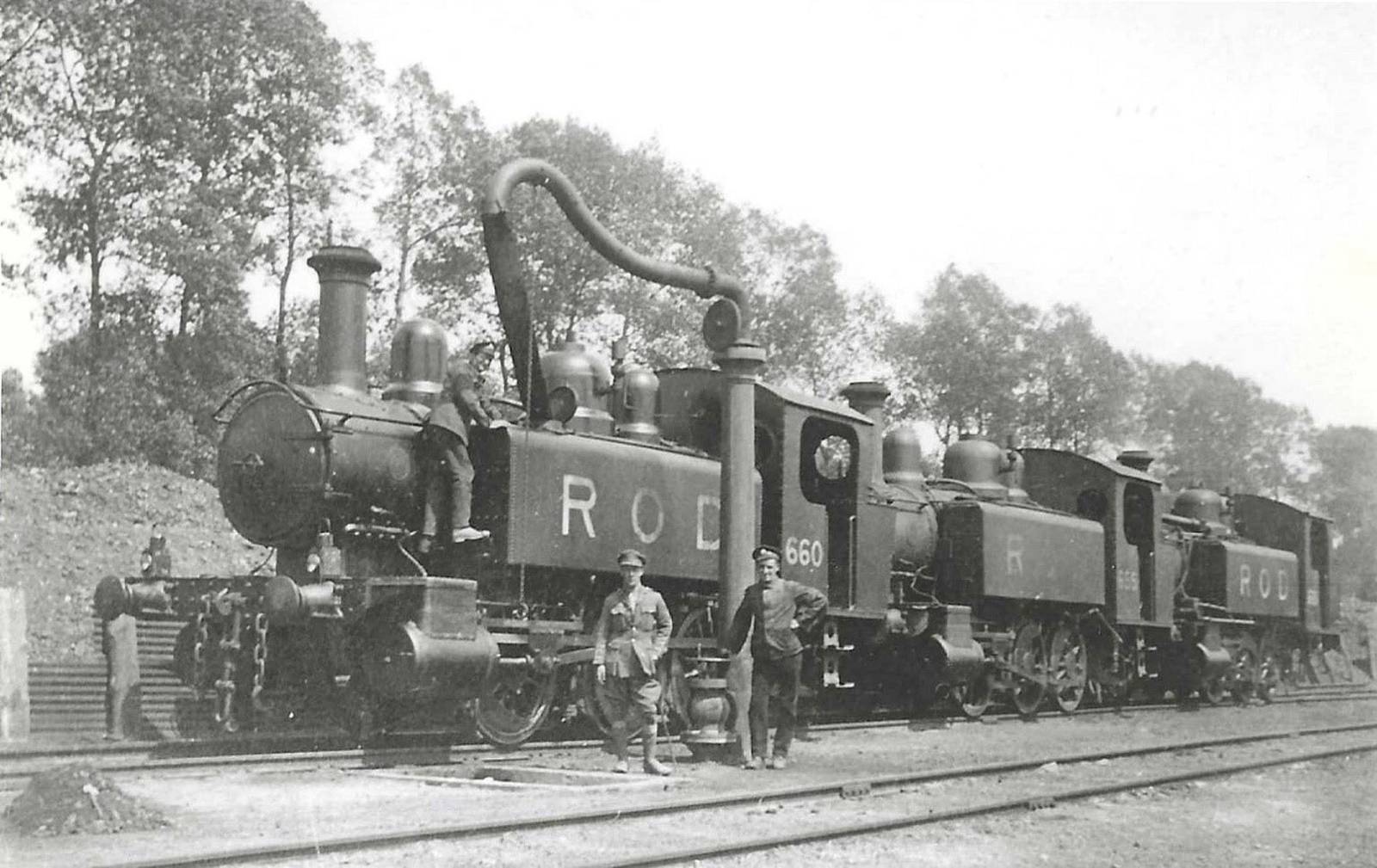
From the American Civil War to WWII, explore how railways moved armies, supplies, civilians and the wounded, shaped strategy, resisted air attack, and became essential to both battlefield success and the home front everywhere.

This course is the ideal introduction to English garden history. It provides an overview of five centuries of development, from baroque formalism through the naturalistic landscape style, right up to contemporary cutting-edge planting style.

In addition to tracing the evolution of the modern state and political ideas and ideologies, this course focuses on issues that confront people from all parts of the world on a day-to-day basis.
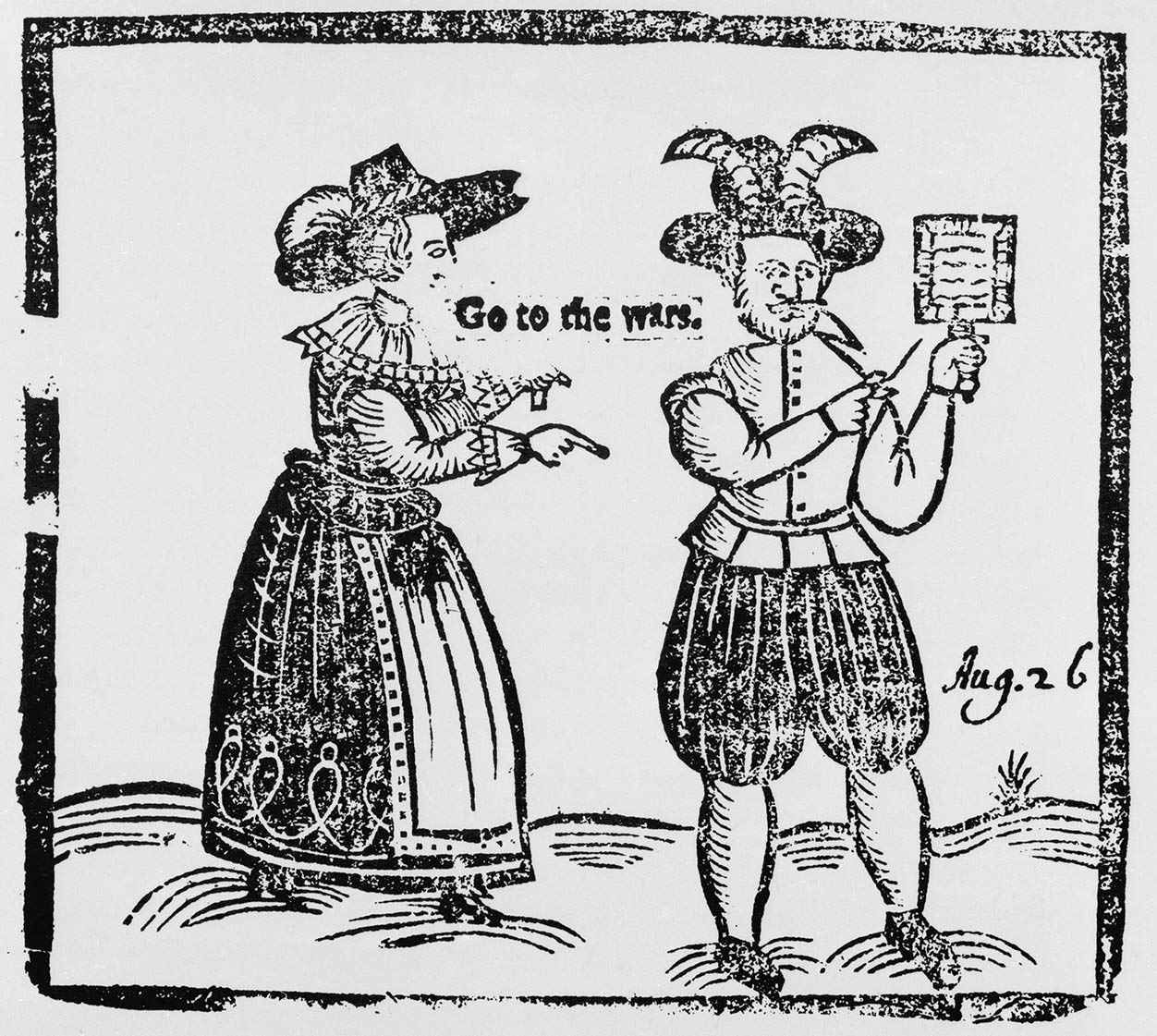
Studies of warfare so often focus on men – the military generals, politicians, and soldiers - but women participated in the British Civil Wars in a variety of ways. Warfare is not exclusively male.

Britain's food production increased more than fourfold between 1600 and 1870, supporting a growing population and industrialisation. How was this achieved, what part did enclosure and a shift to capitalist agriculture play, and what was the social impact?
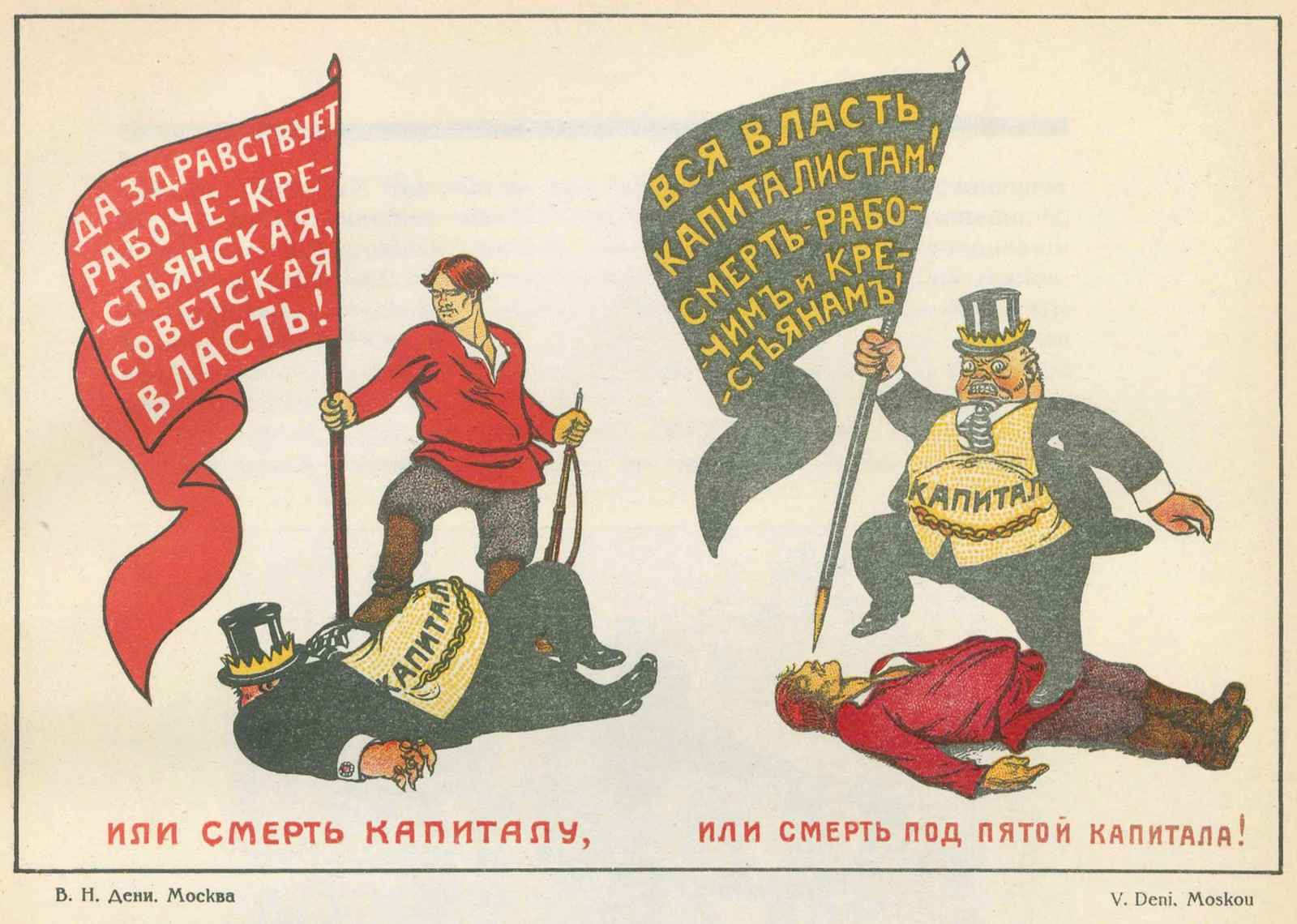
Lenin, Hitler, Stalin and Mussolini: all infamous today for their dictatorships. But ever wondered how and why they came to power in the first place? And why no democratic state dared stop them? Join our course where we will explore all this and more!
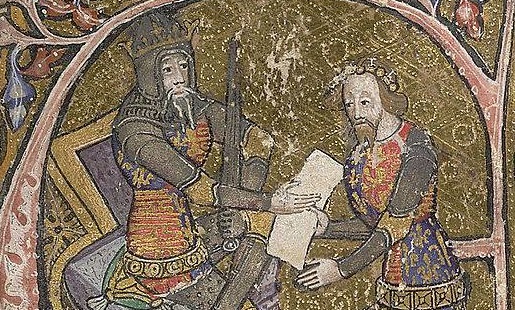
Edward III was widely revered as the pre-eminent chivalric king in Western Christendom. Yet his reign started with the deposition and murder of his father, Edward II. How did Edward III restore the authority of the monarchy so successfully?
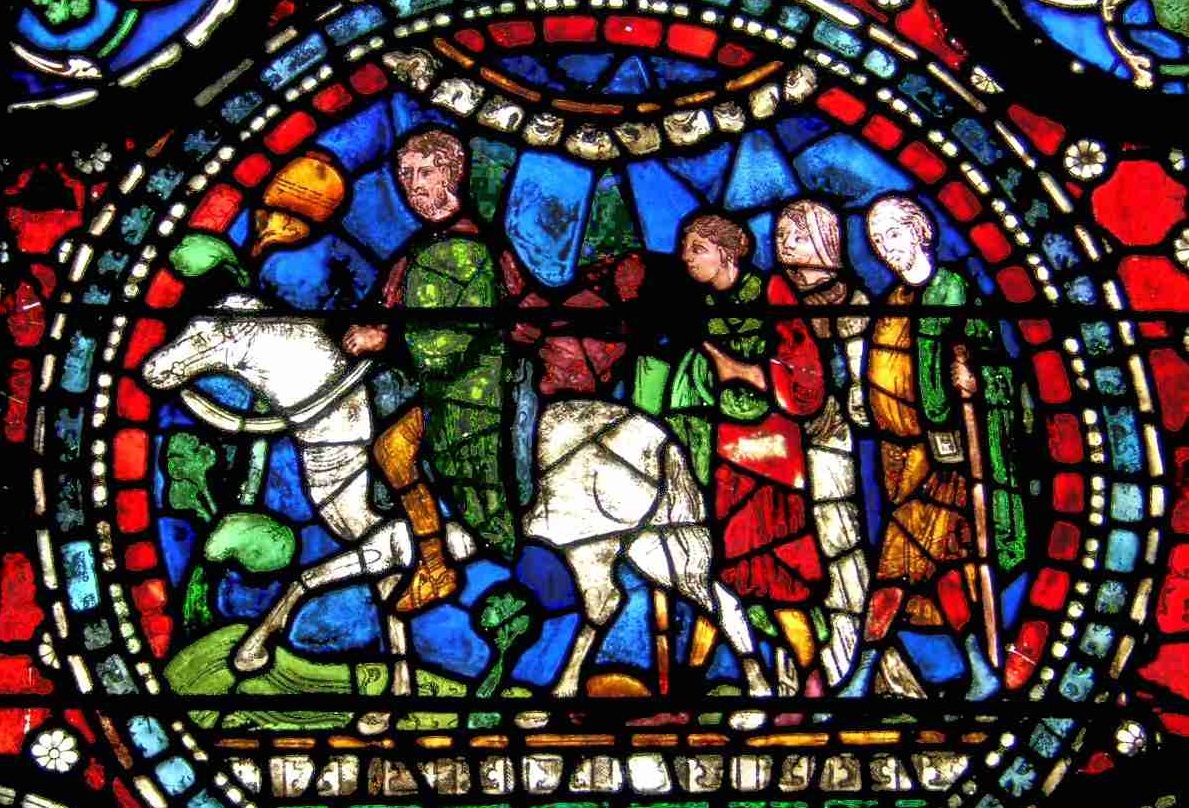
This course offers a new approach to the study of pilgrimage, combining history and anthropology to examine western pilgrimage practices from the Middle Ages to the modern day.
A comprehensive introduction and historical framework to the rich, diverse, artistic, architectural, and cultural legacy of Andalucía, Spain's most southerly region, produced between about 750 and 1550 CE, but with reference to its more ancient history.
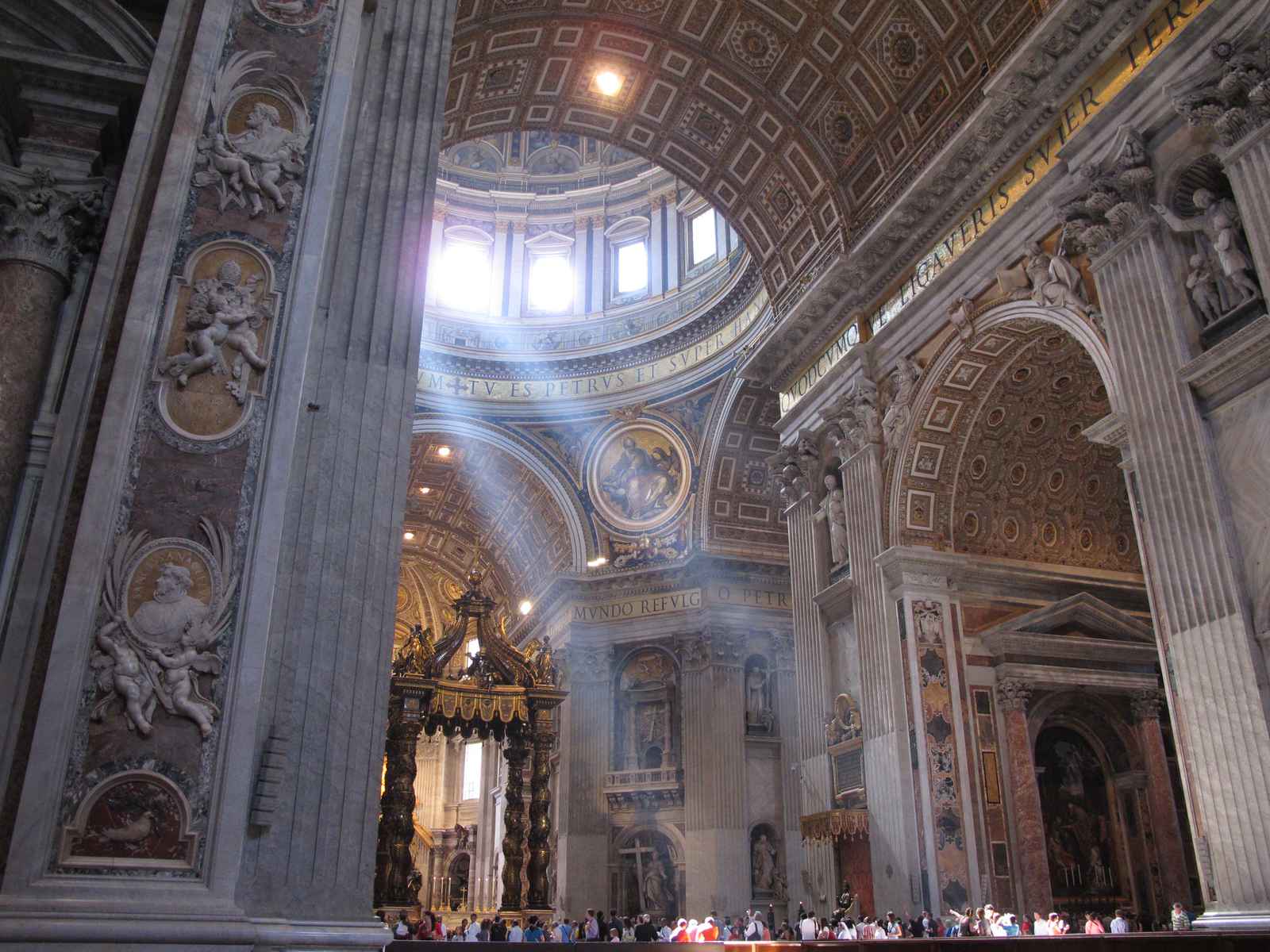
Robert Harris's Conclave and the election of Pope Leo XIV drew attention to the Sistine Chapel and architecture in the traditions of the Vatican. We will trace this from Early Christian building to the fabulous works of Michelangelo, Raphael and Bernini.
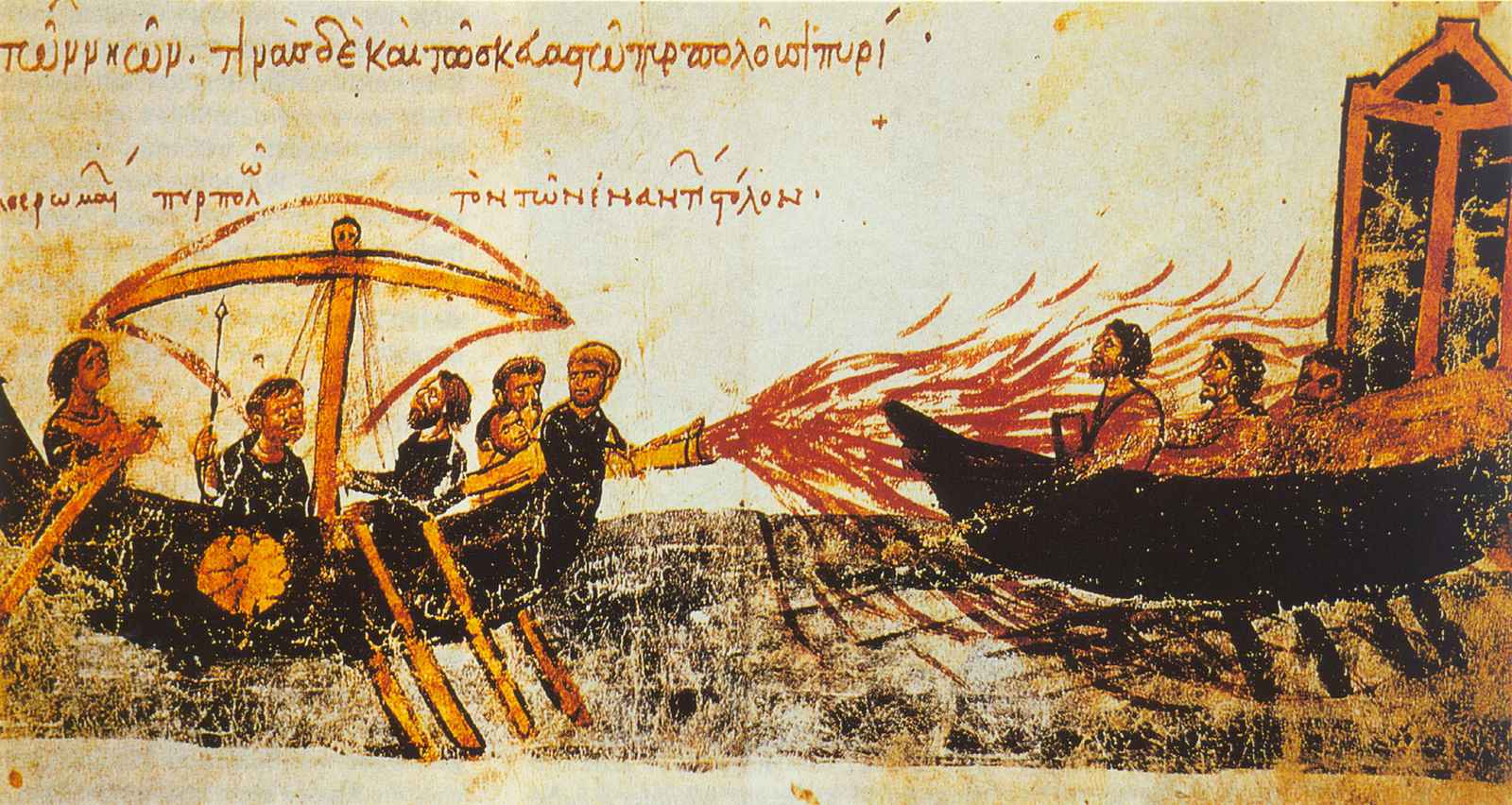
The course will examine the diplomatic, military, ecclesiastical and trade relations between the Byzantine Empire and its neighbours from the 4th to the 15th centuries.