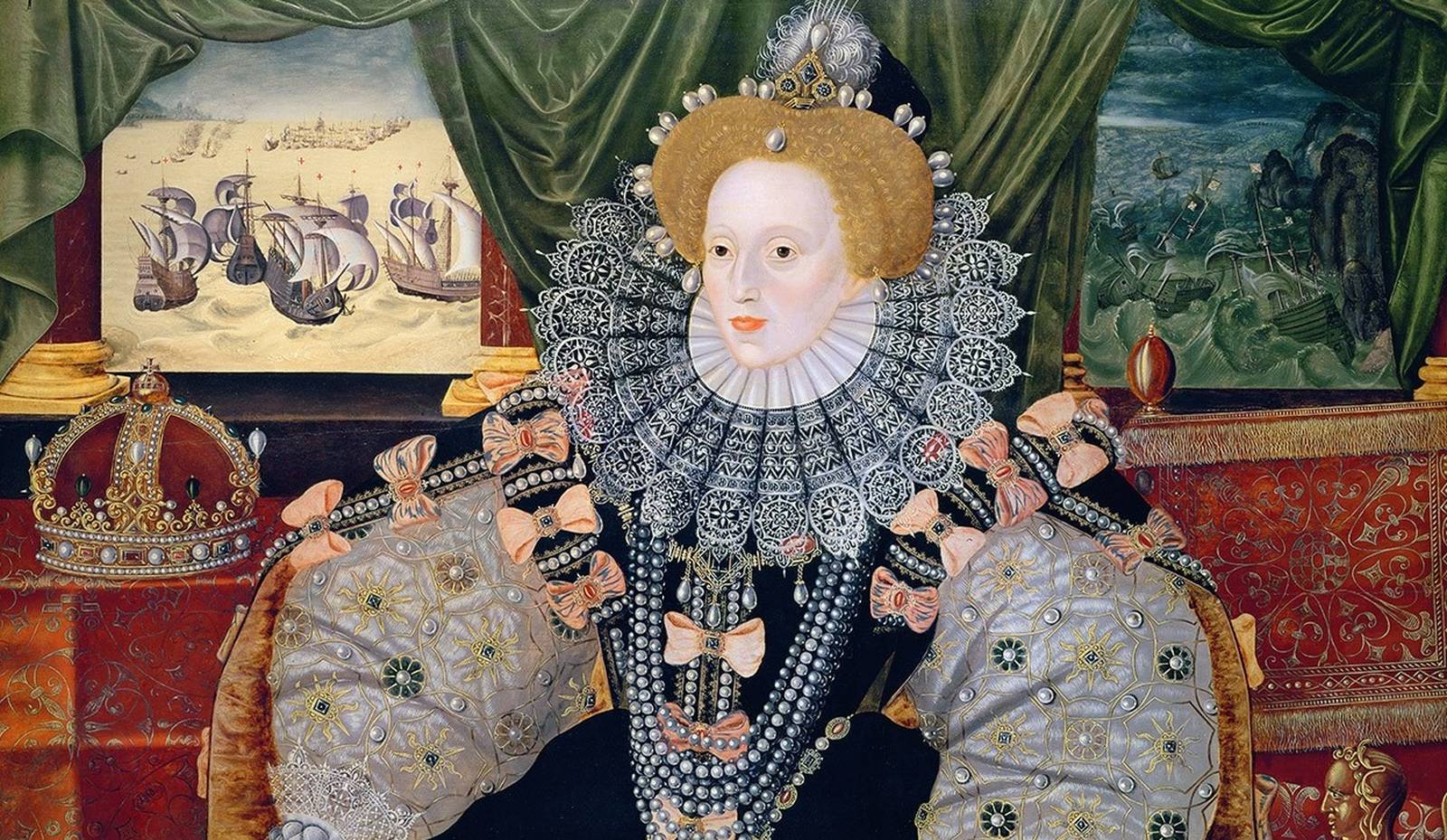
This lecture examines Elizabeth I and how she navigated and manipulated gendered expectations.
Filter by:
Filters
Start month
Day of the week
Time of day
This lecture examines Elizabeth I and how she navigated and manipulated gendered expectations.
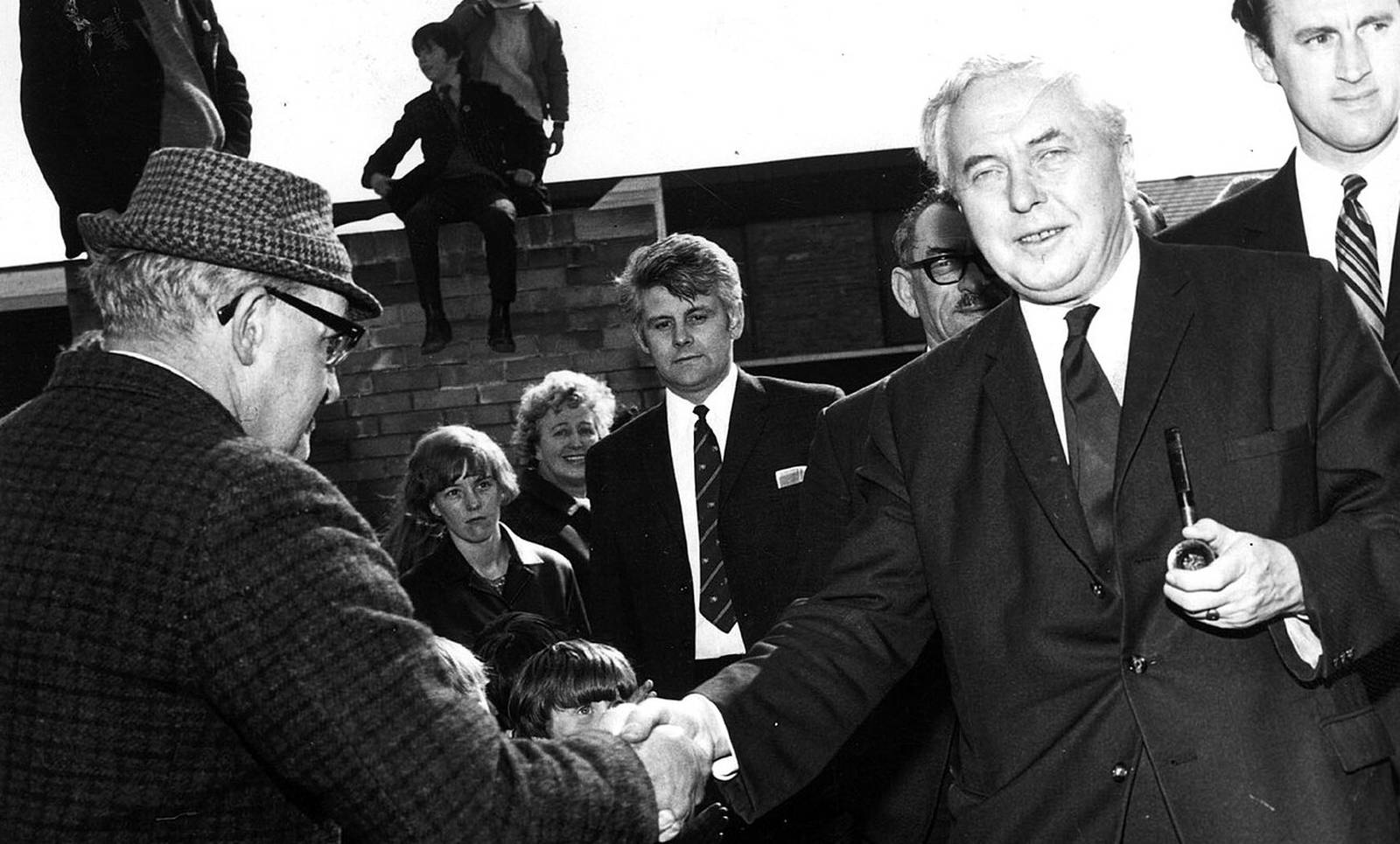
Examine how Harold Wilson and Jim Callaghan set the stage for the 1975 referendum on staying in the EEC.
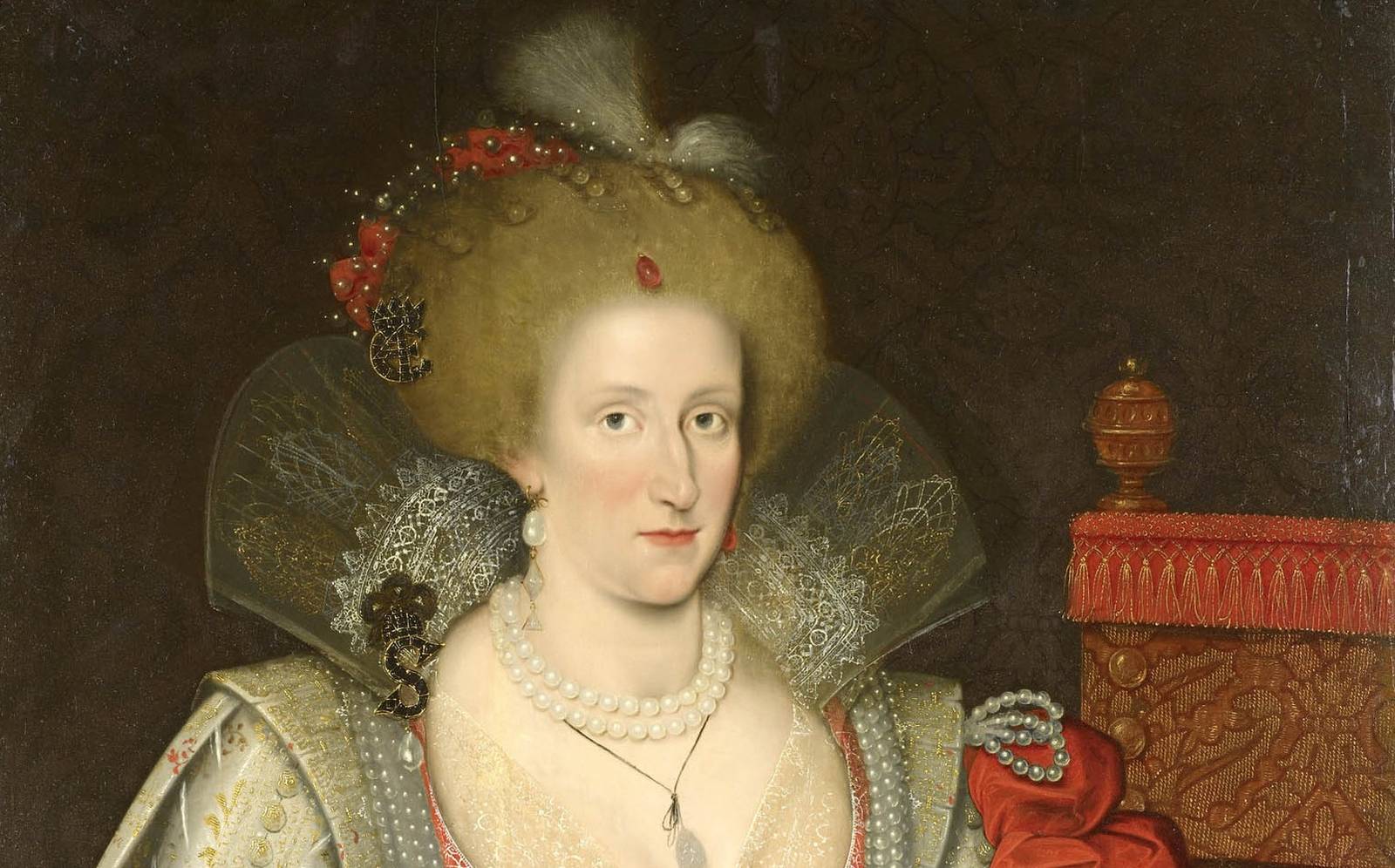
This lecture examines Anna of Denmark, and her impact on politics and the arts.
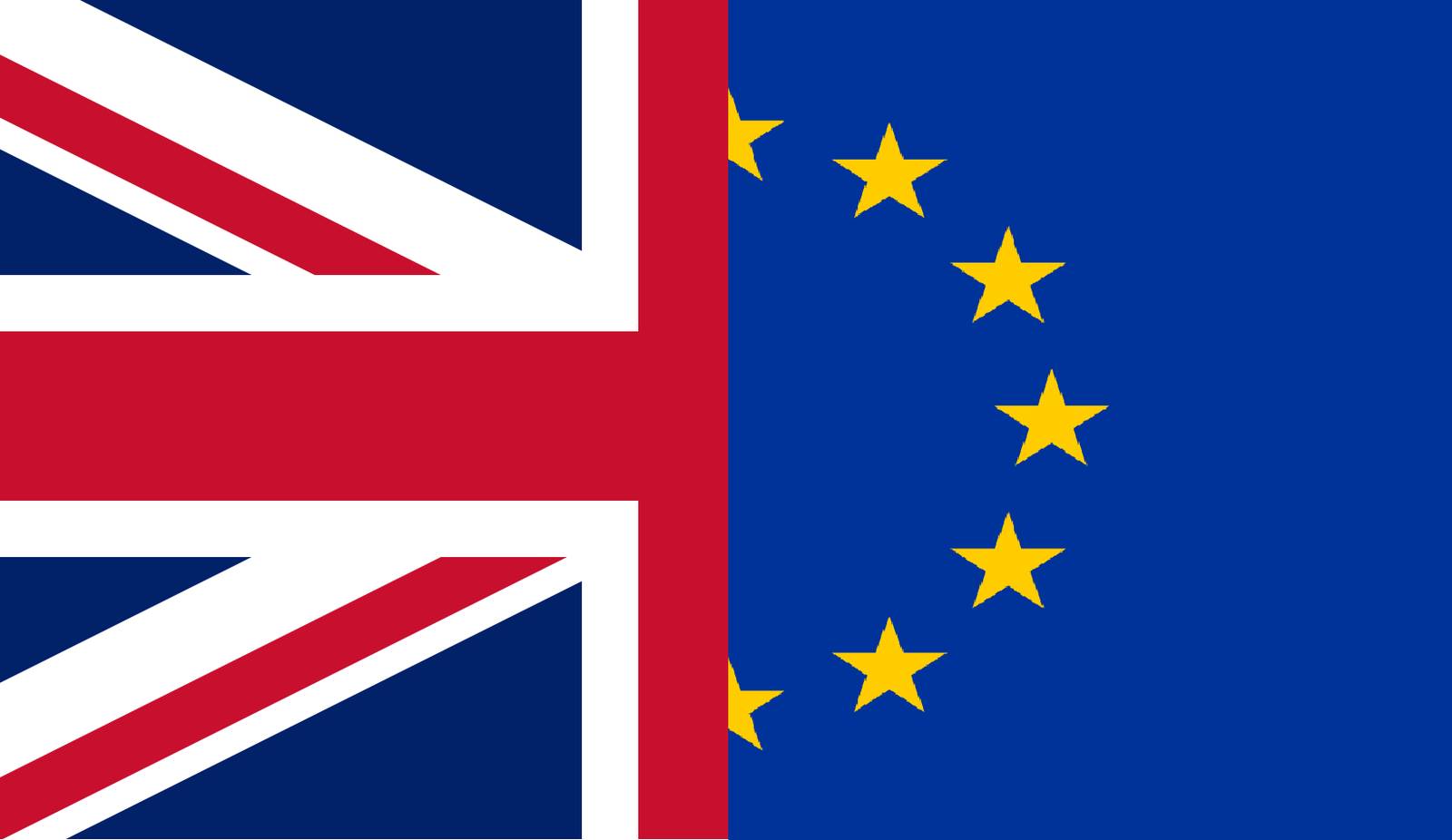
Examine the decisive vote to remain in the EEC, and the success of the 'yes' campaign.
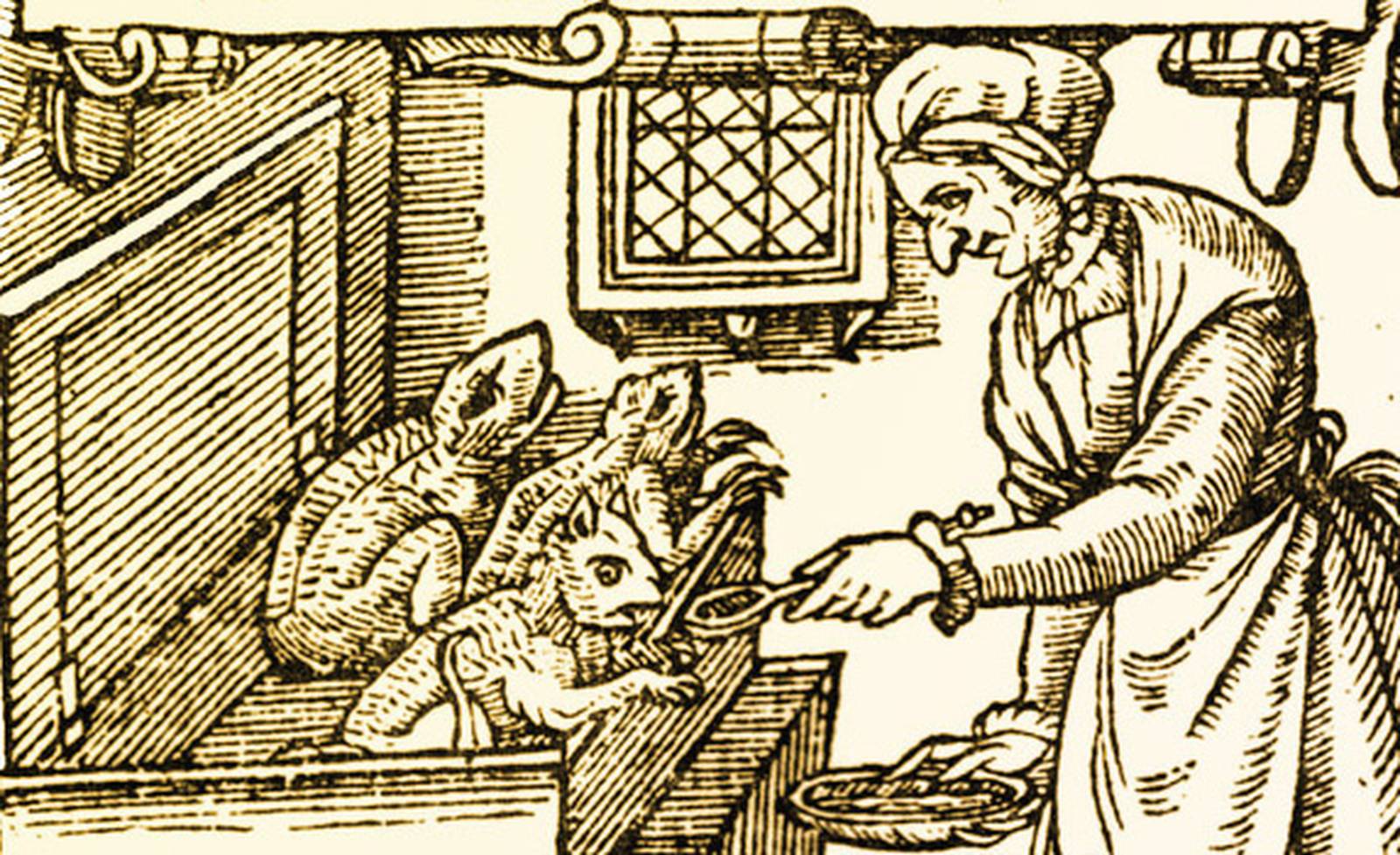
For thousands of years, humans have been fascinated by witches. Through four stimulating lectures, this hybrid day event examines how witches have been represented over time – from the classical world to modern times.
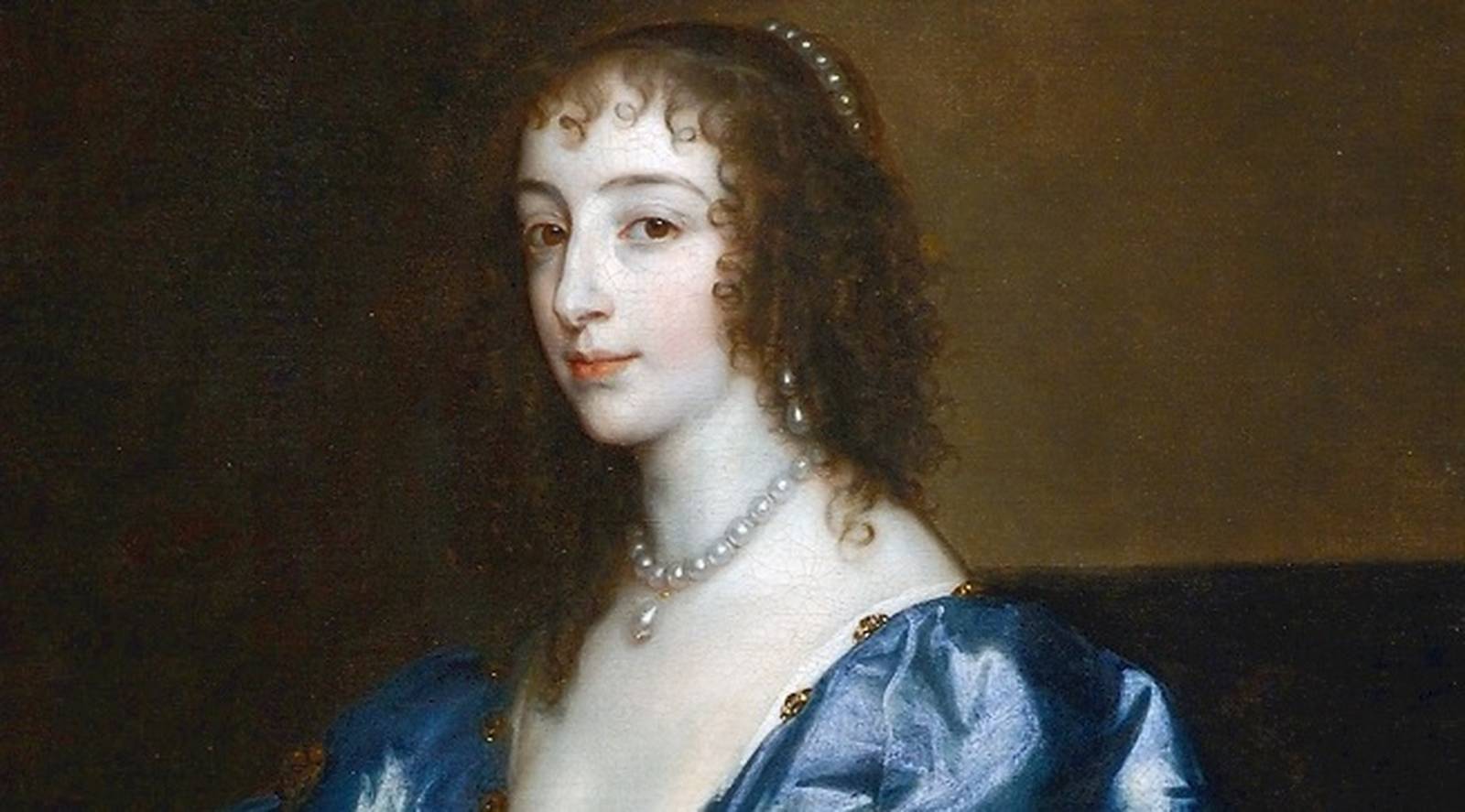
This lecture examines Henrietta Maria, wife of Charles I, and her political role and patronage of the arts.
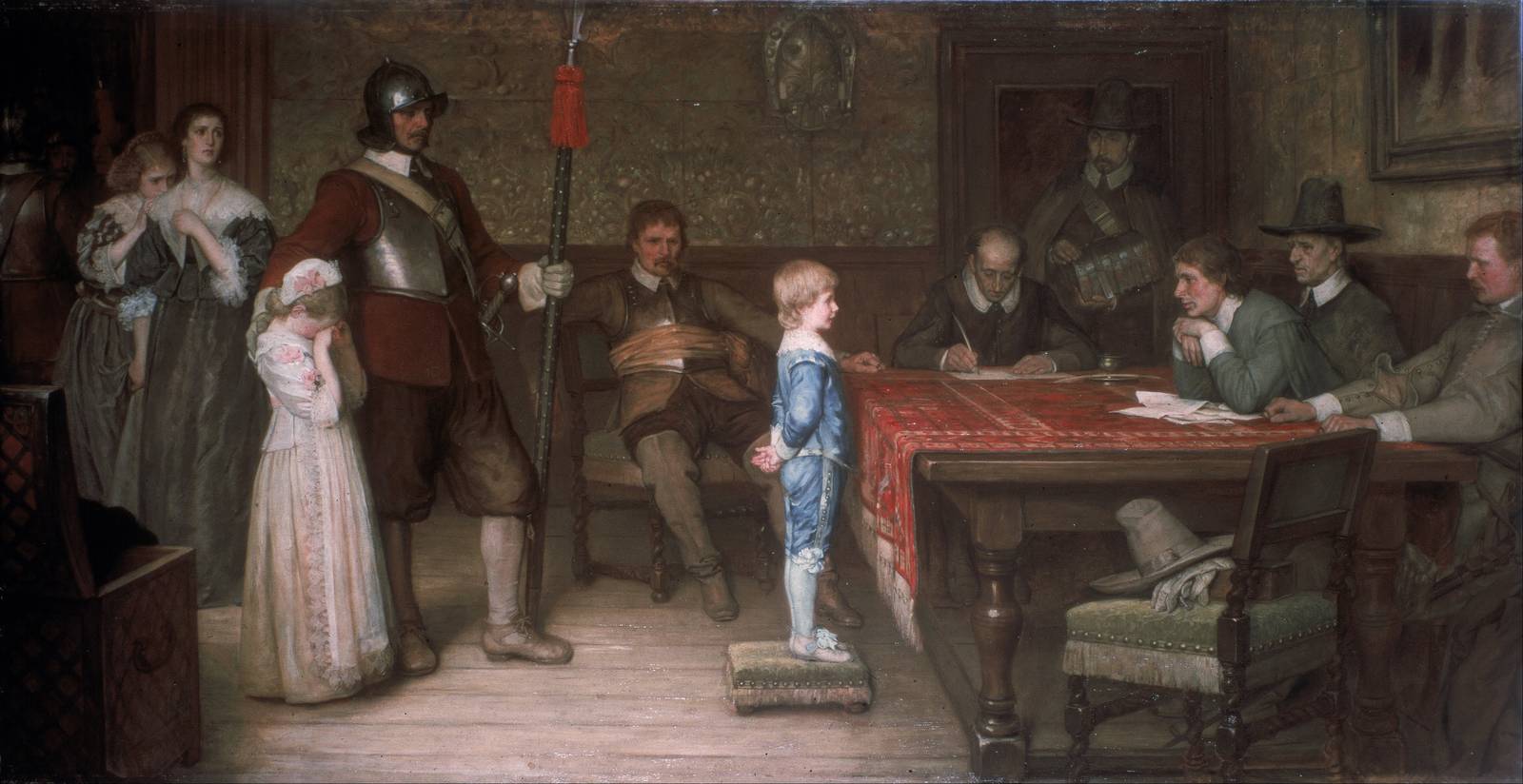
This day school will uncover the neglected roles of women and children during the British Civil Wars (1638–1660). Speakers will address how such people participated in these revolutionary events, and in what ways they looked back on them afterwards.
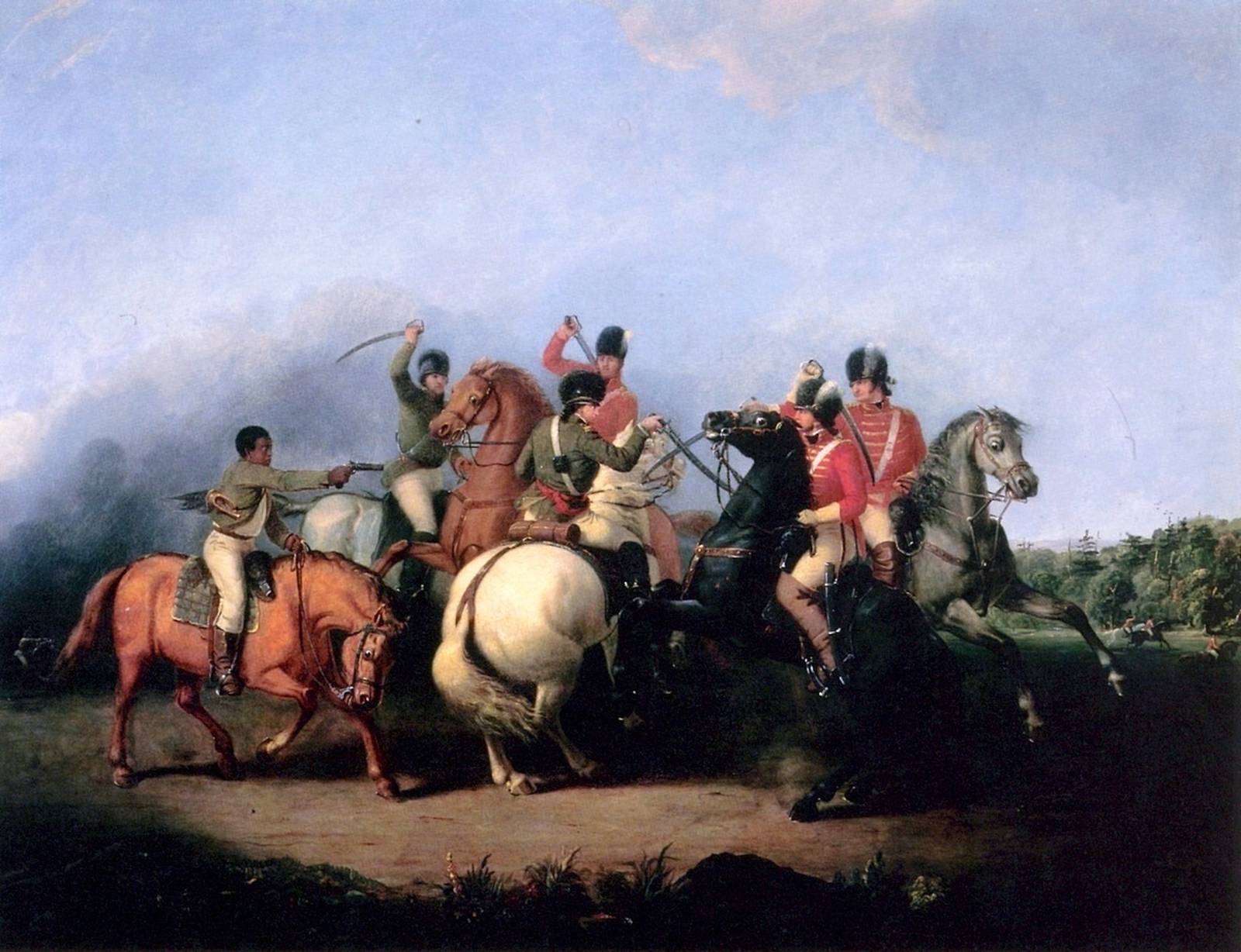
This series explores America’s War of Independence from 1775-1815, really its first Civil War. It pitched Americans against Americans: Patriots vs Loyalists. This examines perspectives from the victors and the vanquished.
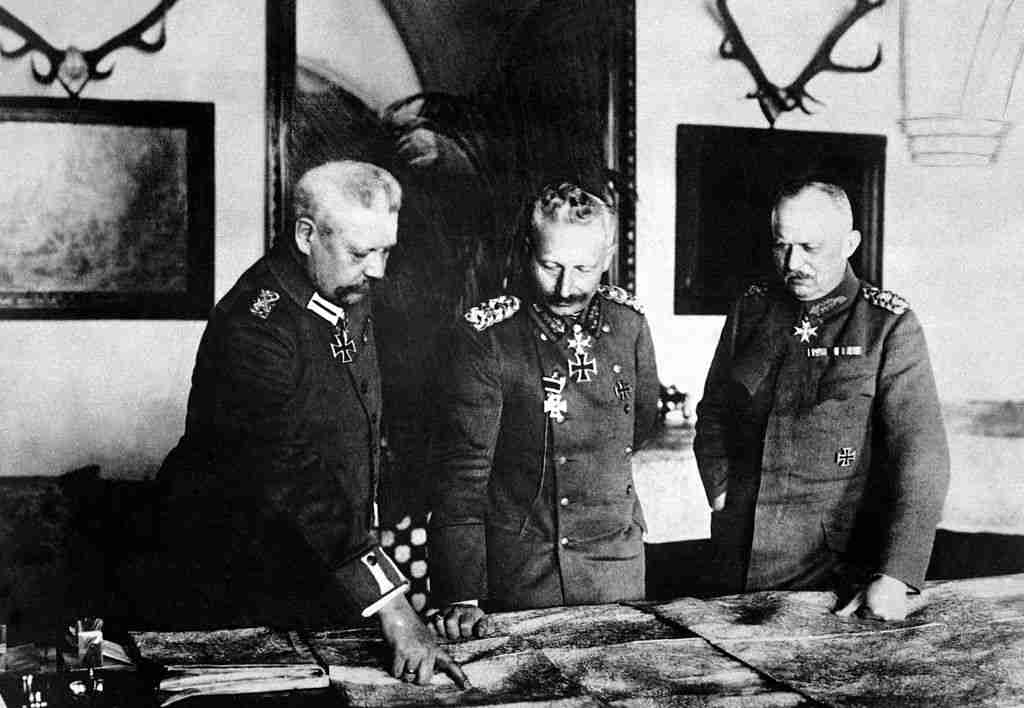
The First World War was a cataclysmic event. This course examines international relations before 1914, the countries which fought the war, how it started, the expectations of the participants, and assesses the war's historical significance,
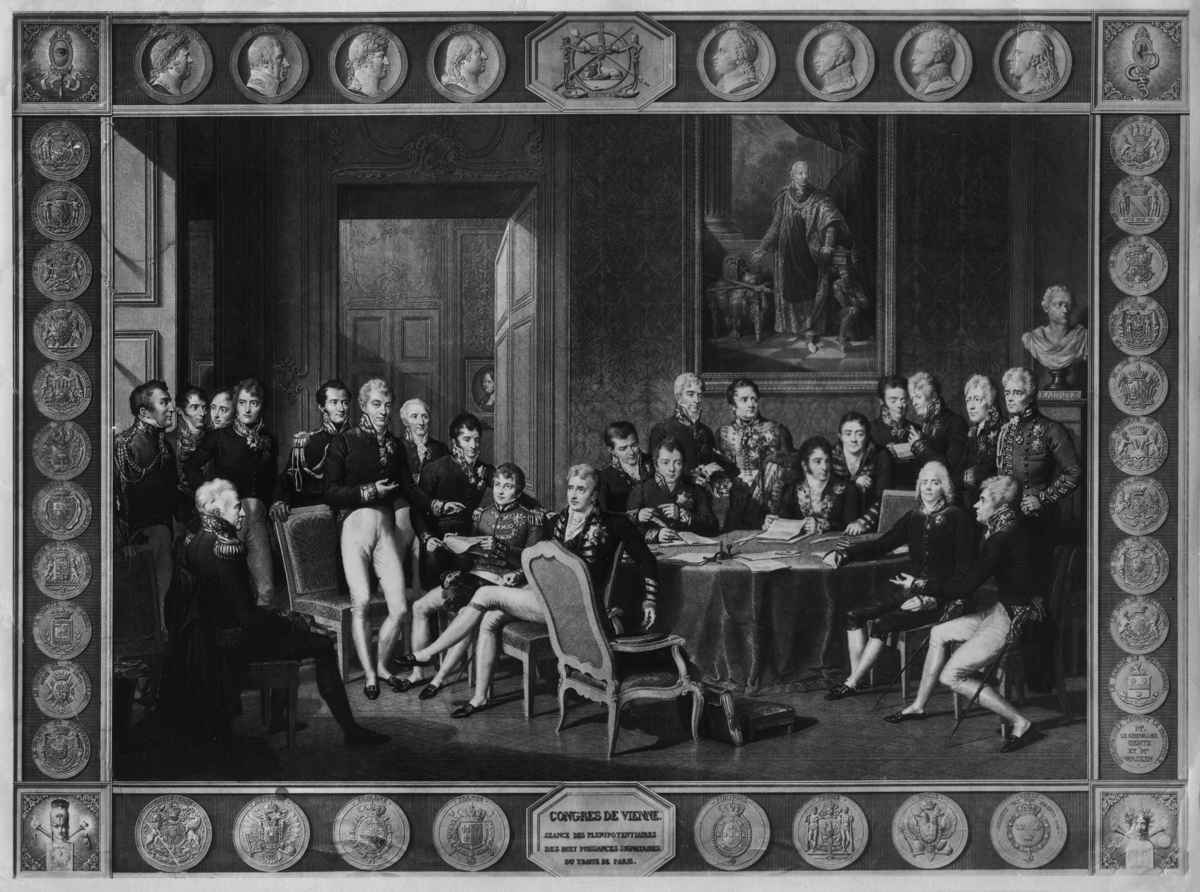
Austria was the great power of Central Europe in 1780, Austria's ruler was was the Holy Roman Emperor of German Europe. How did this situation change by 1918? This is the story of the development of Imperial Austria from empire to a European republic.
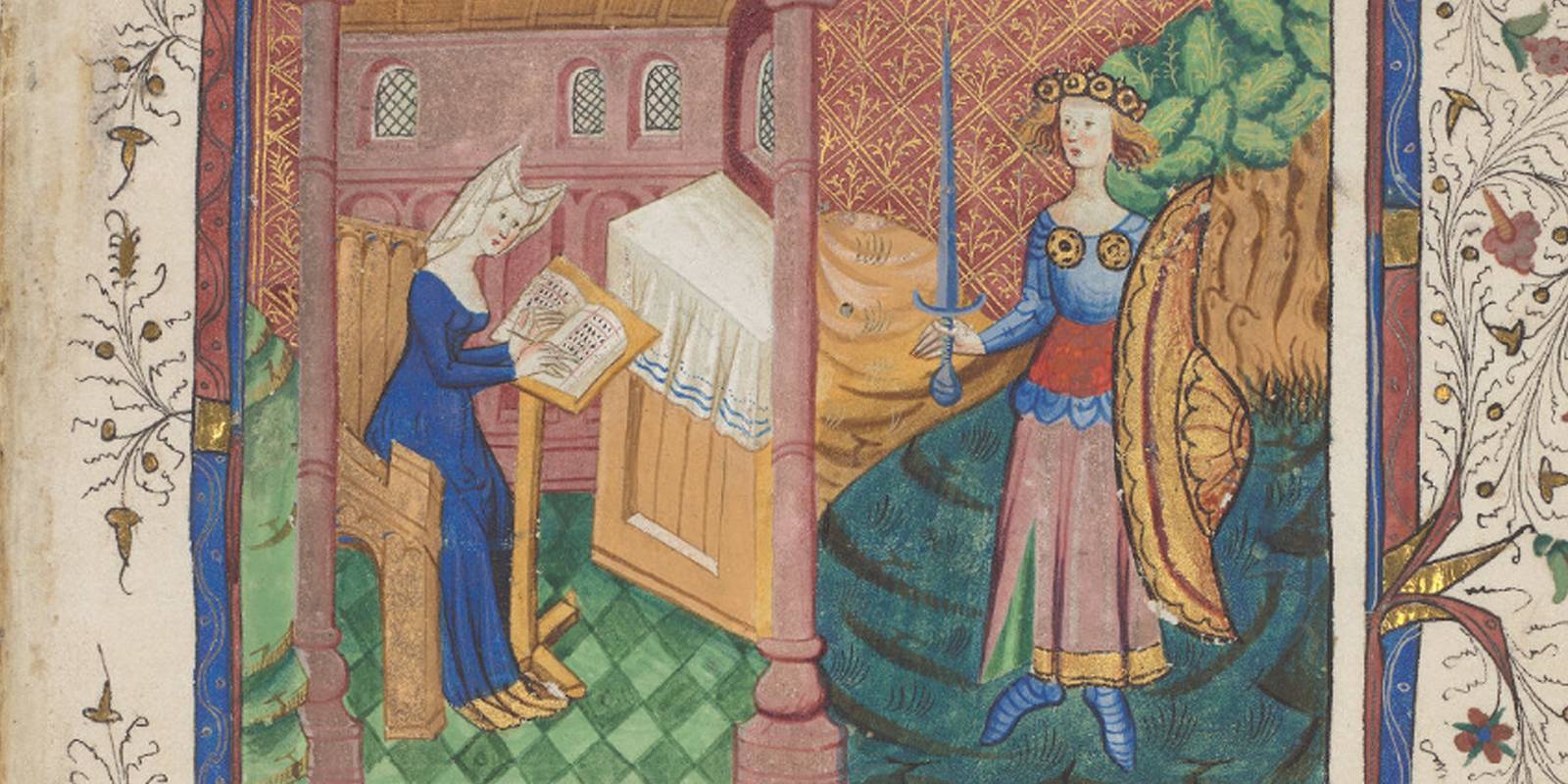
Chivalry was more than medieval knights in shining armour jousting for the love of fair ladies. This course explores how chivalric values profoundly shaped political, literary and artistic cultures from the medieval period through to the present day.
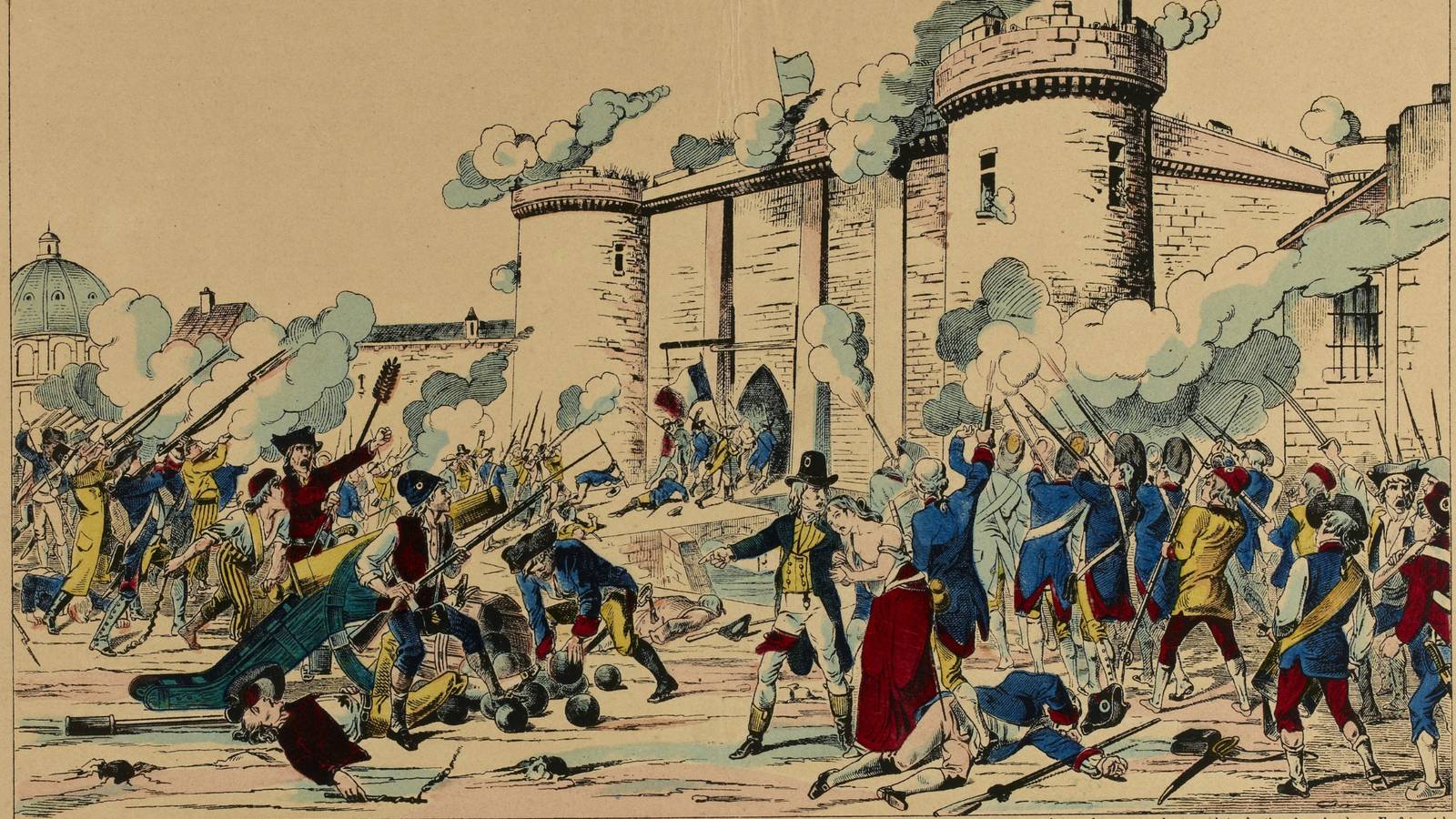
Why did revolution break out again and again during the tumultuous 17th and 18th centuries? And why did they play such a key role in shaping the very nature of modern western political culture? Explore with us this fascinating topic!