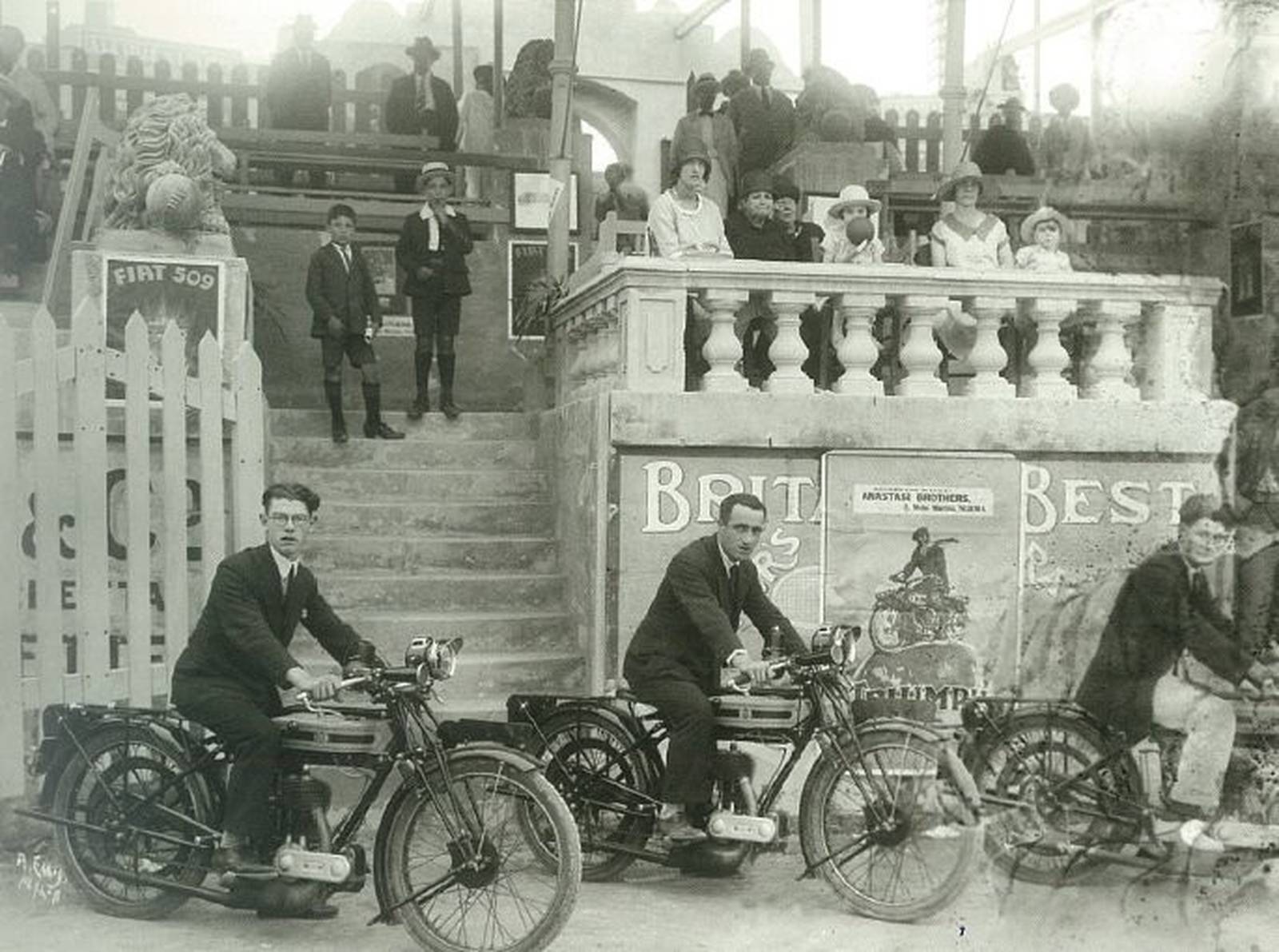
Britain in the Twenties and Thirties looked back to the lost world before 1914, but also forward to a future of progress in international relations, democratic freedoms, greater equality and personal fulfillment, in years haunted also by fears of war.
Course search results
Filter by:
Filters
Start month
Day of the week
Time of day
This study day will investigate Oxford’s experience during and after the Civil Wars. Andrew Hopper will chair proceedings and lead a walkabout tour of sites connected to civil-war Oxford, including a visit to the Ashmolean Museum.
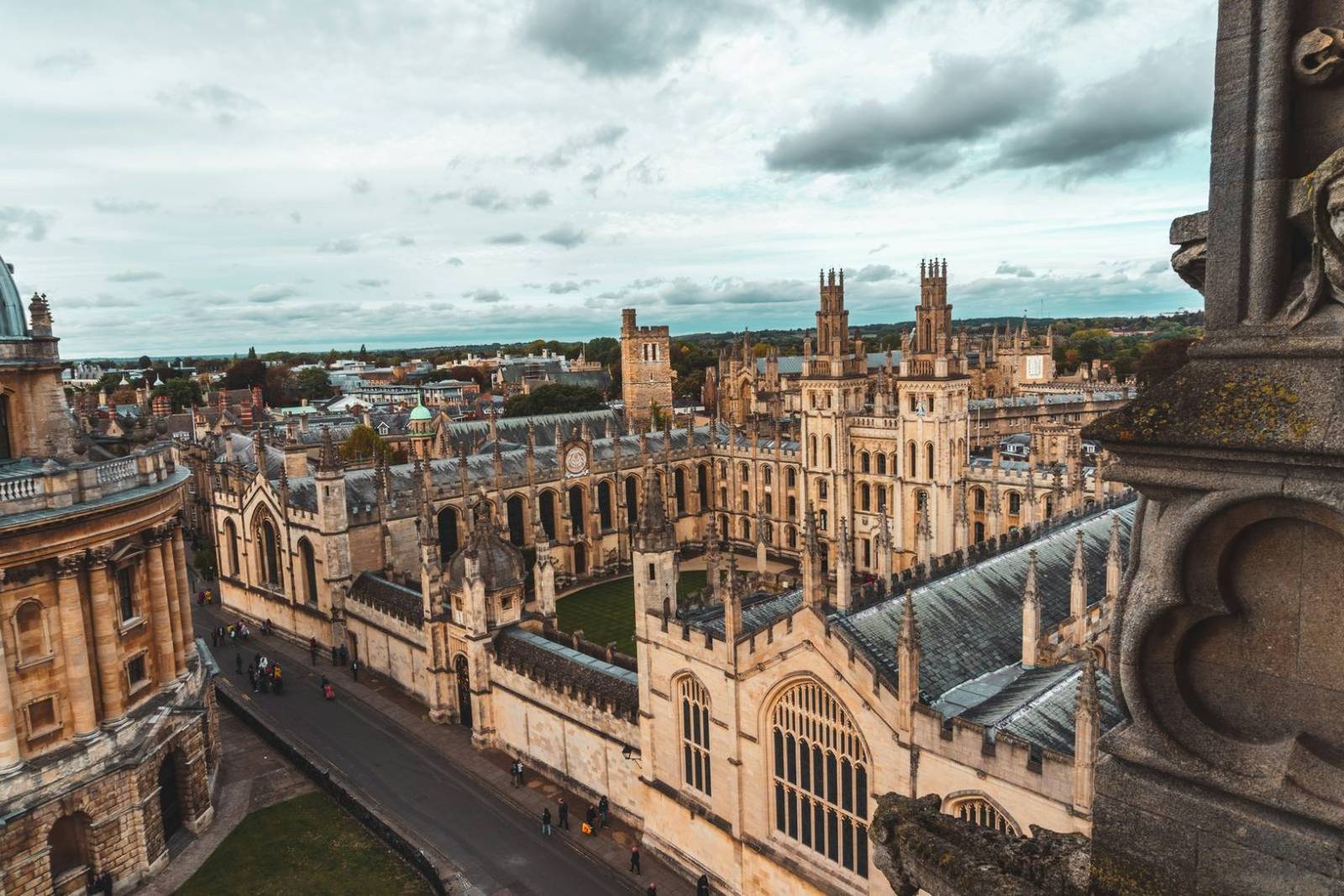
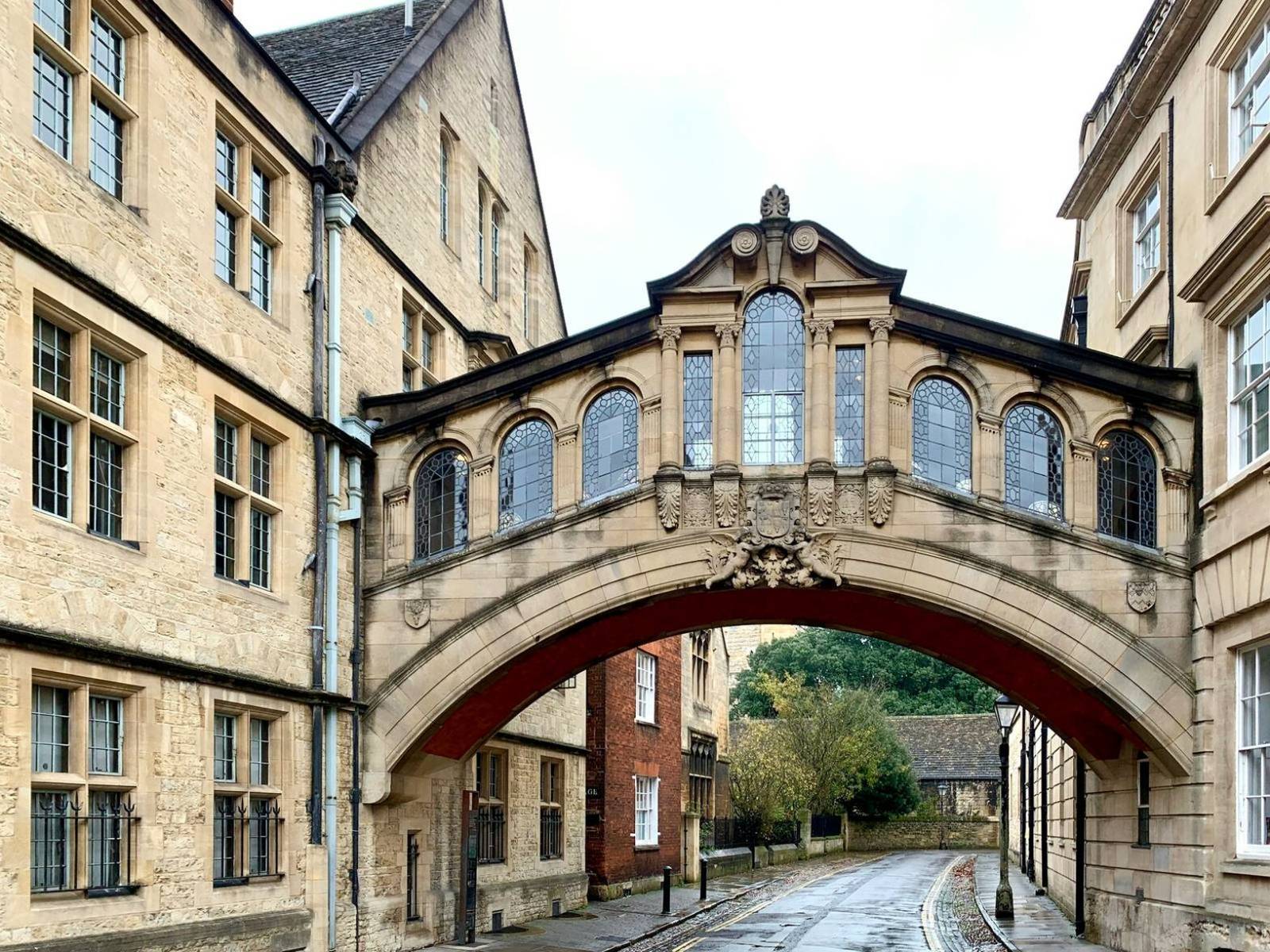
From the oldest to the brand new, join us for this walking tour to examine Oxford's remarkable buildings.
Oxford University may be a bastion of tradition, but how much do you know about the city’s radical past and present? Explore the fascinating stories of those who pushed back against power, privilege and inequality on this walking tour and lecture.
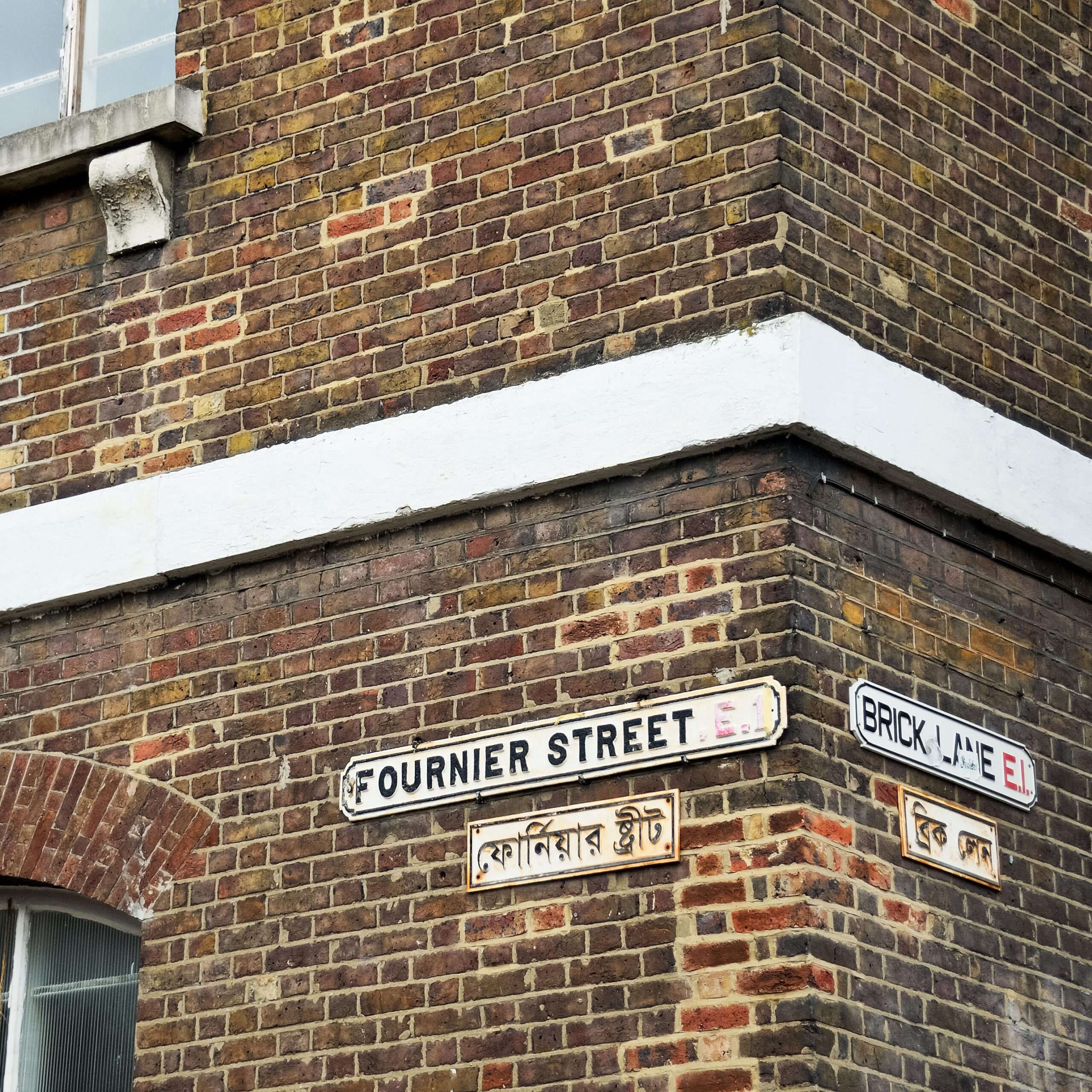
This course examines the rise and fall of the British Empire and its manifold legacies in Britain and beyond.
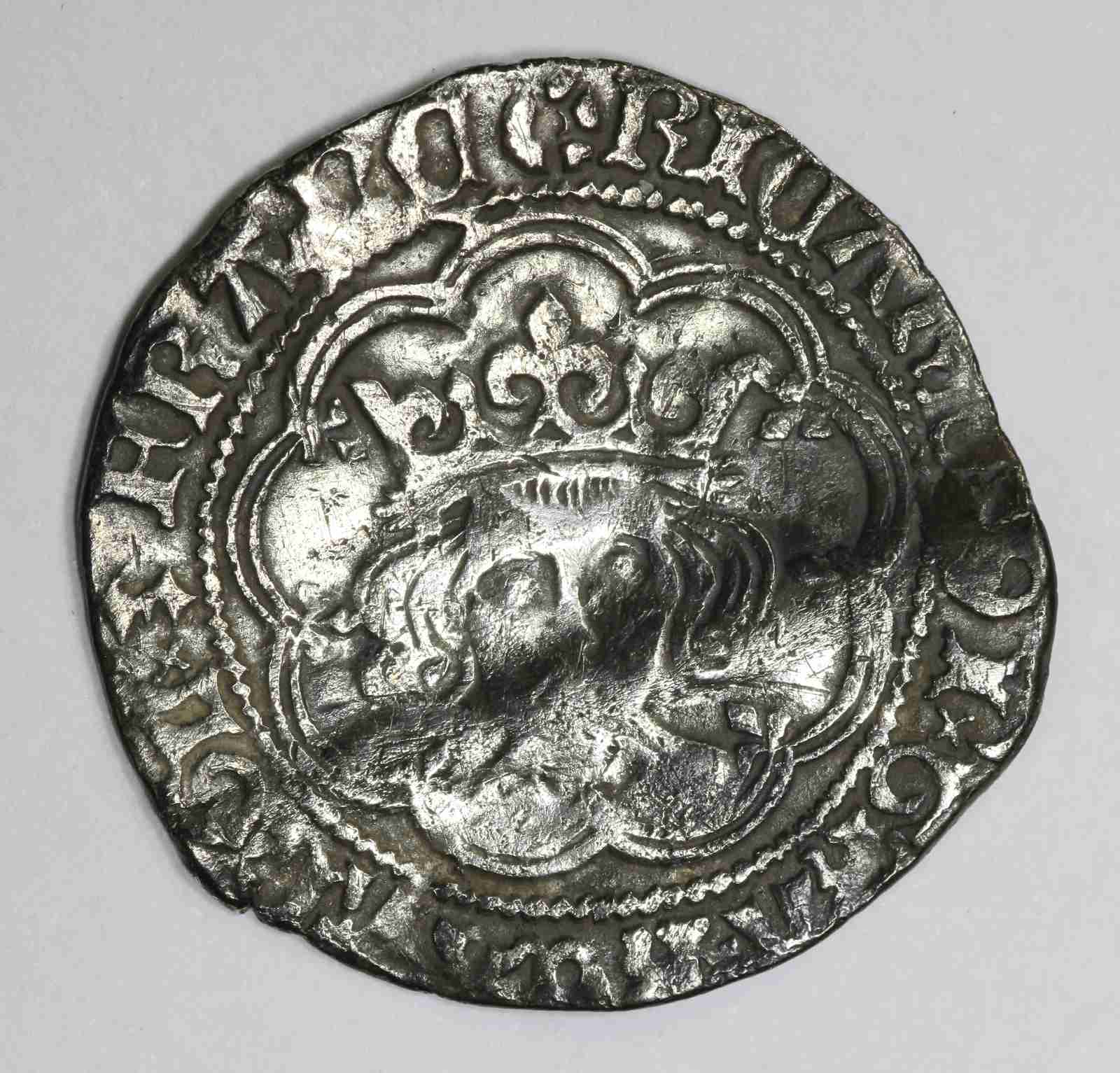
The recent discovery of Richard III's remains in Leicester highlights the dynamic new research being conducted into the period known as the Wars of the Roses. This course asks students to engage with the latest work on this exciting and tumultuous period.
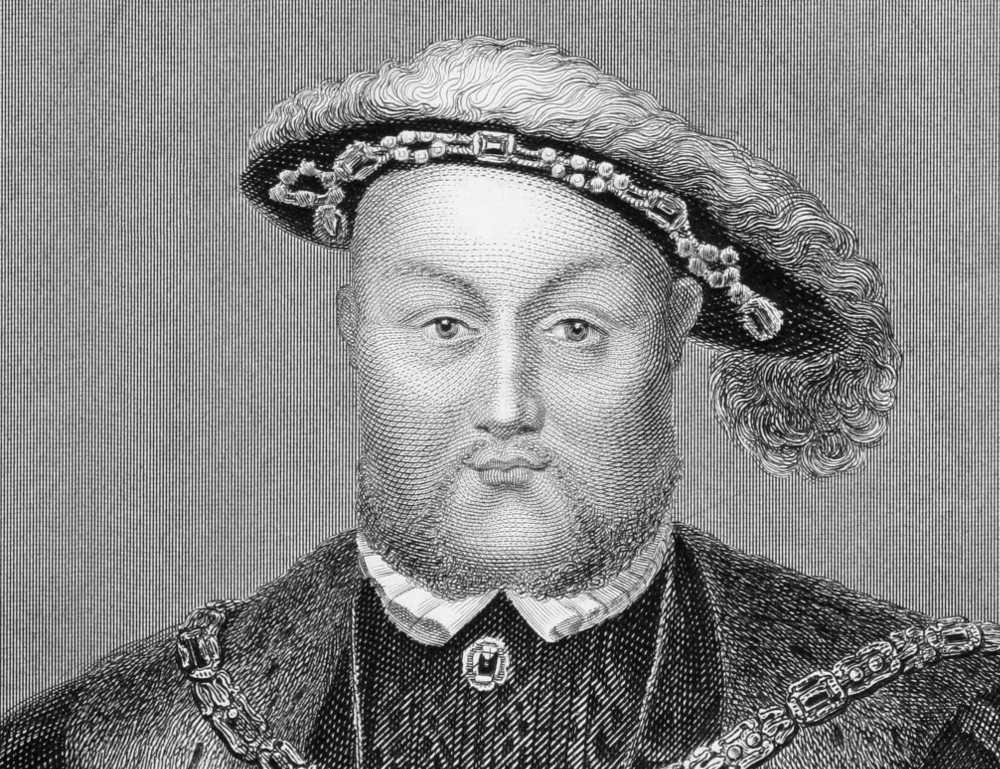
The reign of Henry VIII transformed British history. This ten-week online course charts the political, religious and cultural changes of the period.
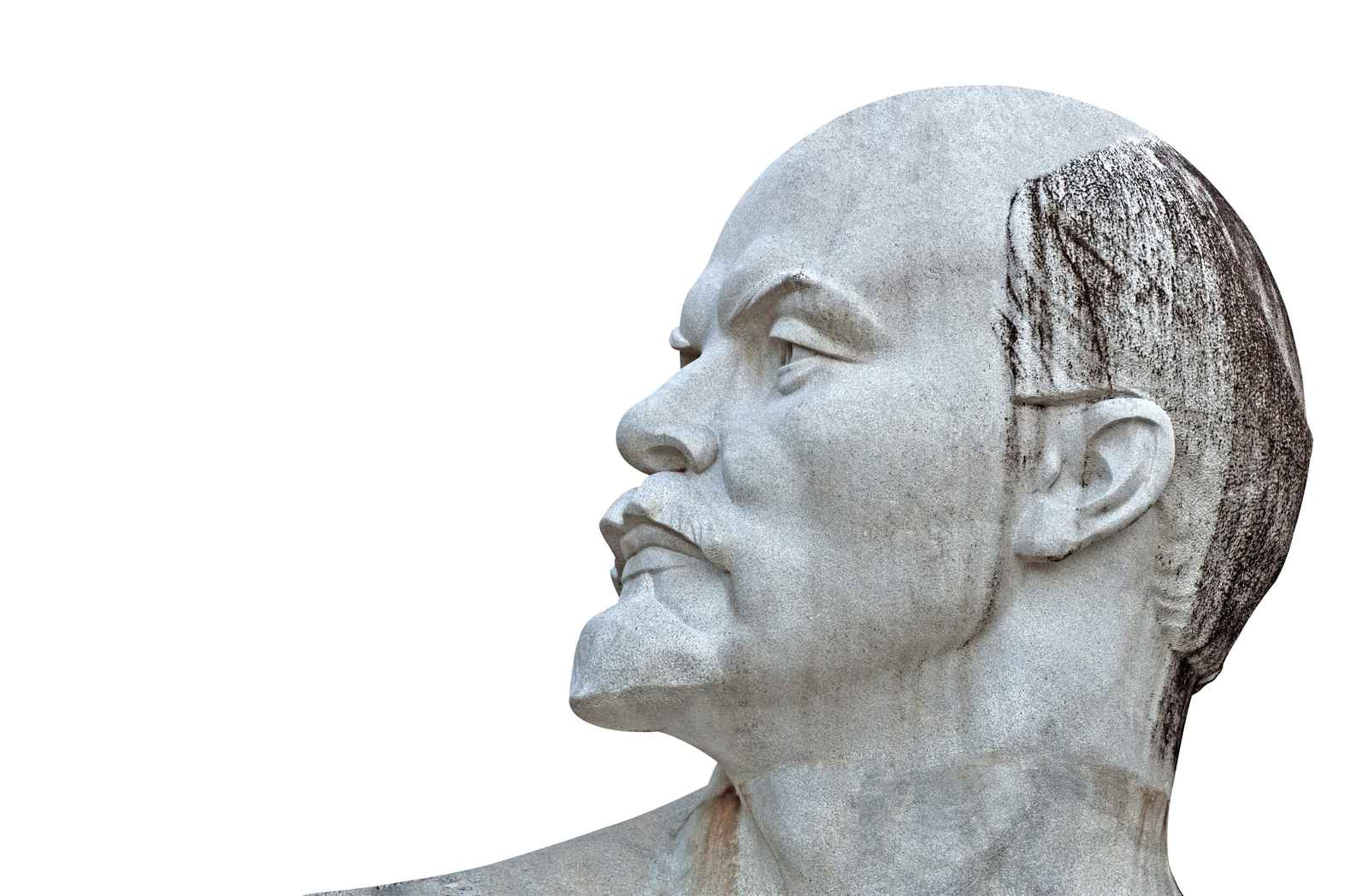
This course analyses why the inter-war years were a period of such political extremism. It will investigate the distinctive features of Soviet Communist ideology and the impact of Lenin and Stalin on the USSR.
In addition to tracing the evolution of the modern state and political ideas and ideologies, this course focuses on issues that confront people from all parts of the world on a day-to-day basis.
A modern, democratic, multicultural Britain developed throughout the twentieth century. This course will examine the key social, economic and political influences that have shaped modern Britain.
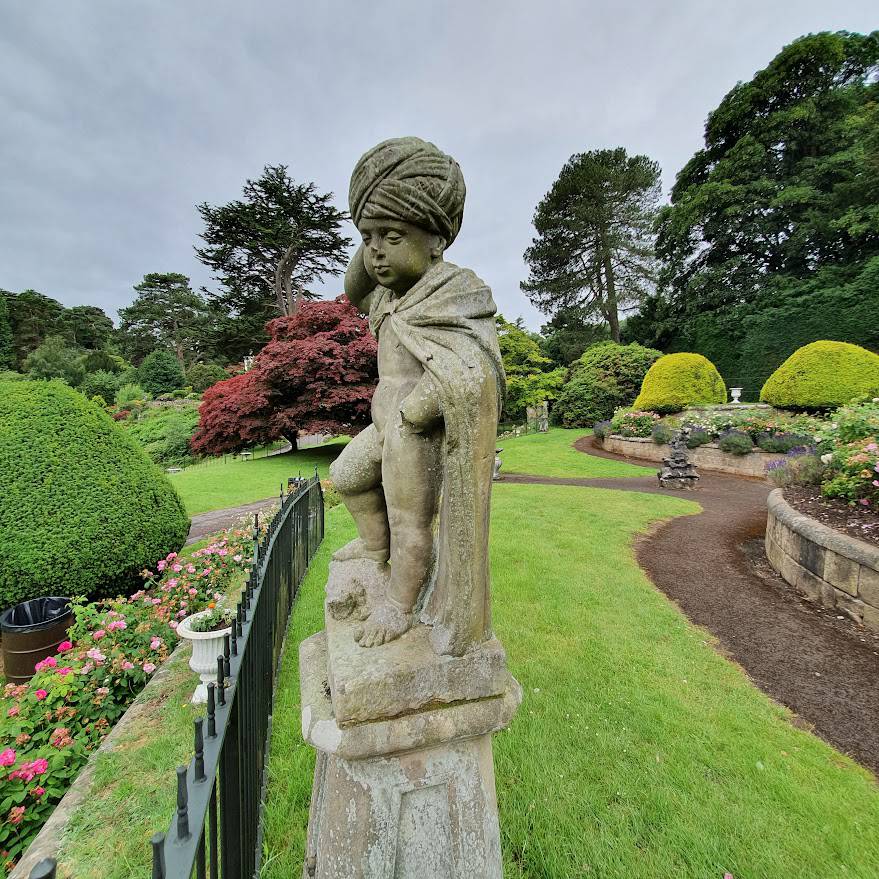
Explore the social and cultural history of gardens, uncover how their design and creation have reflected wider social and economic forces – from politics and religion to travel and conflict with ideas inherited from a multitude of countries and cultures.
This course examines some of the most influential and important ideas and discoveries (and the people behind them) in the history of science between the years 1400-1700, finishing with a visit to Oxford’s History of Science Museum.