
In World Archaeology we explore the emergence of past societies in multiple regions of the Earth. Some are mysterious and lost in the mists of time, while others underpin cultures that exist in our world today.
Filter by:
Filters
Start month
Day of the week
Time of day
In World Archaeology we explore the emergence of past societies in multiple regions of the Earth. Some are mysterious and lost in the mists of time, while others underpin cultures that exist in our world today.
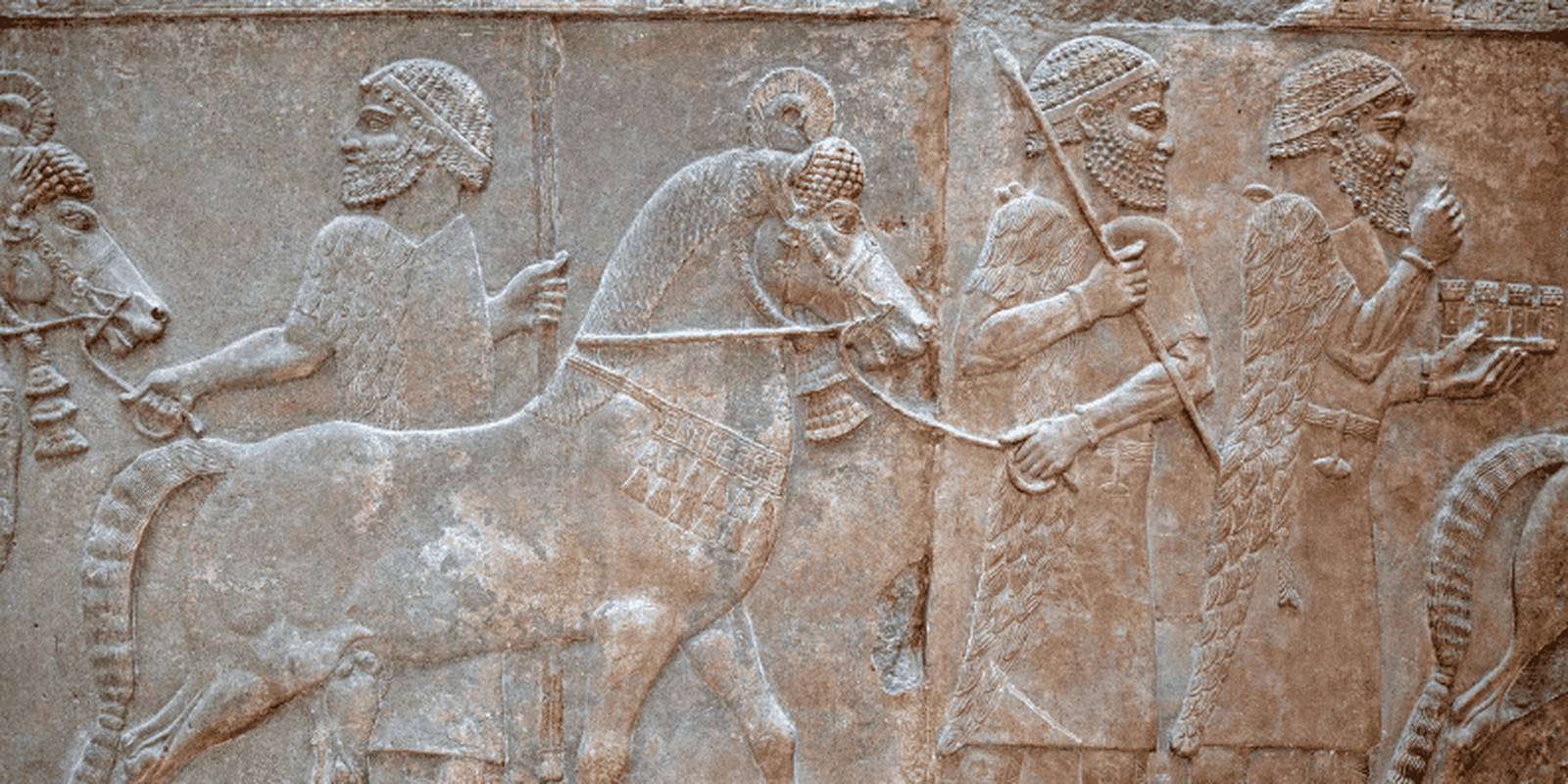
5,000 years ago on the plains of southern Mesopotamia, the Sumerians invented writing, built cities and forged the earliest empires. Using archaeology and textual sources, we will explore a unique civilisation, one that is at the root of our modern world.
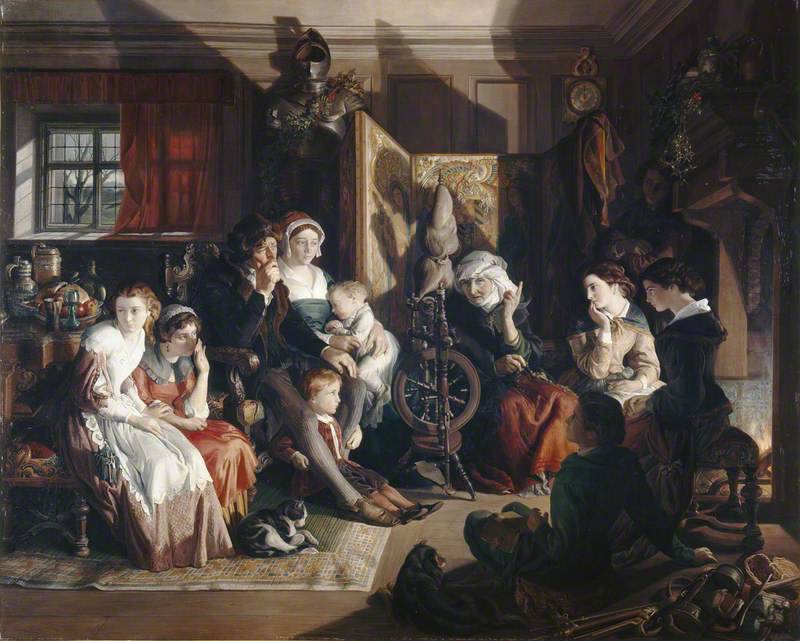
This course provides an historical introduction to the development of folklore studies in Britain. It will review historical conceptions and approaches to folklore from the seventeenth-century antiquarians to the present.

How do archaeologists recognise and interpret the lives of past peoples and their societies? An introduction to the methods and techniques of archaeological enquiry, from initial site survey and excavation to scientific analysis.

How can we begin to understand the spiritual lives of prehistoric people? When do religious ideologies first appear on the human evolutionary timescale? Using both anthropology and archaeological evidence these and many other questions are examined.
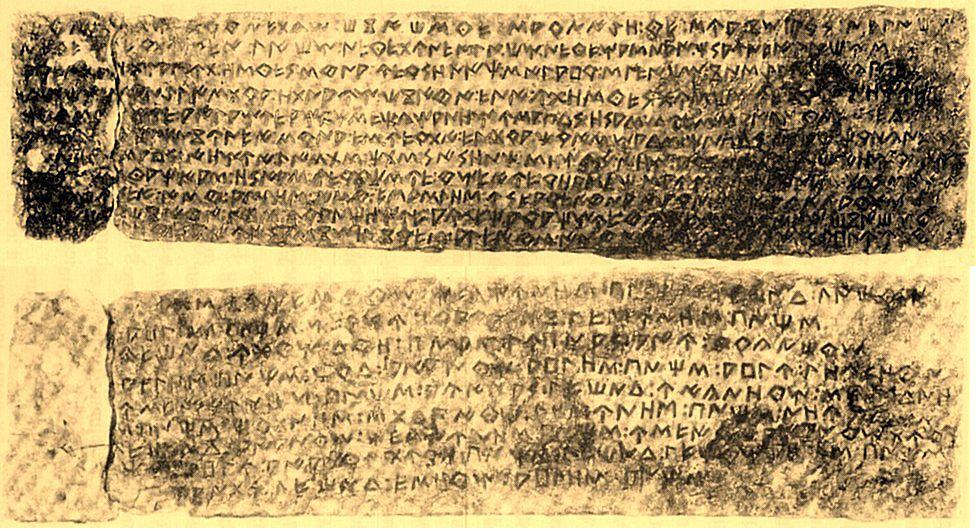
What do we really know about the Celtic world? These ancient communities left us captivating artefacts and imposing earthworks, but also with more subtle clues from which we can tease out the origins of the peoples who have come to be known as the Celts.
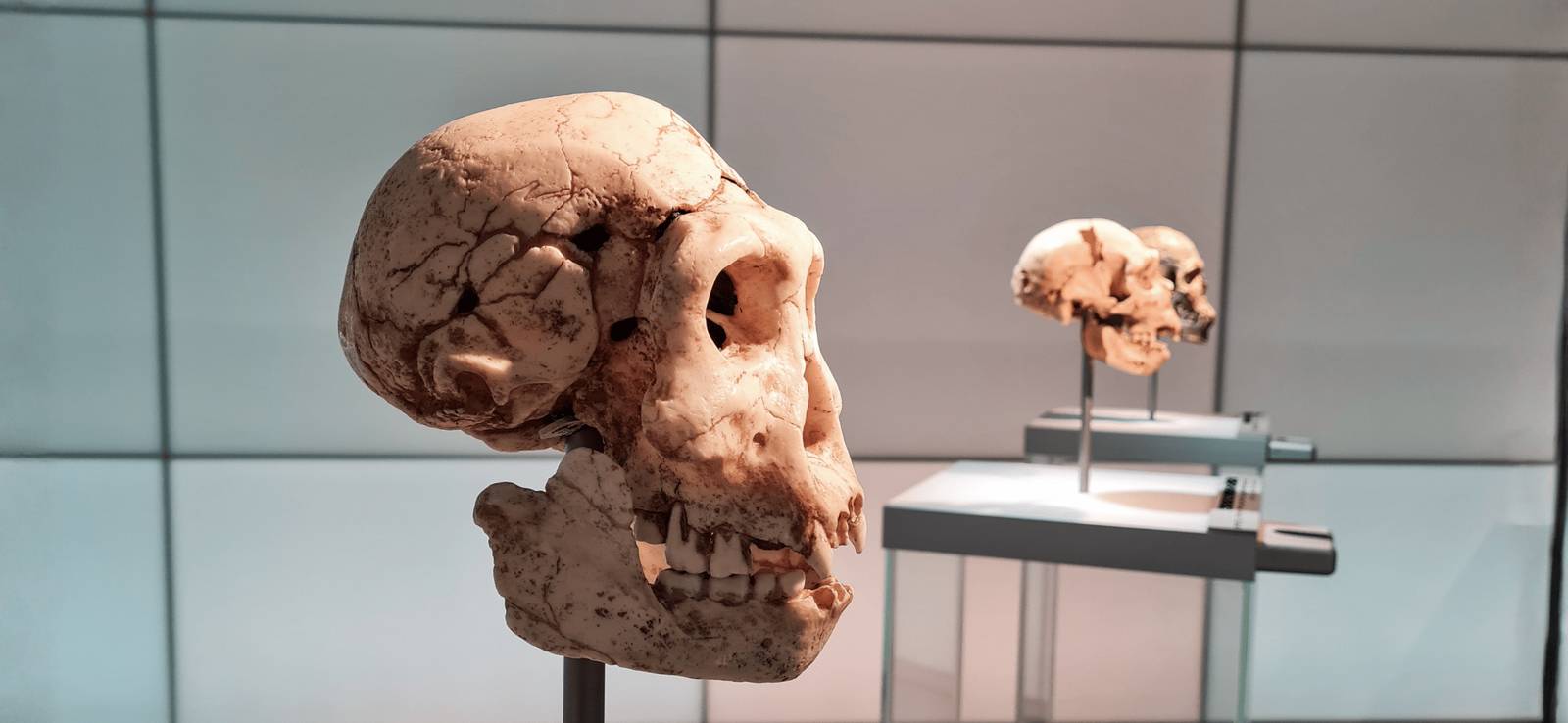
What makes humans different from other primates? When did we become human? This course will chart the development of human behaviour.
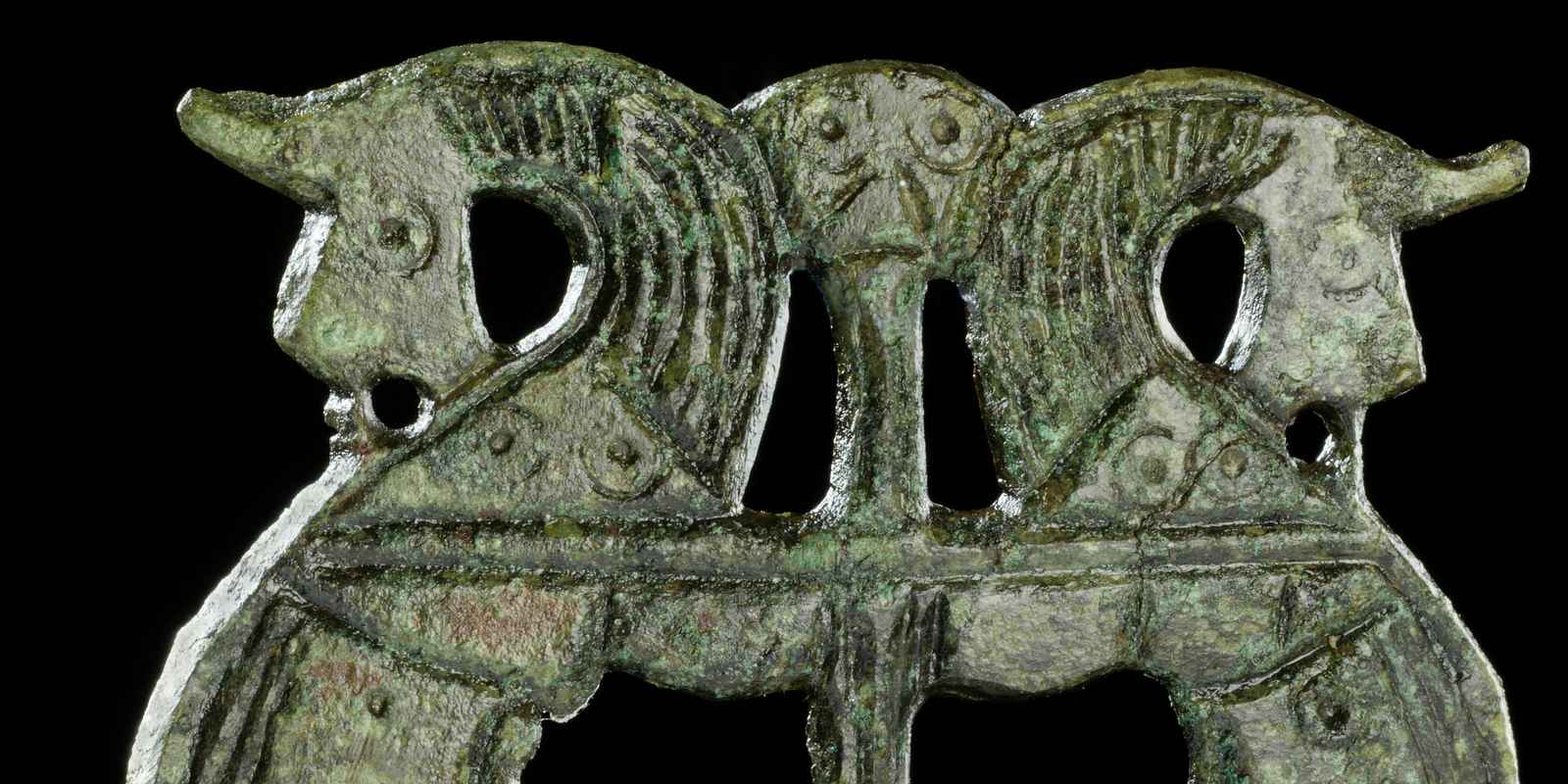
Ravagers, despoilers, pagans, the Vikings are often regarded as bloodthirsty pirates. Yet they were also traders, settlers and farmers with a thriving artistic culture and legal systems. Using archaeology we examine the varied aspects of the Viking world.
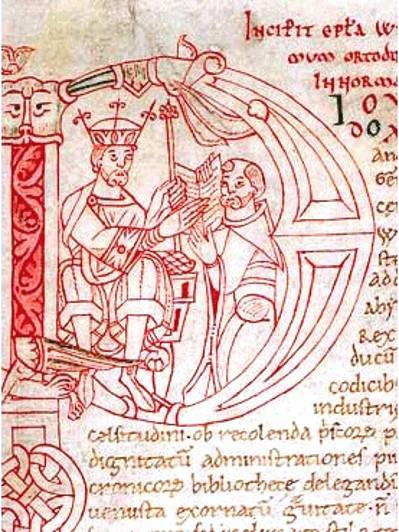
Next year (2027) marks the Millennium of the birth of William the Conqueror. Perhaps the most important, and enigmatic King in English History. This course will trace his achievements, his failures and most importantly his legacy as King of England.
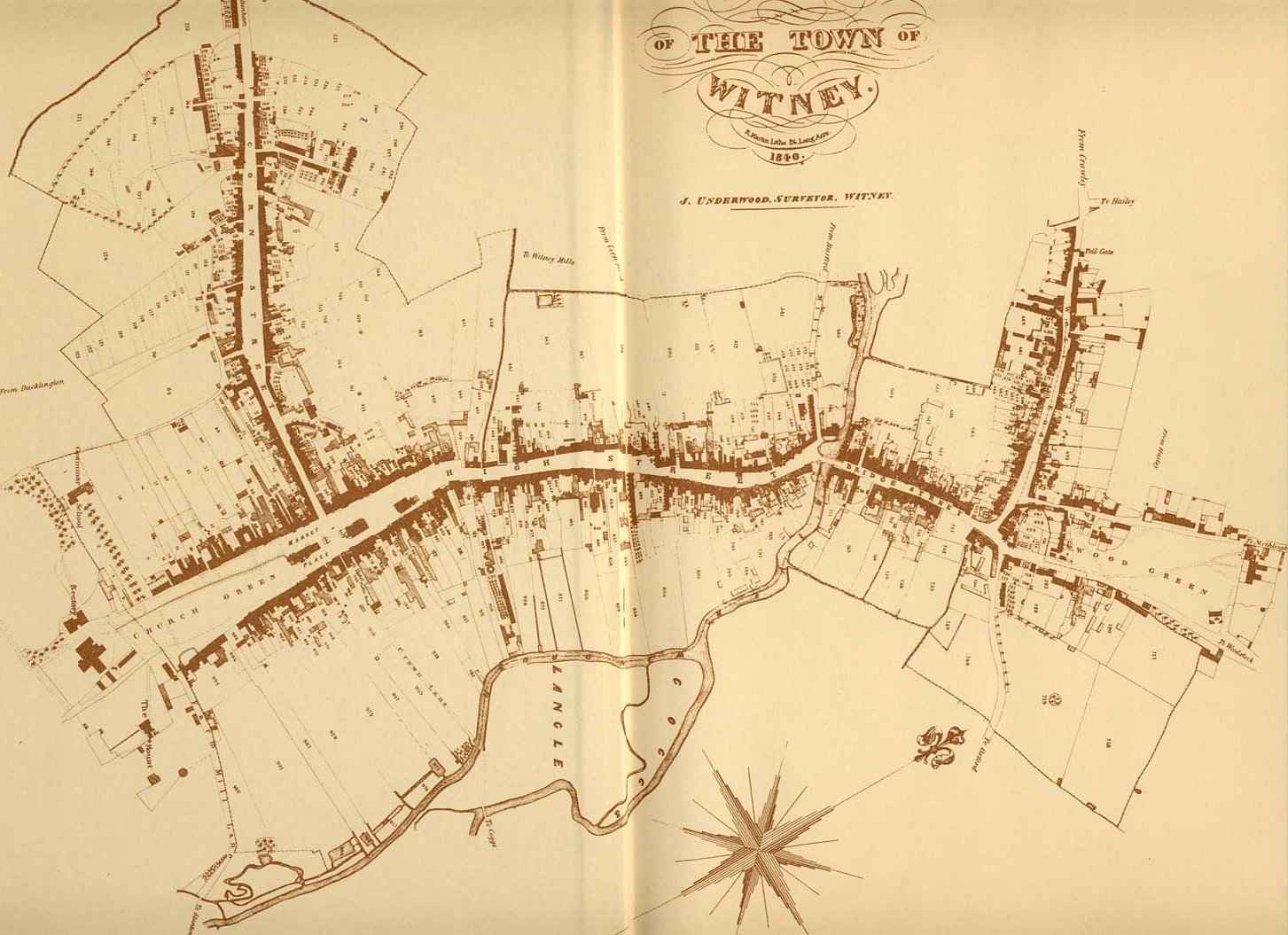
Exploring the role of desk-based assessments (DBA) in managing cultural heritage resource, providing a practical guide to their production, and guidance on their use to fulfil the requirements of the National Planning Policy Framework (NPPF).

Explore Roman Britain through the archaeology of Roman Oxfordshire. Over 10 weeks, examine conquest, identity, religion, landscapes, and daily life through lectures, seminars, museum visits, and field trips to major Roman sites.

Explore archaeology in Oxford on this flexible part-time course, designed for adults new to archaeology. Learn key ideas, approaches, sites and methods through seminars, workshops and field trips, gaining hands-on experience of ancient artefacts and historic landscapes.