

Study Landscape Archaeology in Oxford and explore how human activity has shaped environments over time. Gain hands-on fieldwork experience and analytical skills while investigating sites, landscapes and your own research interests.
Filter by:
Filters
Start month
Day of the week
Time of day
Study Landscape Archaeology in Oxford and explore how human activity has shaped environments over time. Gain hands-on fieldwork experience and analytical skills while investigating sites, landscapes and your own research interests.

Managing nature around historic buildings can be a challenge. But it also presents exciting opportunities for engagement and conservation. This course will introduce new research, policy trends and case studies for nature positive activity.

Can we re-frame heritage loss? This transdisciplinary course will explore how to manage transformative change in the historic environment to generate both ecological and cultural benefits. Join online or in-person to stay on top of emerging ideas.

Join legal and heritage experts for an intensive 1-day course. If you are responsible for the conservation or investigation of heritage assets, whether in the professional or voluntary sector, this course will help improve your knowledge of the law.
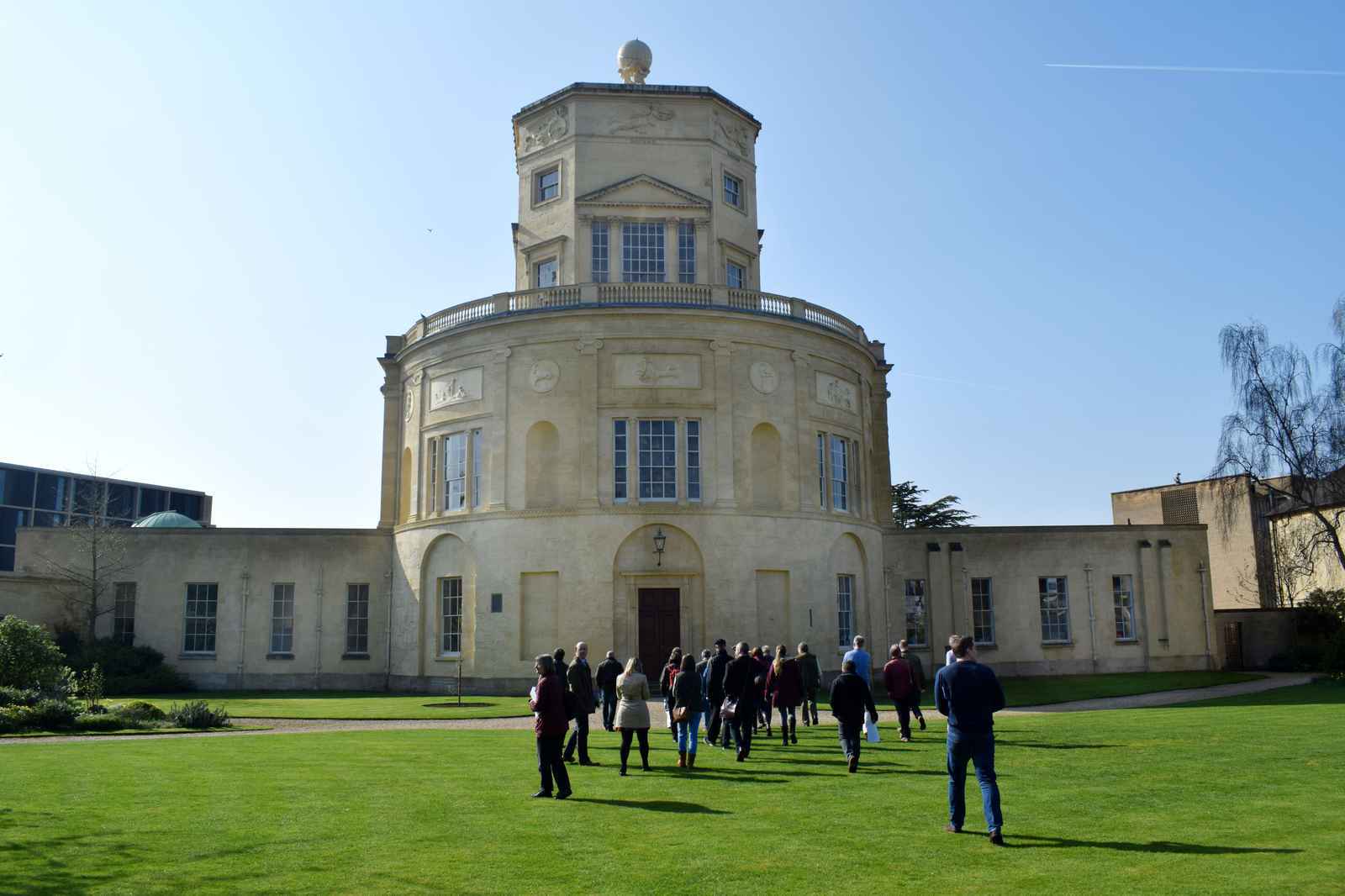
Increase your understanding of setting as it applies to heritage assets, along with its contribution to good design and the positive management of heritage assets. Aimed at UK-based historic environment practitioners and others in related disciplines.
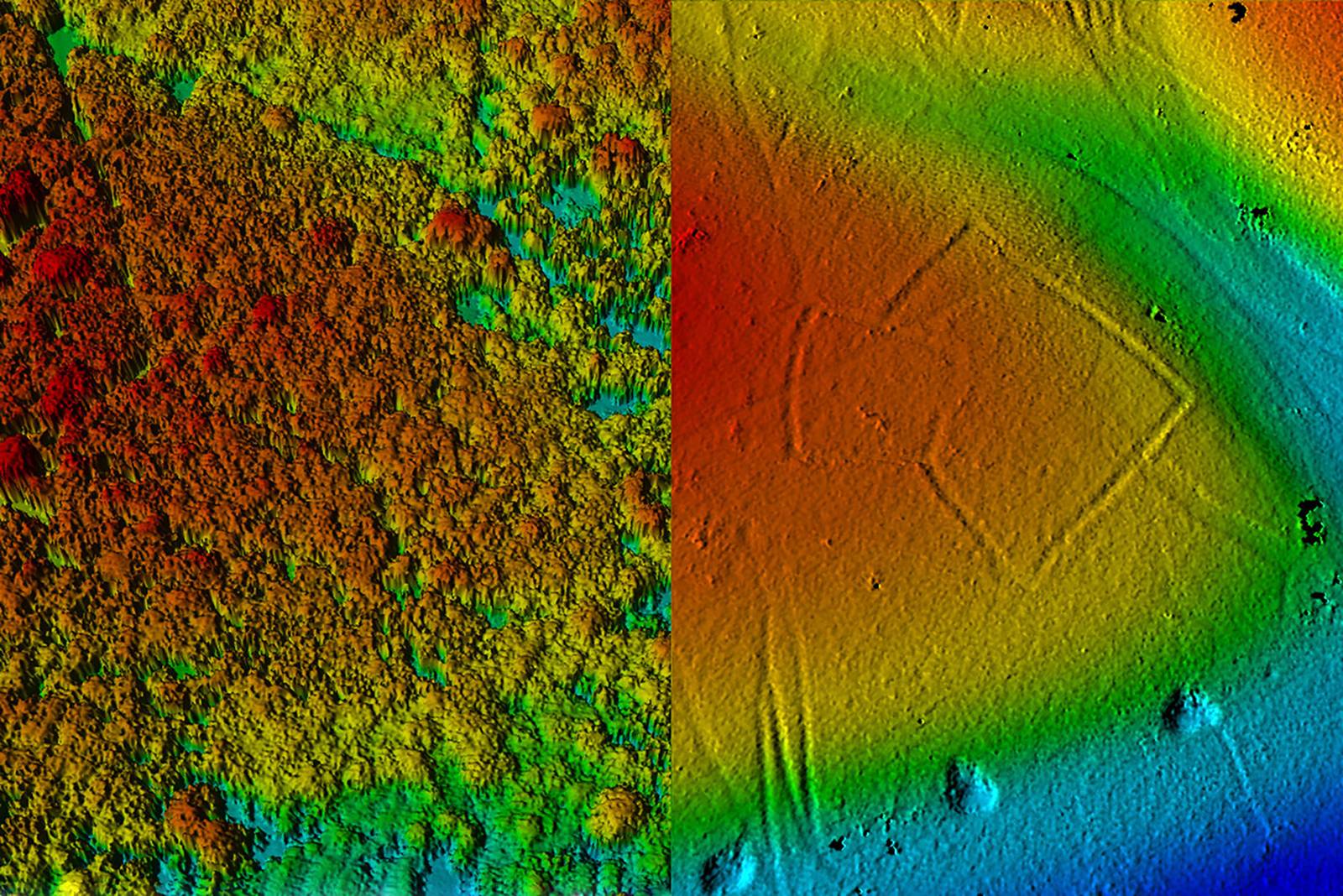
Elevate your professional skills with our one-day course. Unlock the potential of recent advances in lidar technology to better understand how you can apply it in your job. Learn how to use and present lidar data for different purposes.

Explore your passion. Expand your horizons. Create your own unique Oxford University programme with the part-time and flexible Undergraduate Certificate of Higher Education.

What are Greek myths? Who told them and why? How can we interpret them? Why are they still so powerful? How much history do they contain? This course will explore these fascinating tales from the past and attempt to make sense of them.
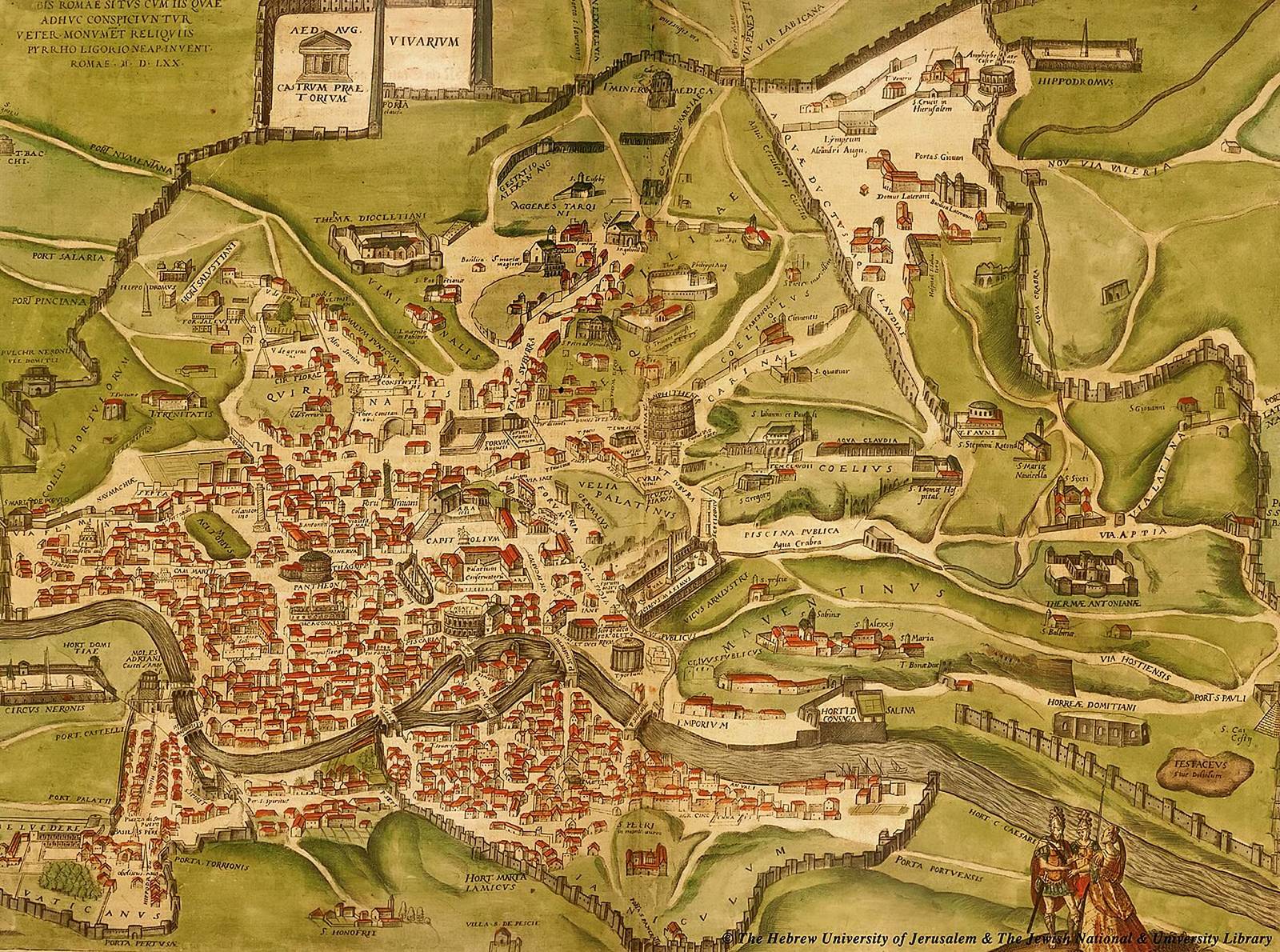
An introduction to various aspects of the intriguing history, vibrant culture and fascinating personalities of Ancient Rome and its enemies during its decline and fall (or transformation) in the last two centuries of the Empire in the West.
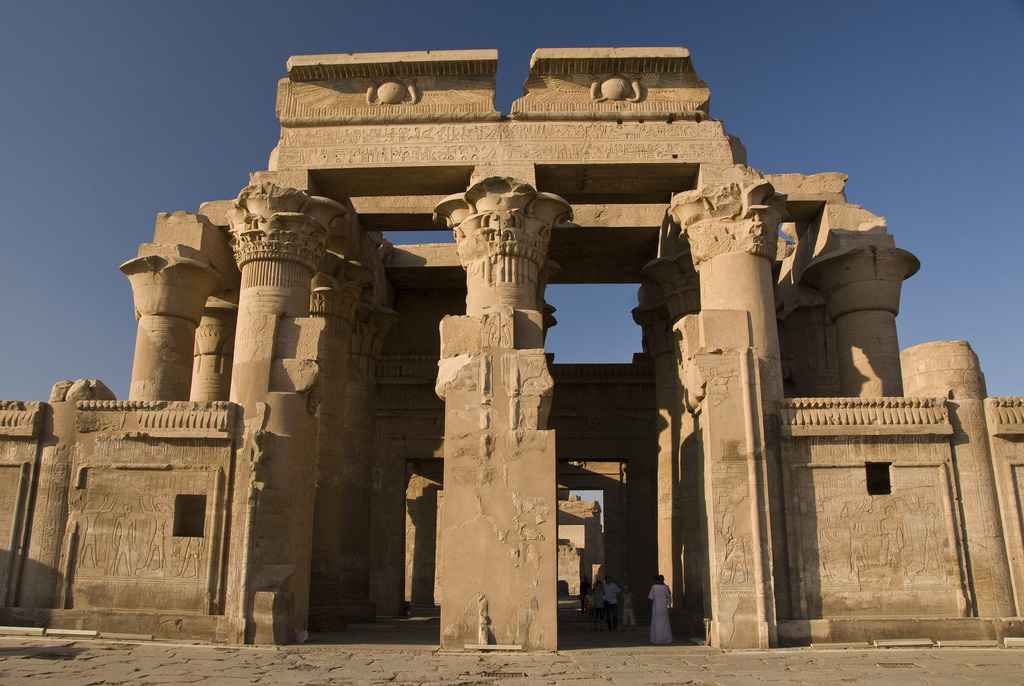
From royal pyramids, court artisans and powerful pharaohs, to grandiose temples, mysterious gods and foreign invasions, participants will experience the world of ancient Egypt, its highs and lows, and the rich tapestry of its culture.
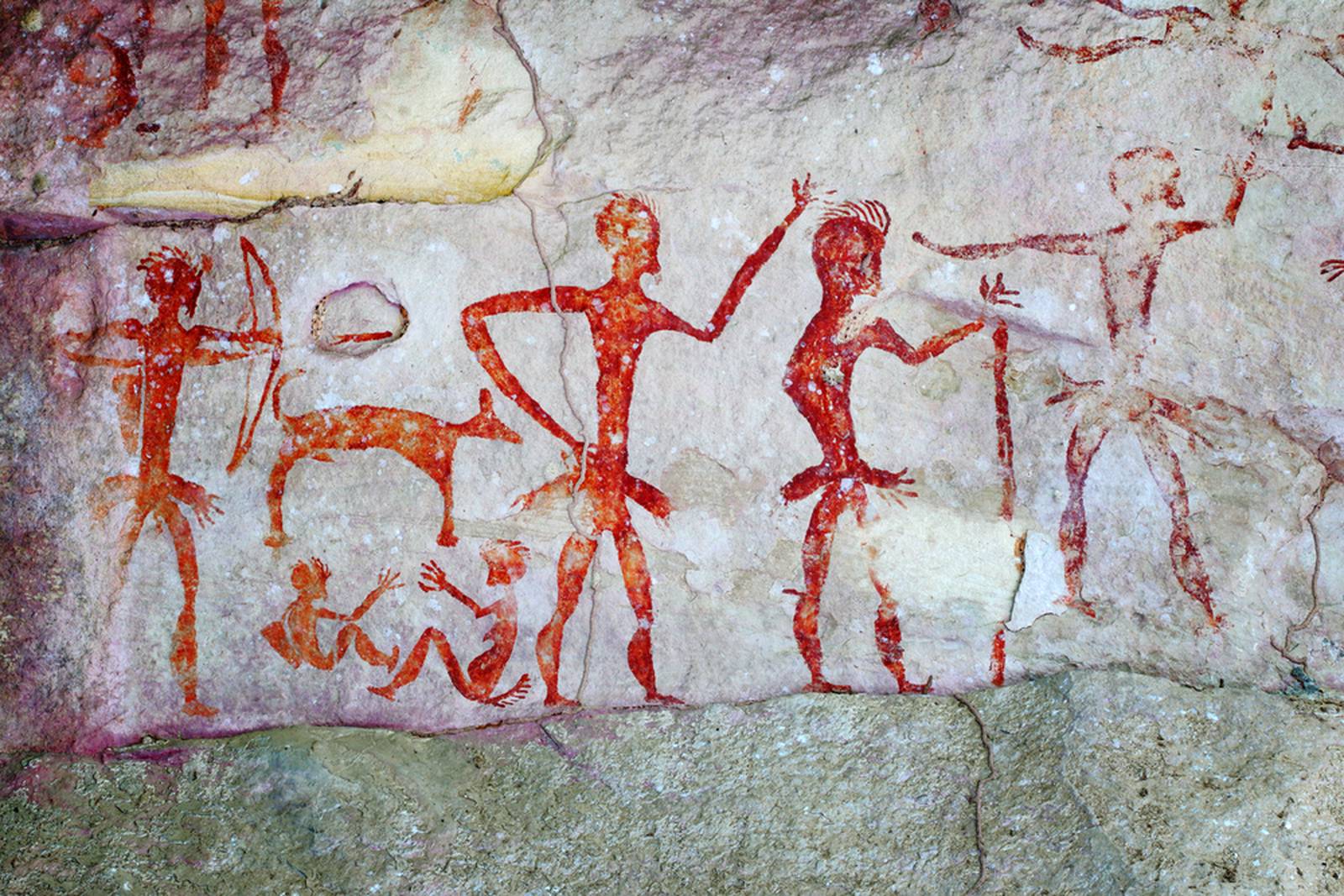
Social anthropology is the study of how humans give meaning to the world through different social norms, values, practices and means of organisation. This course provides an exciting and dynamic introduction to the world of social anthropology.

The Minoans and Mycenaeans left us with the intriguing Greek Bronze Age sites of Knossos, Mycenae, Pylos and Akrotiri. The excavation of these sites turned archaeologists into superstars, as stunning architecture, sculpture and weaponry were revealed.