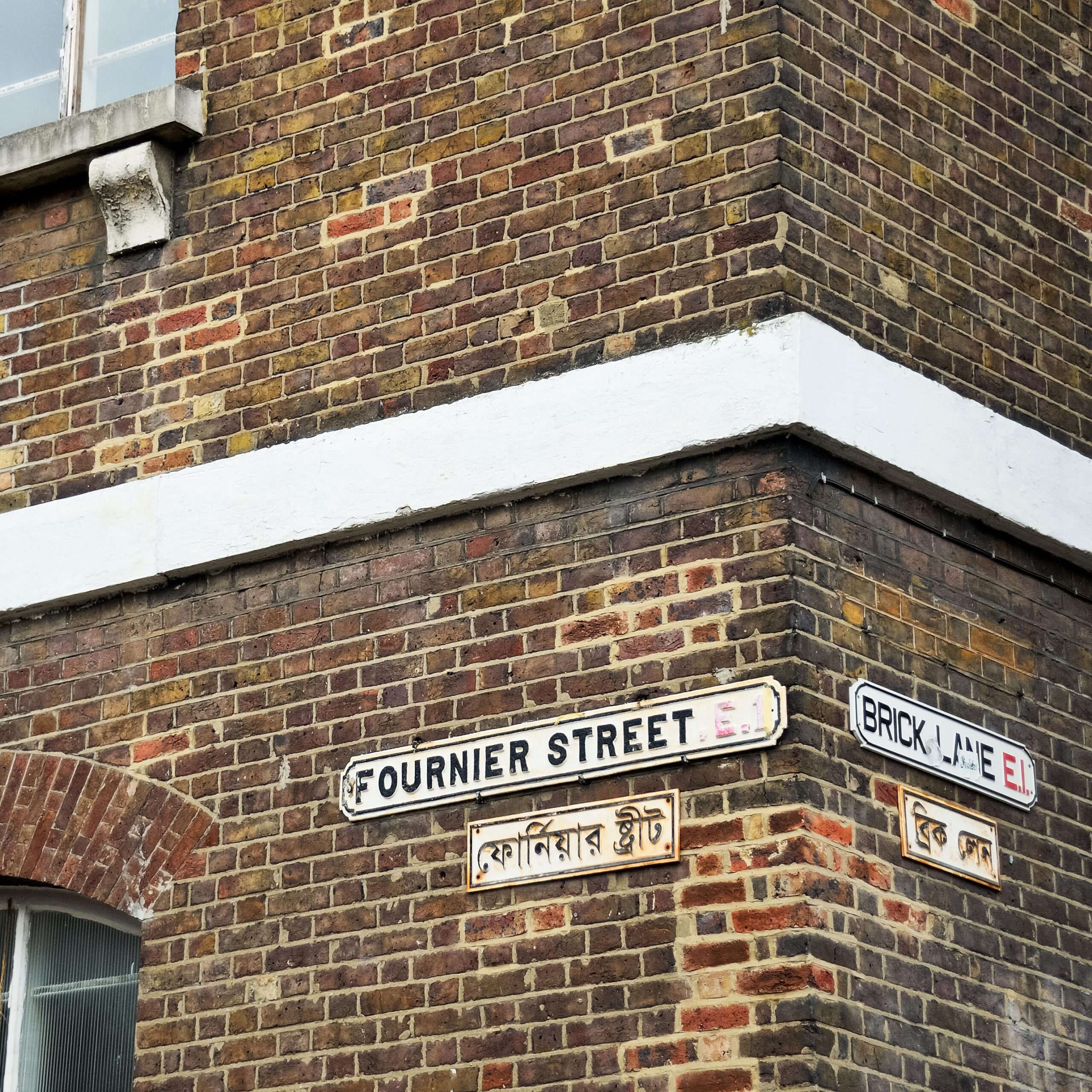
A modern, democratic, multicultural Britain developed throughout the twentieth century. This course will examine the key social, economic and political influences that have shaped modern Britain.
Filter by:
Filters
Start month
Day of the week
Time of day
A modern, democratic, multicultural Britain developed throughout the twentieth century. This course will examine the key social, economic and political influences that have shaped modern Britain.
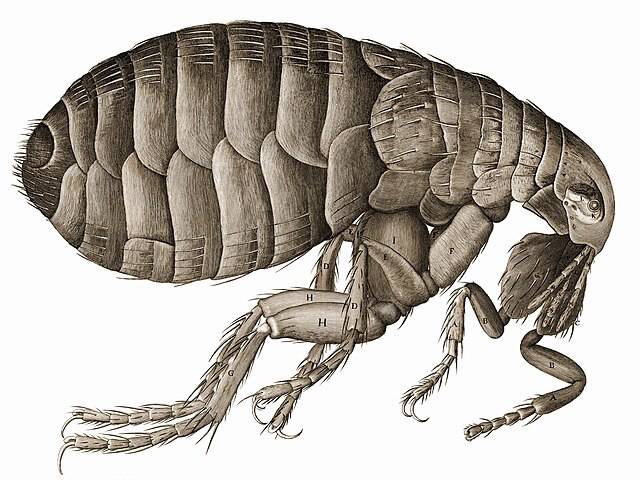
This course examines some of the most influential and important ideas and discoveries (and the people behind them) in the history of science between the years 1400-1700, finishing with a visit to Oxford’s History of Science Museum.
Social media is full of criticism of politicians and military leaders, but that is nothing new. The same thing happened during the British Civil Wars - it just took a bit longer to get things published. What was the X, Facebook, and tabloid of the 1640s?
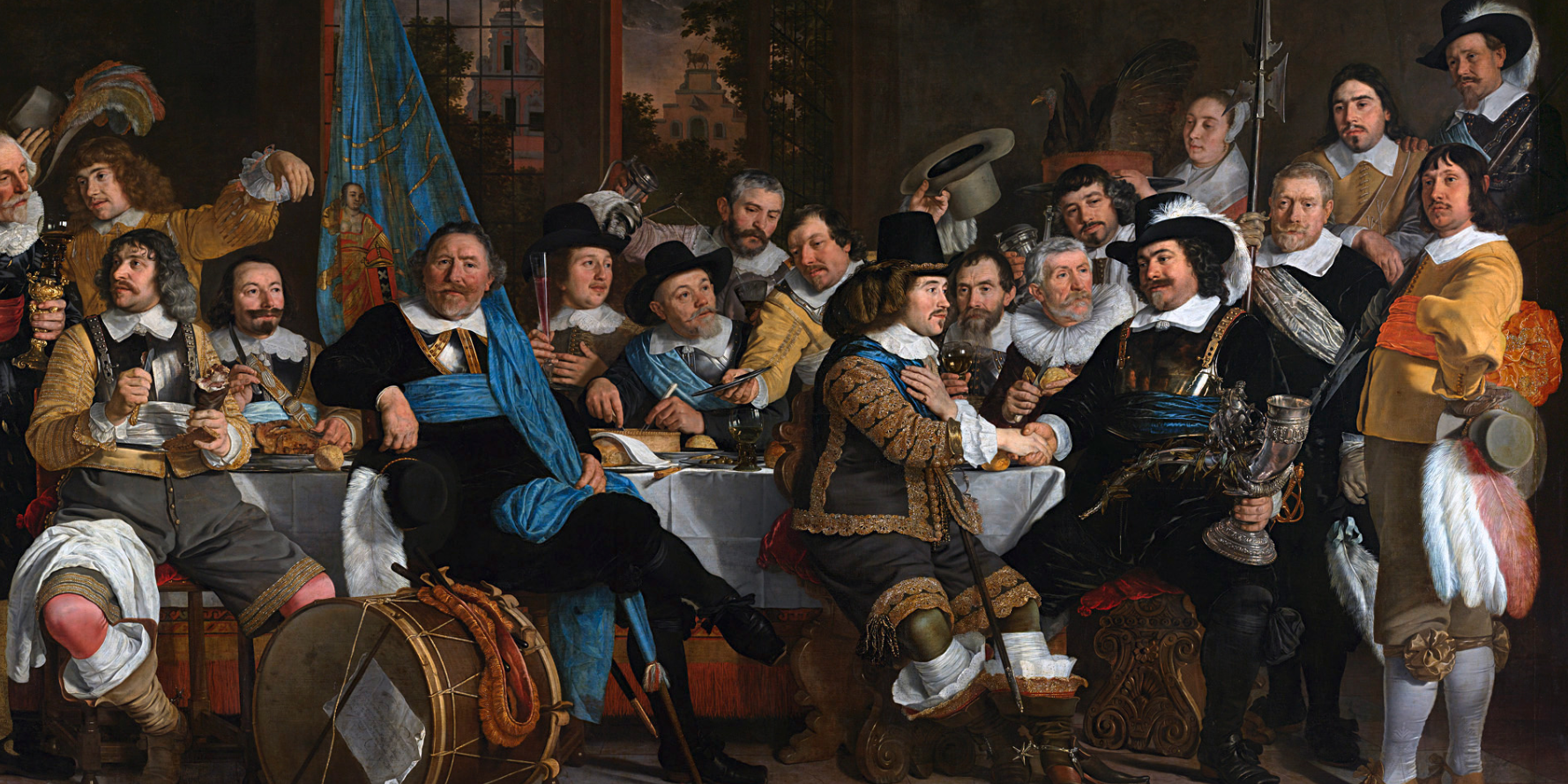
Equivalent to first-year postgraduate study, this course develops your historical knowledge and research skills across British and Western European history. It is a standalone qualification and offers direct progression to the MSt in Historical Studies.
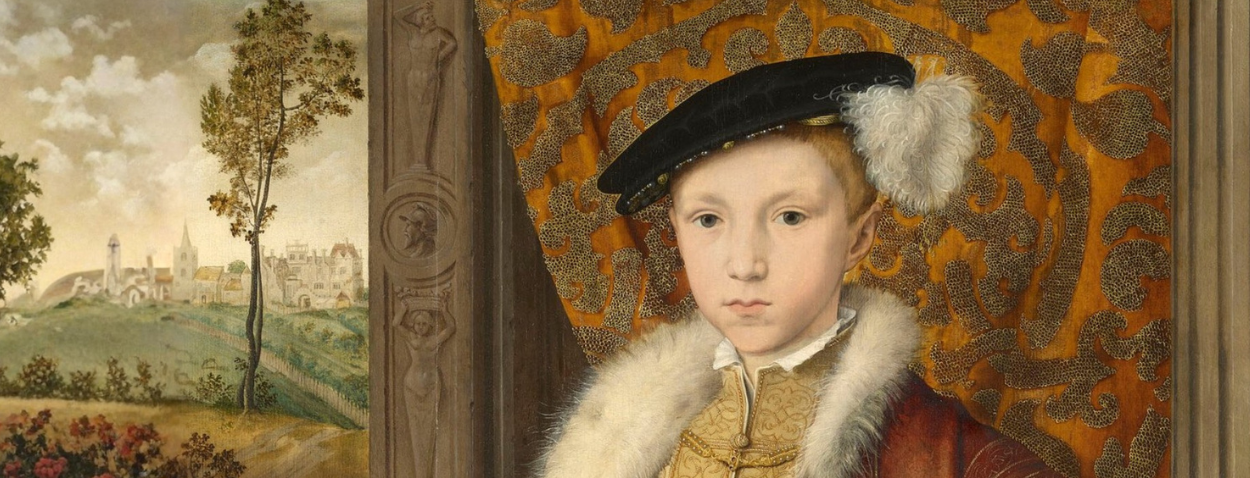
Equivalent to the first year of a full-time undergraduate history degree at Oxford University, this two-year part-time course introduces key historical periods and builds a strong foundation for further study.

This course examines the rise and fall of the British Empire and its manifold legacies in Britain and beyond.
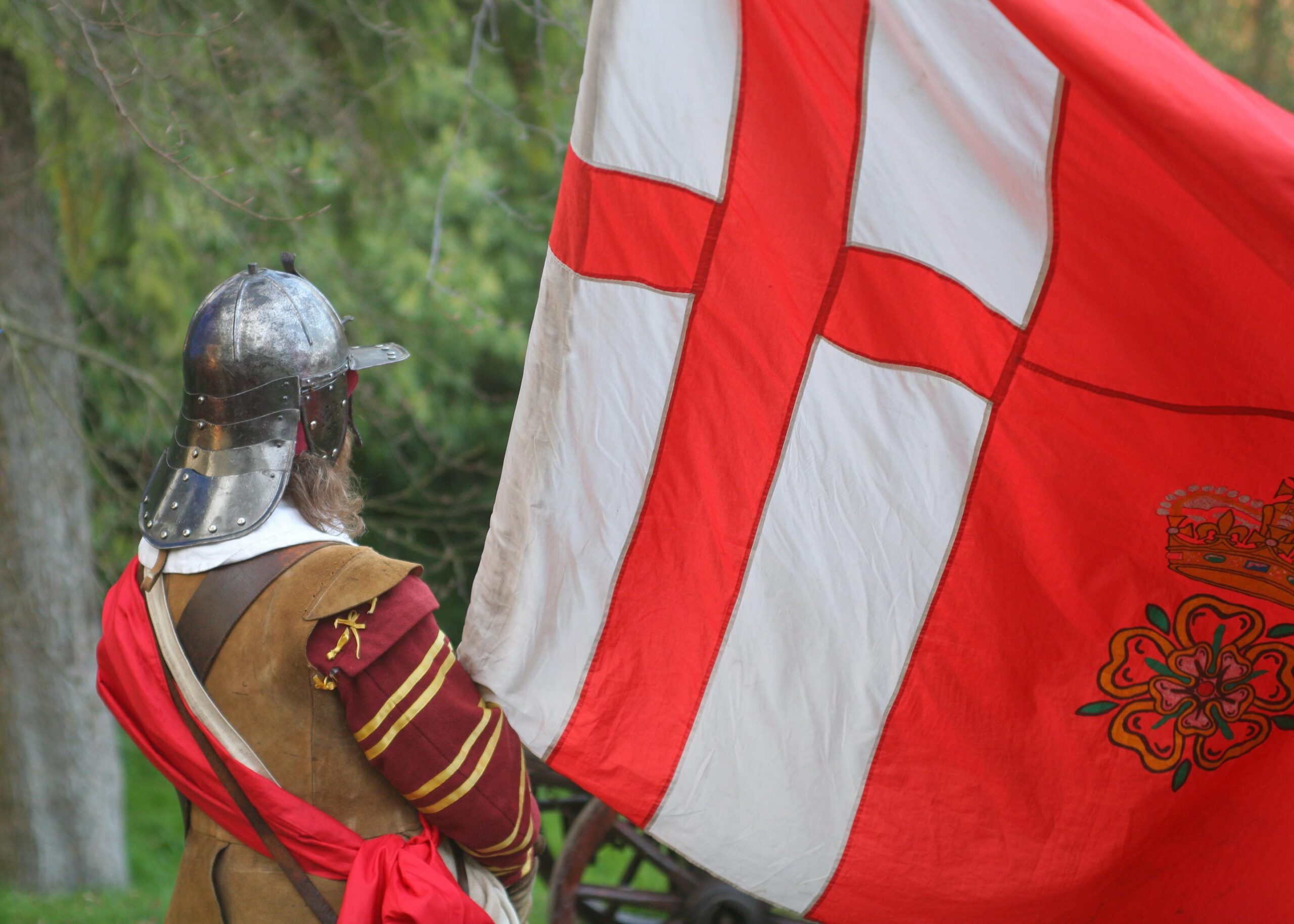
The civil wars that swept across the British Isles in the 17th century left few lives untouched. This course will explore the causes, conduct and significance of the English civil wars.
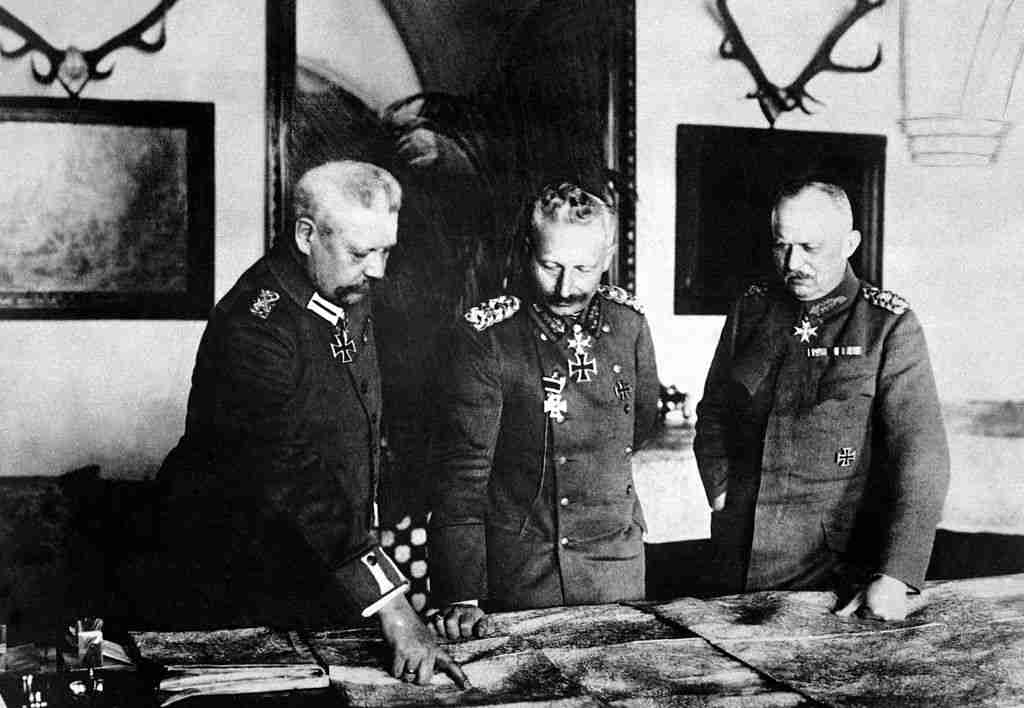
The First World War was a cataclysmic event. This course examines international relations before 1914, the countries which fought the war, how it started, the expectations of the participants, and assesses the war's historical significance,
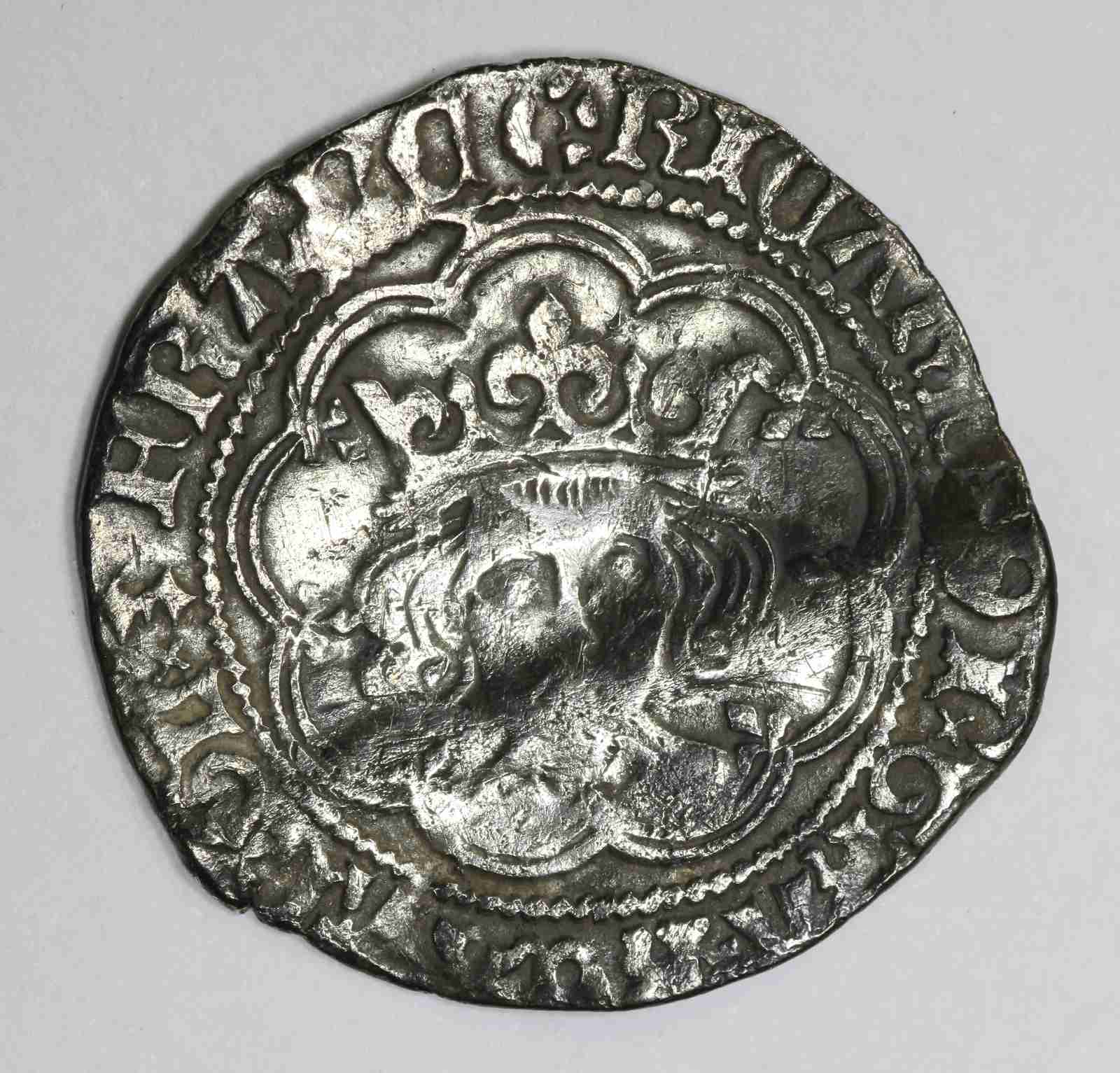
The recent discovery of Richard III's remains in Leicester highlights the dynamic new research being conducted into the period known as the Wars of the Roses. This course asks students to engage with the latest work on this exciting and tumultuous period.
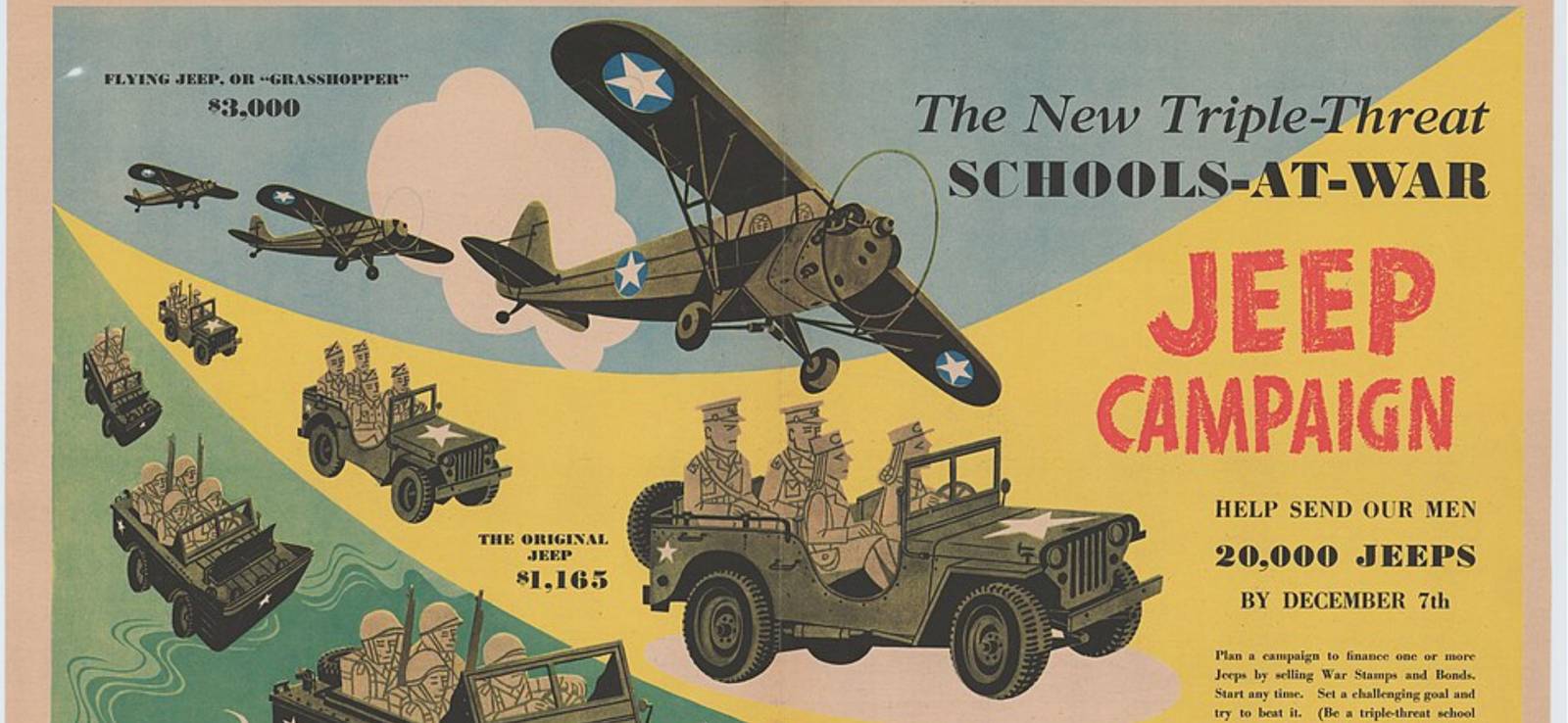
Propaganda shaped history throughout the world in the twentieth century. We will explore its roots in mass politics, literacy and media, its consequences for democratic and totalitarian politics and culture, and its challenge to the very idea of truth.
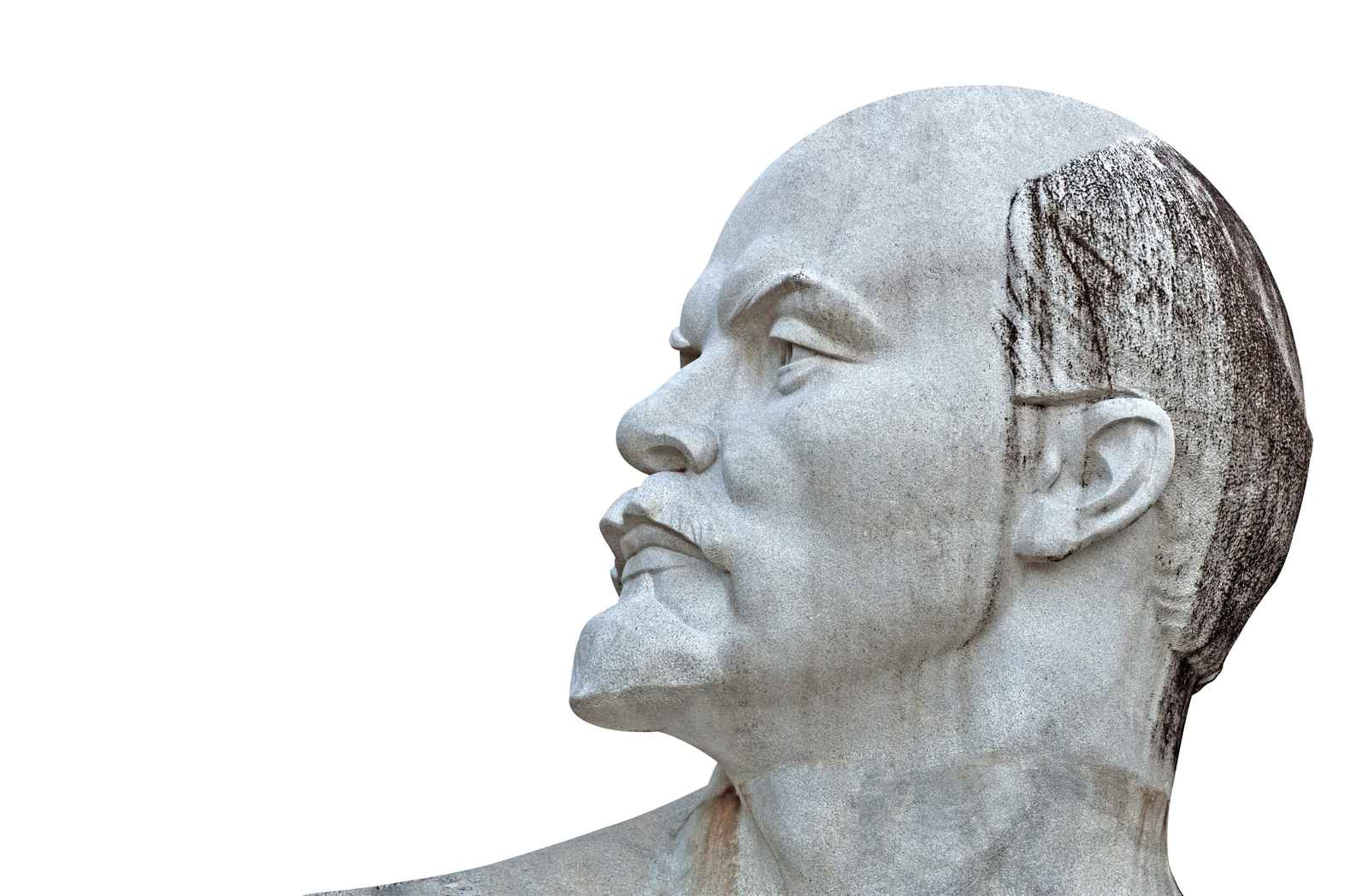
This course analyses why the inter-war years were a period of such political extremism. It will investigate the distinctive features of Soviet Communist ideology and the impact of Lenin and Stalin on the USSR.

In addition to tracing the evolution of the modern state and political ideas and ideologies, this course focuses on issues that confront people from all parts of the world on a day-to-day basis.