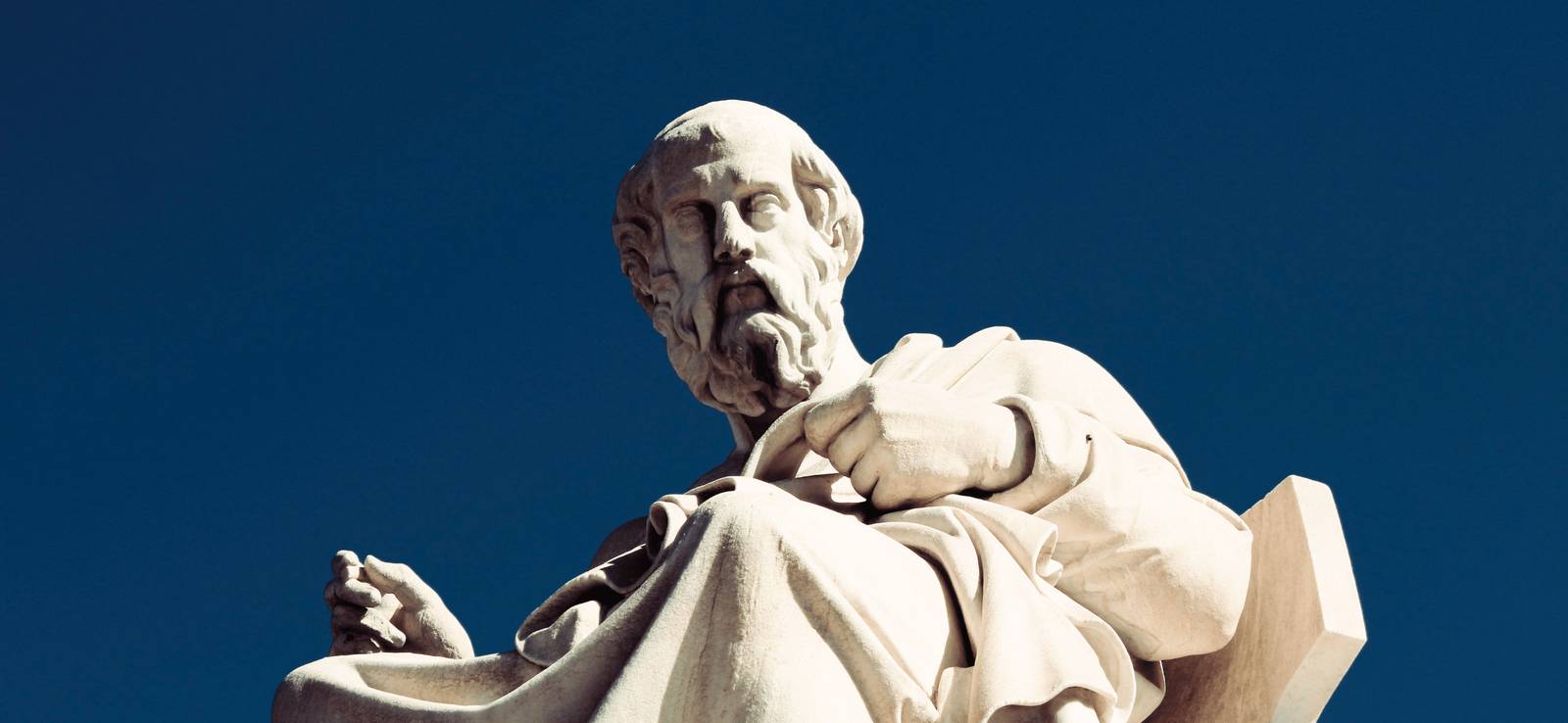
What are virtues, and how can we live a virtuous life? Explore the cardinal virtues, ancient approaches to virtues, and how we ourselves can cultivate them.
Filter by:
Filters
Start month
Day of the week
Time of day
What are virtues, and how can we live a virtuous life? Explore the cardinal virtues, ancient approaches to virtues, and how we ourselves can cultivate them.
Artificial Intelligence is everywhere now, reshaping how we live, think, and decide. Study the philosophy, possibilities and risks of AI, whilst asking a fundamental question: what does it mean to be human in an increasingly artificial world?
Examine the relationship between mind and body, considering theories such as Descartes' dualism, panpsychism and behaviourism.
Karl Marx may have done more to shape the modern world and our ideas about it than any other thinker. We’ll look at key ideas: communism, class conflict, commodification, and suspicion, whilst studying his predictions.
Issues of great moral concern have prevailed throughout human history. In this course, we will examine some of the key moral issues in contemporary society including animals, euthanasia, freedom of speech and capital punishment.
Phenomenology explores first-person experience—mineness, subjectivity, embodiment, and being-in-the-world—and examines how experience is structured, how selfhood emerges, and how self and world are intertwined.
The course explores how AI is shaping mental health, focussing on how people use AI to access information and seek support for their mental health, how AI is used in prevention, intervention and treatment, as well as the ethical, inclusive and equitable.
This course introduces the Bible, its text, canon, and theology. It provides a foundation for analysing the Old and New Testaments, exploring their content, context, and themes, and developing tools for interpretation and relevance to Christianity.

The Bachelor of Theology builds on the introductory knowledge and skills acquired in the Certificate. You will develop a broad knowledge and understanding of the beliefs, practices, texts and history of the Christian tradition.
The Certificate in Theological Studies will introduce you to the study of theology as a subject discipline, bringing together cognate strands of theology, especially biblical studies, historical and systematic theology, and practical theology.
The Diploma in Theological Studies builds on the introductory level knowledge and skills acquired in the Certificate. You will develop a broader knowledge and understanding of the beliefs, practices, texts and history of the Christian tradition.
Explore your passion. Expand your horizons. Create your own unique Oxford University programme with the part-time and flexible Undergraduate Certificate of Higher Education.