
The theory of knowledge is one of the most central areas of philosophy. During this online course, students will cover key issues in epistemology while also learning to think independently and develop answers to the core questions in this area.
Filter by:
Filters
Start month
Day of the week
Time of day
The theory of knowledge is one of the most central areas of philosophy. During this online course, students will cover key issues in epistemology while also learning to think independently and develop answers to the core questions in this area.
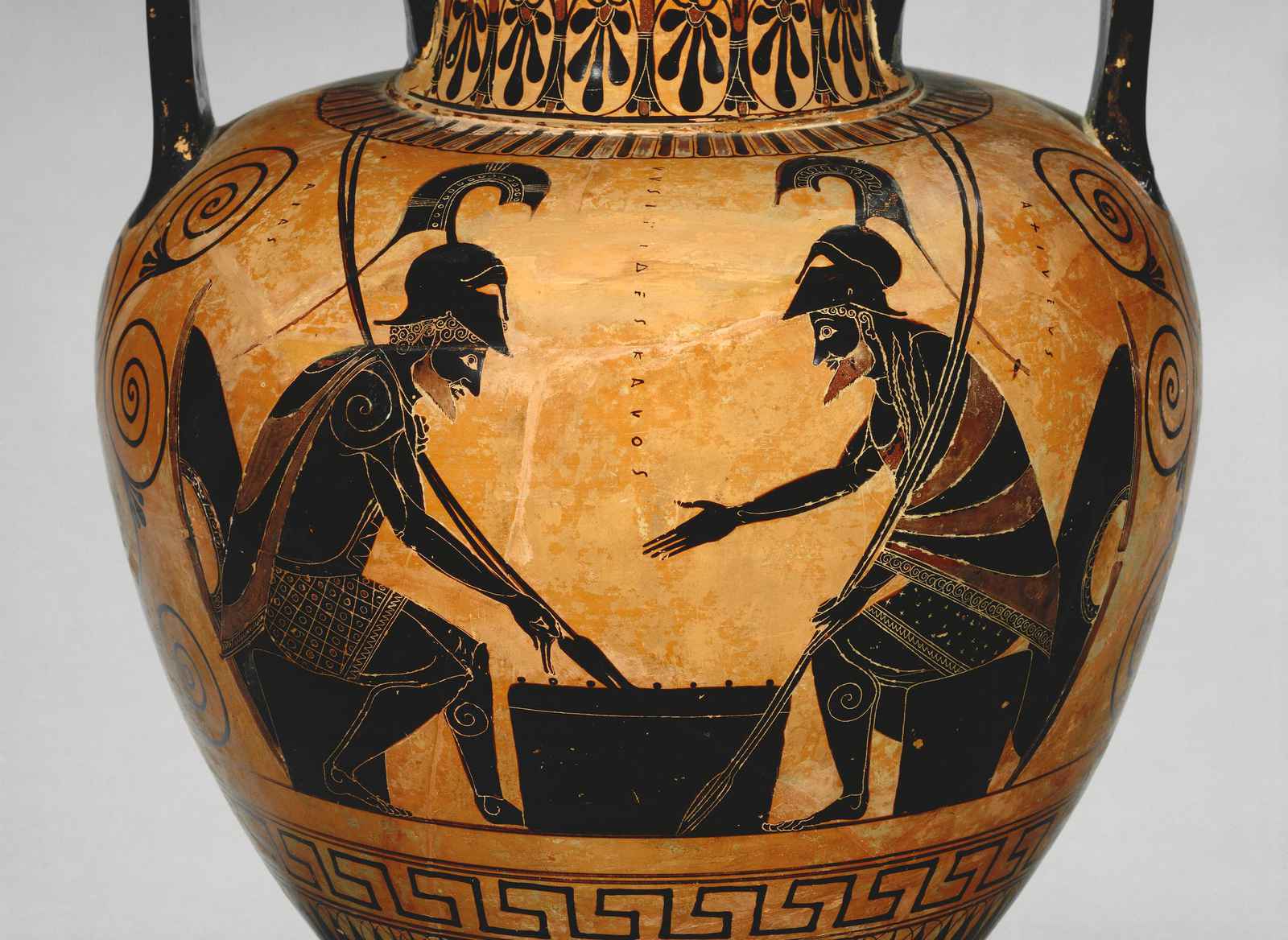
Why engage with an approach to ethics that is 2,300 years old? Because ethics without Aristotle is inconceivable, and his insights into what is good for humans remain invaluable. Join in to explore and discuss the 'Nicomachean Ethics'.

In this introduction to ethics, we shall examine four important ethical theories, applying them to two practical questions: the rights of animals and euthanasia. There will be plenty of opportunity to engage in debate and test your own thinking.

Political philosophy contains some of the greatest writings in the Western intellectual tradition. This online course introduces you to the central questions concerning the state, by means of classical and contemporary texts.

Introduction to the content of the Old Testament/Hebrew Bible and the New Testament, together with their religious and socio-political backgrounds, languages and main theological themes and interpretations.

Reasoning enables us to acquire knowledge, to persuade others and to evaluate their arguments. But only if we reason well. We shall be learning how to recognise, evaluate, construct and analyse arguments, and how to recognise common fallacies.

An introduction to metaphysics, the most general investigation of reality. It has been at the centre of philosophy since the beginning of the Western tradition in ancient Greece, and many of its concerns are the same as those of Plato and Aristotle.

How can we begin to understand the spiritual lives of prehistoric people? When do religious ideologies first appear on the human evolutionary timescale? Using both anthropology and archaeological evidence these and many other questions are examined.
Do you think reproductive cloning is morally permissible? Do you check food labels to exclude buying any with GM ingredients? If so, you will be interested in this ten week online course for the thinking lay person.

This course introduces key issues in the philosophy of science, including debates about the nature of the scientific method, theories of confirmation, the demarcation of science from non-science, the rationality of theory change, and scientific realism.
Artificial intelligence is everywhere we look. But what do we mean by 'intelligent'? Do machines 'think'? Does AI have the potential of becoming self-aware or conscious? Do we need to fear the singularity? Can we align AI with our human values and ethics?
An interdisciplinary course providing a three-way bridge between, respectively, conceptual challenges, advances in the cognitive sciences and neurosciences, and innovations in policy and practice in mental health.