
This module is aimed at all health care professionals who already have some knowledge of critical appraisal and experience in the practice of evidence-based health care.
Filter by:
Filters
Start month
Day of the week
Time of day
This module is aimed at all health care professionals who already have some knowledge of critical appraisal and experience in the practice of evidence-based health care.
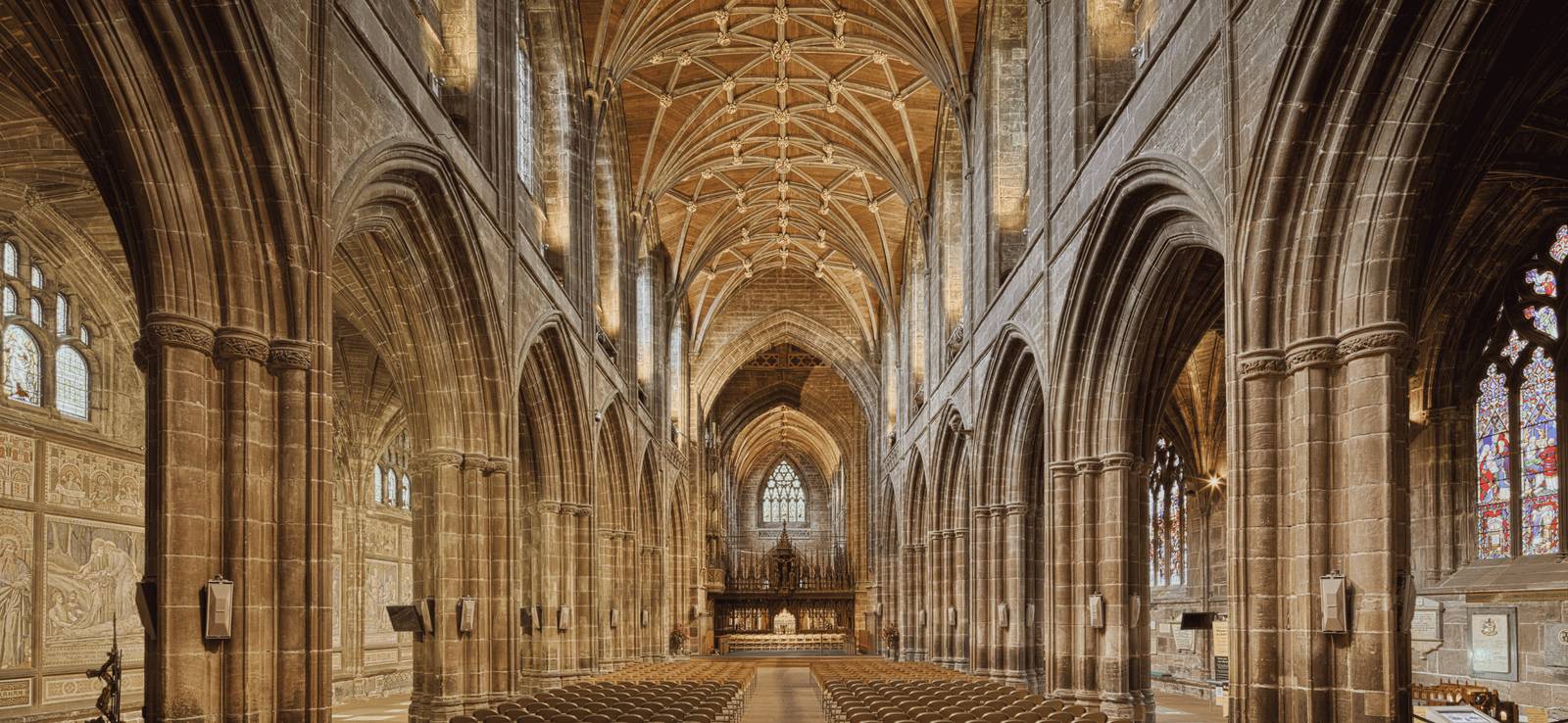
This course will explore the English medieval cathedral as a developing institution which survived over a thousand years of religious upheaval and historical change, focusing on the multifaceted architecture of a range of truly great churches.
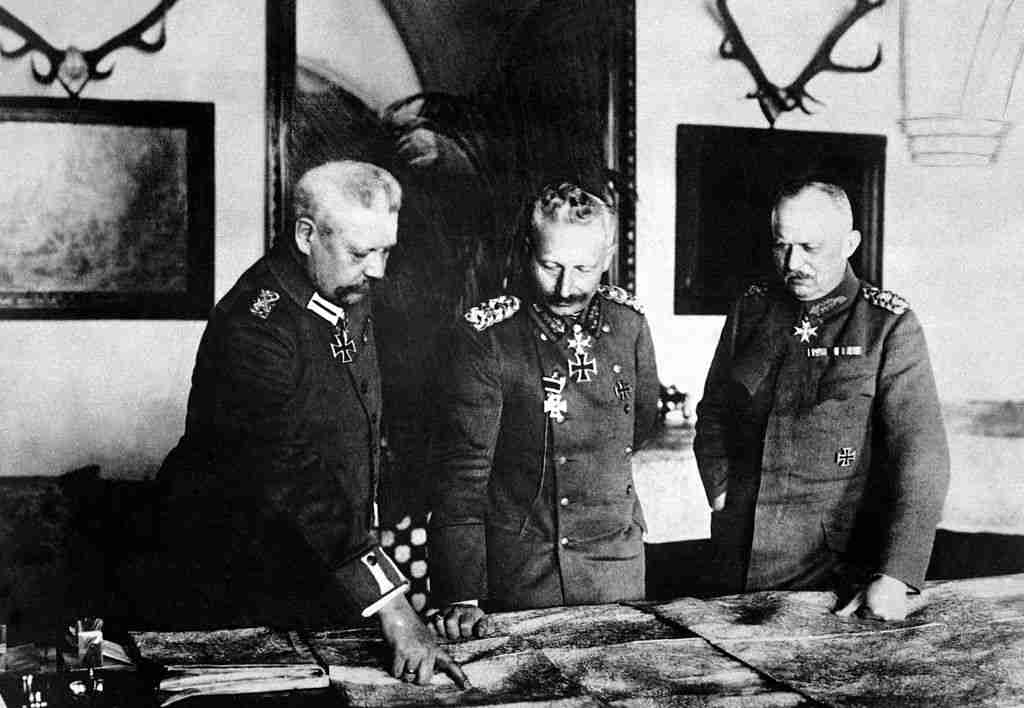
The First World War was a cataclysmic event. This course examines international relations before 1914, the countries which fought the war, how it started, the expectations of the participants, and assesses the war's historical significance,

'Magic' was a wide-ranging concept that affected many aspects of medieval society. This course will consider the actual and perceived practices of magic in the medieval period and their consequences.
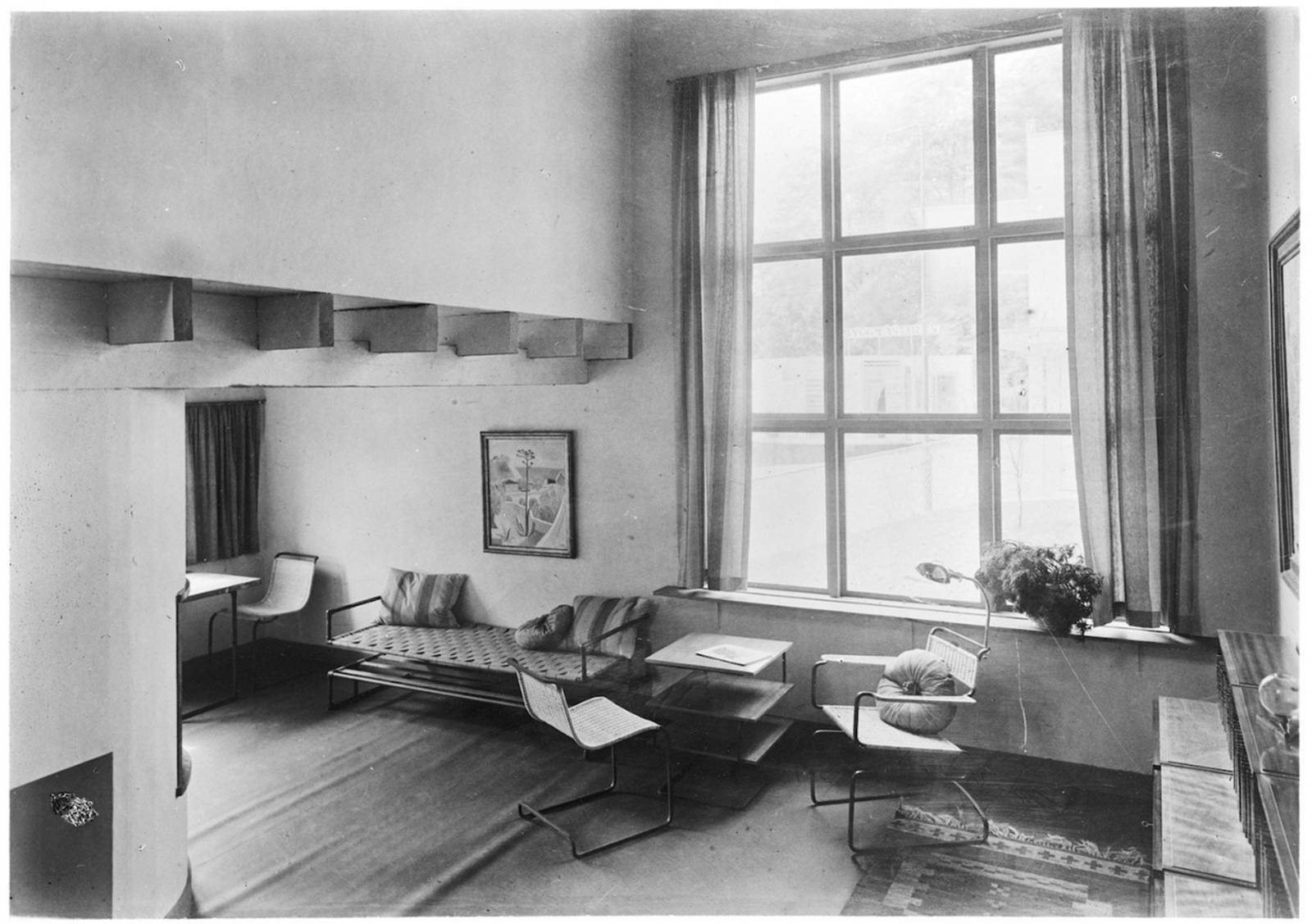
Explore Scandinavian modernism through domestic architecture, examining how Nordic designers like Alvar Aalto and Arne Jacobsen shaped modern domestic life through light, comfort, materials, human scale, welfare ideals, and everyday routines.
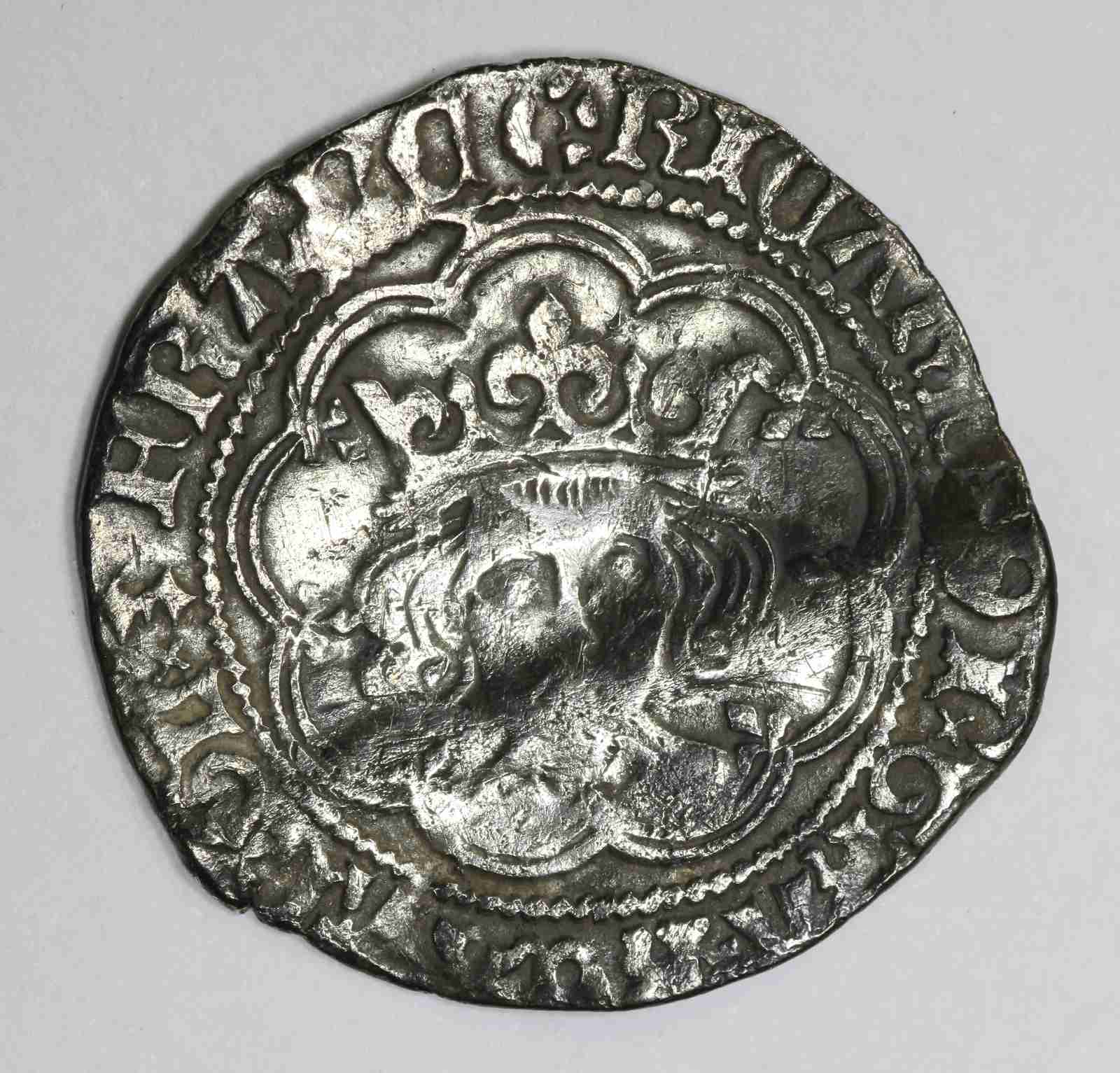
The recent discovery of Richard III's remains in Leicester highlights the dynamic new research being conducted into the period known as the Wars of the Roses. This course asks students to engage with the latest work on this exciting and tumultuous period.

The theory of knowledge is one of the most central areas of philosophy. During this online course, students will cover key issues in epistemology while also learning to think independently and develop answers to the core questions in this area.

In World Archaeology we explore the emergence of past societies in multiple regions of the Earth. Some are mysterious and lost in the mists of time, while others underpin cultures that exist in our world today.

We gradually move from reading simplified texts to analysing original passages from some of the greatest ancient Greek authors, tackling challenging grammatical and syntactical structures whilst learning about ancient Greek thought and culture.
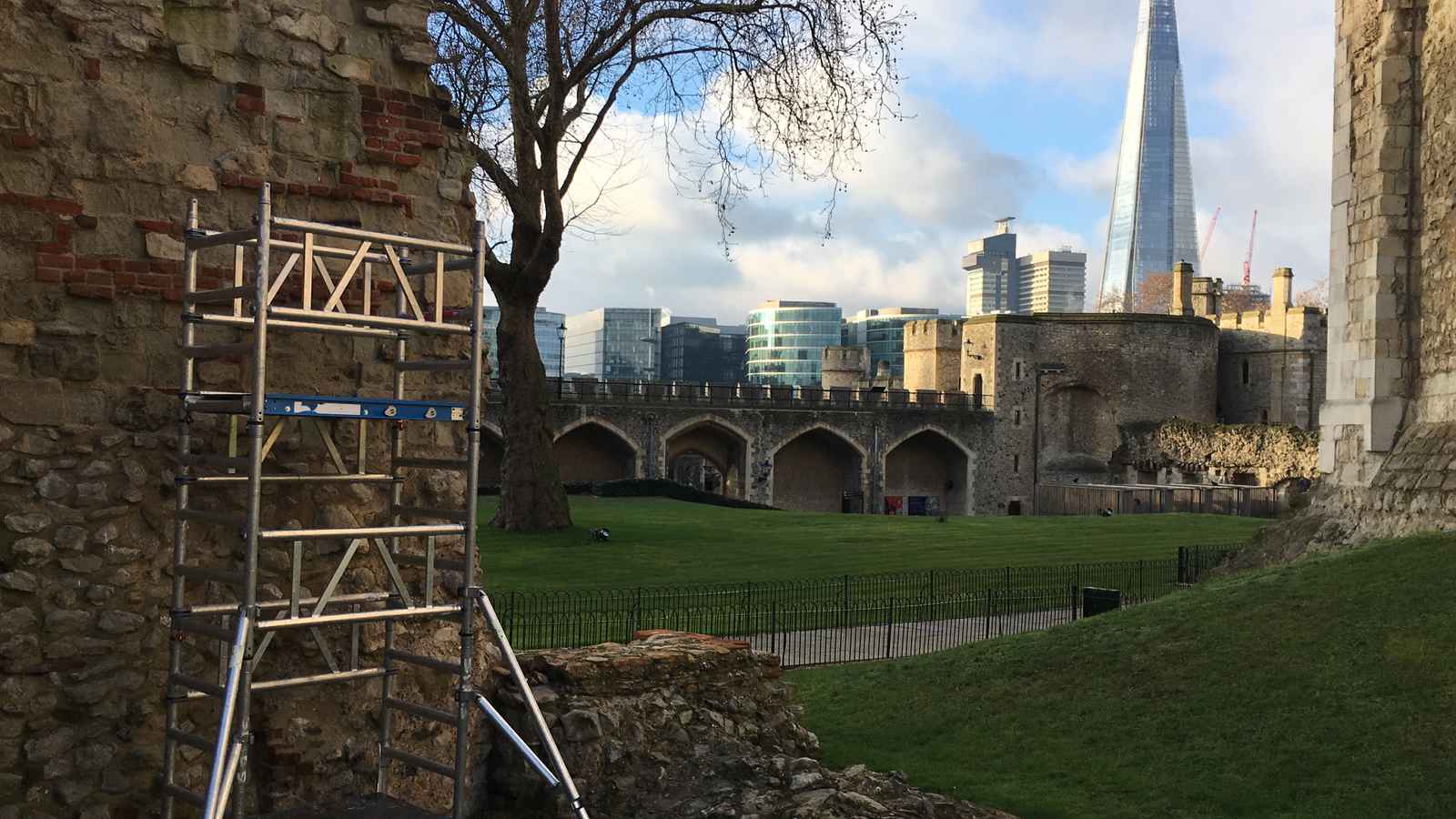
Approaches to managing old buildings change across time and between cultures. This course will give historical and global context to architectural conservation practice, and help students broaden their perspective on change in the historic environment.

The tools of calculus are used to understand the universe making it essential for all mathematical modelling. This course introduces the idea of multi-variable functions through partial differentiation and PDEs. Follows from OUDCE's 'Beginning Calculus'.
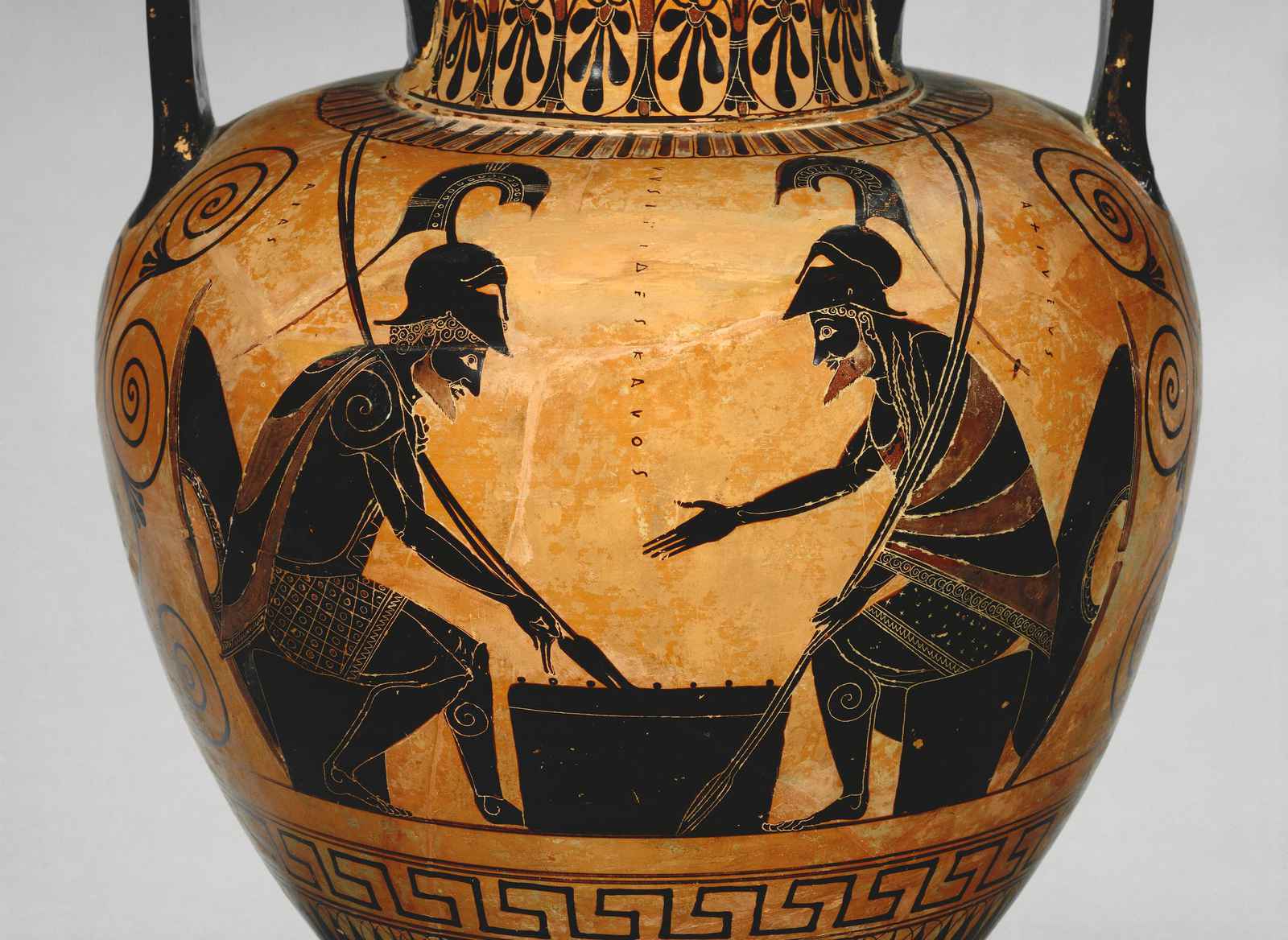
Why engage with an approach to ethics that is 2,300 years old? Because ethics without Aristotle is inconceivable, and his insights into what is good for humans remain invaluable. Join in to explore and discuss the 'Nicomachean Ethics'.