
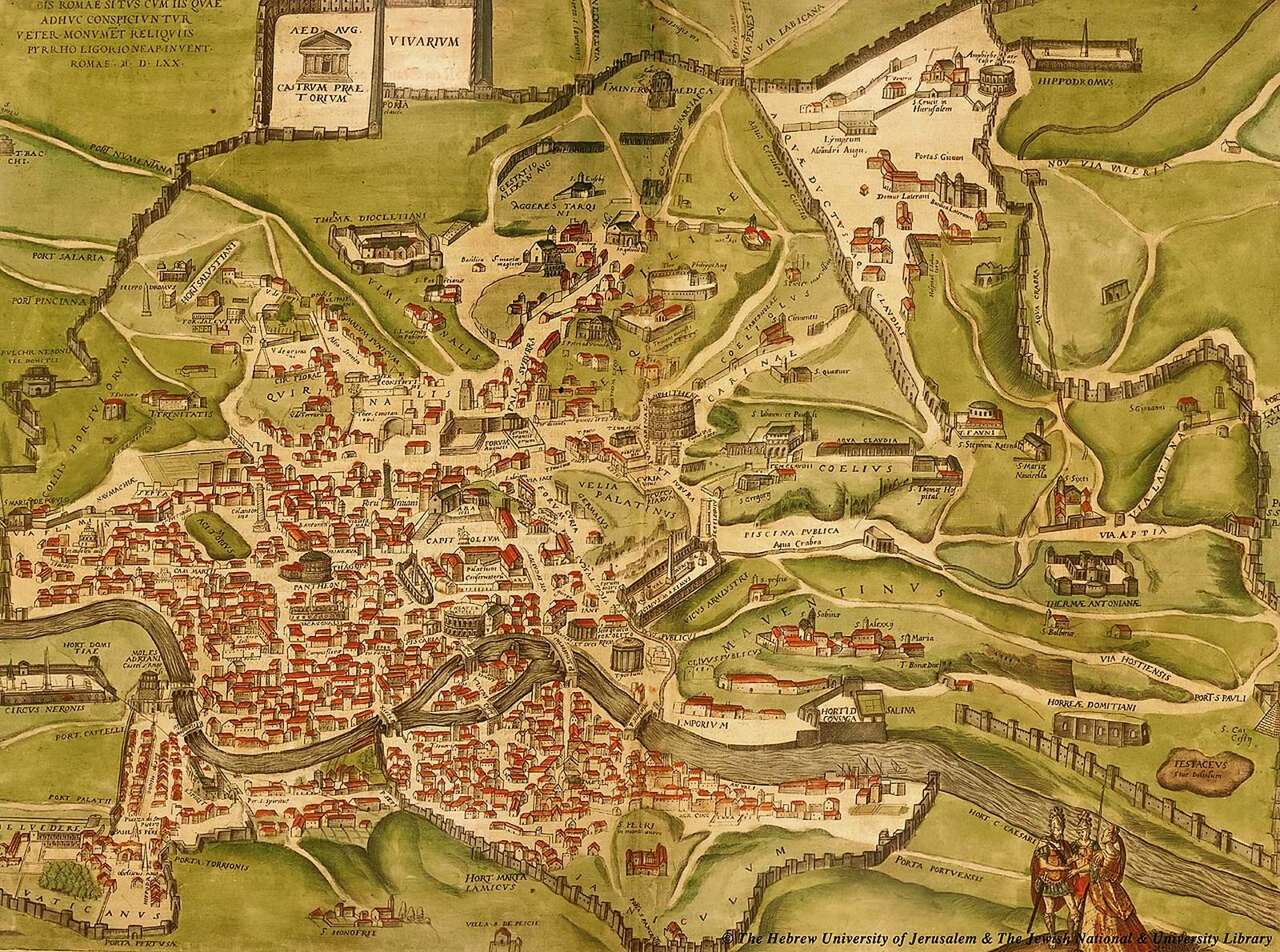
An introduction to various aspects of the intriguing history, vibrant culture and fascinating personalities of Ancient Rome and its enemies during its decline and fall (or transformation) in the last two centuries of the Empire in the West.
Filter by:
Filters
Start month
Day of the week
Time of day
An introduction to various aspects of the intriguing history, vibrant culture and fascinating personalities of Ancient Rome and its enemies during its decline and fall (or transformation) in the last two centuries of the Empire in the West.

This course seeks to explain why and how the First World War was fought, and to understand why its legacy remains relevant more than a century after it ended.
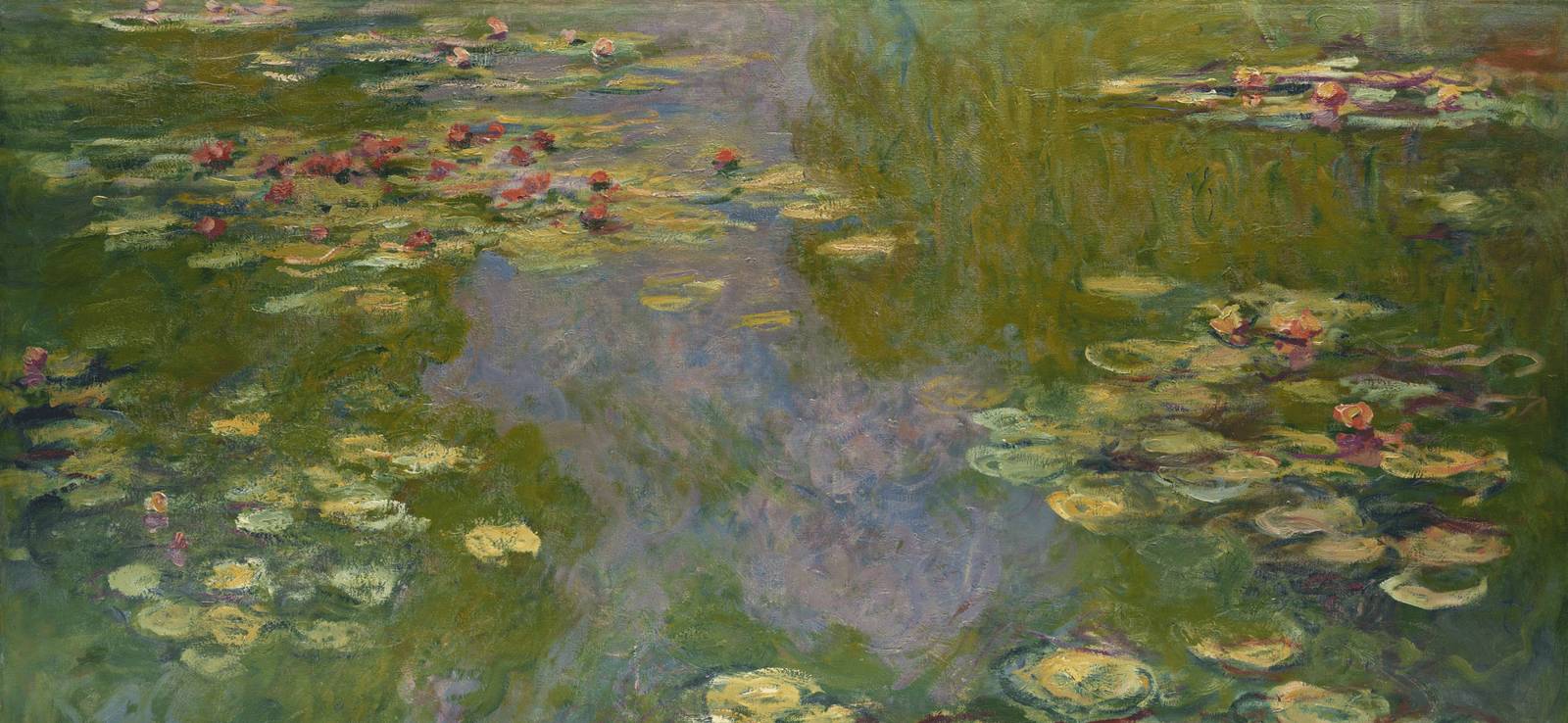
Explore Impressionism and modern life in nineteenth-century France through the work of Monet, Manet, Degas and their contemporaries. This course examines Impressionist techniques, women Impressionists, critical responses to the exhibitions, and the moveme

In this course we shall study five key novels of the twentieth century - by Fitzgerald, Faulkner, Silko, Morrison and Roth.

Part-time over five weeks, this tutor-led training course can be taken from anywhere in the world. It will appeal to students and practitioners who want to improve their ability to conduct bird surveys.

A 10-week, tutor-led data analysis course taken entirely online. The course introduces students to the use of QED Statistics and R software.

Part-time over five weeks, this tutor-led training course can be taken from anywhere in the world. It will appeal to students and practitioners who want to improve their ability to conduct fish and amphibian surveys.

Every day we meet people with interesting life stories. Our lives are made up of tragic, uplifting and humorous experiences which shape us as individuals. We love, fight, apologise, account for and endure through whatever comes our way.

Why do animals behave the way they do? In this course we will look at the full range of behaviours found in the animal kingdom, from simple escape behaviours to complex tool use and their evolution.

Aimed at a general audience, including professionals and those with no prior knowledge, this course provides an essential introduction to the key topics underpinning Artificial Intelligence.

This course is for anyone who would like to learn to read beneath the surface, pay attention to language and form, and become a critical reader.

This course introduces the key characteristics of creative writing. You will be supported with stage-by-stage guidance as you assimilate and employ a range of critical and creative methods. The course includes tutor feedback and participant discussion.