
What are Greek myths? Who told them and why? How can we interpret them? Why are they still so powerful? How much history do they contain? This course will explore these fascinating tales from the past and attempt to make sense of them.
Filter by:
Filters
Start month
Day of the week
Time of day
What are Greek myths? Who told them and why? How can we interpret them? Why are they still so powerful? How much history do they contain? This course will explore these fascinating tales from the past and attempt to make sense of them.

Are we just who we think we are, or are we also who others think we are? Are we born prejudiced? Can we talk of 'national characteristics'? How can we best live together on this planet?

Part-time over five weeks, this tutor-led training course can be taken from anywhere in the world. It will appeal to students and practitioners in conservation management wanting to improve their invertebrate survey skills.

Deepen your understanding of Early Renaissance to High Renaissance art, the role of patronage, and how the Renaissance continues to influence modern creativity.
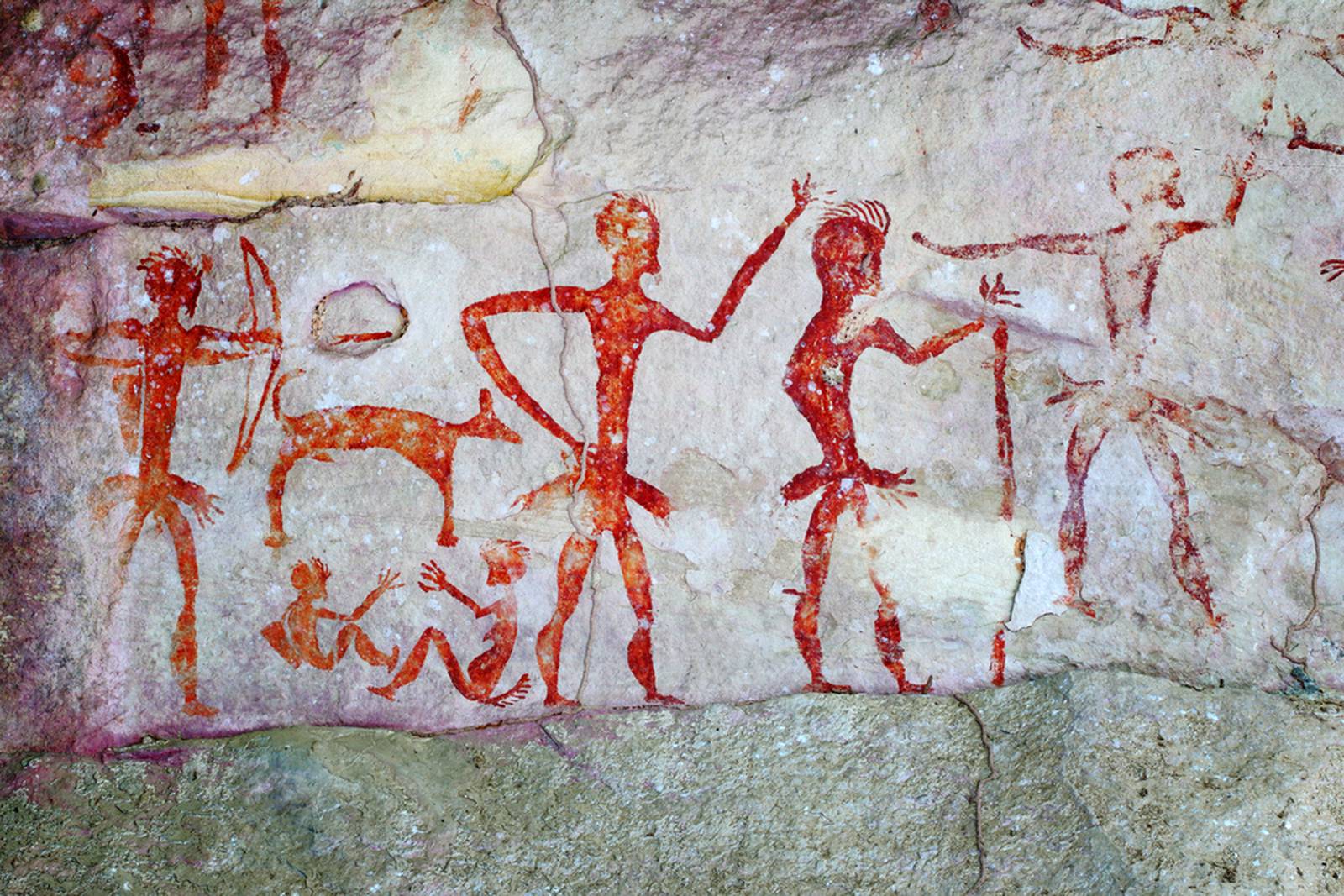
Social anthropology is the study of how humans give meaning to the world through different social norms, values, practices and means of organisation. This course provides an exciting and dynamic introduction to the world of social anthropology.

If you are new to higher education, or have not studied for some time, you may find it useful to brush up your reading, note-making and essay-writing skills, and to revisit the basic rules of punctuation and grammar.
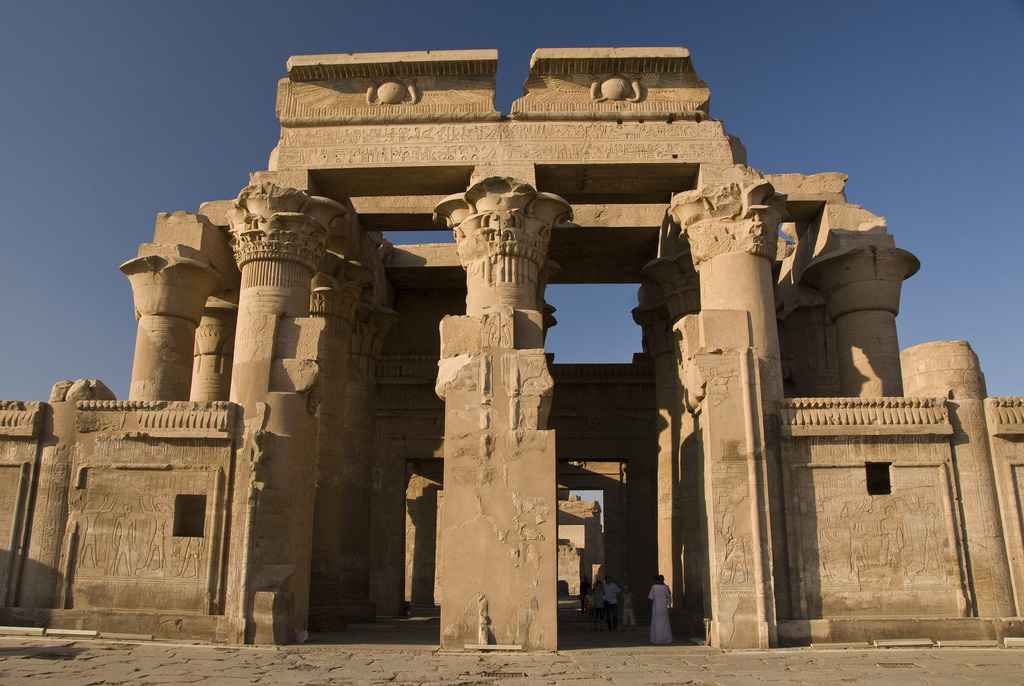
From royal pyramids, court artisans and powerful pharaohs, to grandiose temples, mysterious gods and foreign invasions, participants will experience the world of ancient Egypt, its highs and lows, and the rich tapestry of its culture.

This course examines the rise and fall of the British Empire and its manifold legacies in Britain and beyond.

This course provides a detailed introduction to, and encompasses the fundamentals of macroeconomics. On completion of the course you will have the ability to critically assess real-world macroeconomic developments at first-year undergraduate level.

This course provides a detailed introduction to microeconomics. On completion of the course, students will have the ability to understand and apply the principles of microeconomics at first-year undergraduate level.

This course introduces the science of psychology, exploring the richness of human functions, uncovering the brain's secrets and revealing its complexities. Studies from biological, psychodynamic, cognitive, behavioural and social approaches are presented.

All of us are affected by government policies, and governments place particular emphasis on economic policies. This course will equip you to evaluate the economic arguments made about public policy choices.