

Unravel the Black Hole Information Paradox in just one day. Explore event horizons, Hawking radiation, and the clash of quantum mechanics with relativity. Dive into cutting-edge theories and one of physics’ deepest cosmic mysteries.
Filter by:
Filters
Start month
Day of the week
Time of day
Unravel the Black Hole Information Paradox in just one day. Explore event horizons, Hawking radiation, and the clash of quantum mechanics with relativity. Dive into cutting-edge theories and one of physics’ deepest cosmic mysteries.

Part-time over five weeks, this tutor-led training course can be taken from anywhere in the world. It will appeal to students and practitioners who want to improve their ability to conduct mammal and reptile surveys.

Why do animals behave the way they do? In this course we will look at the full range of behaviours found in the animal kingdom, from simple escape behaviours to complex tool use and their evolution.

This course examines the rise and fall of the British Empire and its manifold legacies in Britain and beyond.

An interdisciplinary introduction to climate litigation, examining landmark cases, legal reasoning, human rights, corporate accountability, and climate justice through collaborative and case-driven online learning.
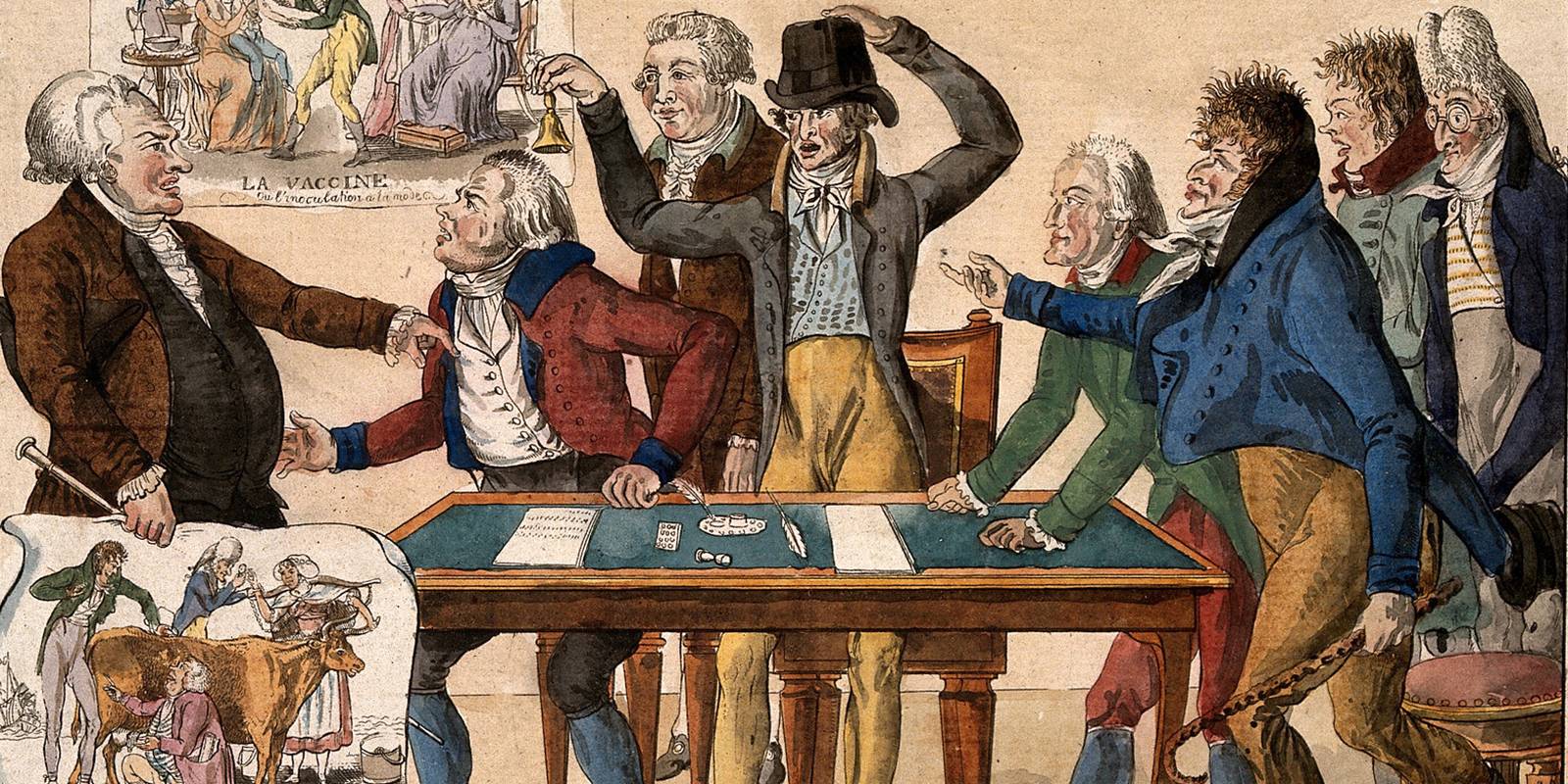
Using a variety of examples drawn from global history, this course explores controversies in the history of medicine and the way in which they have impacted on practitioners, patients and wider communities.
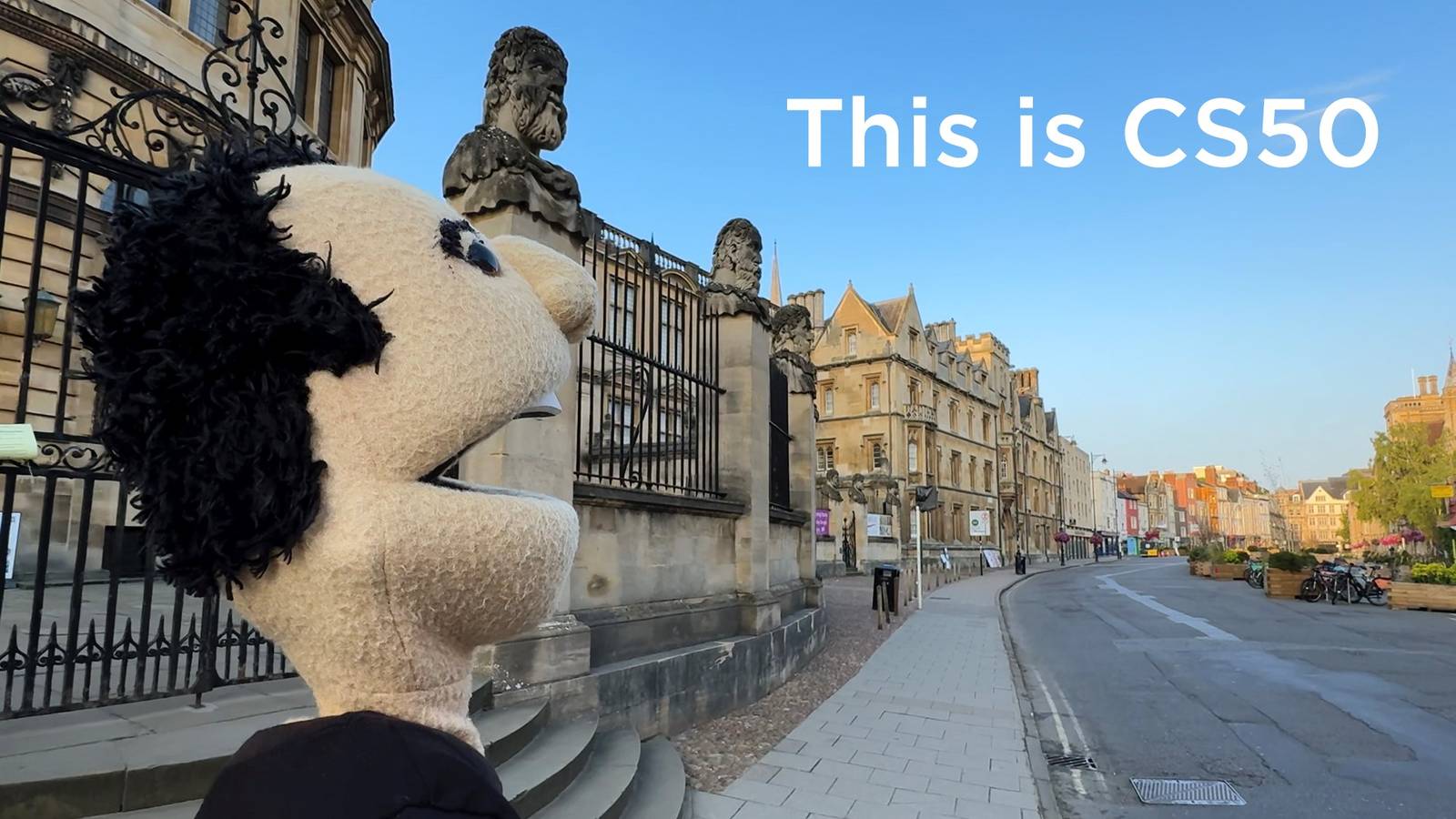
Based on Harvard's famed introductory course in computer science, CS50 is now available at Oxford. This course teaches you how to solve problems, both with and without code, with an emphasis on correctness, design, and style.

This course explores the riches of northern European art from c.1480 - 1580; artists including Dürer, Bosch, Holbein and Bruegel will be studied.

Work actively to understand key screenwriting concepts to build your awareness of the needs of your film idea. Develop this into a riveting outline, populate it with engaging characters, and draw your audience into your story world through genre.

This course continues to introduce the basic principles of Classical Latin. It provides a firm basis of grammar, sentence structure and vocabulary of the language, through which you will be able to read and translate Roman drama in adaptation.

This course provides a detailed introduction to, and encompasses the fundamentals of macroeconomics. On completion of the course you will have the ability to critically assess real-world macroeconomic developments at first-year undergraduate level.

This course provides a detailed introduction to microeconomics. On completion of the course, students will have the ability to understand and apply the principles of microeconomics at first-year undergraduate level.