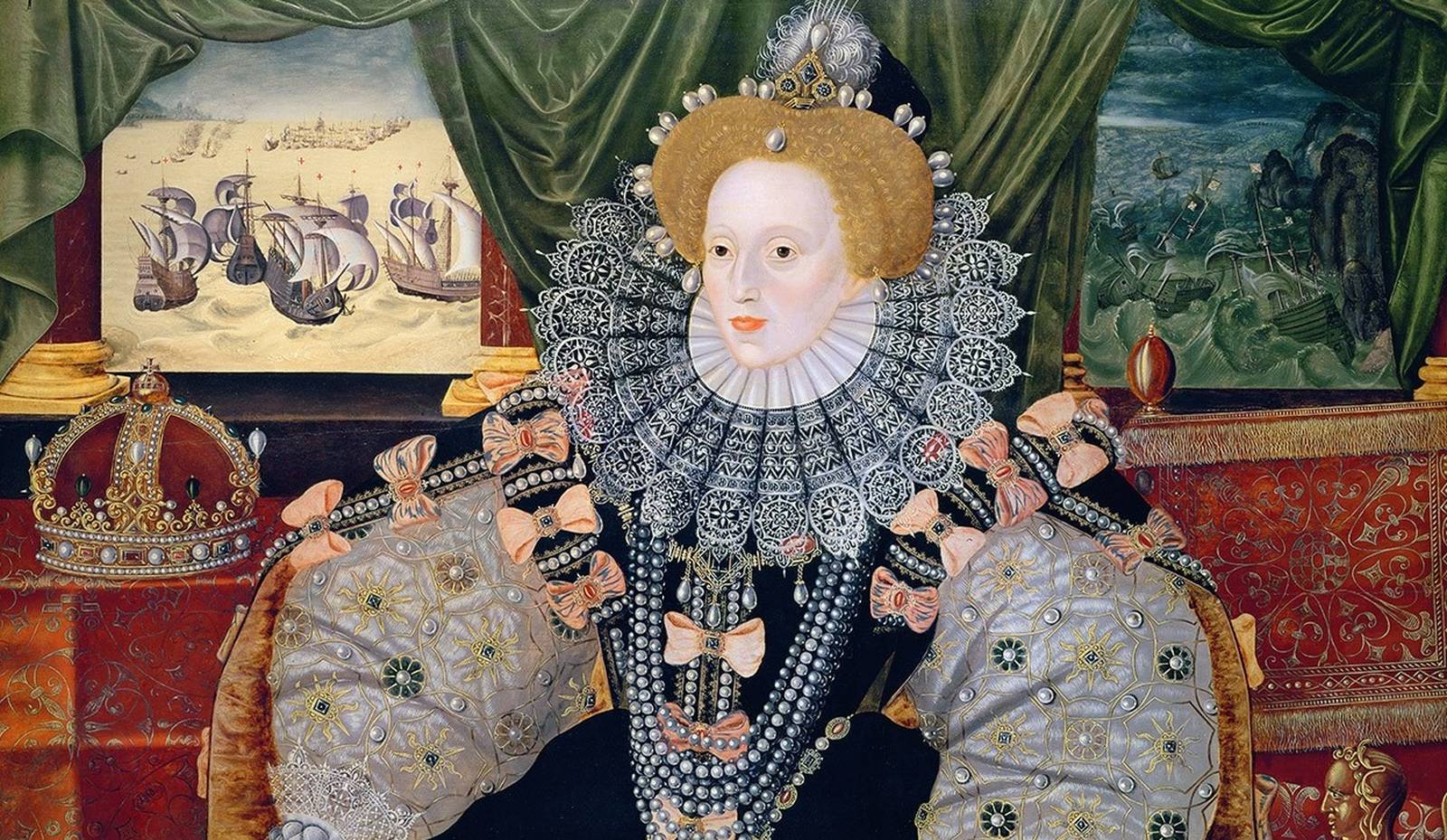
This lecture examines Elizabeth I and how she navigated and manipulated gendered expectations.
Filter by:
Filters
Start month
Day of the week
Time of day
This lecture examines Elizabeth I and how she navigated and manipulated gendered expectations.
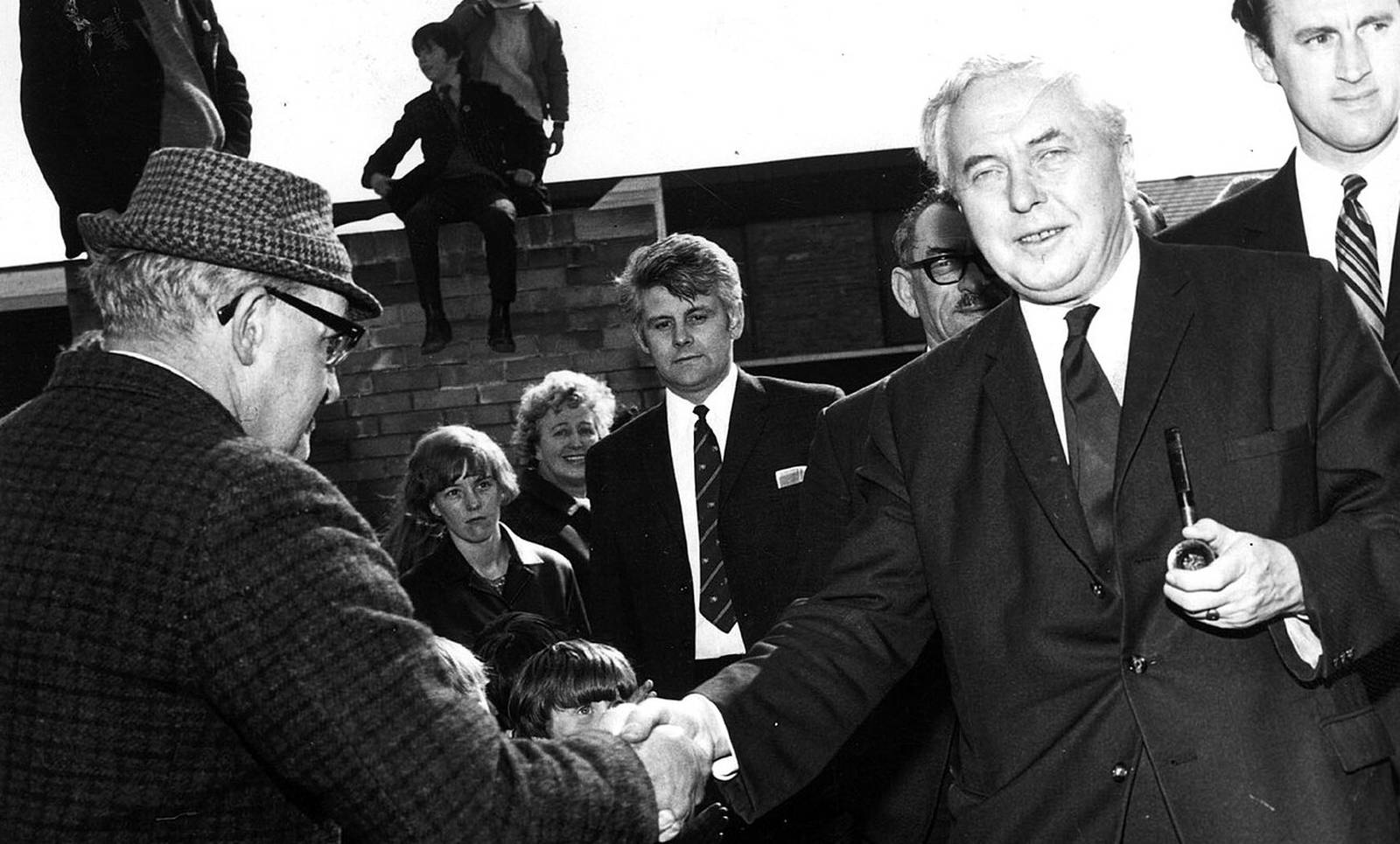
Examine how Harold Wilson and Jim Callaghan set the stage for the 1975 referendum on staying in the EEC.
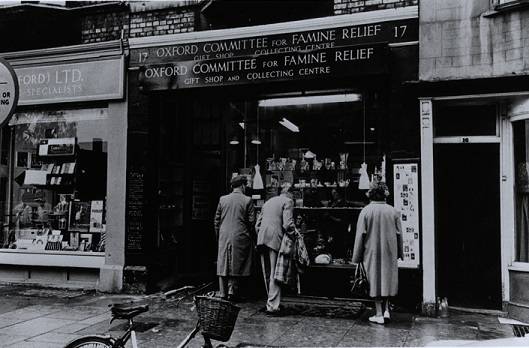
Why did people volunteer their time to campaign for causes in the first half of the twentieth century? This course looks at initiatives which aimed to relieve suffering during conflicts, alongside activities connected to social causes and community life.
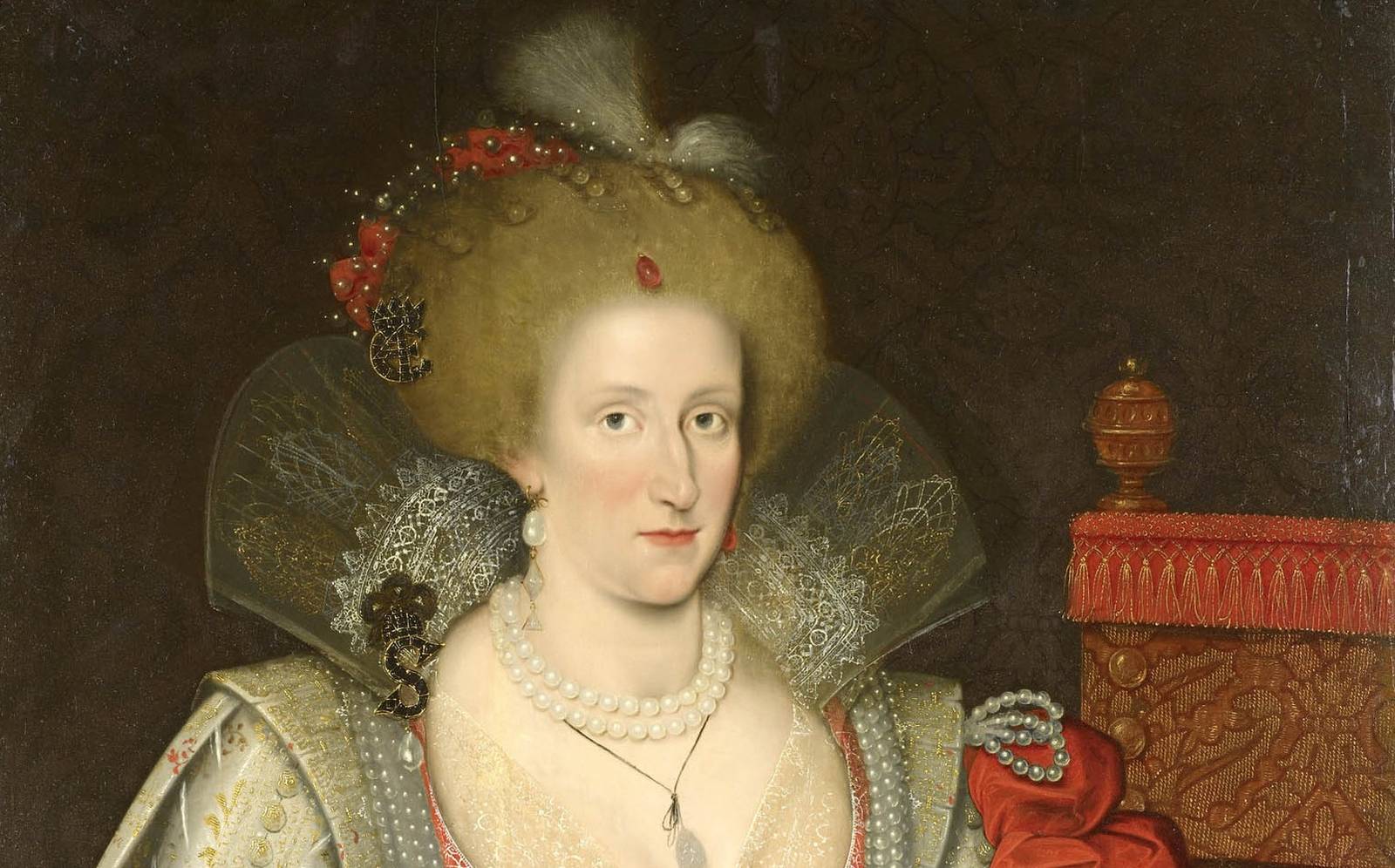
This lecture examines Anna of Denmark, and her impact on politics and the arts.

Examine the decisive vote to remain in the EEC, and the success of the 'yes' campaign.
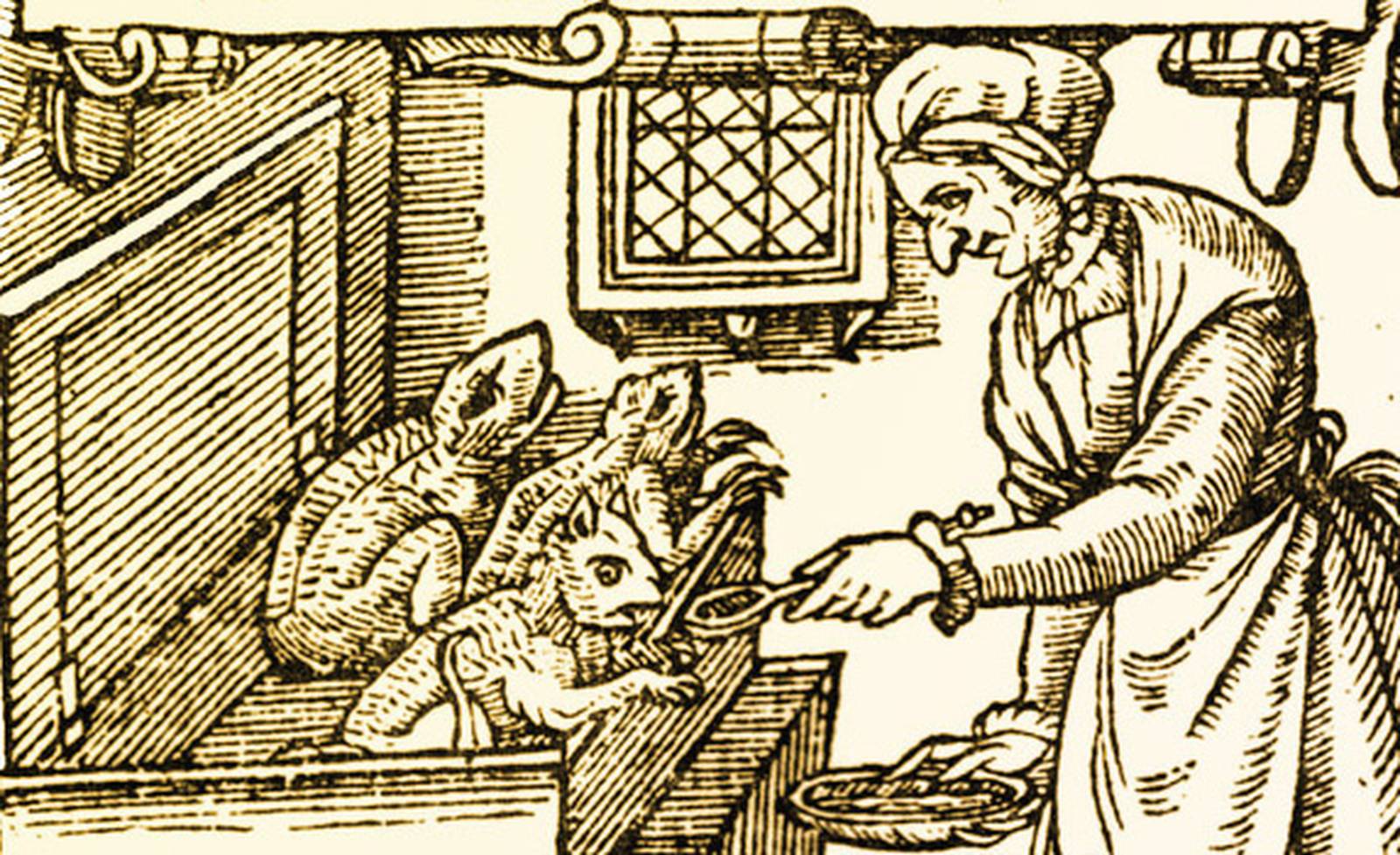
For thousands of years, humans have been fascinated by witches. Through four stimulating lectures, this hybrid day event examines how witches have been represented over time – from the classical world to modern times.
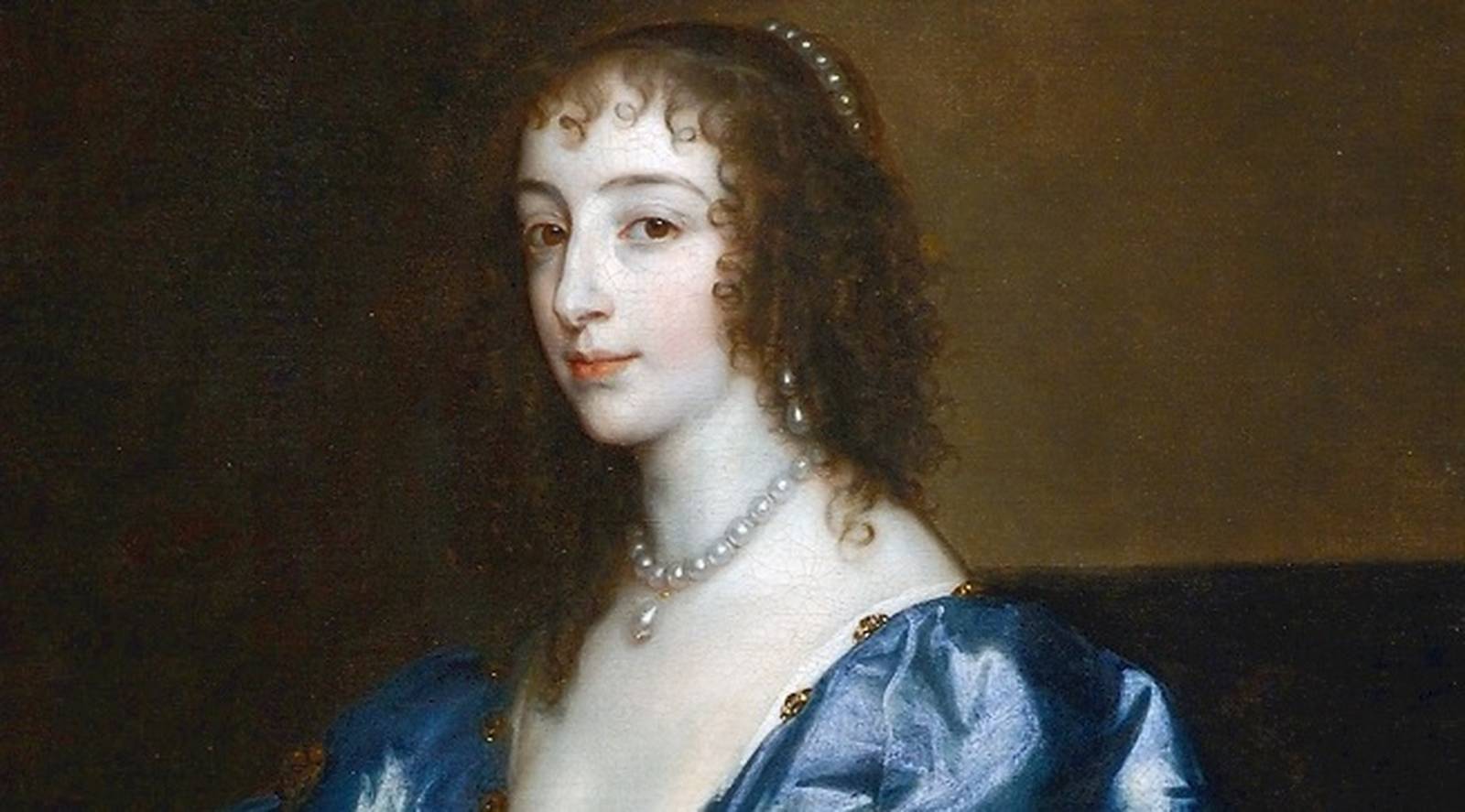
This lecture examines Henrietta Maria, wife of Charles I, and her political role and patronage of the arts.
The oldest known stone tools date back 3.3 million years and pre-date the first appearance of the genus 'Homo'. Join us to explore tool making among our early hominin ancestors from the earliest probable origins to the comparatively advanced Oldowan.
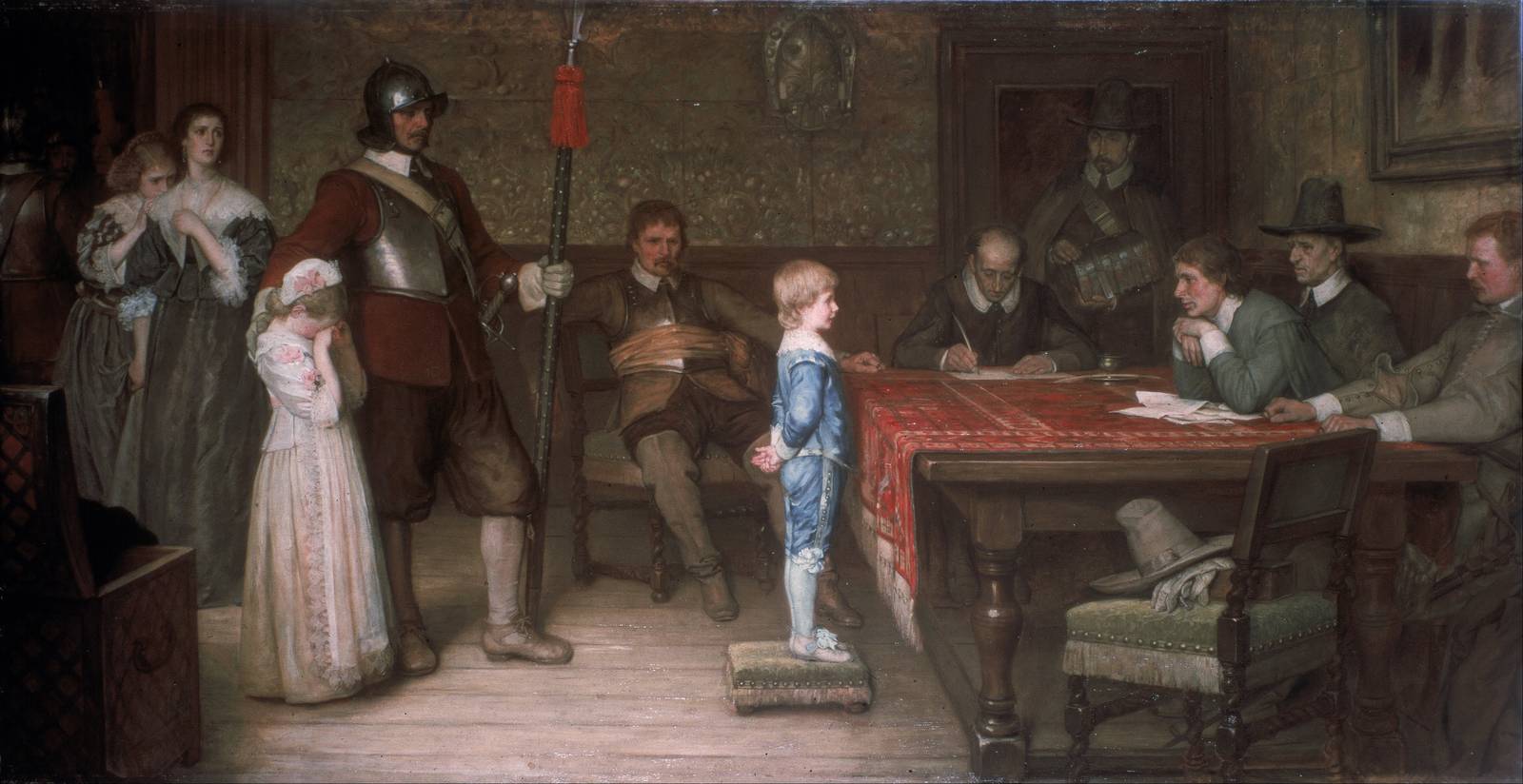
This day school will uncover the neglected roles of women and children during the British Civil Wars (1638–1660). Speakers will address how such people participated in these revolutionary events, and in what ways they looked back on them afterwards.
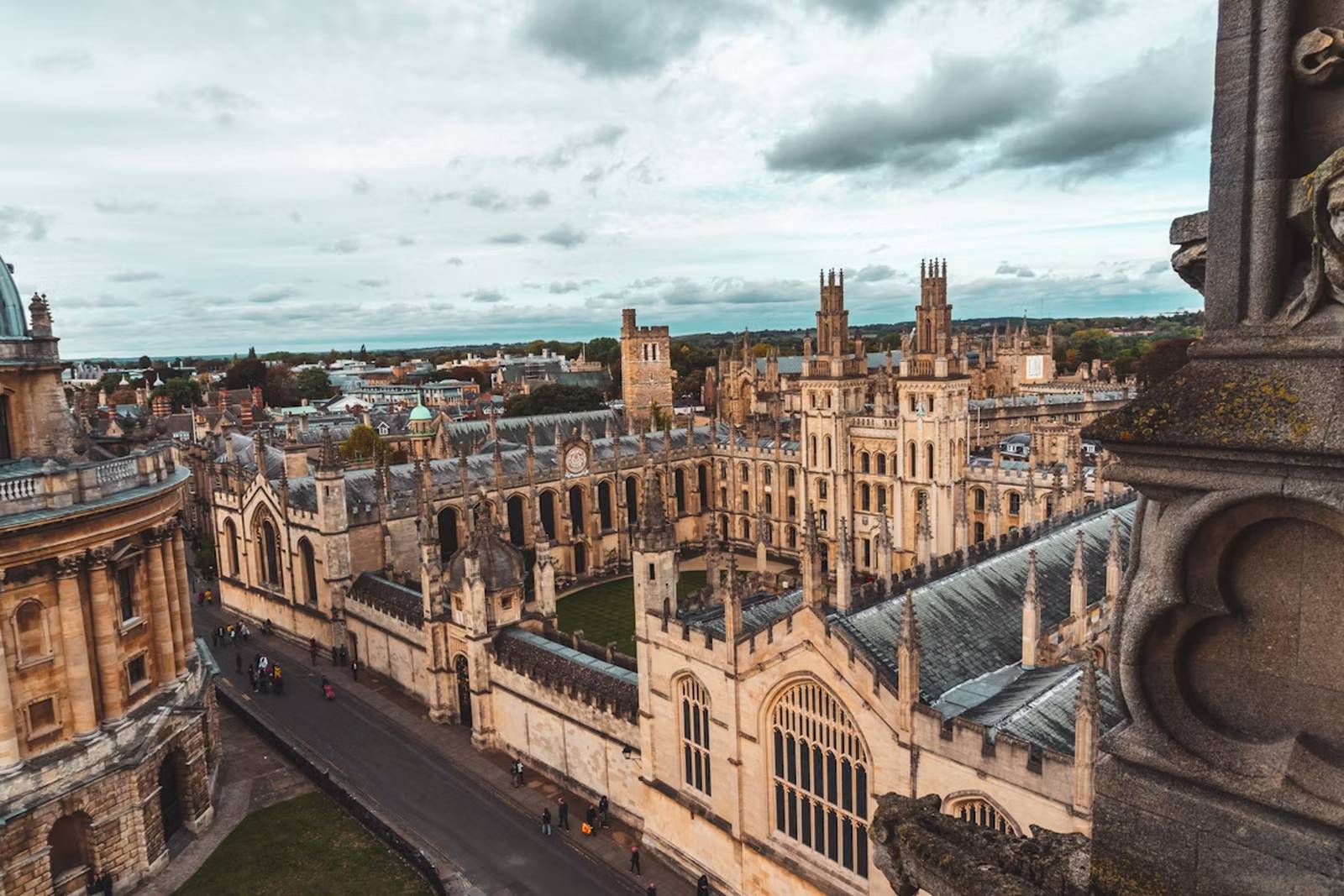
From St Frideswide to Vice Chancellor Irene Tracey, women have always been active in Oxford, even if the University long chose to ignore them. On this walking tour, we’ll uncover the stories of some of Oxford’s most fascinating women.
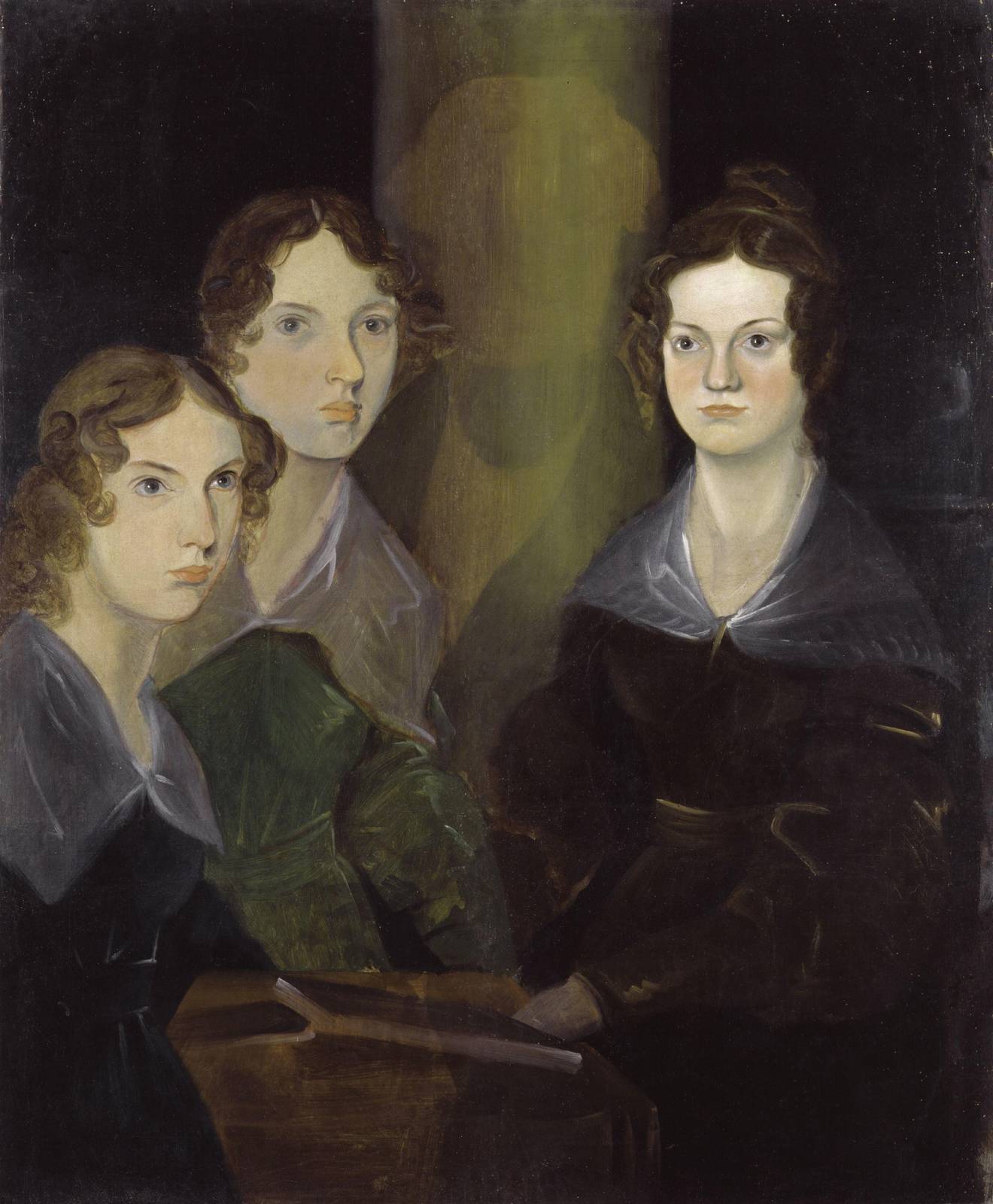
This lecture will introduce the Brontë sisters and Jane Eyre, exploring its style, themes, key passages, and debates around Rochester, narration, the supernatural, and the novel’s controversial dedication to Thackeray.
This lecture series will explore the lives and works of Anne, Charlotte, and Emily Brontë, examining how their remarkable imaginations produced six original, complex, and ground-breaking novels despite their confined lives.