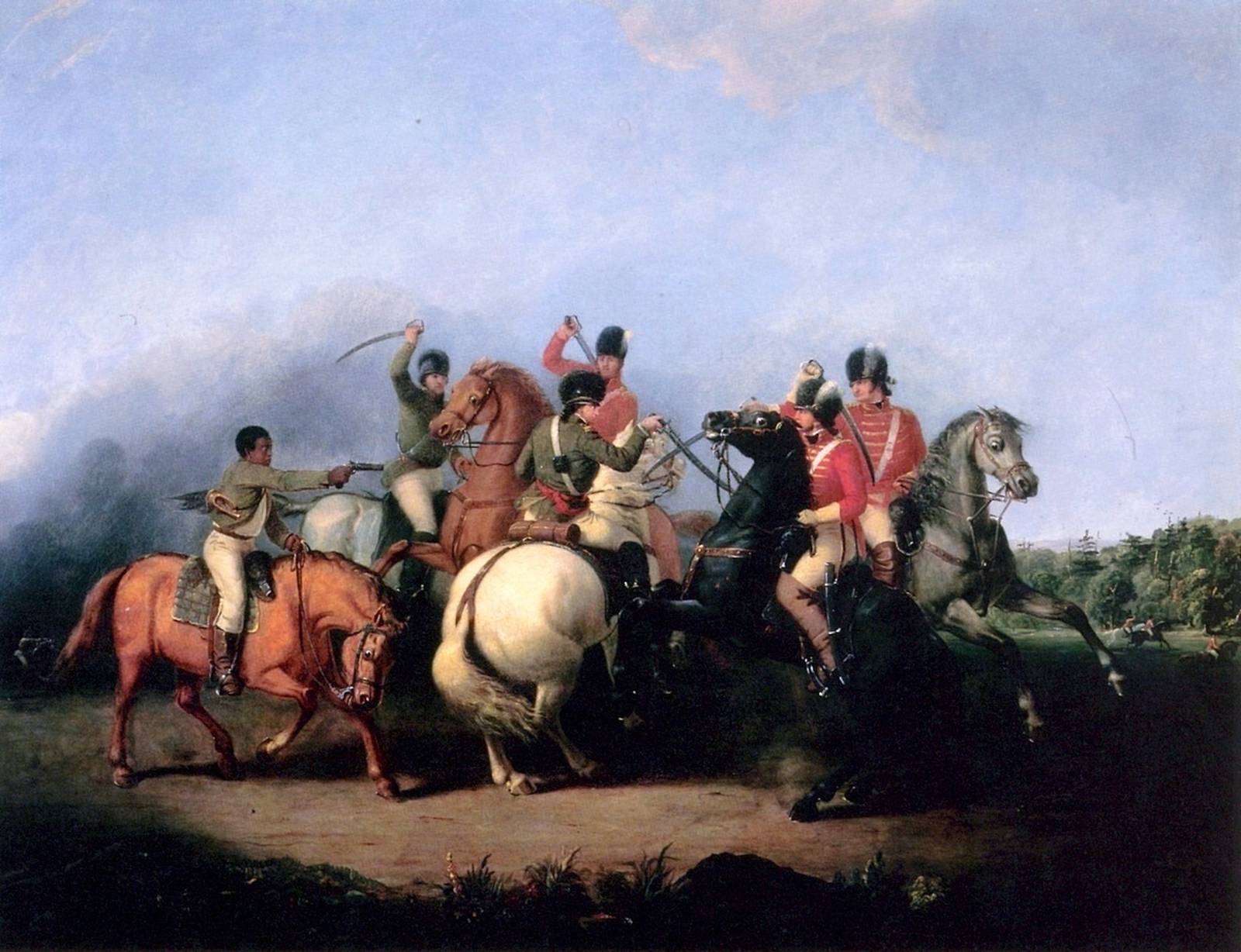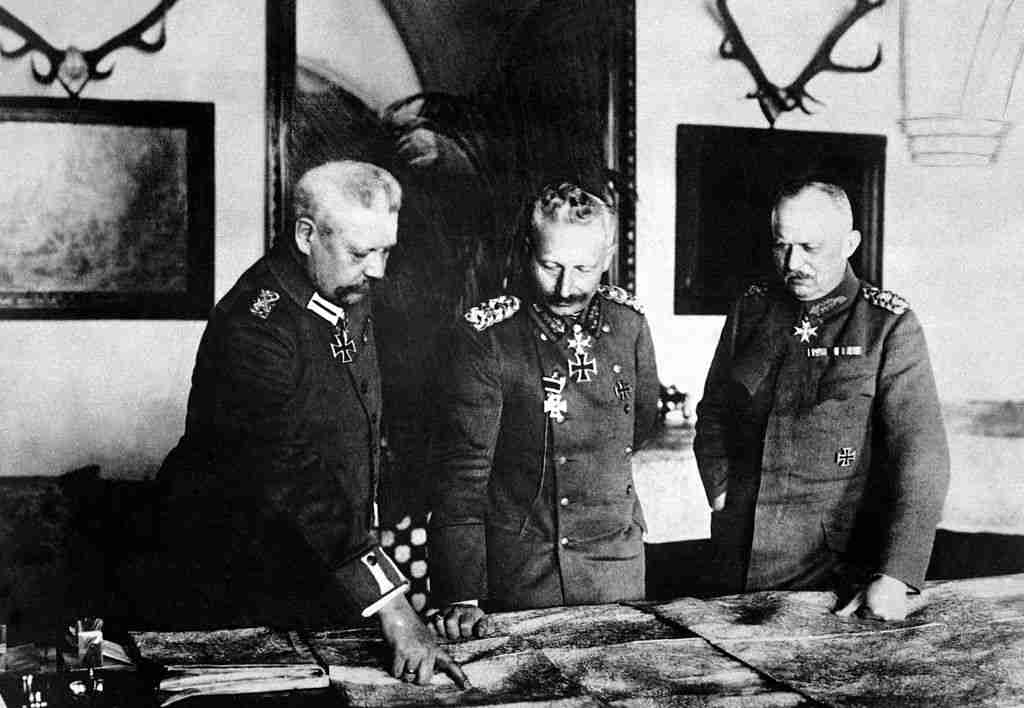

The First World War was a cataclysmic event. This course examines international relations before 1914, the countries which fought the war, how it started, the expectations of the participants, and assesses the war's historical significance,
Course search results
Filter by:
Filters
Start month
Day of the week
Time of day
Investigate the emergence of architecture, from the earliest towns of the Neolithic to the Roman Empire. Explore urban form, construction materials and techniques, and discover how these how ancient building cultures influenced each other.
This lecture will will explore the art deco Exposition that took place in Paris in 1925.
An introduction to classical design in architecture, its ancient origins, its impact on Oxford architecture and modern examples. To include demonstrations by well-known modern practitioners and the chance for students to create their own designs.
Austria was the great power of Central Europe in 1780, Austria's ruler was was the Holy Roman Emperor of German Europe. How did this situation change by 1918? This is the story of the development of Imperial Austria from empire to a European republic.
Chivalry was more than medieval knights in shining armour jousting for the love of fair ladies. This course explores how chivalric values profoundly shaped political, literary and artistic cultures from the medieval period through to the present day.
'Magic' was a wide-ranging concept that affected many aspects of medieval society. This course will consider the actual and perceived practices of magic in the medieval period and their consequences.
This online course provides an overview of how to trace family history in Britain from the present day to the 16th century using a range of digital and archival sources.
This course explores how Oxford became a centre for learning in the middle ages, as well as a centre for trade and government. It examines the sponsorship of its splendid buildings and collections as well as the tensions between townspeople and scholars.
From the 1970s onwards Norman Foster and Richard Rogers have shown the international impact that British architecture has made. Followed up by UK based practices such as Zaha Hadid's they have together pioneered styles from HiTech to Complex Curves.
Why did revolution break out again and again during the tumultuous 17th and 18th centuries? And why did they play such a key role in shaping the very nature of modern western political culture? Explore with us this fascinating topic!
This course provides an historical introduction to the development of folklore studies in Britain. It will review historical conceptions and approaches to folklore from the seventeenth-century antiquarians to the present.