Departmental Ghosts

Departmental Ghost of Environmental Sciences

Departmental Ghost of Mathematics

Departmental Ghost of Social History

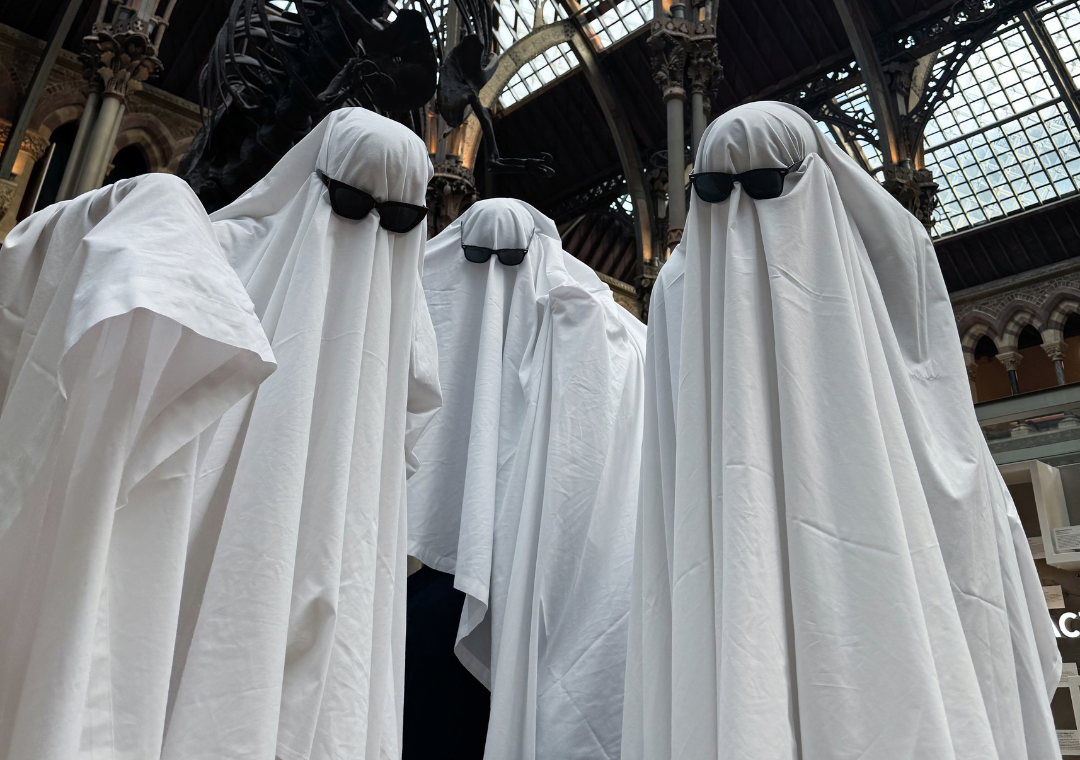
Haunting the halls of Oxford Lifelong Learning are three scholarly spirits, proving that neither age (nor even the afterlife!) need put an end to learning.

Dr Tom Crawford, the Department’s mathematical poltergeist, studied Mathematics at Oxford before completing a PhD in Fluid Dynamics at Cambridge. When he isn’t haunting the corridors, he is a Departmental Lecturer and Public Engagement Lead, and creator of the award-winning Tom Rocks Maths programme. Through YouTube, live events, and his upcoming popular science book, he makes mathematics entertaining and accessible to all.

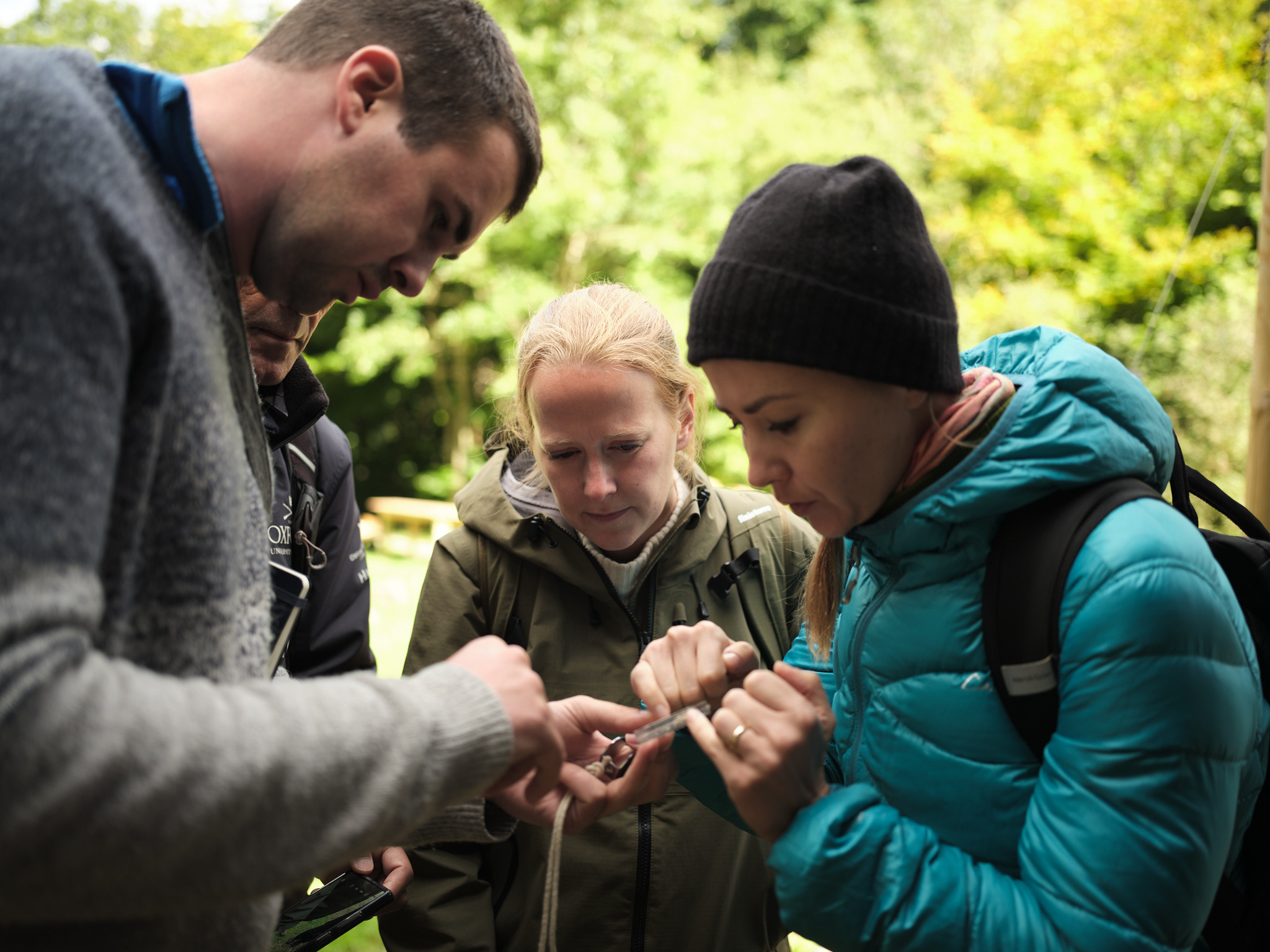
Dr Joanna Bagniewska, the resident zoological spectre, holds a BSc in Biology and Oxford MSc and DPhil degrees. Her interests span behavioural ecology, biodiversity conservation, teaching and science communication. A Departmental Lecturer in Environmental Sciences and for the Graduate School and Co-Director of the Postgraduate Certificate in Ecological Survey Techniques, she is also an award-winning science communicator and author.

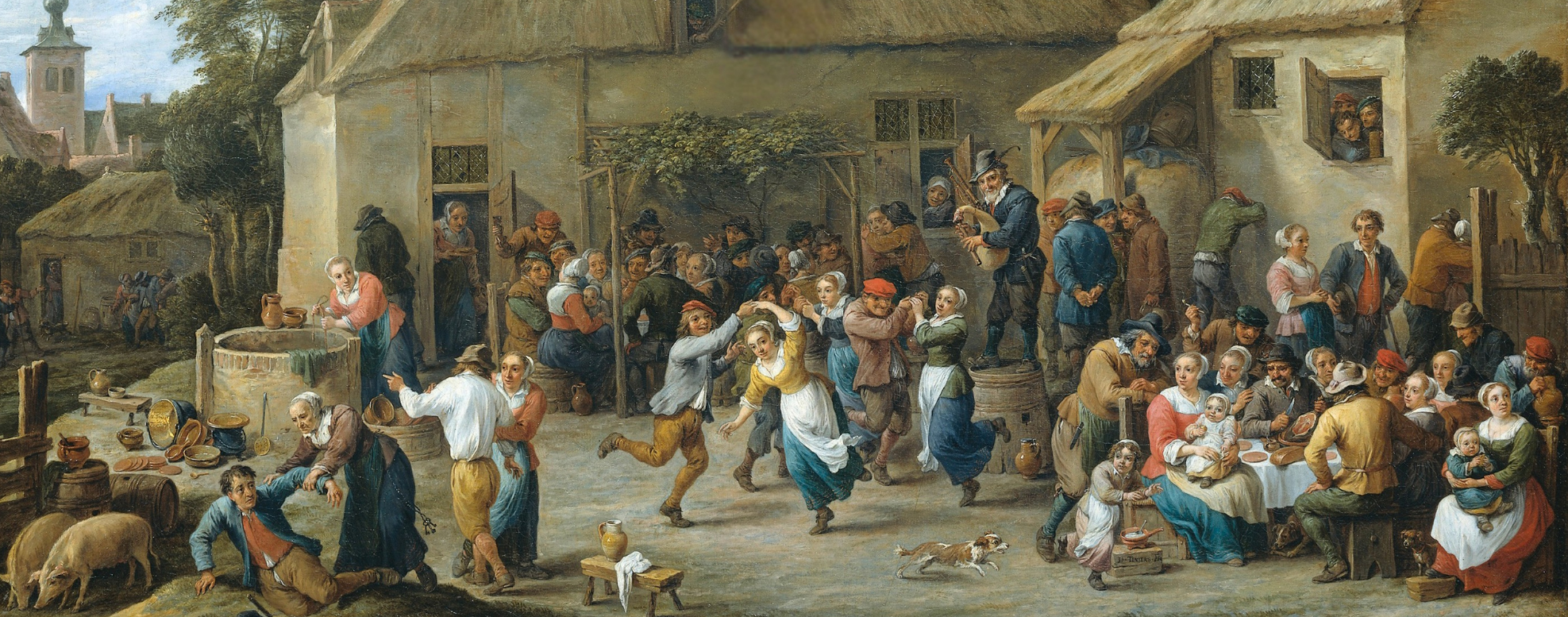
Dr Jon Healey brings centuries of history to the haunting as an Oxford-trained social historian specialising in early modern England. He is an award-winning teacher and acclaimed author, who keeps the past very much alive.

Together, these ghosts embody the spirit of lifelong learning: curiosity has no age limit, or expiry date.
Our three departmental ghosts share a belief that learning should be engaging, inclusive, driven by curiosity, and sometimes, delivered with a healthy dose of silliness, whatever your age.

Tom’s teaching takes the fear out of mathematics teaching his calculus and algebra online courses, using creative explanations, visual demonstrations, puzzles and digital content to make complex ideas less frightening. His innovative approach encourages learners to explore mathematics with confidence and curiosity, and shows that learning needn’t be confined to the classroom, or, indeed, the earthly realm.

Joanna brings science (back) to life through fieldwork, practical activities, discussion and team-based learning. She encourages active participation, critical thinking and clear science communication, helping students develop the skills to investigate the natural world for themselves. Even as a resident spectre, her teaching remains firmly grounded in hands-on discovery.

Jon summons the past through research-led teaching, encouraging students to interrogate historical evidence and uncover the experiences of people and communities for themselves (though he doesn’t recommend séances as a form of historical investigation). Through discussion, independent enquiry and close engagement with primary sources, he proves that history is never truly dead and buried.

Together, these three academic apparitions demonstrate that curiosity can last well beyond a lifetime.

Tom’s mathematical interests flow from his specialism in fluid dynamics, using mathematics to understand how fluids move and behave. His latest challenge? Determining whether the Navier-Stokes equations can explain the flow of ectoplasm. More broadly, his work explores the power of mathematical thinking to explain the world around us, proving there is nothing supernatural about equations, even when taught by a ghost.

Joanna’s research ventures into the wild, focusing on behavioural ecology and biodiversity conservation. Mammals are a particular fascination, though she does also have a soft spot for the more weird and wonderful creatures of the natural world, like bone-eating snot flowers. Her wider interests also include urban biodiversity, exploring how animals interact with urban environments, like graveyards.

Jon delves into the ghosts of England’s past through the social history of the early modern period. His research encompasses poverty and poor relief, common land, famine, local courts and landholding, alongside popular politics and the English Civil War. He’s written two bestselling books on seventeenth century history, though he has yet to figure out the correct method for referencing interviews with ghosts.

Together, their research proves that some questions are simply too fascinating to rest in peace.

Tom Crawford

  • Coming November 17: How Many Pikachus Would It Take to Power a Lightbulb? (Penguin Random House, 2026)

Joanna Bagniewska

  • The Communicating Scientist: A Practical Handbook (Springer Nature, 2025)
  • The Modern Bestiary (Wildfire, 2022)

Jonathan Healey

  • The Blood in Winter: A Nation Descends, 1642 (Bloomsbury, 2025)
  • The Blazing World: A New History of Revolutionary England (Bloomsbury, 2023)
  • The First Century of Welfare: Poverty and Welfare in Lancashire, c. 1620-1730 (Boydell, 2014)
Back to top