
This course introduces you to the basic principles of Ancient Greek. It provides a firm basis of grammar, sentence structure and vocabulary of the Attic Greek, through which you will be able to read and translate adapted Greek texts into English.
Filter by:
Filters
Start month
Day of the week
Time of day
This course introduces you to the basic principles of Ancient Greek. It provides a firm basis of grammar, sentence structure and vocabulary of the Attic Greek, through which you will be able to read and translate adapted Greek texts into English.

Machine Learning methods lie at the heart of the Artificial Intelligence revolution. This course introduces fundamental concepts to explain Machine Learning methods, potential, and pitfalls to a general audience.

Understanding the impact of Artificial Intelligence, is a key skill in the knowledge economy. This online course develops a critical understanding of real-world AI applications by introducing various case studies to a general audience.

Reasoning enables us to acquire knowledge, to persuade others and to evaluate their arguments. But only if we reason well. We shall be learning how to recognise, evaluate, construct and analyse arguments, and how to recognise common fallacies.
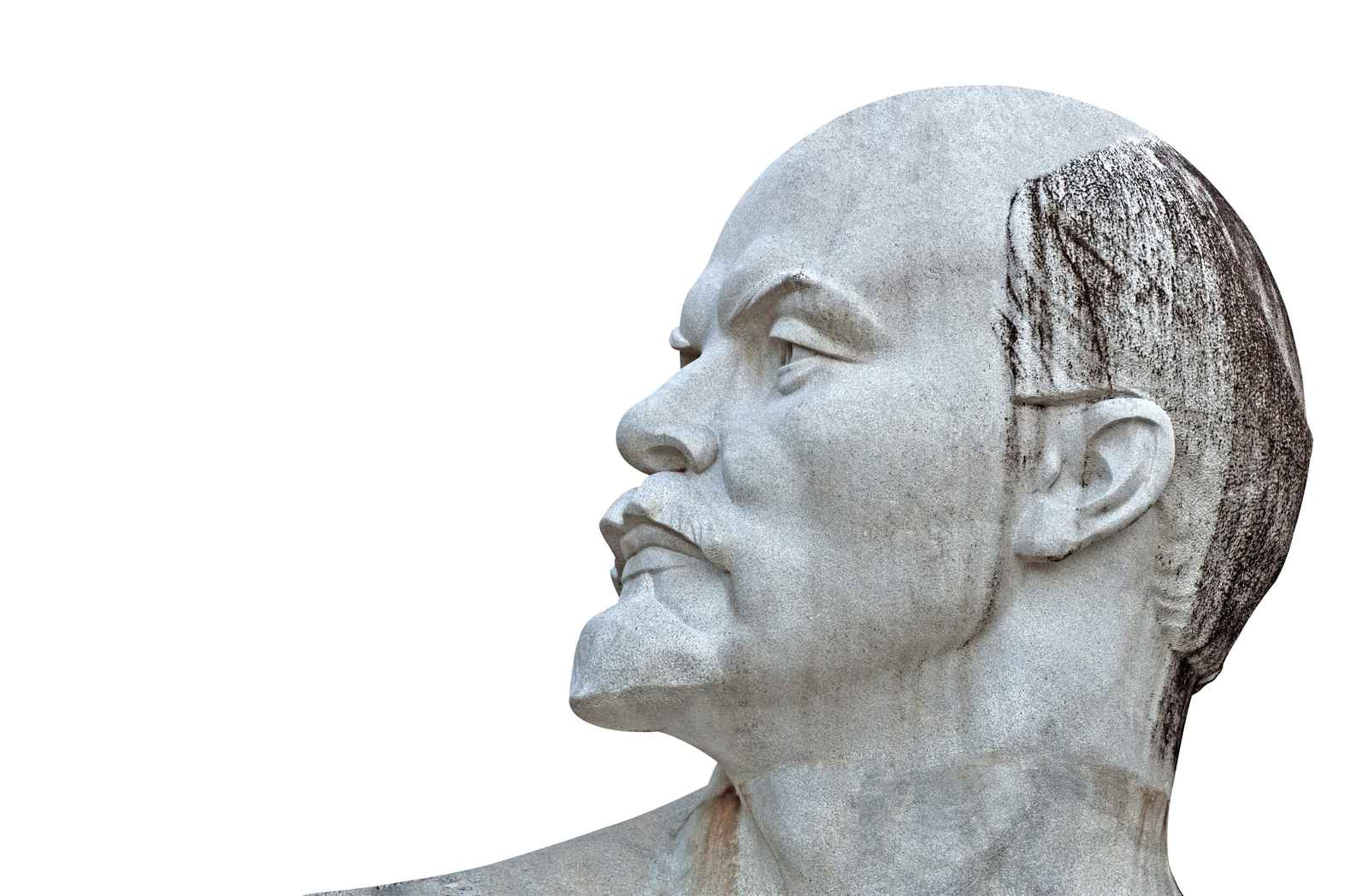
This course analyses why the inter-war years were a period of such political extremism. It will investigate the distinctive features of Soviet Communist ideology and the impact of Lenin and Stalin on the USSR.

This global course analyses one of the most controversial public policy issues of the 21st century: how to regulate international labour migration and the rights of migrant workers.

Britain led the world in the nineteenth century, but what were the consequences of industrialisation and empire on British society?

This course provides a detailed introduction to microeconomics. On completion of the course, students will have the ability to understand and apply the principles of microeconomics at first-year undergraduate level.

In addition to tracing the evolution of the modern state and political ideas and ideologies, this course focuses on issues that confront people from all parts of the world on a day-to-day basis.

An introduction to metaphysics, the most general investigation of reality. It has been at the centre of philosophy since the beginning of the Western tradition in ancient Greece, and many of its concerns are the same as those of Plato and Aristotle.

How can we begin to understand the spiritual lives of prehistoric people? When do religious ideologies first appear on the human evolutionary timescale? Using both anthropology and archaeological evidence these and many other questions are examined.

A modern, democratic, multicultural Britain developed throughout the twentieth century. This course will examine the key social, economic and political influences that have shaped modern Britain.