
Short course
Architecture and the Conclave – The Papal Buildings of Rome

Course status:
Applications being accepted


Dates and time:
20/01/2027 - 24/03/202714:00 - 16:00

Study format:
In-person weekly

Fees:
£315.00
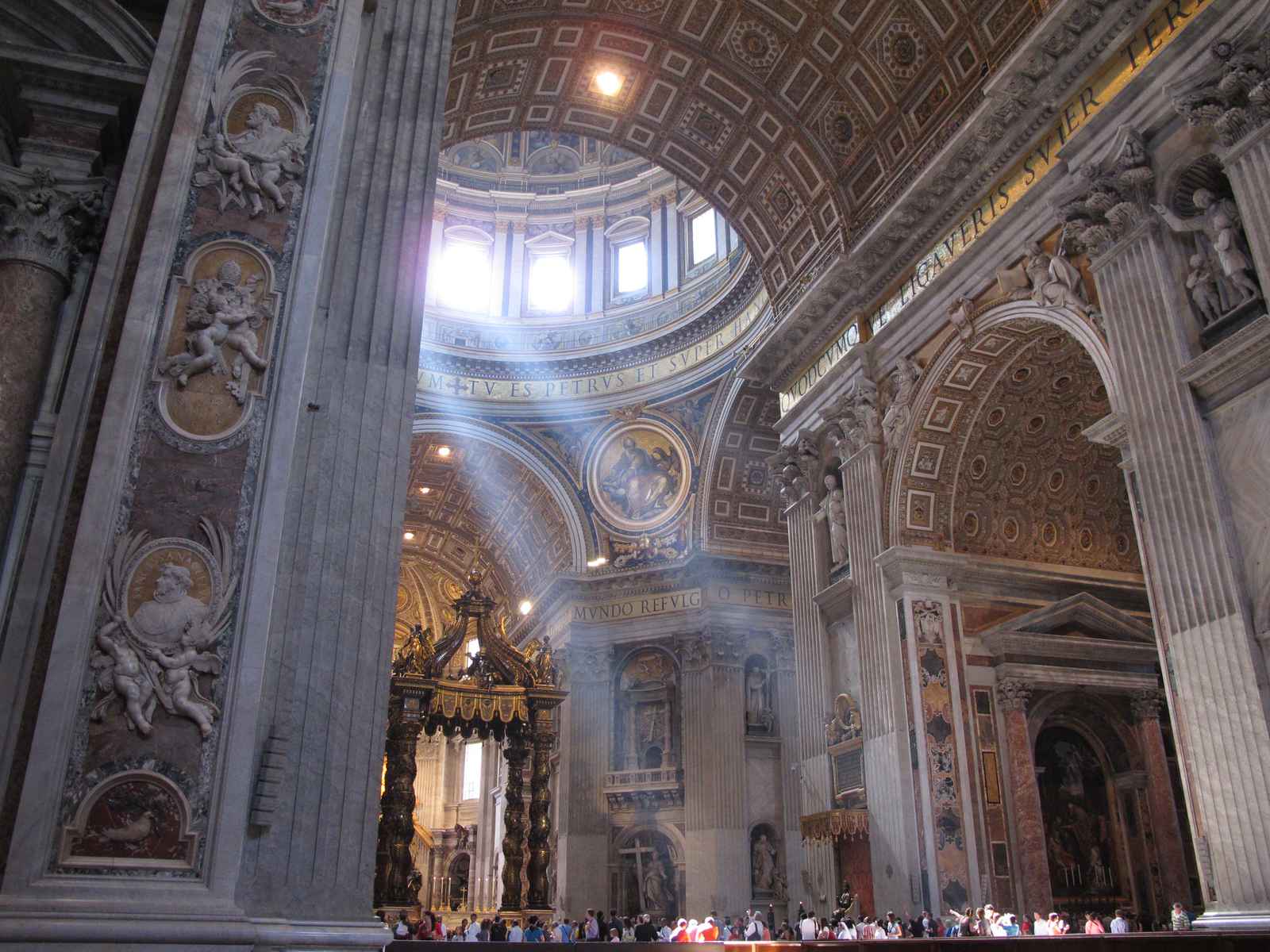
The success of Robert Harris's Conclave (book and film) and the election of Pope Leo XIV have drawn attention to the Sistine Chapel and other architecture central to the traditions of the Vatican. We will set this in the context of the historically influential development of architecture in the great City. This will take us from surviving structures like the Pantheon and Roman baths, through building in Early Christian times, to the remarkable works of Michelangelo, Raphael and Bernini – serving both the needs of the Church and the secular ambitions of the great Papal families.
Book this course
Book your place online using the button below.
Contact the team
Phone: +44 (0)1865 280900
Course starts Wednesday 20 January 2027
This is an in-person course which requires your attendance at the weekly meetings in Oxford on Wednesdays, 2.00-4.00pm.
Week 1: Roman Beginnings
Week 2: Old St Peter’s and St Paul Outside the Walls
Week 3: St John Lateran and Santa Maria Maggiore
Week 4: Election of the Pope – the Conclave
Week 5: Sixtus IV’s Sistine Chapel
Week 6: The Vatican Apostolic Palace – including Raphael’s work
Week 7: New St Peter’s – Bramante and Michelangelo
Week 8: Paul III’s Pauline Chapel
Week 9: The work of Gianlorenzo Bernini – St Peter’s and more
Week 10: Papal palaces including the Palazzo Farnese
Course aims
This course aims to enable participants to develop an understanding of the chronological development of papal architecture.
Course objectives
By the end of the course, participants will have been given the opportunity to:
- explore the chronological development of papal architecture and the architectural styles adopted by leading architects working for the Popes
- develop an understanding of the architectural styles employed in papal building programmes and their development over time
- consider how painting was used to emphasise the function of papal buildings, including in the context of the conclave
Learning outcomes
To be able to:
Appreciate the range of projects and architects over the long period of Papal requirements
Recognise the architectural styles used in building over this long period of Papal patronage
Understand the skills needed by painters to focus attention on the religious messages relevant to the functional needs of these buildings including that of the Conclave
Level and demands
The Department’s Weekly Classes are taught at FHEQ Level 4, ie first year undergraduate level, and you will be expected to engage in a significant amount of private study in preparation for the classes. This may take the form, for instance, of reading and analysing set texts, responding to questions or tasks, or preparing work to present in class.
Teaching methods
Presentations with a wealth of visual images
Classroom discussions based on identified questions
Illustrated notes provided for each week
Assessment methods
Only those students who have registered for assessment and accreditation, in advance of the course start date, can submit coursework/assignments for assessment.
Assessment
You will be set two pieces of work for the course. The first of 500 words is due halfway through your course. This does not count towards your final outcome but preparing for it, and the feedback you are given, will help you prepare for your assessed piece of work of 1,500 words due at the end of the course. The assessed work is marked pass or fail.
Mr Keith Hasted
Keith’s initial research focus was Italian Renaissance palace architecture, and he has since developed a special interest in the architecture of cathedrals, not only in England but also in mainland Europe. He has taught courses over a number of years in the Oxford Lifelong Learning weekly programme and Summer School and for the WEA.
Academic credit
Credit Accumulation Transfer Scheme (CATS Points)
Please note, students who do not register for assessment and accreditation during the enrolment process will not be able to do so after the course has begun. If you wish to gain credit from completing this course you must register to do so before the course starts.
Only those who have registered for assessment and accreditation will be awarded CATS points for completing work to the required standard. Please note that assignments are not graded but are marked either pass or fail.
Learn more about the Credit Accumulation Transfer Scheme.
If you are enrolled on the Certificate of Higher Education at the Department you need to indicate this on the enrolment form but there is no additional registration fee for assessment and accreditation.
Digital certificate of completion
Students who are registered for assessment and accreditation and pass their final assignment will also be eligible for a digital Certificate of Completion. Information on how to access the digital certificate will be emailed to you after the end of the course. The certificate will show your name, the course title and the dates of the course attended. You will be able to download the certificate and share it on social media if you choose to do so.
Fees
| Description | Costs |
|---|---|
| Course fee (with no assessment) | £315.00 |
| Assessment and Accreditation fee | £60.00 |
Funding
If you are in receipt of a UK state benefit, or are a care-leaver in the UK, you may be eligible for a reduction of 50% of tuition fees. Please see the below link for full details:
Concessionary fees for short courses
Recommended reading
Recommended reading is optional and you are not required to purchase these books to study this course.
Library facilities
All short course students (online and in-person) may register to borrow from the Oxford Lifelong Learning Library, for the duration of their course.
Further information about the Oxford Lifelong Learning Library can be found on the library website.
Preparatory reading
- Art and Architecture in Italy 1250-1400 / John White
- Architecture in Italy 1500-1600 / Lotz and Howard
- Early Christian and Byzantine Architecture / Richard Krautheimer
Module code: O26P472HCW
How to enrol
Please use the ‘Book now’ button on this page.
How to register for accreditation and assessment
To be able to submit coursework and to earn credit (CATS points) for this course, if you wish to do so, you will need to register and pay an additional £60 fee. You can do this by ticking the relevant box at the bottom of the enrolment form or when enrolling online.
Students who do not register for CATS points during the enrolment process will not be able to do so after the course has begun.
If you are enrolled on the Certificate of Higher Education at the Department you need to indicate this on the enrolment form but there is no additional registration fee.